Plant Fertilizers: A Complete Guide to Nourishing Your Plants
What Are Plant Fertilizers?
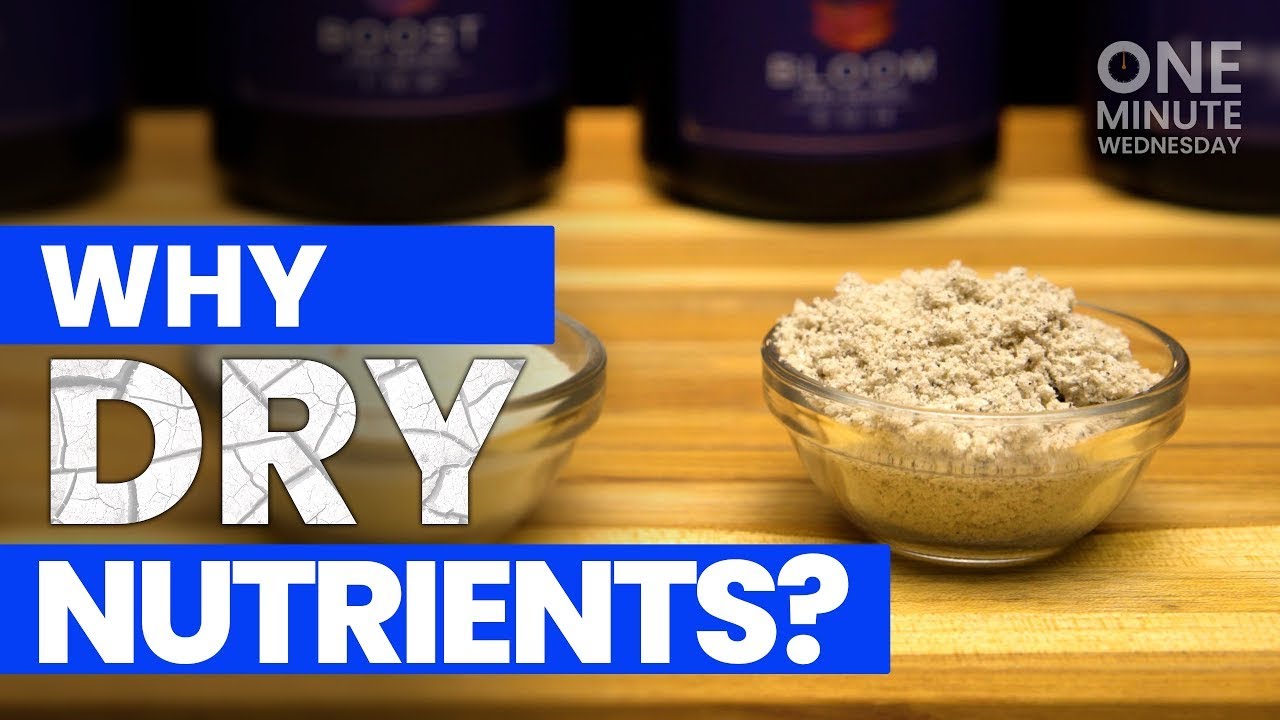
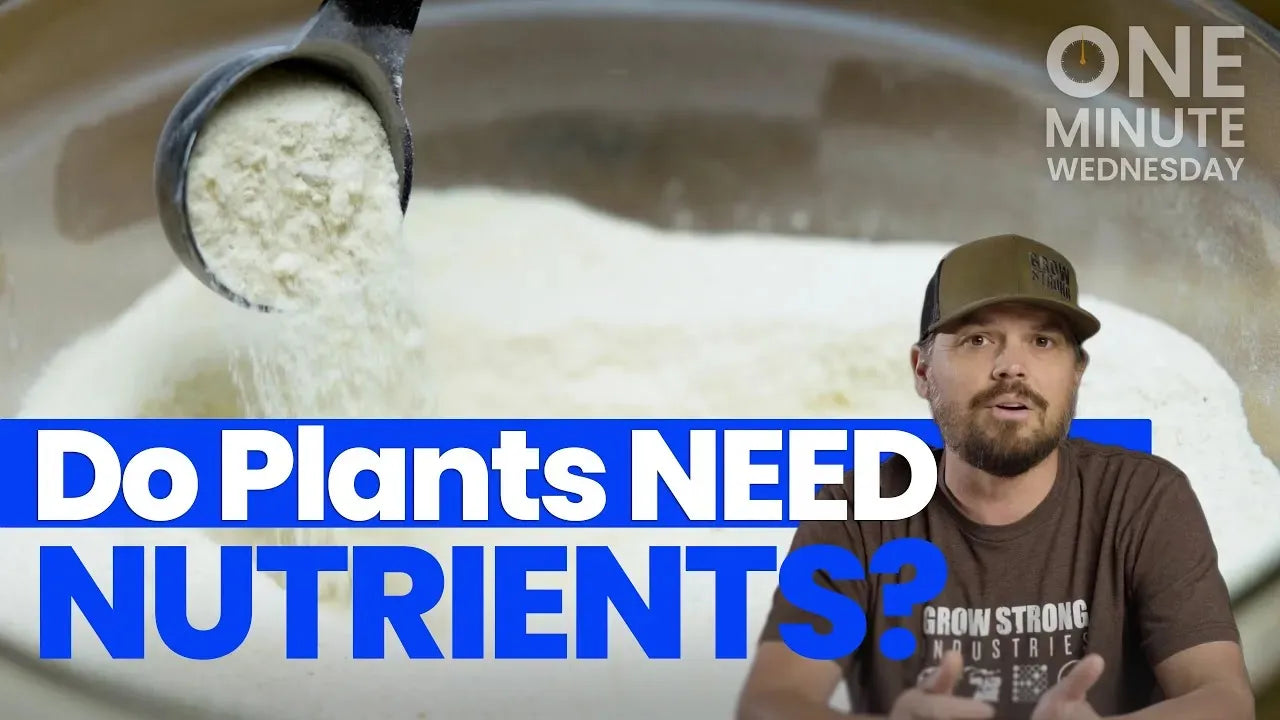
Plant fertilizers are substances that provide essential nutrients to plants, helping them grow healthier, stronger, and more productive. These nutrients are vital for photosynthesis, root development, and overall plant health. Fertilizers can be organic or synthetic, and each type has its own benefits. In this guide, we'll cover the basics of plant fertilizers, how they work, and how to use them effectively in your garden or indoor plant care.
Why Do Plants Need Fertilizers?
While plants can grow without fertilizers, they may not reach their full potential. Over time, the soil in which plants grow can become depleted of nutrients. Fertilizers replenish these nutrients and ensure that plants get the necessary components for optimal growth. The key nutrients that plants need include:
- Nitrogen (N): Promotes leaf growth and is essential for photosynthesis.
- Phosphorus (P): Supports root development and flower production.
- Potassium (K): Strengthens plant cell walls and improves disease resistance.
Types of Plant Fertilizers
There are various types of fertilizers available, and the choice depends on your plants' specific needs and your gardening style. The main categories include:
1. Organic Fertilizers
Organic fertilizers are derived from natural sources such as compost, manure, or plant-based materials. They release nutrients slowly over time, improving soil structure and promoting long-term plant health. Popular organic fertilizers include:
- Compost: Decomposed organic matter that enriches the soil with essential nutrients.
- Manure: Animal waste that provides nitrogen, phosphorus, and potassium.
- Bone Meal: A source of phosphorus and calcium, ideal for root development.
2. Synthetic Fertilizers
Synthetic fertilizers are chemically manufactured and provide an immediate nutrient boost to plants. They are more concentrated and faster-acting than organic fertilizers but do not improve soil health over time. Common types of synthetic fertilizers include:
- Nitrogen-Rich Fertilizers: Used for promoting leafy growth in vegetables, grasses, and ornamental plants.
- Complete Fertilizers: Contain a balanced mix of nitrogen, phosphorus, and potassium (NPK).
- Liquid Fertilizers: Dissolved in water and quickly absorbed by plant roots.
How to Choose the Right Fertilizer for Your Plants
Choosing the right fertilizer depends on the type of plants you are growing and their specific nutrient requirements. Here are some tips to guide you:
- Know Your Plant's Needs: Flowering plants often need phosphorus, while leafy vegetables may require more nitrogen. Research the specific needs of each plant type.
- Check the NPK Ratio: Most fertilizers display an NPK ratio on the packaging. For example, a 10-10-10 fertilizer contains equal parts of nitrogen, phosphorus, and potassium.
- Consider the Soil: Test your soil to determine its nutrient levels. If your soil is already high in one nutrient, avoid over-fertilizing and opt for a more balanced formula.
- Organic vs. Synthetic: If you prefer sustainable gardening practices, organic fertilizers are a better option. For faster results, you may choose synthetic fertilizers.
How to Apply Plant Fertilizers
Proper fertilizer application is essential to ensure that plants receive the right amount of nutrients without the risk of over-fertilization. Here’s how to do it:
1. Granular Fertilizers
Granular fertilizers are sprinkled around the base of plants and are either left on the soil surface or gently worked into the soil. Water the plants afterward to help the fertilizer absorb into the soil.
2. Liquid Fertilizers
Liquid fertilizers are mixed with water and applied directly to the soil or foliage. They provide a quick nutrient boost but may need to be applied more frequently.
3. Slow-Release Fertilizers
Slow-release fertilizers gradually release nutrients over time. They are often applied at the start of the growing season and reduce the need for frequent fertilizing.
Common Fertilizer Mistakes to Avoid
Fertilizing plants is beneficial, but improper application can harm them. Here are some common mistakes to avoid:
- Over-Fertilizing: Too much fertilizer can burn plant roots and lead to excessive foliage growth at the expense of flowers or fruit.
- Fertilizing at the Wrong Time: Applying fertilizer during dormant periods, such as winter, can be wasteful and even harmful to plants.
- Using the Wrong Fertilizer: Always match the fertilizer to the plant’s needs. For example, high-nitrogen fertilizers are unsuitable for flowering plants like tomatoes or roses.
Conclusion: Boost Your Plant’s Health with the Right Fertilizer
Fertilizing your plants is one of the best ways to ensure their health and productivity. Whether you prefer organic or synthetic fertilizers, understanding your plant’s nutrient needs and applying fertilizers correctly will lead to lush, thriving gardens. Always remember to choose the right fertilizer, follow instructions, and avoid over-fertilizing for the best results.