10 Most Common Indoor Growing Problems and How to Fix Them
Indoor gardening offers incredible control over your growing environment, but even the most experienced growers face challenges. Whether you're cultivating in a grow tent or dedicated grow room, certain problems seem to appear again and again. This comprehensive guide will walk you through the 10 most common indoor growing problems and provide practical, proven solutions to get your garden back on track.
Understanding these issues before they become serious problems can save your harvest and help you become a more successful indoor gardener. Let's dive into the most frequent challenges and their fixes.
1. Poor Ventilation and Air Circulation
The Problem: Stagnant air is one of the biggest threats to indoor plants. Without proper airflow, your plants can't transpire effectively, leading to weak growth, mold development, and pest infestations.
Signs to Watch For:
- Droopy or weak plant stems
- Mold or mildew on soil surface or leaves
- Hot spots near grow lights
- Strong odors that won't dissipate
- Plants growing unevenly
The Solution: Invest in a quality ventilation system with both intake and exhaust fans. Gorilla's comprehensive grow tent kits include everything needed for proper airflow. Position intake fans near the bottom of your space and exhaust fans at the top to create natural air circulation patterns.
For larger setups, consider carbon filters for odor control paired with inline fans. The key is maintaining consistent air exchange - aim to replace the air in your growing space every 1-3 minutes.

2. Temperature Control Issues
The Problem: Indoor growing environments can quickly become too hot or too cold, especially when using powerful grow lights. Temperature swings stress plants and can severely impact yields.
Ideal Temperature Ranges:
- Vegetative stage: 70-80°F (21-27°C)
- Flowering stage: 65-75°F (18-24°C)
- Lights-off period: 5-10°F cooler than lights-on
Common Causes:
- Inadequate ventilation
- Grow lights positioned too close
- Poor insulation
- External weather affecting grow space
The Solution: Monitor temperatures with digital thermometers and implement a comprehensive cooling strategy. Gorilla Grow Tents feature thick 1680D canvas that provides excellent insulation. Use adjustable height extensions to create more space between plants and heat-generating lights.
For persistent heat issues, consider upgrading to LED grow lights, which produce significantly less heat than traditional HID lights.
3. Humidity Problems (Too High or Too Low)
The Problem: Humidity issues rank among the most challenging aspects of indoor growing. High humidity encourages mold and mildew, while low humidity stresses plants and reduces growth rates.
Optimal Humidity Levels:
- Seedling stage: 65-70%
- Vegetative stage: 55-65%
- Flowering stage: 40-50%
High Humidity Solutions:
- Increase air circulation with additional fans
- Use a dehumidifier in the growing area
- Ensure proper exhaust ventilation
- Remove excess water sources
Low Humidity Solutions:
- Add a humidifier to your setup
- Place water trays near plants (but not touching)
- Reduce exhaust fan speed temporarily
- Group plants together to create microclimates
For detailed humidity management strategies, check out our guide on how to reduce humidity in grow tents.
4. Pest Infestations
The Problem: Indoor pests like spider mites, aphids, fungus gnats, and thrips can quickly destroy your plants. These tiny invaders thrive in the controlled environment of grow spaces.
Common Indoor Pests:
- Spider mites (tiny webbing on leaves)
- Aphids (small green or black insects)
- Fungus gnats (small flies around soil)
- Thrips (tiny, fast-moving insects)
- Whiteflies (small white flying insects)
Prevention Strategies:
- Maintain proper humidity levels (40-60%)
- Ensure good air circulation
- Keep growing areas clean
- Quarantine new plants before introducing them
- Use yellow sticky traps for early detection
Treatment Options:
- Neem oil spray for mild infestations
- Insecticidal soap for soft-bodied pests
- Beneficial insects like ladybugs
- Diatomaceous earth for crawling pests
The enclosed design of quality grow tents helps prevent pest entry and makes treatment more effective.

5. Lighting Issues (Distance, Intensity, and Spectrum)
The Problem: Incorrect lighting causes more plant problems than almost any other factor. Too much light burns plants, while too little light creates weak, stretchy growth.
Common Lighting Problems:
- Light burn (crispy, yellowing upper leaves)
- Light stress (bleached or white leaf tips)
- Insufficient light (weak, stretchy stems)
- Wrong spectrum for growth stage
Optimal Light Distances:
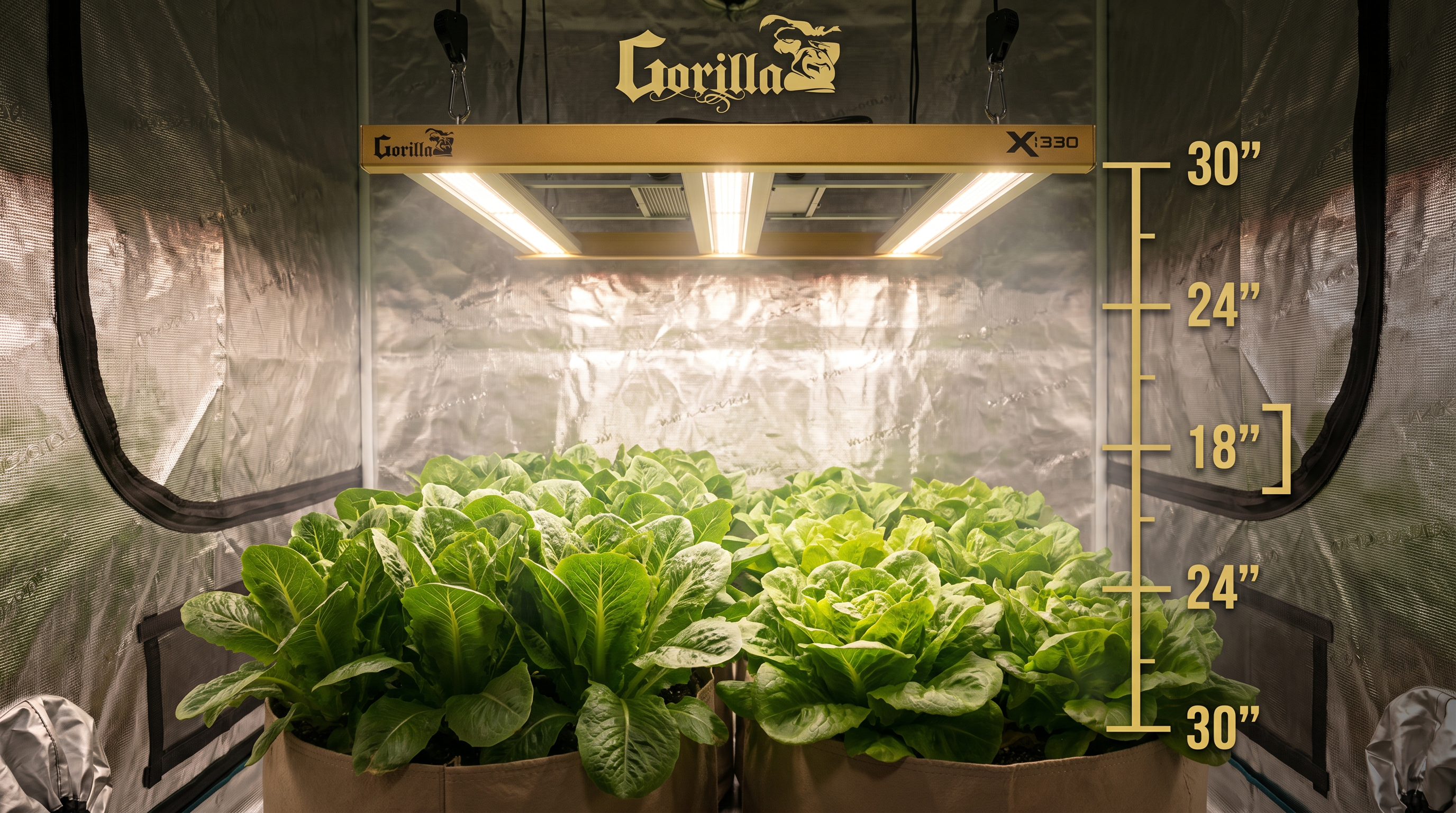
- LED lights: 12-24 inches from canopy
- HID lights: 18-36 inches from canopy
- Fluorescent lights: 6-12 inches from canopy
The Solution: Invest in quality grow lights with adjustable height capabilities. Gorilla's extension kits allow you to increase tent height up to 10 feet, providing perfect flexibility for light positioning.
Monitor your plants daily for signs of light stress and adjust accordingly. Use a light meter or smartphone app to measure PPFD levels at the canopy.
6. Nutrient Problems (Deficiencies and Toxicities)
The Problem: Plants need the right balance of nutrients at different growth stages. Too much or too little can cause yellowing, browning, stunted growth, or even plant death.
Common Nutrient Issues:
- Nitrogen deficiency (yellowing older leaves)
- Phosphorus deficiency (purple stems, dark leaves)
- Potassium deficiency (brown leaf edges)
- Nutrient burn (brown, crispy leaf tips)
- pH lockout (nutrients unavailable despite presence)
The Solution:
- Test your water and nutrient solution pH regularly
- Maintain pH between 6.0-7.0 for soil, 5.5-6.5 for hydroponic systems
- Start with 1/4 strength nutrients and increase gradually
- Keep detailed feeding logs
- Flush with plain water if nutrient burn occurs
pH Management Tips:
- Use pH testing solutions or digital meters
- Adjust with pH up or down solutions
- Check pH after adding nutrients
- Allow solution to stabilize for 15 minutes before final testing
7. Watering Problems (Over and Under-watering)
The Problem: More indoor plants die from watering issues than any other cause. Both overwatering and underwatering stress plants and create conditions for disease.
Signs of Overwatering:
- Yellowing leaves starting from bottom
- Musty smell from soil
- Fungus gnats around plants
- Soft, brown roots
- Soil that stays wet for days
Signs of Underwatering:
- Wilting despite moist soil
- Dry, crispy leaf edges
- Slow growth
- Soil pulling away from container sides
The Solution:
- Water when the top inch of soil feels dry
- Ensure containers have proper drainage holes
- Use well-draining soil mixes
- Water thoroughly but less frequently
- Consider automatic watering systems for consistency
8. Plant Training and Space Management Issues
The Problem: Indoor growing spaces have limited height and area. Without proper plant training, you'll end up with uneven canopies, light burn, and reduced yields.
Common Space Problems:
- Plants growing too tall for available space
- Uneven canopy height
- Poor light penetration to lower branches
- Overcrowding leading to poor air circulation
Training Techniques:
- Low Stress Training (LST) - bending and tying branches
- Screen of Green (SCROG) - using nets to control height
- Topping - removing the main growing tip
- Pruning - removing unnecessary lower growth
The Solution: Plan your space management from the beginning. Gorilla's grow tent accessories include heavy-duty net trellis systems perfect for SCROG training. The adjustable height feature allows you to accommodate different training methods.
Start training early in the vegetative stage when plants are most flexible and responsive to manipulation.
9. Environmental Monitoring and Consistency Issues
The Problem: Indoor environments can fluctuate rapidly, but plants prefer stable conditions. Without proper monitoring, problems develop before you notice them.
Critical Parameters to Monitor:
- Temperature (day and night)
- Humidity levels
- pH of water and nutrient solutions
- Light intensity and photoperiod
- Air circulation and exchange
The Solution: Invest in quality monitoring equipment:
- Digital thermometer/hygrometer combos
- pH meters and testing solutions
- Light meters for PPFD measurements
- Timer systems for consistent photoperiods
Set up alerts or check your growing space at the same time each day. Consistency is key to preventing most environmental problems.
For advanced growers, Gorilla's GXi smart growing systems offer automated environmental control through smartphone apps.
10. Equipment Failure and Setup Problems
The Problem: Indoor growing relies heavily on equipment. When fans fail, lights burn out, or timers malfunction, your plants suffer quickly.
Common Equipment Issues:
- Fan failures leading to overheating
- Light timer malfunctions disrupting photoperiods
- Filter clogs reducing air quality
- Pump failures in hydroponic systems
Prevention Strategies:
- Invest in quality equipment from reputable brands
- Keep spare parts for critical components
- Regular maintenance and cleaning schedules
- Backup power solutions for essential equipment
The Solution: Choose reliable equipment built for continuous operation. Gorilla Grow Tents are built with heavy-duty 1680D canvas and frames that support up to 300 pounds, ensuring your setup remains stable and secure.
Develop a maintenance schedule and stick to it. Clean fans monthly, replace filters as recommended, and calibrate monitoring equipment regularly.
FAQ: Common Indoor Growing Problem Solutions
How often should I check my plants for problems?
Daily visual inspections are ideal, with weekly detailed examinations of leaves, stems, and soil conditions. Early detection makes most problems much easier to fix.
What's the most important factor for preventing indoor growing problems?
Proper ventilation and air circulation prevent more problems than any other single factor. Good airflow prevents mold, regulates temperature, and strengthens plants.
How do I know if my grow tent setup is working properly?
Monitor temperature (staying within 70-80°F during lights on), humidity (50-60% for most stages), and plant health indicators like strong stems and vibrant leaf color.
What should I do if multiple problems appear at once?
Address the most critical issue first - usually environmental factors like temperature or ventilation. Fix one problem completely before moving to the next to avoid overwhelming your plants.
How can I prevent most indoor growing problems?
Invest in quality equipment, maintain consistent environmental conditions, keep detailed growing logs, and learn to read your plants' signals early.
Key Takeaways
Indoor growing success comes down to maintaining stable environmental conditions and catching problems early. The most common issues - poor ventilation, temperature swings, humidity problems, pests, and lighting issues - are all preventable with proper setup and monitoring.
Remember these essential points: Start with quality equipment that can handle continuous operation, monitor your environment daily, and address small problems before they become major issues. Professional-grade grow tents and proper ventilation systems form the foundation of successful indoor growing.
Ready to Solve Your Indoor Growing Problems?
Don't let common growing problems limit your harvest potential. Gorilla Grow Tent's complete growing systems include everything you need to create the perfect growing environment and avoid these common pitfalls.
From professional ventilation solutions to humidity control guides, we provide the tools and knowledge you need for growing success. Start building your problem-free indoor garden today and enjoy consistent, healthy harvests year-round.