Best LED Grow Lights for Starting Seeds 2025: Complete Seedling Guide
Starting seeds indoors with the best LED grow lights for starting seeds has revolutionized home gardening, enabling growers to achieve professional-quality seedlings that develop into robust, productive plants. Modern LED technology provides the precise spectrum control, gentle heat output, and energy efficiency that makes it ideal for the delicate early stages of plant development. Unlike harsh traditional lighting that can stress tender seedlings, today's advanced LED systems deliver the perfect balance of intensity and spectrum that promotes compact, healthy growth while preventing the leggy, weak development that plagues windowsill gardening.

The difference between success and disappointment in seed starting often comes down to lighting quality. Poor lighting leads to stretched, weak seedlings that struggle to survive transplanting and never reach their full potential. Quality LED grow lights transform seed starting from a hit-or-miss endeavor into a reliable system that produces consistently excellent results year after year.
Understanding LED Technology for Seedling Success
Why LEDs Excel for Seed Starting Applications
The best LED grow lights for starting seeds provide several critical advantages over traditional lighting methods. LED technology enables precise spectrum control that delivers exactly the wavelengths seedlings need while avoiding harmful heat generation that can stress delicate tissues. Unlike fluorescent fixtures that degrade quickly and produce uneven coverage, quality LEDs maintain consistent output throughout their extended lifespans.
Seedlings require specific light conditions that differ significantly from mature plant needs. They need gentle introduction to photosynthetic processes without the intensity that benefits established plants. LED systems excel at providing this graduated approach through dimmable controls and adjustable mounting systems that adapt as seedlings develop.
PPFD Requirements for Different Seedling Stages
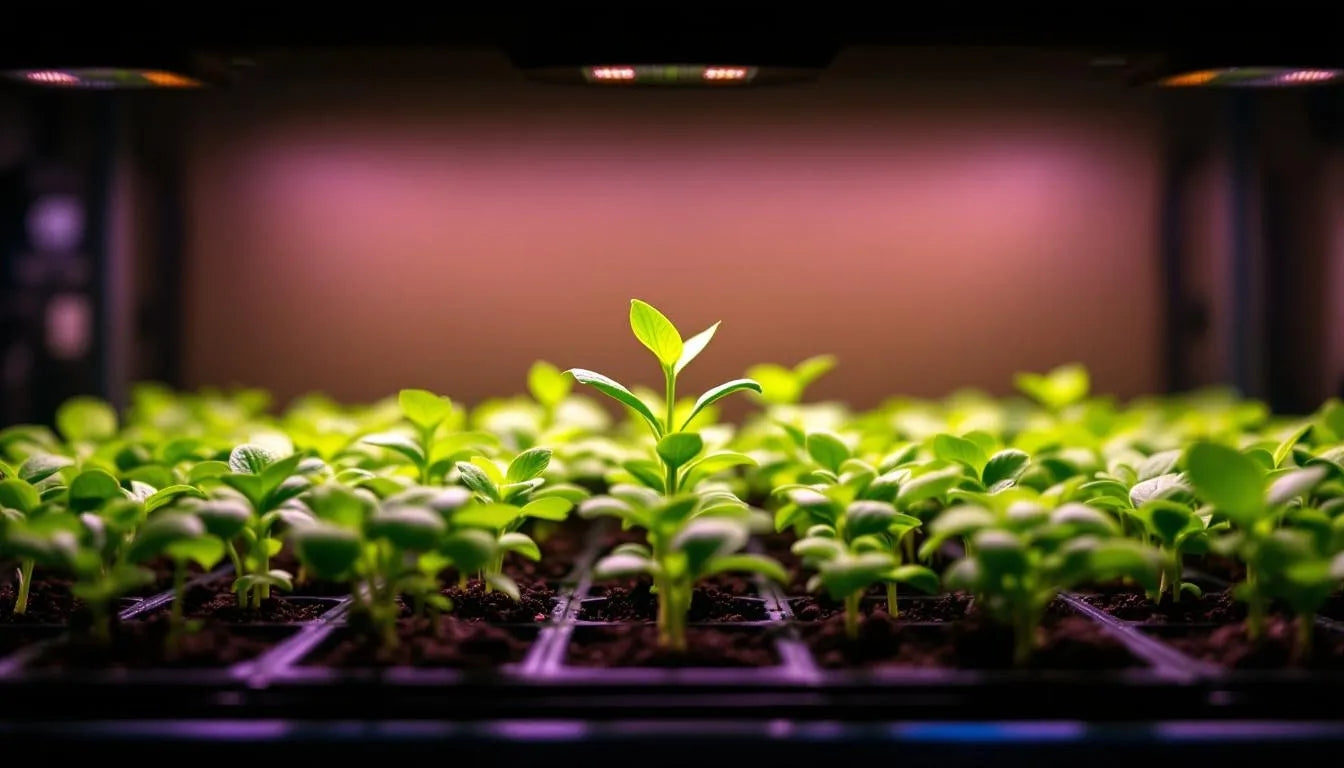
Understanding Photosynthetic Photon Flux Density (PPFD) requirements for seedlings ensures optimal development without stress or damage. During initial germination phases, most seeds don't require direct light exposure, but once cotyledons emerge, seedlings need gentle light introduction at 50-150 µmol/m²/s. As true leaves develop, PPFD requirements increase to 150-300 µmol/m²/s to support photosynthesis while preventing stretching.
The Gorilla Xi220 LED Grow Light provides exceptional control for small-scale seedling operations, offering precise spectrum control and adjustable intensity perfect for delicate young plants. Its tri-channel spectrum control enables optimal blue light emphasis during early development while providing balanced growth conditions.
Top LED Categories for Seed Starting
Compact Desktop Systems for Small-Scale Growing
Home gardeners starting moderate quantities of seeds benefit from compact, desktop-friendly LED systems that provide adequate coverage without overwhelming small spaces. These systems typically feature adjustable mounting arms, built-in timers, and full spectrum output suitable for various seedling types.
Quality compact systems incorporate high-efficiency LEDs that provide sufficient intensity for healthy seedling development while maintaining cool operation that prevents heat stress. Many include convenient features like automatic timers and dimming controls that simplify daily management.
Professional Seedling Systems for Serious Growers
Dedicated seed starting operations require more robust lighting solutions capable of supporting extensive seedling production. Professional systems like the Gorilla Xi330 LED Grow Light offer superior coverage, advanced spectrum control, and intelligent automation features that optimize growing conditions for maximum germination rates and seedling quality.
These advanced systems feature wireless connectivity, automated environmental responses, and precision spectrum tuning that ensures consistent results across large seedling batches. Professional growers particularly value the ability to create custom lighting schedules optimized for specific plant varieties and growing objectives.
Budget-Friendly Options for Beginning Gardeners
New gardeners can access effective LED technology without significant investment through carefully selected entry-level options. Modern manufacturing has made basic full spectrum LEDs surprisingly affordable while maintaining effectiveness for common vegetables, herbs, and flower seedlings.
Budget systems may lack advanced automation features but provide essential spectrum quality and adequate intensity for successful seed starting. Many include basic timers and adjustable mounting that enable effective seedling production while learning fundamental growing techniques.
Essential Features for Seedling LED Systems
Spectrum Optimization for Early Development
The most effective LED grow lights for starting seeds emphasize blue wavelengths (400-500nm) that promote compact growth, strong stem development, and healthy leaf formation. Blue light prevents the stretching that occurs under inadequate lighting while encouraging robust root system development essential for transplant success.
Quality seedling LEDs provide balanced spectrum output that includes sufficient red wavelengths to support photosynthetic efficiency without encouraging excessive stem elongation. Advanced systems offer spectrum adjustment capabilities that enable optimization for specific seedling varieties and development stages.
Heat Management and Safety Considerations
Superior heat management distinguishes quality LED systems from budget alternatives, enabling close positioning without risk of heat stress or tissue damage. Advanced heat sink designs and passive cooling systems maintain optimal operating temperatures while ensuring consistent performance throughout extended growing periods.
Safe operation requires proper electrical design, stable mounting systems, and appropriate positioning guidelines that prevent accidents while maximizing growing effectiveness. Quality manufacturers provide clear installation instructions and safety recommendations that ensure trouble-free operation.
Adjustability and Growth Accommodation
Effective seedling systems provide easy height adjustment that accommodates rapid growth from emergence through transplant readiness. Quality mounting hardware enables precise positioning changes that maintain optimal light distance as seedlings develop, preventing both insufficient illumination and excessive intensity.
Professional systems often include automated height adjustment or sophisticated controls that modify intensity based on growth stage, eliminating manual monitoring while ensuring optimal conditions throughout development cycles.
Positioning and Installation Best Practices
Optimal Distance and Height Management
Proper LED positioning for seedlings requires closer placement than mature plants, typically 6-12 inches above emerging seedlings depending on light intensity and efficiency. Monitor seedling response closely, adjusting height based on growth patterns and any signs of light stress or insufficient illumination.
Start with manufacturer recommendations and fine-tune positioning based on plant response. Compact, stocky growth indicates proper positioning, while stretched, leggy development suggests insufficient light or excessive distance.
Coverage Planning and Seedling Density
Calculate coverage requirements based on seedling tray dimensions and plant spacing, ensuring adequate light distribution across all growing areas. The Gorilla Xi420 LED Grow Light provides superior light distribution across 2x4 to 3x4 areas, ensuring uniform seedling development without hot spots or shadowed zones.
Consider seedling growth patterns when planning coverage, allowing adequate space for mature seedling size while maximizing growing efficiency. Overcrowded conditions reduce air circulation and increase disease risk regardless of lighting quality.
Spectrum Requirements for Different Seed Types
Vegetable Seedlings and Herbs
Common vegetable seedlings like tomatoes, peppers, lettuce, and herbs thrive under blue-heavy spectrums that promote compact, sturdy growth essential for successful transplanting. These plants benefit from 14-16 hour photoperiods with gradually increasing intensity as true leaves develop.
Herb seedlings often require slightly lower intensity than vegetables but benefit from consistent spectrum quality that promotes essential oil development and robust flavor profiles. Mediterranean herbs particularly respond well to balanced full spectrum lighting.
Flower Seedlings and Ornamentals
Flowering plant seedlings require careful spectrum management that promotes vegetative development without triggering premature flowering responses. Most benefit from blue-emphasized spectrums during early development with gradual introduction of red wavelengths as transplant time approaches.
Ornamental seedlings often have more varied light requirements based on their intended growing conditions, with sun-loving varieties requiring higher intensity than shade-tolerant species. Research specific variety requirements for optimal results.
Starting Seeds for Different Growing Destinations
Seedlings destined for outdoor growing require hardening preparation that includes gradual spectrum adjustment and intensity increases that prepare plants for natural sunlight conditions. Indoor-grown seedlings need consistent spectrum maintenance throughout their development cycles.
Consider final growing conditions when selecting LED systems and developing growing protocols, ensuring seedlings receive appropriate preparation for their ultimate destinations.
Environmental Integration and Control
Temperature and Humidity Coordination
Effective seedling production requires coordinated environmental management where lighting, temperature, and humidity work together to create optimal growing conditions. LED systems with minimal heat output enable precise temperature control that benefits delicate seedling development.
Maintain growing temperatures between 65-75°F with relative humidity levels of 60-70% during early development stages. Quality LED systems contribute to stable environmental conditions through consistent, cool operation.
Automation and Smart Controls
Advanced LED systems increasingly incorporate smart controls that automate lighting schedules, adjust intensity based on growth stage, and integrate with environmental sensors for comprehensive growing management. These features particularly benefit seed starting operations where consistency directly impacts germination rates and seedling quality.
Consider automation capabilities when selecting LED systems, especially for larger operations where manual management becomes impractical. Smart features can significantly improve results while reducing labor requirements.
Troubleshooting Common Seedling Issues
Preventing Leggy Growth and Stretching
Leggy, stretched seedlings indicate insufficient light intensity or excessive distance from light sources. Address this immediately by reducing light distance, increasing intensity, or extending photoperiods to provide adequate photosynthetic support.
Prevention requires proper initial positioning and regular monitoring of seedling development patterns. Quality LED systems with adjustable intensity help maintain optimal conditions as seedlings develop.
Managing Light Stress and Burn
Excessive light intensity can stress seedlings, causing leaf bleaching, curling, or burning that permanently damages development potential. Monitor seedlings closely for stress signs and adjust positioning or intensity immediately when symptoms appear.
Start conservatively with new LED systems, gradually increasing intensity as you observe seedling responses and gain experience with your specific setup and plant varieties.
Energy Efficiency and Operating Economics
Cost Analysis for Seed Starting Operations
LED grow lights offer exceptional energy efficiency for seed starting applications, typically consuming 60-80% less electricity than traditional fluorescent systems while providing superior growing results. Calculate total operating costs including purchase price, energy consumption, and expected lifespan when comparing options.
Seed starting operations typically run lights 14-16 hours daily for 6-12 weeks, making energy efficiency particularly important for keeping costs reasonable while achieving excellent results.
Return on Investment Through Better Seedlings
Quality LED lighting typically pays for itself through improved germination rates, stronger seedlings, and reduced plant losses during transplanting. Professional-quality seedlings often perform significantly better in final growing locations, justifying lighting investments through improved harvest outcomes.
Consider the value of seedling quality when evaluating LED investments, as superior early development often translates to dramatically better final results.
Advanced Techniques and Professional Tips
Spectrum Timing and Development Stages
Advanced growers utilize spectrum timing that adjusts wavelength emphasis throughout seedling development cycles. Begin with blue-heavy spectrums during emergence and early development, gradually introducing more balanced full spectrum output as transplant time approaches.
This graduated approach mimics natural seasonal light changes while preparing seedlings for their ultimate growing conditions, whether indoor or outdoor environments.
Scaling Operations and Expansion Planning
Successful seed starting operations often expand as gardeners gain experience and confidence. Consider scalable LED systems that accommodate growth through modular designs, daisy-chain connectivity, or compatible expansion components.
The Gorilla Xi LED Series offers comprehensive solutions that scale from small hobby operations to professional growing systems, providing upgrade paths that protect initial investments while enabling expansion.
Making Your Final Selection
Choosing the best LED grow lights for starting seeds requires careful consideration of your specific growing objectives, space constraints, plant varieties, and budget parameters. The Gorilla Xi Series represents the current pinnacle of seedling lighting technology, offering unmatched spectrum control, intelligent automation, and proven reliability that delivers consistent professional results.

Consider your long-term gardening goals when making LED investments, as quality systems provide years of reliable service while offering advanced features that grow with your interests and expertise. The superior efficiency, spectrum quality, and automation capabilities of premium systems typically justify their investment through improved seedling success, reduced energy costs, and simplified growing management.
Remember that seed starting represents the foundation of successful gardening – investing in quality LED grow lights ensures your seedlings receive the optimal conditions necessary for developing into strong, productive plants that reach their full genetic potential throughout their entire growing cycle.