Best Place to Put Temp Probe in a Grow Tent - Optimal Placement
As an avid indoor gardener, you know that creating the right environment for your plants is crucial to their health and growth. One of the key factors in this equation is temperature control, and the placement of your temperature probe can make all the difference. In this comprehensive guide, we'll explore the best practices for positioning your temperature probe within your Gorilla Grow Tent to ensure optimal performance and maximize your growing success.
Understanding the Importance of Temperature Monitoring
Maintaining the correct temperature range is essential for the well-being of your plants. Whether you're growing vegetables, herbs, or exotic flora, each species has its own unique temperature requirements. Deviations from the ideal range can lead to a host of issues, from stunted growth and reduced yields to the development of pests and diseases.
By strategically placing your temperature probe, you can gain a precise understanding of the conditions within your Gorilla Grow Tent, allowing you to make informed adjustments to your climate control system. This not only helps your plants thrive but also ensures the efficiency of your grow setup, minimizing energy consumption and maximizing your returns.
Factors to Consider When Positioning Your Temperature Probe
When it comes to finding the perfect spot for your temperature probe, there are several key factors to keep in mind:
1. Airflow Patterns
The airflow within your Gorilla Grow Tent plays a crucial role in temperature distribution. Identify the areas with the most consistent and even airflow, as these are the ideal locations for your temperature probe. Avoid placing the probe in stagnant or turbulent zones, as these can skew your readings.
2. Proximity to Heat Sources
Be mindful of the placement of your temperature probe in relation to any heat-generating equipment, such as grow lights, fans, or dehumidifiers. Placing the probe too close to these sources can result in inaccurate readings, leading to suboptimal temperature control.
3. Canopy Height
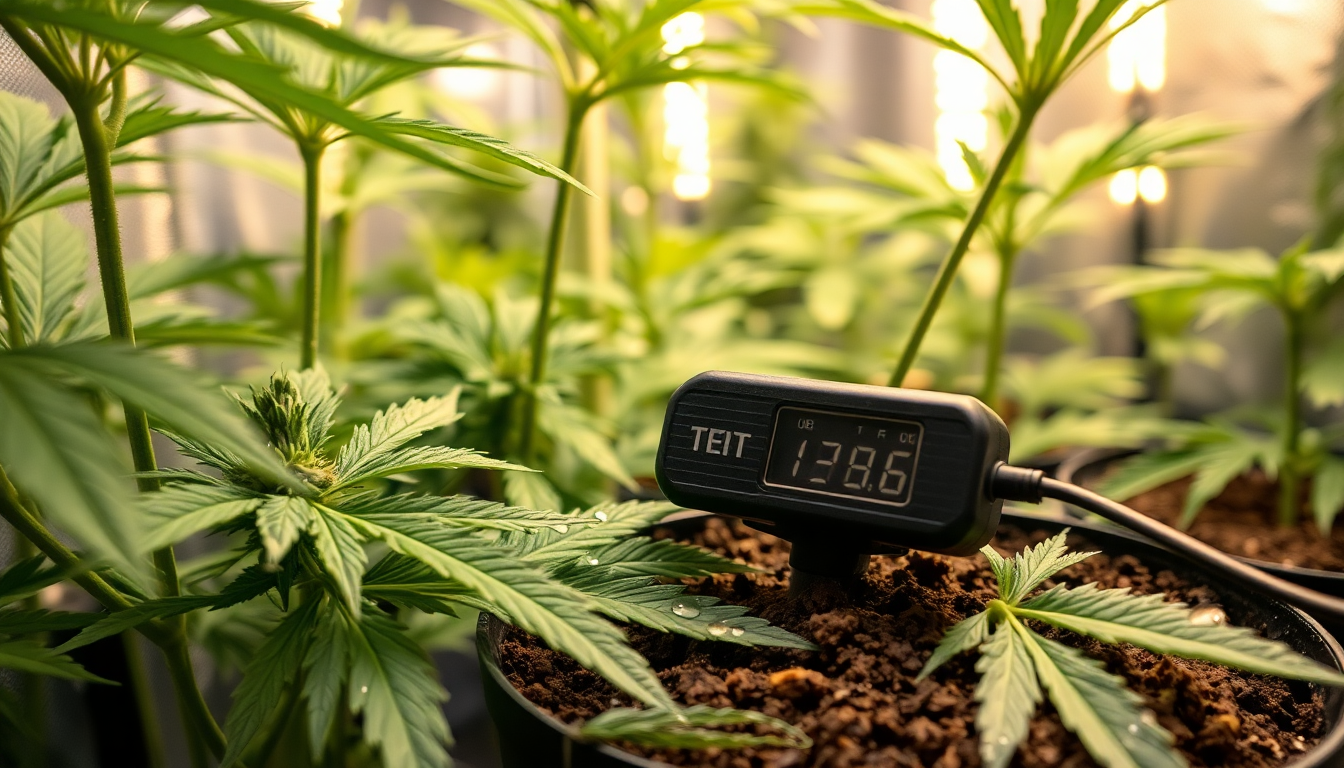
The height of your plant canopy can also influence the temperature distribution within your Gorilla Grow Tent. Positioning the probe at the appropriate level, typically just above the canopy, will provide the most representative temperature reading for your plants.
4. Sensor Placement
Ensure that your temperature probe is positioned in a way that allows for accurate and consistent readings. Avoid placing the sensor directly on the tent fabric or in contact with any surfaces, as this can affect the measurements.
5. Accessibility and Monitoring
Consider the ease of access to your temperature probe, as you'll need to regularly check and monitor the readings. Placing the probe in a convenient and visible location will simplify the process and help you stay on top of your grow tent's environmental conditions.
Optimal Temperature Probe Placement Strategies
Now that you understand the key factors to consider, let's explore some effective strategies for positioning your temperature probe within your Gorilla Grow Tent:
Centralized Placement
One of the most common and effective approaches is to place the temperature probe in the center of your Gorilla Grow Tent, at the approximate height of your plant canopy. This location typically experiences the most consistent airflow and temperature distribution, providing a reliable representation of the overall conditions.
Vertical Positioning
If you have a multi-tiered grow setup, consider placing temperature probes at different heights within your Gorilla Grow Tent. This will allow you to monitor the temperature variations throughout the vertical space, helping you identify any hot or cold spots and make the necessary adjustments.
Zonal Monitoring
For larger grow tents or complex setups, you may want to consider using multiple temperature probes strategically placed in different zones. This will give you a more comprehensive understanding of the temperature dynamics within your Gorilla Grow Tent, enabling you to fine-tune your climate control system and ensure optimal conditions for all your plants.
Portable Probe Placement
Some growers prefer to use a portable temperature probe that can be easily moved around the Gorilla Grow Tent. This allows you to take spot measurements in various locations, helping you identify any temperature fluctuations or problem areas that may require attention.
Maintaining Optimal Temperature Conditions
Once you've determined the ideal placement for your temperature probe, it's essential to regularly monitor and adjust your grow tent's climate control system to maintain the optimal temperature range for your plants. This may involve fine-tuning your HVAC equipment, adjusting the positioning of your grow lights, or implementing additional cooling or heating solutions.
Remember, the specific temperature requirements can vary depending on the plant species, growth stage, and other environmental factors. Consult reliable resources or seek guidance from experienced growers to ensure you're providing the best possible conditions for your indoor garden.
By following these best practices for temperature probe placement within your Gorilla Grow Tent, you'll be well on your way to creating a thriving, productive, and energy-efficient indoor growing environment. Happy gardening!
Conclusion
Mastering the art of temperature monitoring is a crucial aspect of successful indoor gardening. By strategically positioning your temperature probe within your Gorilla Grow Tent, you can gain valuable insights into the environmental conditions, allowing you to make informed decisions and optimize your grow setup for maximum productivity and plant health.
Remember, the key to finding the perfect spot for your temperature probe lies in understanding the airflow patterns, heat sources, canopy height, sensor placement, and accessibility within your Gorilla Grow Tent. By considering these factors and implementing the strategies outlined in this guide, you'll be well on your way to achieving the perfect temperature balance for your indoor garden.
Embrace the power of precise temperature monitoring, and watch your plants thrive under your expert care. Happy growing!