Can LED Lights Help Plants Grow? The Ultimate Guide
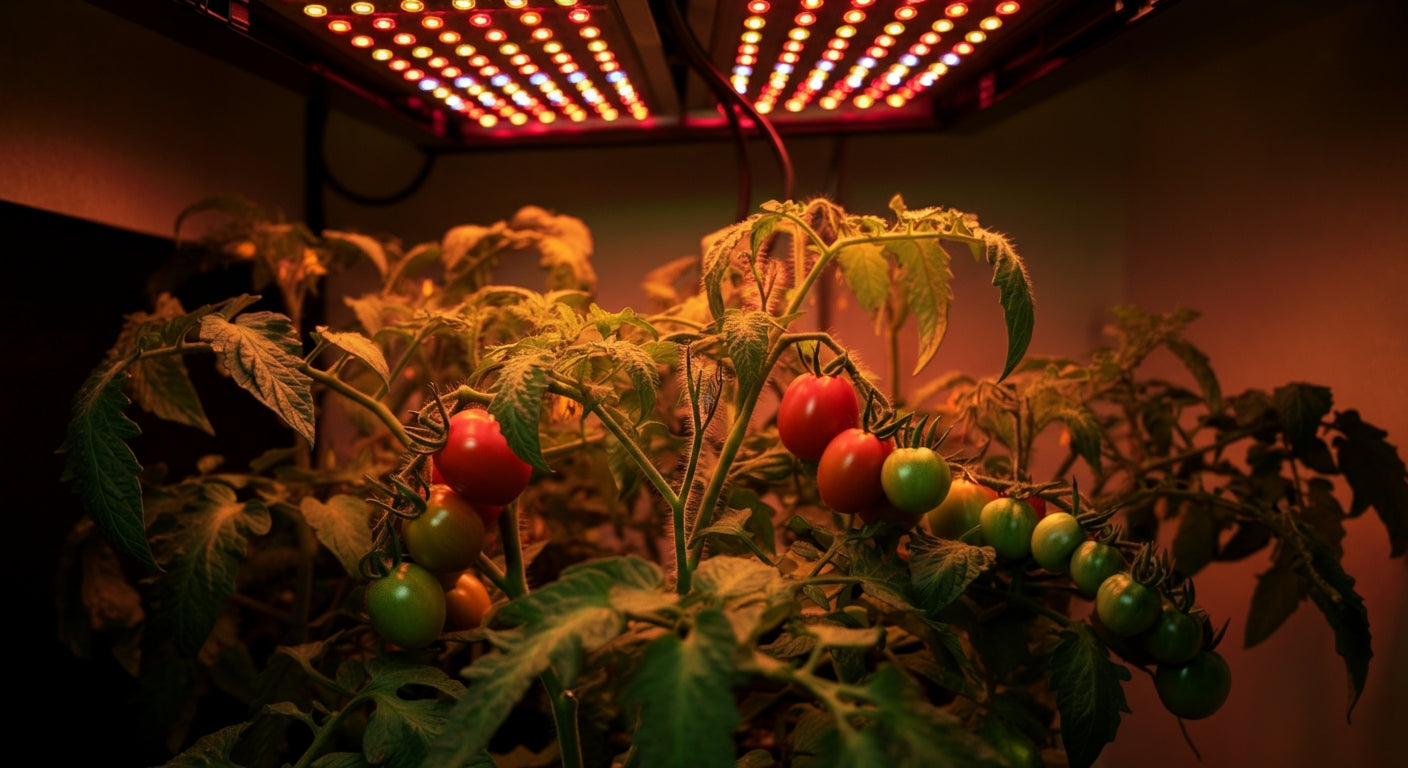
As indoor and greenhouse gardening becomes more popular, many growers ask: Do LED lights help plants grow? The answer is a definitive yes—when used correctly, LED grow lights provide the full-spectrum light needed for photosynthesis, promoting healthy plant growth, faster development, and higher yields.
In this guide, we’ll explore:
- How LED lights help plants grow
- The benefits of LED grow lights over traditional lighting
- The best LED grow lights for different plants
- How to choose the right LED grow light for your setup
Let’s dive into the science of LED grow lights and plant growth!
How Do Plants Use Light to Grow?
Plants rely on photosynthesis to convert light into energy, using chlorophyll to absorb specific wavelengths of light. The quality, intensity, and duration of light directly impact a plant’s:
🌱 Seedling development – Strong roots and stems
🌿 Vegetative growth – Lush leaves and branches
🌺 Flowering and fruiting – Bigger yields and denser buds
Plants primarily absorb light in the blue (400-500 nm) and red (600-700 nm) spectrum, which makes LED grow lights highly effective since they can be customized to emit the exact light wavelengths plants need.
Do LED Lights Work for Plant Growth?
✅ YES! LED lights do help plants grow—when they provide the correct light spectrum and intensity.
Unlike regular household LED bulbs, LED grow lights are designed to:
✔ Emit full-spectrum light that mimics natural sunlight
✔ Provide high-intensity light for deep canopy penetration
✔ Operate with low heat output, preventing plant stress
If you’re growing vegetables, herbs, flowers, or plant indoors, using LED grow lights ensures optimal plant growth and maximum yields.
The Science Behind LED Grow Lights
1. Light Spectrum and Photosynthesis
Plants absorb different wavelengths of light for growth:
- Blue Light (400-500 nm) – Promotes strong leaves and stems
- Red Light (600-700 nm) – Stimulates flowering and fruiting
- Far-Red Light (700-750 nm) – Improves canopy penetration
- Full-Spectrum Light – The best choice for all growth stages
🔹 LED grow lights provide a customizable spectrum, ensuring plants get exactly what they need at every growth stage.
2. Light Intensity and Plant Growth
💡 PPFD (Photosynthetic Photon Flux Density) measures how much light reaches the plant.
- Low PPFD → Poor growth, stretched stems
- High PPFD → Fast growth, strong stems, high yields
LED grow lights deliver high PPFD without excessive heat, unlike HPS or fluorescent lights.
Why LED Grow Lights Are Better Than Traditional Grow Lights
✅ 1. Energy Efficiency
LEDs use 50-80% less electricity than HPS or fluorescent lights, reducing your power bill.
✅ 2. Long Lifespan
Most LED grow lights last 50,000+ hours, compared to just 1,000-2,000 hours for traditional bulbs.
✅ 3. Low Heat Output
HPS and fluorescent bulbs generate a lot of heat, which can burn plants. LEDs run cooler, keeping your grow space at an optimal temperature.
✅ 4. Customizable Light Spectrum
Many LED grow lights allow adjustments for different growth stages, ensuring maximum efficiency.
✅ 5. Environmental Benefits
LEDs contain no toxic chemicals and have a lower carbon footprint compared to fluorescent or HPS bulbs.
Best Types of LED Grow Lights for Plants
There are different LED grow lights suited for various plant types:
1. Full-Spectrum LED Grow Lights (Best Overall)
✅ Mimics natural sunlight for all growth stages
✅ Ideal for vegetables, herbs, plant, and flowers
2. COB LEDs (Chip-on-Board)
✅ High-intensity light for larger grow setups
✅ Provides deep canopy penetration
3. Quantum Board LEDs
✅ Energy-efficient and even light coverage
✅ Great for grow tents and greenhouses
4. Red & Blue LED Panels
✅ Budget-friendly option for seedlings and leafy greens
✅ Not ideal for flowering plants
How to Choose the Right LED Grow Light
1. Consider the Light Spectrum
- Seedlings & Vegetative Growth → More blue light
- Flowering & Fruiting → More red light
- All-in-One Growth → Full-spectrum LEDs
2. Check Wattage & PPFD Levels
- Small plants (herbs, lettuce) → 30-50W per square foot
- Larger plants (tomatoes, peppers) → 50-70W per square foot
- plant flowering → 60-100W per square foot
3. Look for Adjustable Features
- Dimmable settings for better light control
- Timer functions for automated light cycles
- Smart app controls for remote monitoring
Common LED Grow Light Mistakes & How to Avoid Them
🚫 Placing LEDs Too Far Away → Keep LEDs 12-24 inches above plants.
🚫 Using Household LEDs → Regular bulbs lack the right spectrum.
🚫 Ignoring Light Cycles → Stick to:
- Vegetative Stage → 18 hours on, 6 hours off
- Flowering Stage → 12 hours on, 12 hours off
FAQs About LED Grow Lights & Plant Growth
1. Can any LED light help plants grow?
🚫 No, standard household LEDs don’t provide the correct spectrum. Use full-spectrum LED grow lights for the best results.
2. How long should LED grow lights be on per day?
🌿 Vegetative Stage: 16-18 hours per day
🌺 Flowering Stage: 12 hours on, 12 hours off
3. What are the best plants to grow under LED lights?
🍓 Vegetables: Tomatoes, peppers, lettuce, cucumbers
🌿 Herbs: Basil, parsley, mint, cilantro
🌸 Flowers: Orchids, succulents, plant
4. Are LED grow lights safe?
💡 Yes! LEDs emit low heat and don’t produce harmful UV rays, making them safe for plants.
Final Verdict: Do LED Lights Help Plants Grow?
💡 Absolutely! LED grow lights provide the right spectrum, efficiency, and control for healthy plant growth and high yields.
Whether you're growing herbs, vegetables, flowers, or plant, LEDs are the best choice for indoor gardening!
🚀 Want the best LED grow lights? Choose a high-quality, full-spectrum LED for maximum results!