Do LED Lights Help Plants Grow? - Growth & Light Spectrum
In the ever-evolving world of indoor gardening, one technology has emerged as a game-changer: LED grow lights. As the demand for sustainable and efficient plant cultivation continues to rise, more and more gardeners are turning to these innovative lighting solutions to unlock the full potential of their indoor gardens.
In this comprehensive blog post, we'll delve into the fascinating world of LED grow lights, exploring their benefits, debunking common myths, and providing you with the knowledge to make informed decisions for your indoor gardening endeavors.
The Science Behind LED Grow Lights
At the heart of LED grow lights lies a remarkable technology that harnesses the power of light-emitting diodes (LEDs) to provide the optimal spectrum of light for plant growth. Unlike traditional grow lights, which often emit a broad and sometimes inefficient spectrum, LED grow lights are designed to target the specific wavelengths that plants thrive on.
The key to the success of LED grow lights lies in their ability to mimic the natural sunlight that plants would receive outdoors. By carefully selecting the wavelengths of light, LED grow lights can stimulate the various stages of plant growth, from seed germination to flowering and fruiting.
The Importance of Spectrum
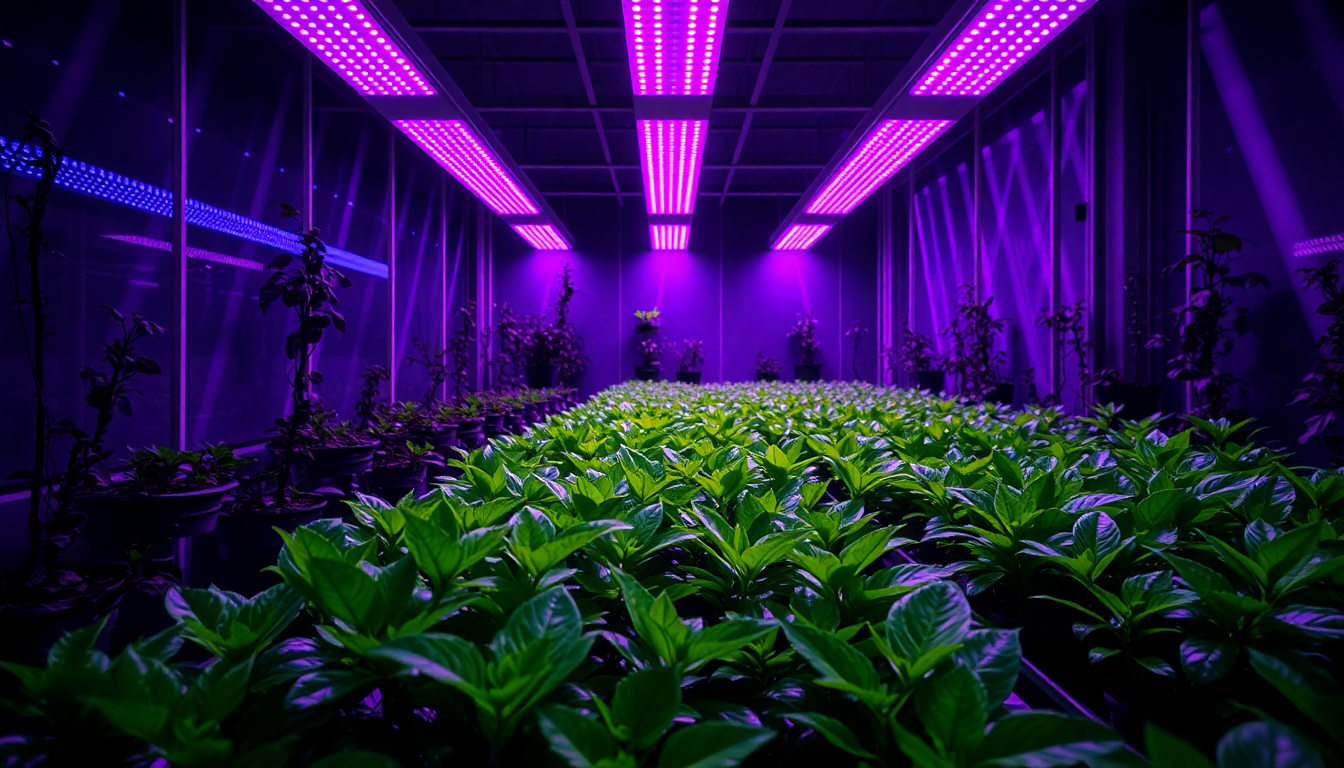
Plants have evolved to respond to specific wavelengths of light, and the spectrum of light they receive plays a crucial role in their development. LED grow lights are engineered to emit the ideal combination of red, blue, and sometimes even white or infrared light, ensuring that your plants receive the precise wavelengths they need to thrive.
Red light, for instance, is essential for promoting stem growth and flowering, while blue light is crucial for leaf development and overall plant structure. By carefully balancing these wavelengths, LED grow lights can create the perfect environment for your plants to reach their full potential.
Energy Efficiency and Cost-Savings
One of the standout features of LED grow lights is their exceptional energy efficiency. Compared to traditional grow lights, such as high-intensity discharge (HID) or fluorescent bulbs, LED grow lights consume significantly less power while delivering comparable, if not superior, results.
This energy efficiency translates to substantial cost savings on your electricity bills, making LED grow lights a smart and sustainable choice for indoor gardeners. Additionally, LED grow lights have a longer lifespan, reducing the need for frequent replacements and further contributing to their cost-effectiveness.
Debunking the Myths
As with any new technology, there are often misconceptions and myths surrounding LED grow lights. Let's take a moment to address some of the most common concerns and set the record straight.
Myth: LED Grow Lights Don't Provide Enough Light
This is a common misconception, but the truth is that modern LED grow lights are designed to deliver the same, if not more, light intensity as traditional grow lights. With advancements in LED technology, these lights can now match or even surpass the light output of HID or fluorescent systems, ensuring your plants receive the necessary illumination for optimal growth.
Myth: LED Grow Lights Are Expensive
While it's true that the initial investment in LED grow lights may be higher than some traditional options, the long-term cost savings make them a wise investment. The energy efficiency and extended lifespan of LED grow lights offset the initial price tag, resulting in significant savings over time.
Myth: LED Grow Lights Don't Work for All Plants
This is simply not true. LED grow lights are versatile and can be used to cultivate a wide range of plants, from leafy greens and herbs to flowering plants and even some fruiting varieties. The key is to choose the right LED grow light system that is tailored to the specific needs of your plants.
Choosing the Right LED Grow Light
Selecting the right LED grow light for your indoor garden can be a daunting task, but with the right information, you can make an informed decision that will set your plants up for success.
Factors to Consider
When choosing an LED grow light, consider factors such as the size of your growing area, the specific plant species you're cultivating, and the desired light intensity and spectrum. It's also important to look for features like adjustable light intensity, customizable spectrum, and energy efficiency to ensure you're getting the most out of your investment.
Reputable Brands and Quality
Not all LED grow lights are created equal, so it's essential to do your research and choose a reputable brand that is known for producing high-quality, reliable products. Look for brands that have a proven track record of delivering exceptional results and stand behind their products with comprehensive warranties.
Unlocking the Full Potential of Your Indoor Garden
By embracing the power of LED grow lights, you can unlock the full potential of your indoor garden and take your plant cultivation to new heights. Whether you're growing leafy greens, herbs, or even fruiting plants, LED grow lights can provide the perfect lighting solution to help your plants thrive.
Remember, the key to success lies in understanding the science behind LED grow lights, debunking the myths, and choosing the right system for your specific needs. With the right LED grow light setup, you can create a thriving indoor oasis that will bring you joy and bountiful harvests for years to come.
So, what are you waiting for? Dive into the world of LED grow lights and revolutionize your indoor gardening experience today!
Additional Resources
- The Science of LED Grow Lights: Understanding the Spectrum
- Energy-Efficient Indoor Gardening: The Benefits of LED Grow Lights
- Choosing the Right LED Grow Light for Your Indoor Garden