Skip to content

Cart

Your cart is empty

Article: Do You Need a Grow Tent to Grow Indoors?

Do You Need a Grow Tent to Grow Indoors?

Do You Need a Grow Tent to Grow Indoors?

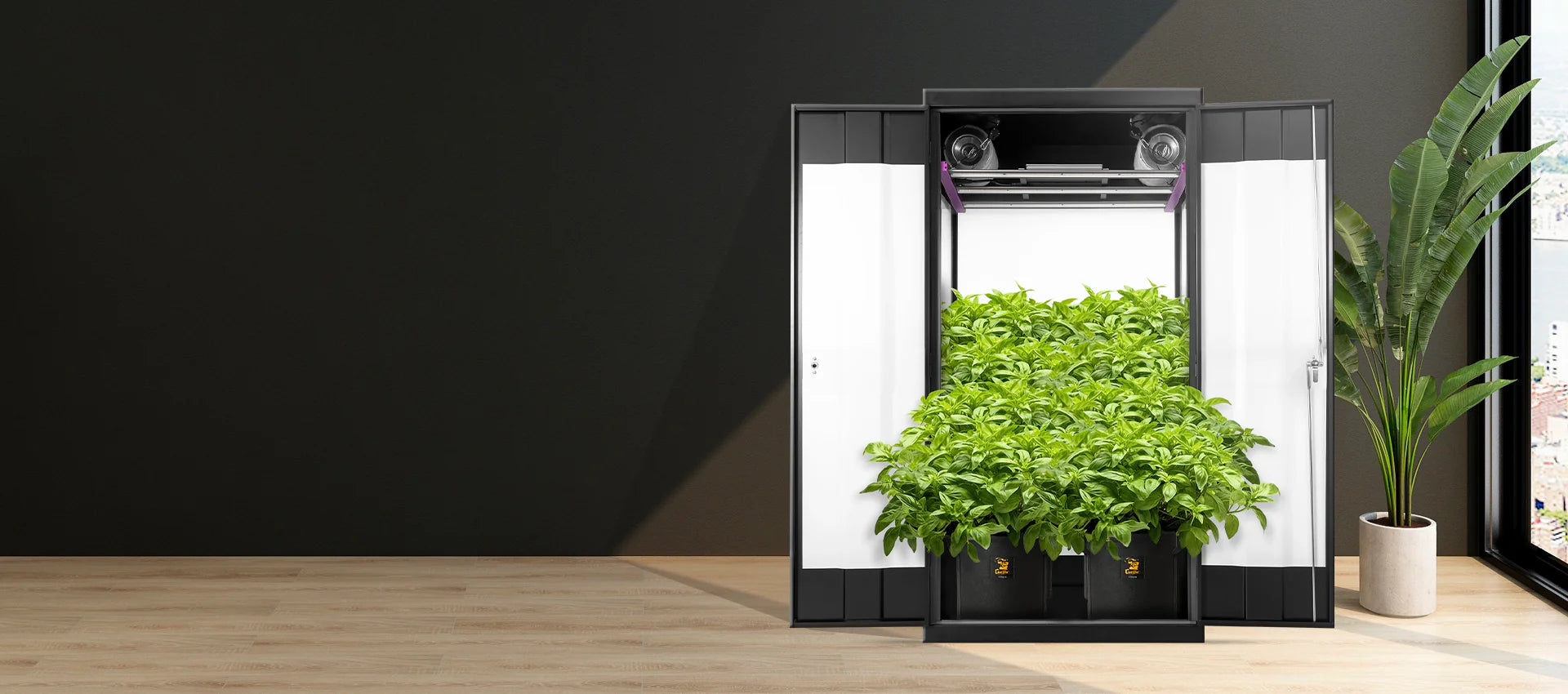
Indoor gardening has become increasingly popular, but many growers wonder: Do you need a grow tent to grow indoors? While it’s possible to grow plants without one, a Gorilla Grow Tent offers significant advantages that improve plant health, growth, and yields.

Why Consider Using a Grow Tent?

Grow tents provide a controlled environment that enhances plant growth by optimizing light, temperature, humidity, and air circulation. Here’s why you should consider using one:

  • Better Light Control – Reflective interiors maximize light efficiency.

  • Improved Climate Management – Maintains stable temperature and humidity.

  • Pest and Contaminant Protection – Keeps pests, dust, and mold at bay.

  • Odor and Noise Control – Helps contain strong plant aromas and reduce noise from fans and filters.

  • Energy Efficiency – Reduces light and heat loss for lower energy consumption.

Can You Grow Indoors Without a Grow Tent?

Yes, you can grow indoors without a grow tent, but it presents challenges such as:

  • Difficulty maintaining stable temperature and humidity.

  • Increased exposure to pests and contaminants.

  • Inefficient use of light, leading to weaker plant growth.

  • More effort required to manage airflow and odor control.

How a Gorilla Grow Tent Enhances Indoor Growing

Gorilla Grow Tent is the gold standard for grow tents, offering unmatched durability and functionality. Here’s how it enhances indoor growing:

1. Maximum Light Efficiency

  • Diamond Reflective Mylar boosts light reflection, increasing plant growth.

  • Thick fabric reduces light leaks for a consistent environment.

2. Superior Climate Control

  • 1680D thick canvas provides insulation for better humidity and temperature regulation.

  • Adjustable height extension allows more space for airflow and lighting options.

  • Multiple ventilation ports enable easy fan and duct setup.

3. Protection Against Pests and Contaminants

  • Heavy-duty zippers and reinforced seams keep pests and mold out.

  • Sealed design reduces the risk of contaminants affecting plants.

4. Odor and Noise Management

  • Thick walls minimize noise from ventilation systems.

  • Carbon filter compatibility helps reduce odors significantly.

Is a Grow Tent Necessary for Every Indoor Grower?

If you want full control over your grow environment with less maintenance and better efficiency, a grow tent is highly recommended. However, for casual growers with access to a dedicated grow room or greenhouse, it may not be essential.

While it’s possible to grow plants indoors without a grow tent, using one—especially a Gorilla Grow Tent—significantly enhances plant health, growth rates, and yields. From light optimization and climate control to pest prevention and odor management, a grow tent makes indoor growing easier and more effective.

For those looking to maximize their indoor gardening success, investing in a Gorilla Grow Tent is one of the best decisions you can make.
Read more

Growing Oyster Mushrooms: A Step-by-Step Guide

Growing Oyster Mushrooms: A Step-by-Step Guide

Why Grow Oyster Mushrooms? Oyster mushrooms are among the easiest and most rewarding mushrooms to grow at home. They are fast-growing, require minimal equipment, and can be cultivated indoors or ou...

Read more
How Many Plants Can Fit in a 3x3 Grow Tent?

How Many Plants Can Fit in a 3x3 Grow Tent?

  How Many Plants Can Fit in a 3x3 Grow Tent? A 3’x3’x6’11” Gorilla Grow Tent is a versatile option for indoor growers, but determining the ideal number of plants depends on factors like plant size...

Read more

Gorilla Grow Tent is positioned as a premium choice for indoor cultivation customers who prioritize long-term durability and maximum environmental control. The brand’s core value proposition centers on rugged build quality, highly reflective interior materials, and thoughtful usability details such as access points and ducting ports. A particularly compelling differentiator is the height extension capability, which allows growers to increase vertical space for larger plants and more advanced training setups. This “expandable ceiling” concept supports a clear premium narrative: one tent that can adapt as the grower’s skill level and canopy management needs evolve.

From a performance standpoint, Gorilla’s reflective interior is designed to help distribute light more evenly across the grow area, which can be especially attractive for LED users seeking consistent canopy coverage and fewer dead zones. Durability is another major purchase driver in this category, and Gorilla’s market perception is strongly tied to heavy-duty fabric and a robust frame construction aimed at long service life. For buyers who want the Gorilla experience at a lower entry price, the Lite Line series offers a more budget-friendly path while preserving the brand’s emphasis on practical design and indoor grow reliability.

A strong campaign concept for a four-week push is “Grow Taller, Harvest Smarter,” built around the idea that vertical flexibility directly translates into better training options, improved airflow management, and more efficient use of the grow footprint. The offer structure can be designed as a bundle-pairing the tent with an extension kit-supported by a limited-time incentive such as free shipping, a modest discount, or an added-value “starter add-on” option. The messaging should connect premium features to outcomes: expanded height enables more versatile trellising and plant training, the reflective interior supports better light utilization, and the heavy-duty build reduces the risk of replacement costs over time. Social proof can be layered into the offer with short testimonial snippets and before/after setup visuals that make the quality difference immediately legible.

The marketing strategy should be a hybrid of conversion-led performance and credibility-building content. On the conversion side, dedicated landing pages organized by popular dimensions (such as 4x4, 5x5, and larger formats) can capture high-intent search demand while making it easier for customers to self-select the right size. A clear comparison flow between the flagship line and Lite Line helps address price objections without diluting the premium story. Short-form video should do the heavy lifting for awareness and consideration, using rapid setup footage and a quick demonstration of the height extension to create an immediate hook in the first seconds. Search campaigns can target bottom-funnel keywords around size, durability, and “heavy-duty” intent, while retargeting reinforces the differentiators for visitors who browsed but did not purchase.

Finally, lifecycle marketing should focus on retention and upsell. A cart-abandon email sequence can progress from feature education to social proof to a time-bound incentive, while post-purchase automation can deliver a professional setup checklist and recommendations for complementary ventilation and environmental accessories. To compound trust, a user-generated content initiative-such as a monthly “Setup Showcase”-encourages customers to share their grow-room layouts and results, creating a steady stream of authentic assets that reduce friction for future buyers and strengthen brand authority.