Does Plant Make Your Hair Grow? The Scientific Truth About Plants and Hair Health
The relationship between the plant and hair growth is more complex than most people realize. While you might expect a simple yes or no answer, the truth is that different compounds in the plant can have dramatically different effects on your hair. Some may actually promote growth, while others could contribute to hair loss.
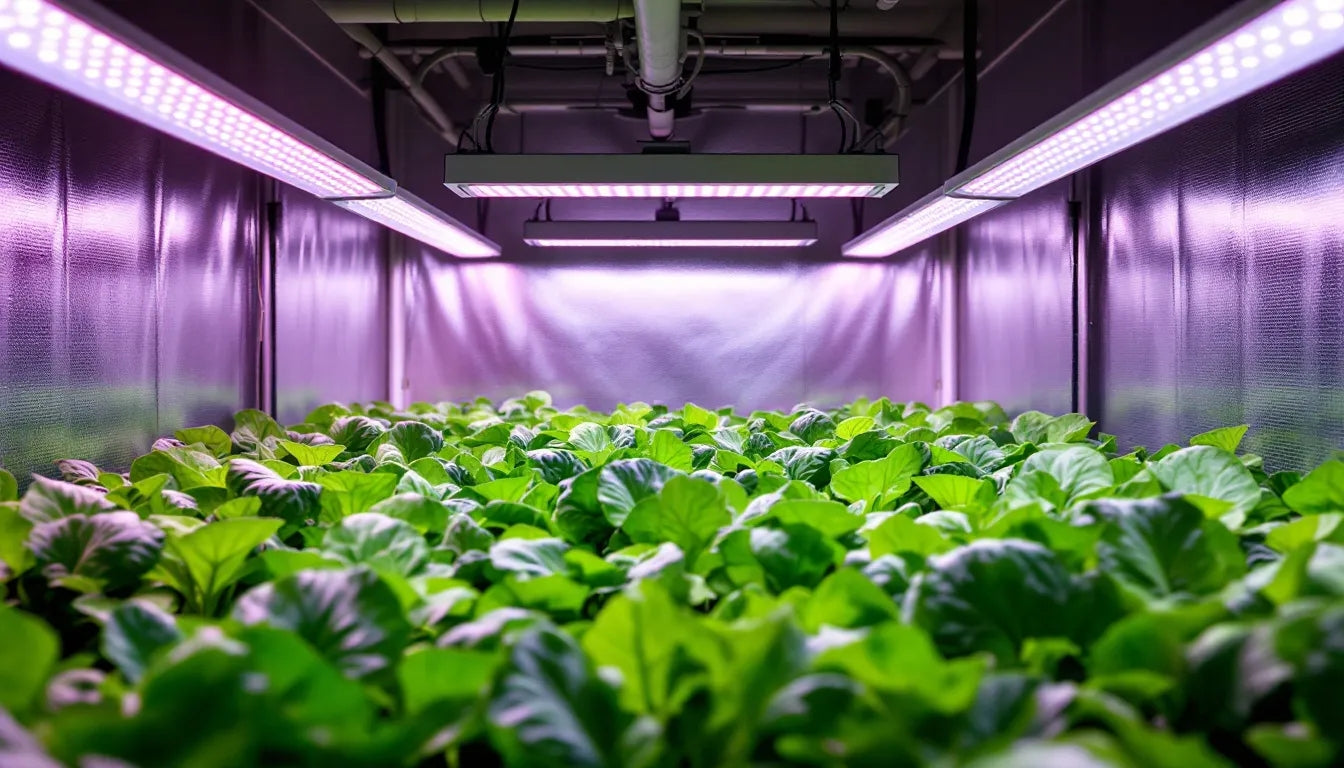
If you're curious about growing your own plants, a quality grow tent kit provides the perfect controlled environment for healthy plant development – much like how your hair follicles need the right conditions to thrive.
The Complex Relationship Between the Plant and Hair Growth
The plant contains over 100 different cannabinoids, but two main compounds drive most of the effects: CBD (cannabidiol) and THC (tetrahydrocannabinol). Here's the fascinating part – these compounds can have opposite effects on your hair.

Your hair follicles contain cannabinoid receptors (CB1 and CB2) that respond to these compounds. Studies have shown that the endocannabinoid system (ECS) is a key player in hair follicle cell growth, making this interaction more significant than previously understood.
Understanding Your Hair Growth Cycle
Before diving into the plant's effects, it's important to understand how hair grows naturally:
- Anagen Phase: Active growth phase lasting 2-7 years
- Catagen Phase: Transition phase lasting 2-3 weeks
- Telogen Phase: Resting phase lasting 2-3 months
Plant compounds can disrupt this natural cycle, either promoting longer growth phases or pushing hair prematurely into the resting phase.
CBD vs THC: Opposite Effects on Your Hair
The plant contains compounds that can either help or harm your hair, depending on which ones you're exposed to and how you consume them.
CBD: The Hair-Friendly Compound
Research published in peer-reviewed journals shows that CBD-rich topical applications can increase hair count by approximately 93.5% in patients with androgenetic alopecia. Here's why CBD may actually help your hair:
Blocks CB1 Receptors: CBD acts as a CB1 receptor antagonist, which may promote hair shaft elongation and encourage healthy growth cycles.
Reduces Inflammation: CBD's anti-inflammatory properties can soothe scalp conditions that may impede hair growth, such as eczema or psoriasis.
Regulates Oil Production: CBD may help regulate sebum production, according to a 2014 study, creating optimal conditions for healthy hair follicles.
THC: The Potentially Problematic Compound
THC, the psychoactive compound in the plant, tells a different story. Research suggests that THC and other CB1 agonists can be used to manage unwanted hair growth, indicating they may inhibit rather than promote hair development.
Disrupts Growth Cycles: THC can push hair follicles into the catagen (resting) phase prematurely, leading to increased shedding.
Elevates Stress Hormones: THC may increase cortisol levels, particularly in new or infrequent users, and elevated cortisol is linked to telogen effluvium, a form of stress-related hair loss.
Affects Hormone Balance: Research published in the Journal of Clinical Pharmacology found that THC may inhibit enzymes involved in testosterone metabolism, potentially influencing DHT levels and hair loss patterns.
How Consumption Methods Affect Hair Health
The way you consume the plant significantly impacts its effects on your hair health.
Smoking: The Most Harmful Method
Smoking any substance, including this plant, introduces several hair-damaging factors:
- Oxidative Stress: Smoking the plant introduces combustion byproducts and toxins that may increase oxidative stress throughout the body
- Reduced Blood Flow: Smoking affects circulation, potentially limiting nutrient delivery to hair follicles
- Direct Damage: Smoke exposure can make hair shafts more brittle and prone to breakage
Topical Applications: The Most Promising Method
Studies using topical CBD applications show the most promising results for hair growth, with participants applying 3-4 mg of CBD daily for six months. This method delivers cannabinoids directly to hair follicles without systemic effects.
Edibles and Other Methods
Edibles may be less harmful than smoking since they avoid combustion toxins, but they still deliver THC systemically, potentially affecting hormone levels and stress responses.
Just like how choosing the right growing method affects plant health, the consumption method dramatically influences effects on your hair. If you're interested in growing your own plants for topical use, consider starting with a small grow tent designed for personal cultivation.
Scientific Studies: What the Research Really Shows
Let's examine the actual scientific evidence behind the plant and hair growth claims.
Key Research Findings
The 2021 CBD Study: A study of 35 subjects with androgenetic alopecia using daily topical hemp oil formulation showed a statistically significant 93.5% increase in hair after 6 months, with no reported adverse effects.
The Alpha Varin Study: Research involving 31 subjects found that hemp-derived cannabinoids (CBD, THCV, and CBDV) produced superior results to FDA-approved hair regrowth prescription medicines finasteride and 5% minoxidil.
Concentration Matters: Research shows CBD's effect on hair growth is concentration-dependent, with CBD potentially causing hair loss at high concentrations (≥10 μM) while promoting growth at lower doses.
Important Limitations
Current research has some limitations to consider:
- Most studies involve small sample sizes
- Long-term effects aren't yet fully understood
- Individual responses may vary significantly
- More peer-reviewed research is needed
For those interested in growing their own CBD-rich plants for potential topical use, understanding plant grow stages can help you cultivate plants with optimal cannabinoid profiles.
Growing Your Own: A Controlled Approach
If you're interested in exploring the plant for hair health, growing your own plants gives you complete control over cannabinoid content and growing conditions. Modern hydroponic grow systems allow precise control over plant nutrition and development.
Learn more about how to grow plants indoors to ensure you're producing the highest quality plants for any intended use.
Frequently Asked Questions About the Plant and Hair Growth
Does smoking the plant cause hair loss?
While direct evidence is limited, smoking the plant can introduce toxins that increase oxidative stress and potentially damage hair follicles. The stress hormones elevated by THC consumption may also contribute to hair shedding in some individuals.
Can CBD oil help with hair growth?
Research suggests that topically applied CBD at proper concentrations (3-4 mg daily) may promote hair growth, with one study showing a 93.5% increase in hair count over six months. However, more research is needed to confirm these effects.
What's the difference between CBD and THC for hair health?
CBD acts as a CB1 receptor antagonist and may promote hair growth, while THC acts as a CB1 receptor agonist and may inhibit hair growth. Research suggests THC and other CB1 agonists can be used to manage unwanted hair growth, indicating opposite effects.
Will my hair grow back if I stop smoking?
Recovery depends on the underlying cause of hair loss. If hair loss is caused by smoking-related stress on your body, quitting could help, with hair potentially starting to grow back within weeks to months. However, genetic pattern baldness won't reverse with lifestyle changes alone.
How should I use CBD for potential hair growth benefits?
Based on research, topical application appears most effective. Studies used 3-4 mg of CBD applied daily to the scalp for six months. Always choose high-quality CBD products that have undergone third-party testing for purity and potency.
Summary: The Bottom Line on the Plant and Hair Growth
Quick Answer: The plant affects hair growth differently depending on the specific compounds and consumption methods involved. CBD applied topically may promote hair growth, while THC consumption (especially through smoking) may contribute to hair loss. The method of consumption and concentration levels are crucial factors in determining the outcome.
Key takeaways: Topical CBD applications show promise for hair growth in preliminary studies, while smoking the plant introduces factors that may harm hair health. More research is needed to establish definitive guidelines for using plant compounds to support hair growth.
Take Control of Your Growing Journey
Whether you're interested in growing plants for potential hair health benefits or simply want to cultivate your own plants, having the right equipment makes all the difference. A quality grow tent kit provides the controlled environment necessary for consistent, high-quality results.
Just as your hair follicles need optimal conditions to thrive, plants require precise environmental control for maximum cannabinoid production. Explore our complete range of grow tents and accessories to start your growing journey with confidence.
Ready to learn more? Check out our comprehensive guide on how to grow plants to get started with expert-level cultivation techniques that ensure healthy, potent plants every time.