Grow Light Distance Chart LED - Optimal Placement Guide
As an indoor gardener, one of the most crucial factors in ensuring the healthy growth of your plants is the proper placement and distance of your grow lights. Whether you're growing herbs, vegetables, or flowering plants, understanding the optimal distance between your LED grow lights and your plants can make all the difference in their development and yield.
In this comprehensive guide, we'll delve into the world of grow light distance charts, exploring the science behind it and providing you with the essential information you need to create the perfect lighting environment for your indoor garden.
Understanding Grow Light Intensity and Plant Needs
The intensity of your grow lights is directly related to the distance between the light source and your plants. As the distance increases, the light intensity decreases, following the inverse square law. This means that if you double the distance between the light and the plant, the light intensity will be reduced by a factor of four.
Different plant species have varying light requirements, and it's essential to match the intensity of your grow lights to the specific needs of your plants. Underexposure can lead to stunted growth, while overexposure can cause damage and even burn the foliage.
Factors Affecting Optimal Grow Light Distance
Several factors come into play when determining the ideal distance between your LED grow lights and your plants:
-
Plant Type and Growth Stage: Different plant species have unique light requirements, and their needs may also change as they progress through their growth stages. For example, seedlings and young plants generally require higher light intensity than mature plants.
-
Grow Light Wattage and Efficiency: The wattage and efficiency of your grow lights will determine the overall light output and coverage area. Higher-wattage and more efficient LED grow lights can be placed further away from the plants while still providing the necessary light intensity.
-
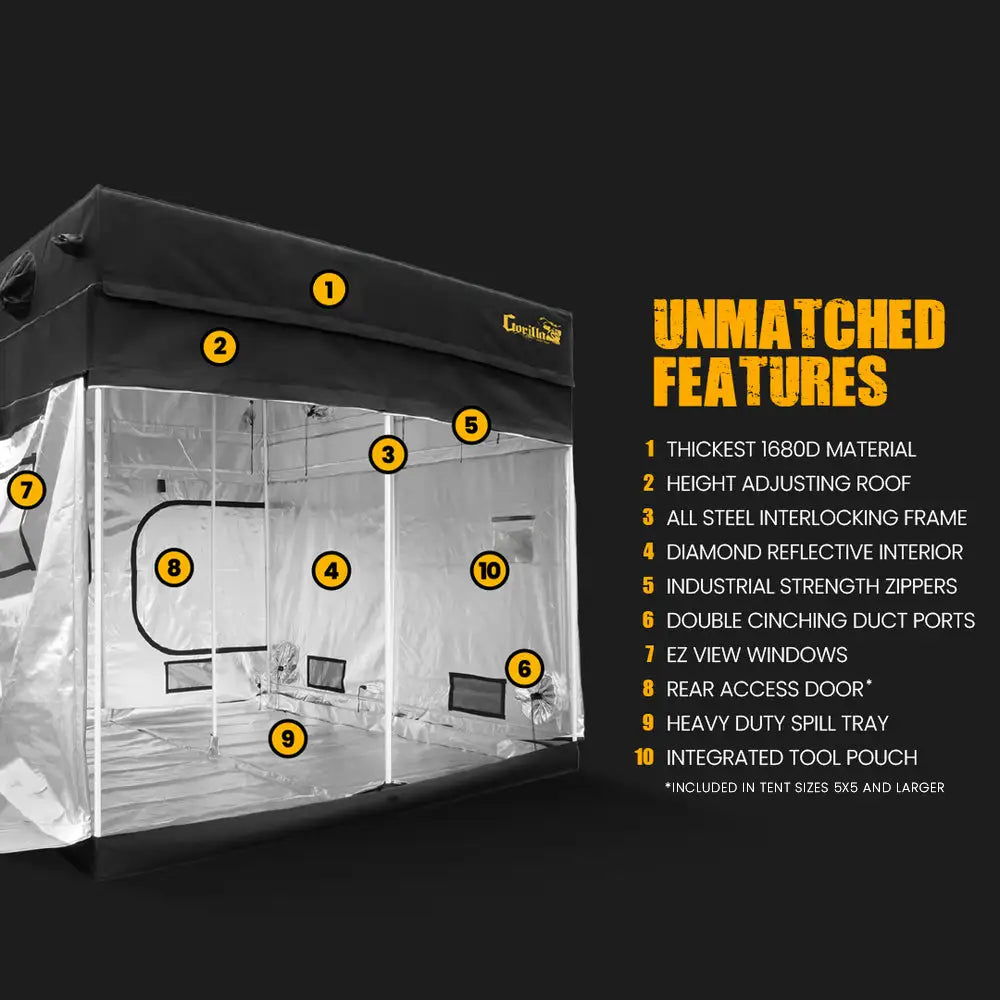
Grow Room Height and Layout: The height of your grow room or grow tent, as well as the arrangement of your plants, can influence the optimal grow light distance. Taller grow spaces may require the lights to be positioned higher, while a more compact layout may allow for closer placement.
-
Environmental Factors: Factors such as temperature, humidity, and air circulation within your grow space can also impact the optimal grow light distance. Maintaining a balanced environment can help ensure your plants receive the right amount of light.
Grow Light Distance Chart for LED Lights
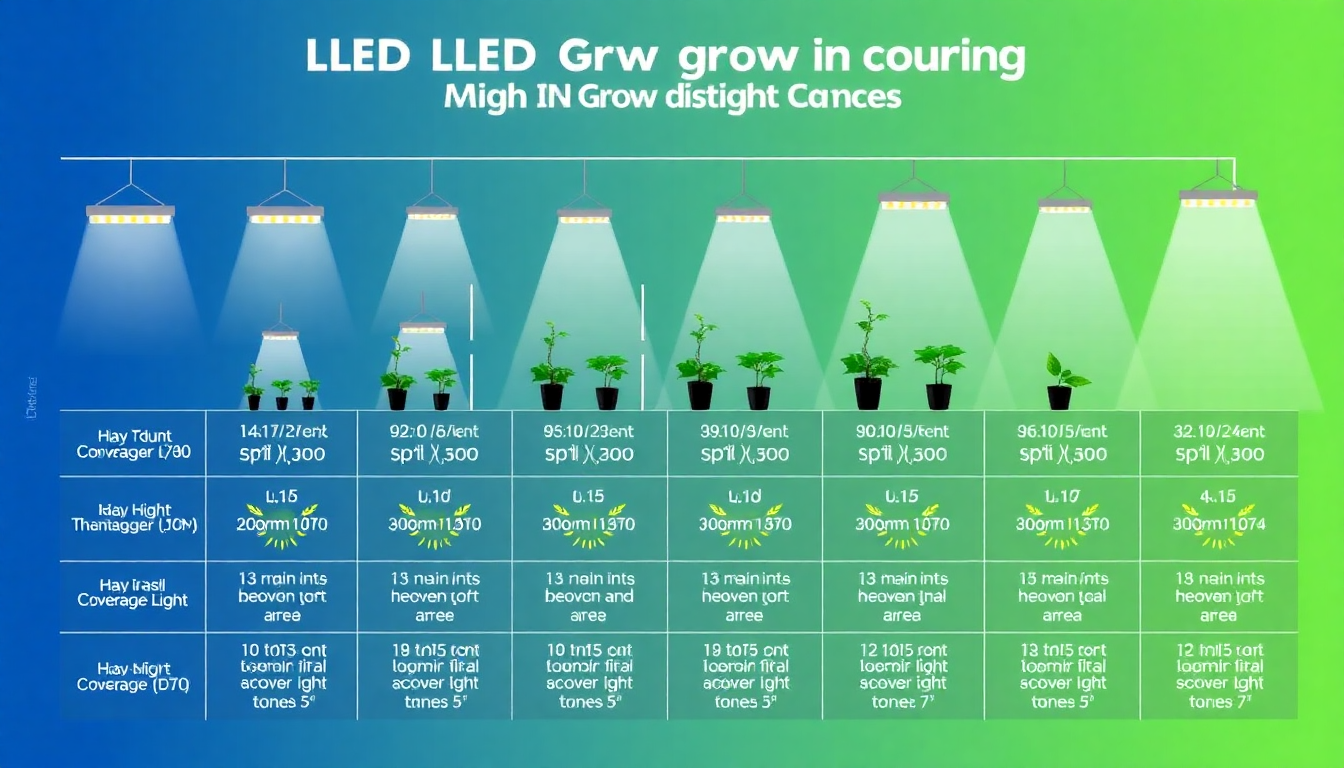
To help you determine the ideal distance between your LED grow lights and your plants, we've compiled a comprehensive grow light distance chart. This chart provides general guidelines based on the wattage and coverage area of your LED grow lights, as well as the specific plant types and growth stages.
Vegetative Stage
| Plant Type | Low-Wattage LED (< 100W) | Medium-Wattage LED (100-300W) | High-Wattage LED (> 300W) | | --- | --- | --- | --- | | Leafy Greens | 12-18 inches | 18-24 inches | 24-36 inches | | Herbs | 12-18 inches | 18-24 inches | 24-36 inches | | Succulents | 12-18 inches | 18-24 inches | 24-36 inches | | Seedlings | 6-12 inches | 12-18 inches | 18-24 inches |
Flowering/Fruiting Stage
| Plant Type | Low-Wattage LED (< 100W) | Medium-Wattage LED (100-300W) | High-Wattage LED (> 300W) | | --- | --- | --- | --- | | Tomatoes | 18-24 inches | 24-36 inches | 36-48 inches | | Peppers | 18-24 inches | 24-36 inches | 36-48 inches | | | 18-24 inches | 24-36 inches | 36-48 inches | | Flowering Plants | 12-18 inches | 18-24 inches | 24-36 inches |
Please note that these are general guidelines, and the optimal distance may vary depending on the specific grow lights, plant species, and environmental conditions in your grow space. It's always recommended to monitor your plants closely and make adjustments as needed to ensure their optimal growth and development.
Maximizing Grow Light Efficiency
To get the most out of your LED grow lights and ensure your plants receive the right amount of light, consider the following tips:
-
Adjust Grow Light Height: Regularly monitor your plants and adjust the height of your grow lights as needed to maintain the optimal distance. This will help prevent issues like stretching or burning.
-
Use a Light Meter: Invest in a reliable light meter to measure the actual light intensity at the plant canopy level. This will help you fine-tune the grow light distance and ensure your plants are receiving the right amount of light.
-
Maintain a Clean Grow Space: Dust, dirt, and other debris can accumulate on your grow lights, reducing their efficiency. Regularly clean your grow lights and reflectors to maximize light output.
-
Consider Supplemental Lighting: In some cases, you may need to use additional lighting, such as side lighting or supplemental lighting, to ensure even light distribution and coverage throughout your grow space.
-
Monitor Plant Responses: Closely observe your plants' growth and appearance, and make adjustments to the grow light distance and intensity as needed. This will help you create the perfect lighting environment for your indoor garden.
By understanding the principles of grow light distance and utilizing the information in this comprehensive guide, you'll be well on your way to achieving optimal plant growth and maximizing the potential of your indoor gardening setup.
Conclusion
Mastering the art of grow light distance is a crucial aspect of successful indoor gardening. By following the guidelines and tips outlined in this blog post, you can create the perfect lighting environment for your plants, ensuring their healthy growth and bountiful yields.
Remember, every grow space and plant species is unique, so it's essential to monitor your plants closely and make adjustments as needed. With the right knowledge and a bit of experimentation, you'll be able to unlock the full potential of your indoor garden and enjoy the fruits (or vegetables) of your labor.
Happy growing!