


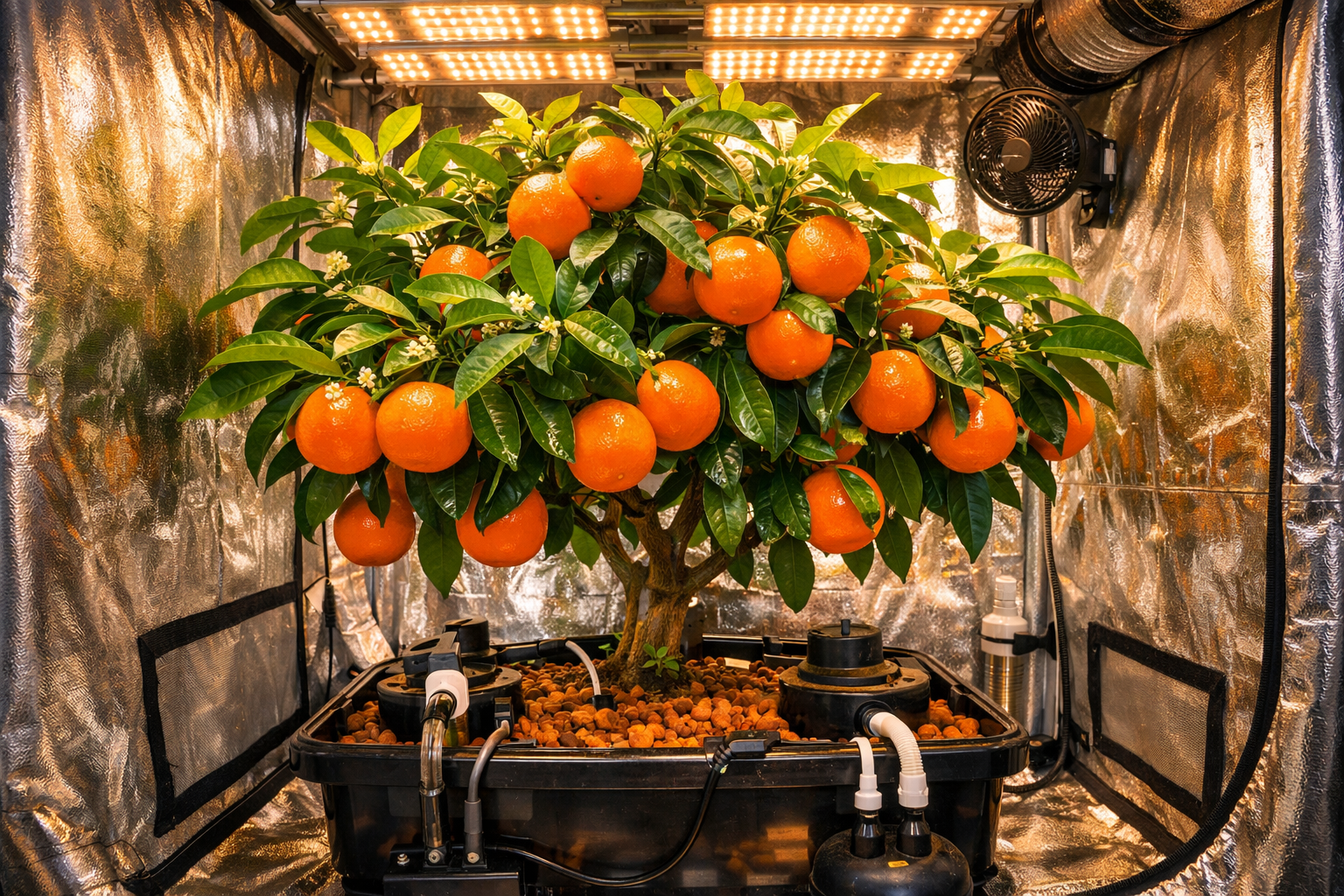
The Complete Guide to Choosing the Perfect Grow Light for Your Citrus Tree
Have you ever dreamed of harvesting fresh lemons, juicy oranges, or tangy limes in the middle of winter? With the right grow light for citrus tree cultivation, that dream becomes deliciously real. Indoor citrus growing has exploded in popularity among home gardeners who refuse to let seasons dictate their harvests.
Growing citrus trees indoors isn't just possible—it's incredibly rewarding when you understand what these sun-loving beauties need to thrive. The secret to success? Proper lighting that replicates the intense Mediterranean sunshine citrus trees crave in their natural habitat. Whether you're nurturing a Meyer lemon tree or experimenting with dwarf oranges, the right grow light transforms your home into a year-round citrus grove.
This comprehensive guide walks you through everything you need to know about selecting, positioning, and using grow lights to cultivate healthy, fruit-bearing citrus trees right in your home. Let's dive into the world of indoor citrus cultivation and discover how modern LED technology makes it easier than ever.
Why Citrus Trees Need Powerful Grow Lights Indoors
Citrus trees evolved in warm, sunny climates where they bask in 8-12 hours of direct, intense sunlight daily. In their native Mediterranean environment, these evergreen beauties receive approximately 2,000 to 3,000 foot-candles of light during peak growing season. When you bring citrus indoors, replicating that intense light becomes your primary challenge—and your biggest opportunity for success.
Unlike shade-tolerant houseplants that survive with minimal light, citrus trees won't simply adapt to dim conditions. Insufficient lighting causes leggy growth, leaf drop, and most disappointingly, a complete failure to flower and fruit. Your lemon tree might survive near a window, but it certainly won't thrive or produce the abundant harvests you're hoping for.
The good news? Modern LED grow lights can deliver the exact light spectrum and intensity your citrus tree needs to not just survive, but flourish and produce abundant fruit indoors. Quality grow lights eliminate the guesswork and provide consistent, reliable illumination regardless of outdoor weather or seasonal changes.

Understanding Light Requirements for Citrus Trees
Citrus trees require intense light for photosynthesis, but they also need specific wavelengths to trigger flowering and fruit development. Understanding these requirements helps you choose the most effective grow light for your indoor citrus garden.
The Light Spectrum Citrus Trees Crave
Blue spectrum light (400-500nm) promotes strong vegetative growth and compact branching. This wavelength range encourages your citrus tree to develop thick, sturdy stems and dense foliage rather than stretching toward distant light sources. During the vegetative phase, blue light helps establish the robust structure necessary to support heavy fruit loads later.
Red spectrum light (600-700nm) is equally crucial for encouraging flowering and fruit production. When citrus trees receive adequate red wavelengths, they transition from vegetative growth into reproductive mode, producing fragrant blossoms that eventually develop into delicious fruit. Red light also enhances photosynthesis efficiency, helping your tree convert light energy into the sugars needed for fruit development.
Full-spectrum lighting provides the complete wavelength range citrus trees need throughout their entire life cycle. Rather than switching between different bulbs for different growth stages, full-spectrum LED grow lights for plants deliver everything your tree needs in one convenient package.
How Many Hours of Light Do Citrus Trees Need?
Most citrus varieties thrive with 8-12 hours of intense, direct light daily. Meyer lemons typically perform best with 10-12 hours, while some dwarf orange varieties can manage with 8-10 hours. Consistency matters enormously—citrus trees prefer reliable light schedules rather than irregular exposure.
During winter months when natural daylight diminishes, supplemental lighting becomes especially critical. Even citrus trees positioned near south-facing windows often need additional light during short winter days. The combination of lower light intensity and shorter day length during winter can stress indoor citrus without proper supplementation.
Choosing the Best Grow Light for Citrus Tree Success
Not all grow lights work equally well for citrus cultivation. Understanding your options helps you invest wisely in equipment that delivers real results rather than disappointing performance.
LED Grow Lights: The Optimal Choice
Full-spectrum LED lights represent the optimal choice for indoor citrus trees. These advanced systems provide the complete range of wavelengths your citrus needs throughout its entire life cycle. The Gorilla Xi Series LED Grow Lights exemplify this technology with targeted full-spectrum performance specifically designed for fruiting plants.
LED technology offers several game-changing advantages for citrus growers. These lights consume 40-60% less electricity than traditional options while producing minimal heat—crucial when you're positioning lights close enough to deliver intense illumination. Most quality LED systems last 50,000+ hours, meaning you'll install them once and enjoy years of reliable performance.
The low heat output of LEDs allows you to position them much closer to your citrus canopy without risking leaf burn. This proximity delivers the high-intensity light citrus trees demand while maintaining safe temperatures. Traditional HID lights generate excessive heat that damages citrus foliage and requires expensive cooling systems.
Fluorescent Grow Lights: Budget-Friendly Alternative
T5 fluorescent fixtures work adequately for young citrus seedlings and small trees, though they lack the intensity needed for mature, fruit-bearing specimens. Fluorescent bulbs excel at providing gentle, even lighting for propagation and early growth stages. However, as your citrus tree matures and begins fruiting, you'll likely need to upgrade to more powerful LED systems.
The main limitation of fluorescent lighting is intensity. Citrus trees flowering and fruiting under fluorescent lights often produce smaller yields compared to those grown under quality LEDs. If budget constraints require starting with fluorescents, plan to transition to LEDs within your first year or two.
High-Intensity Discharge (HID) Lights: Traditional Power
HID systems (including MH and HPS bulbs) deliver intense light suitable for citrus, but they consume tremendous electricity and generate problematic heat. A 400-watt HID system running 12 hours daily costs approximately $26 monthly in electricity, while an equivalent LED system costs just $13 monthly. Over a year, that's $156 in savings per light.
The heat output from HID bulbs requires elaborate ventilation systems and often increases cooling costs during summer months. Most modern citrus growers have abandoned HID technology in favor of efficient, cool-running LEDs that deliver superior results with far less hassle and expense.

How to Position Your Grow Light for Maximum Citrus Growth
Proper positioning determines whether your grow light delivers optimal results or wastes energy on ineffective illumination. Getting this right from the start prevents common problems and maximizes fruit production.
Optimal Distance and Coverage
Position full-spectrum LED grow lights 12-18 inches above your citrus tree's canopy for young trees and seedlings. As your tree matures and develops a fuller canopy, you can adjust to 18-24 inches to provide broader coverage while maintaining adequate intensity. The goal is balancing intensity with coverage—too close causes potential light stress on upper leaves, while too distant reduces effectiveness.
For dwarf citrus varieties growing in containers, the Gorilla Xi220 LED Grow Light provides perfect coverage for 2x2 to 2x2.5 foot spaces. This compact powerhouse delivers concentrated full-spectrum light ideal for single citrus trees or small citrus collections.
Watch your tree closely during the first few weeks after installing grow lights. Leaves turning pale or developing brown edges indicate excessive light or heat stress. Conversely, if your tree develops long internodal spacing (excessive space between leaves), it's stretching toward insufficient light—move the fixture closer.
Creating a Proper Growing Environment
Citrus trees produce best when grown in a controlled environment where you manage all variables. A quality grow tent creates the perfect microclimate for indoor citrus cultivation by containing light, maintaining humidity, and allowing precise environmental control.
Gorilla Grow Tents feature height extension capabilities that accommodate citrus trees as they grow, adjusting from 6'7" to 8'7" tall. This flexibility proves invaluable as your lemon or orange tree matures and requires additional vertical space. The reflective interior lining maximizes light efficiency, ensuring every photon reaches your tree rather than being absorbed by surrounding walls.
Many successful citrus growers combine their grow tent setup with proper ventilation to maintain ideal temperatures between 65-75°F during the day and slightly cooler at night. This temperature differential encourages flowering and fruit set while preventing stress from excessive heat.
Essential Care Tips for Growing Citrus Trees Under Lights
Growing healthy citrus trees indoors requires more than just proper lighting. These Mediterranean beauties need attention to several key factors that work synergistically with your grow lights.
Watering and Humidity Management
Citrus trees prefer consistent moisture without waterlogged roots. Allow the top 1-2 inches of soil to dry between waterings, then water thoroughly until excess drains from the container bottom. Overwatering causes root rot—one of the most common killers of indoor citrus trees.
Maintain humidity levels between 40-60% for optimal citrus health. Grow lights, especially LEDs, can reduce ambient humidity as they warm the growing space. Using a humidifier inside your grow tent helps maintain ideal conditions, particularly during winter when indoor heating further reduces humidity levels.
Fertilization and Nutrient Requirements
Citrus trees are heavy feeders that require regular fertilization for vigorous growth and abundant fruiting. Use a citrus-specific fertilizer with elevated nitrogen levels during vegetative growth, transitioning to higher phosphorus and potassium during flowering and fruiting phases.
Feed your indoor citrus every 2-3 weeks during active growth (spring through fall), reducing to monthly feeding during winter dormancy if your tree slows growth. Quality plant nutrients formulated for fruiting plants provide the complete nutritional profile citrus trees need.
Watch for yellowing leaves with green veins—this chlorosis indicates iron deficiency, common in citrus grown in alkaline conditions. Addressing pH imbalances and supplementing with chelated iron resolves this issue quickly.
Pollination for Indoor Fruit Production
Unlike outdoor citrus that relies on bees and wind for pollination, indoor trees need your help. When flowers appear, gently transfer pollen between blossoms using a small paintbrush or cotton swab. This hand-pollination ensures fruit set—without it, flowers may bloom beautifully but produce no fruit.
Some citrus varieties like Meyer lemons are self-fertile and set fruit readily with simple vibration or breeze from an oscillating fan. Other varieties may require cross-pollination between different trees for optimal fruit production.

Common Mistakes to Avoid with Citrus Grow Lights
Even experienced gardeners sometimes make mistakes when setting up indoor citrus growing systems. Learning from others' errors saves you time, money, and disappointment.
Insufficient Light Intensity
The most common mistake is choosing underpowered grow lights that look impressive but lack the intensity citrus trees demand. A citrus tree needs approximately 40-50 watts per square foot of canopy coverage from quality LED fixtures. Bargain lights claiming equivalent output often disappoint when real-world results fall short.
Cheap, poorly-designed grow lights waste energy on wavelengths plants can't use while failing to deliver adequate usable light. Quality matters enormously in grow light selection—investing in proven performers like the Gorilla GXi Series LED Grow Lights pays dividends through superior growth, healthier plants, and abundant harvests.
Inconsistent Light Schedules
Citrus trees thrive on consistency. Setting lights on random schedules or forgetting to turn them on/off stresses trees and reduces fruiting. Use simple mechanical timers or smart controllers to maintain reliable schedules automatically.
The GXi smart LED grow lights feature programmable schedules and sunrise/sunset technology that gradually ramps intensity up and down, preventing light shock while simulating natural conditions. This attention to detail produces healthier plants with better yields compared to harsh on/off switching.
Neglecting to Adjust as Trees Grow
As your citrus tree matures and develops a fuller canopy, its light requirements change. Young seedlings need less intense light positioned closer, while mature fruiting trees require more powerful illumination spread across wider coverage areas.
Regularly assess whether your lighting setup still matches your tree's current size and needs. Don't be afraid to upgrade or add supplemental lighting as your citrus garden expands. Many growers start with a single LED panel and add more as their collection grows.
Best Citrus Varieties for Indoor Growing Under Lights
Not all citrus varieties adapt equally well to indoor cultivation under grow lights. Choosing appropriate varieties sets you up for success from day one.
Meyer Lemon Trees
Meyer lemons top the list for indoor growing due to their compact size, prolific fruiting, and relatively forgiving nature. These naturally smaller trees produce sweet-tart fruit perfect for cooking and cocktails. Meyer lemons typically reach 4-6 feet tall indoors and begin fruiting within 1-2 years when grown under proper lighting.
The aromatic blossoms smell absolutely divine, filling your home with sweet citrus fragrance for weeks during bloom periods. Meyer lemons adapt well to container growing and respond beautifully to consistent light from quality LEDs.
Dwarf Citrus Varieties
Dwarf or "improved" varieties bred specifically for container growing excel indoors. Look for:
- Improved Meyer Lemon - The most popular indoor citrus, producing abundant fruit
- Bearss Lime - Persian-type lime that fruits heavily indoors
- Trovita Orange - Sweet orange that adapts well to containers and indoor conditions
- Calamondin Orange - Extremely prolific miniature citrus perfect for small spaces
- Kaffir Lime - Grown primarily for aromatic leaves used in Thai and Vietnamese cooking
These specialized varieties maintain compact sizes while producing full-size, high-quality fruit. Most dwarf citrus varieties stay under 6 feet tall indoors, making them perfect for home cultivation under grow lights.
Kumquats and Specialty Citrus
Kumquats deserve special mention as perhaps the easiest citrus for indoor growing. These miniature fruits grow on compact trees that fruit prolifically under relatively modest light levels compared to larger citrus. The entire fruit—peel and all—is edible, offering a unique sweet-tart flavor experience.
Setting Up Your Complete Citrus Growing System
Creating the perfect environment for indoor citrus combines proper lighting with complementary equipment and smart planning.
Complete Grow Tent Setup for Citrus
A proper grow tent setup provides everything your citrus tree needs in one convenient, controllable environment. Start with a tent sized appropriately for your space and ambitions—a 2x2 or 3x3 tent works perfectly for 1-2 dwarf citrus trees.
Install your LED grow light at the tent's ceiling using adjustable hangers that allow easy height modifications as your tree grows. Position an oscillating fan to provide gentle air movement that strengthens stems and prevents fungal issues. Add a small humidifier if needed to maintain optimal moisture levels.
The Gorilla Grow Tent kits include everything you need except plants and soil—tent, lighting, ventilation, and accessories all designed to work together seamlessly. These complete systems eliminate the guesswork of selecting compatible components.
Choosing the Right Growing Container
Citrus trees need containers with excellent drainage and sufficient volume for healthy root development. Start young trees in 3-5 gallon containers, graduating to 7-10 gallon pots as they mature. The Gorilla Grow Bags provide excellent drainage and air pruning of roots that encourages healthier, more vigorous growth compared to traditional plastic pots.
These fabric containers prevent root circling and allow oxygen to reach the root zone—critical for citrus health. The breathable fabric also helps prevent overwatering by allowing excess moisture to evaporate through the sides.
Temperature and Ventilation
Proper airflow prevents heat buildup under grow lights while providing CO2 exchange plants need for photosynthesis. Even cool-running LED systems generate some heat that accumulates in enclosed spaces without ventilation.
For optimal results with growing citrus in grow tents, install an inline exhaust fan to exchange stale air with fresh, CO2-rich air from your home. This maintains ideal temperatures while preventing mold and mildew issues caused by stagnant, humid conditions.
Frequently Asked Questions
What is the best grow light for citrus trees?
Full-spectrum LED grow lights are the best choice for indoor citrus trees. Systems like the Gorilla Xi Series LED Grow Lights provide the complete wavelength spectrum citrus needs for vegetative growth, flowering, and fruiting while consuming minimal electricity and producing low heat. Look for lights delivering at least 40-50 watts per square foot of canopy coverage.
How many hours of grow light do citrus trees need daily?
Citrus trees typically need 8-12 hours of intense light daily, with most varieties performing best with 10-12 hours. Consistency matters more than exact duration—maintain the same schedule year-round or adjust gradually as seasons change. Use timers to ensure reliable schedules without daily attention.
Can I grow citrus trees under regular LED bulbs?
Regular LED bulbs designed for home lighting don't provide the light spectrum or intensity citrus trees require for healthy growth and fruiting. While plants may survive under household LEDs, they won't thrive or produce fruit. Invest in proper horticultural LED grow lights specifically engineered for plant cultivation.
How close should grow lights be to citrus trees?
Position LED grow lights 12-18 inches above young citrus trees and 18-24 inches above mature trees with full canopies. The exact distance depends on your specific light's intensity—more powerful lights require greater distance. Monitor your tree for signs of light stress (bleaching, brown leaf edges) or insufficient light (leggy growth, leaf drop) and adjust accordingly.
Do citrus trees need darkness at night?
Yes, citrus trees need dark periods for proper growth and fruit development. Most citrus varieties perform best with 12-14 hours of darkness daily. During dark periods, plants conduct important metabolic processes and prepare for the next day's photosynthesis. Running grow lights 24/7 stresses citrus trees and reduces overall health and productivity.
Featured Snippet Summary
Growing citrus trees indoors requires full-spectrum LED grow lights providing 8-12 hours of intense illumination daily. Position lights 12-18 inches above the canopy, maintain 65-75°F temperatures, and provide 40-60% humidity. Quality LED systems like the Gorilla Xi Series deliver the complete light spectrum citrus needs for healthy growth and abundant fruiting while consuming minimal electricity. Dwarf varieties like Meyer lemons adapt best to indoor cultivation under grow lights in controlled environments.
Start Growing Fresh Citrus in Your Home Today
Growing citrus trees indoors under quality grow lights transforms your home into a year-round fruit-producing oasis. With the right lighting setup, proper care, and appropriate varieties, you'll harvest fresh lemons, oranges, and limes regardless of outdoor climate or season.
The investment in quality grow lights pays for itself quickly through electricity savings, years of reliable performance, and the unbeatable satisfaction of harvesting homegrown citrus. Modern LED technology makes indoor citrus cultivation more accessible and successful than ever before.
Ready to start your indoor citrus garden? Browse the complete selection of LED grow lights and complete grow tent systems specifically designed for fruiting plants. Whether you're starting with a single Meyer lemon or planning an entire citrus grove, Gorilla Grow Tent provides the professional-grade equipment you need for thriving, fruit-producing trees. Transform your home into a Mediterranean paradise and enjoy fresh citrus harvests year-round with the perfect grow light setup today!


