


Grow Light for Mint: Complete Indoor Growing Guide 2026
Why Mint Needs a Grow Light for Indoor Success
Mint (Mentha species) naturally thrives in partial shade to full sun outdoors. Indoors, however, windowsill light rarely provides adequate intensity or duration—especially during winter months.
Understanding Mint's Light Requirements
Mint requires 12-16 hours of light daily for optimal growth. This measurement is called the Daily Light Integral (DLI), which calculates total photosynthetically active radiation (PAR) received over 24 hours.
For healthy mint cultivation, target these specifications:
| Light Parameter | Optimal Range | Minimum Acceptable |
| Daily Duration | 14-16 hours | 12 hours |
| Light Intensity (PPFD) | 200-400 µmol/m²/s | 150 µmol/m²/s |
| Color Temperature | 5000-6500K | 4000K |
| DLI | 12-18 mol/m²/day | 10 mol/m²/day |
PPFD stands for Photosynthetic Photon Flux Density—the number of photons hitting your plant's leaves per second. Higher PPFD means faster, denser growth.
Signs Your Mint Lacks Adequate Light
Without sufficient lighting, mint displays clear distress signals:
- Leggy stems stretching toward light sources
- Pale or yellowing leaves lacking vibrant green color
- Weak aroma and diminished essential oil production
- Slow growth with extended time between harvests
- Sparse foliage instead of bushy, full growth
A quality grow light for mint eliminates these problems entirely. Plants develop compact internodes, deep green coloration, and intense fragrance within weeks of proper light exposure.

Choosing the Best Grow Light Spectrum for Mint
Not all light is created equal. Mint responds specifically to certain wavelengths within the visible spectrum, and understanding this science helps you select superior equipment.
Full-Spectrum vs. Targeted Spectrum Lighting
Full-spectrum LEDs replicate natural sunlight, providing wavelengths from 400nm (blue) through 700nm (red). This approach works excellently for mint because it supports both vegetative growth and essential oil production.
The GXi SMART LED GROW LIGHTS exemplify modern full-spectrum technology. These intelligent systems automatically adjust output based on growth stage, eliminating guesswork for beginners while optimizing results for experienced growers.
Blue Light for Vegetative Growth
Blue wavelengths (400-500nm) drive vegetative development in mint:
- Promotes compact, bushy growth patterns
- Strengthens stems and leaf structure
- Encourages chlorophyll production
- Prevents unwanted stretching
For mint specifically, prioritize fixtures with strong blue output during the primary growth phase.
Red Light for Flavor and Aroma
Red wavelengths (600-700nm) enhance mint's signature characteristics:
- Increases essential oil concentration
- Improves flavor intensity
- Supports overall photosynthesis efficiency
- Boosts harvest weight
The ideal grow light for mint balances both spectrums. Modern LED Grow Lights achieve this balance automatically, delivering precisely what mint needs throughout its lifecycle.
How to Set Up Your Grow Light for Mint: Step-by-Step
Proper installation maximizes your investment and ensures healthy plant development. Follow this proven framework for optimal results.
Step 1: Calculate Your Coverage Area
Measure your growing space in square feet. Mint plants need approximately 1 square foot per plant for adequate airflow and light penetration.
Coverage recommendations:
- Small setup (1-4 plants): 2' x 2' area
- Medium setup (5-12 plants): 4' x 4' area
- Large setup (13+ plants): Multiple fixtures or commercial panels
Our comprehensive 4x4 Grow Light Guide provides detailed wattage calculations for various tent sizes.
Step 2: Determine Proper Hanging Height
Light height directly impacts intensity reaching your plants. Too close causes leaf burn; too far reduces effectiveness.
Recommended heights for mint:
| Growth Stage | LED Height | Adjustment Frequency |
| Seedlings | 24-30 inches | Weekly |
| Established plants | 18-24 inches | Bi-weekly |
| Mature/Harvesting | 12-18 inches | As needed |
For precise positioning guidance, reference our Grow Light Distance Chart LED article covering optimal heights for maximum yields.

Step 3: Configure Your Light Timer
Consistency matters more than intensity for mint. Set your timer for 14-16 hours of light followed by 8-10 hours of darkness.
Pro tip: Mint benefits from a brief \"rest\" period. Complete darkness triggers certain metabolic processes that improve flavor development.
Step 4: Monitor and Adjust
During the first two weeks, observe your plants daily. Look for:
- Leaf curling (light too intense—raise fixture)
- Stretching toward light (insufficient intensity—lower fixture)
- Even growth across all plants (proper coverage confirmed)
Quality Grow Light Accessories like adjustable hangers and timers simplify these adjustments significantly.
Best Grow Light Types for Mint: Comparison Guide
Several lighting technologies work for mint cultivation. Here's how they compare in 2026.
LED Grow Lights (Recommended)
LEDs dominate indoor herb growing for compelling reasons:
- 90% energy efficiency compared to traditional bulbs
- 50,000+ hour lifespan reducing replacement costs
- Low heat output preventing plant stress
- Full spectrum options supporting complete growth cycles
- Dimmable controls for precise intensity management
According to the U.S. Department of Energy (2025), LED grow lights consume 75% less electricity than HID alternatives while producing equivalent PAR output.
Fluorescent Lights (Budget Option)
T5 fluorescent fixtures offer an economical entry point:
- Lower upfront cost than LEDs
- Adequate for small-scale mint production
- Higher electricity consumption long-term
- Bulb replacement needed every 12-18 months
Comparison Table: Grow Light Technologies for Mint
| Feature | LED | Fluorescent | HID |
| Energy Efficiency | Excellent | Good | Poor |
| Heat Output | Low | Moderate | High |
| Lifespan | 50,000+ hrs | 20,000 hrs | 10,000 hrs |
| Spectrum Control | Advanced | Limited | Limited |
| Initial Cost | Moderate-High | Low | Moderate |
| Best For | All growers | Beginners | Large operations |
For most home growers, LED technology provides the best long-term value for mint cultivation.

Common Mistakes When Using Grow Lights for Mint
Avoid these frequent errors that undermine indoor mint success.
Mistake 1: Inconsistent Light Schedules
Mint thrives on predictability. Irregular lighting disrupts growth hormones and reduces harvest quality. Always use an automatic timer—never rely on manual switching.
Mistake 2: Ignoring Heat Buildup
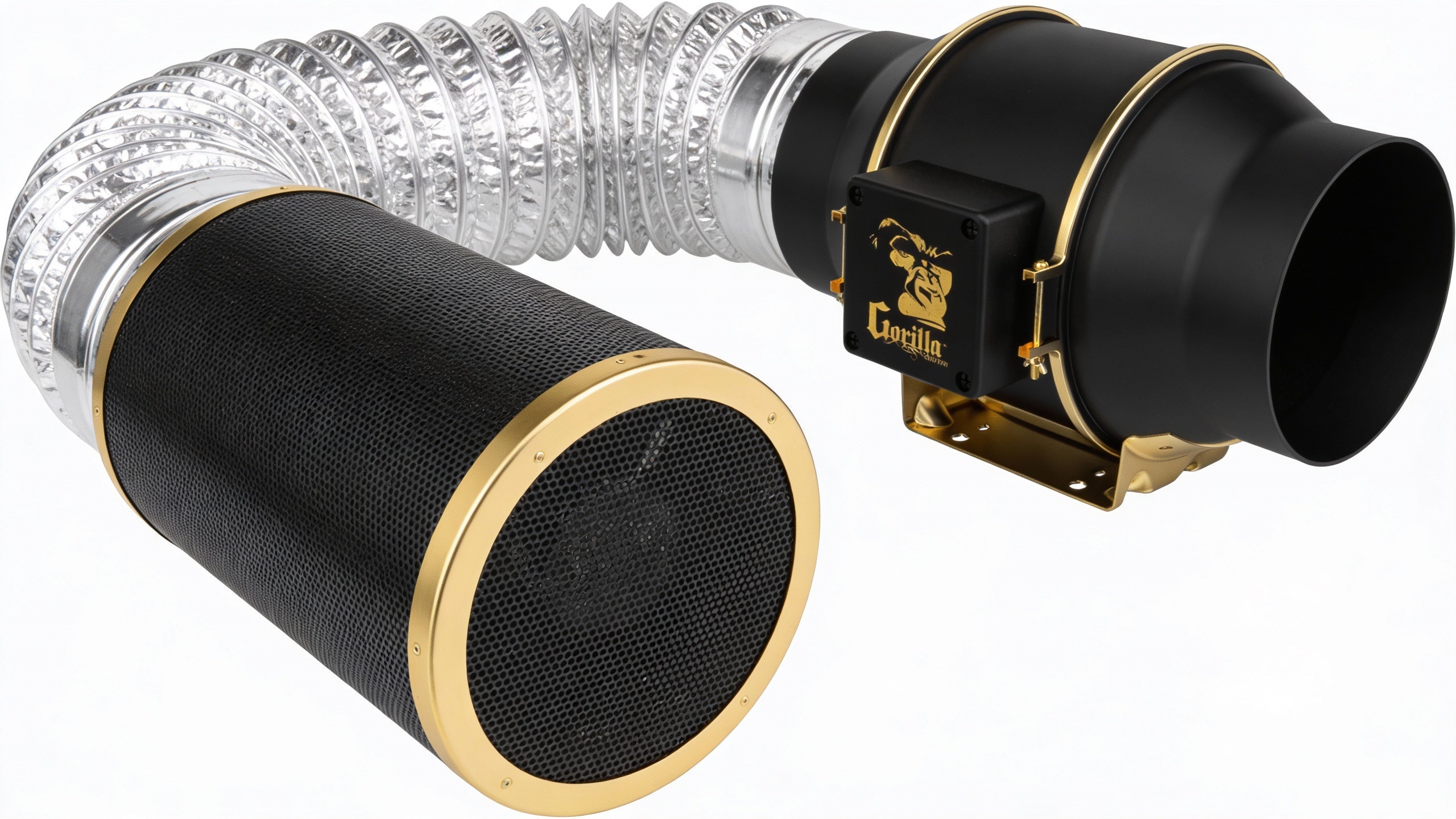
Even efficient LEDs generate some heat. Ensure adequate ventilation in your growing space. Temperatures above 80°F (27°C) stress mint plants and reduce essential oil production.
Mistake 3: Placing Lights Too Close
New growers often position lights extremely close, expecting faster growth. Instead, this causes leaf bleaching and tip burn. Start at recommended heights and lower gradually.
Mistake 4: Neglecting Light Distribution
Single-point light sources create uneven coverage. Position your fixture centrally and consider reflective surfaces to maximize light utilization. The Best LED Grow Light 2025 guide discusses intelligent lighting systems that address distribution automatically.
Frequently Asked Questions About Grow Lights for Mint
How many hours of grow light does mint need per day?
Mint requires 12-16 hours of artificial light daily for healthy growth. The optimal duration is 14-16 hours, followed by 8-10 hours of complete darkness. This schedule mimics long summer days when mint naturally thrives outdoors.
What color grow light is best for growing mint?
Full-spectrum white light (5000-6500K color temperature) works best for mint. This spectrum combines blue wavelengths for vegetative growth with red wavelengths for flavor development. Avoid single-color lights, which lack the balanced spectrum mint needs.
How far should a grow light be from mint plants?
Position LED grow lights 18-24 inches above established mint plants. Seedlings require greater distance (24-30 inches) to prevent stress. Adjust height based on plant response—raise if leaves curl or brown, lower if stems stretch excessively.
Can mint grow under any LED light?
Standard household LED bulbs provide insufficient intensity for healthy mint growth. Purpose-built grow lights deliver the PAR (Photosynthetically Active Radiation) and spectrum mint requires. Desk lamps and reading lights won't produce satisfactory results.
How much does it cost to run a grow light for mint?
A quality 100-watt LED grow light running 14 hours daily costs approximately $5-8 monthly in electricity (at average U.S. rates of $0.12/kWh). This powers enough light for 4-8 mint plants—far cheaper than purchasing fresh mint at grocery stores.
Do mint plants need darkness or can I run lights 24/7?
Mint benefits from 8-10 hours of daily darkness. While technically surviving under continuous light, plants perform better with dark periods. Darkness allows mint to complete certain metabolic processes, improve root development, and produce more aromatic essential oils.
What wattage grow light do I need for mint?
Plan for 25-40 watts of actual LED power per square foot of growing space. A small 2' x 2' area needs 100-160 watts total. Larger 4' x 4' spaces require 400-640 watts. These figures apply to quality LEDs—cheaper fixtures may require higher wattages.
Conclusion: Start Growing Mint Under Lights Today
Growing mint indoors under artificial light delivers fresh herbs year-round, regardless of climate or season. Here's what you've learned:
- Mint needs 12-16 hours of daily light at 200-400 µmol/m²/s intensity
- Full-spectrum LEDs provide the best balance of efficiency, spectrum, and longevity
- Proper height positioning (18-24 inches for established plants) prevents problems
- Consistent schedules with automatic timers ensure optimal growth
- Quality equipment pays for itself through reliability and energy savings
Your next step? Assess your growing space and select appropriate lighting. Start small if you're new—even a single high-quality LED panel transforms your mint-growing capabilities.
🌿 Ready to Grow Perfect Mint Year-Round?
Explore our premium LED Grow Lights collection and discover why thousands of indoor gardeners trust Gorilla Grow Tent for professional results.

%20naturally%20thrives%20in%20partial%20shade%20to%20full%20sun%20outdoors.%20Indoors,%20however,%20windowsill%20light%20rarely%20provides%20adequate%20intensity%20o...)