The Complete Guide to Grow Lights for Alocasia
Is your alocasia losing its dramatic color and producing small, underwhelming leaves? You're not alone. These stunning tropical plants have specific lighting requirements that can puzzle even experienced indoor gardeners. The good news? With the right grow lights for alocasia plants, you can recreate the dappled forest light of their natural habitat and watch your elephant ears flourish with vibrant, oversized foliage that becomes the star of your indoor jungle.
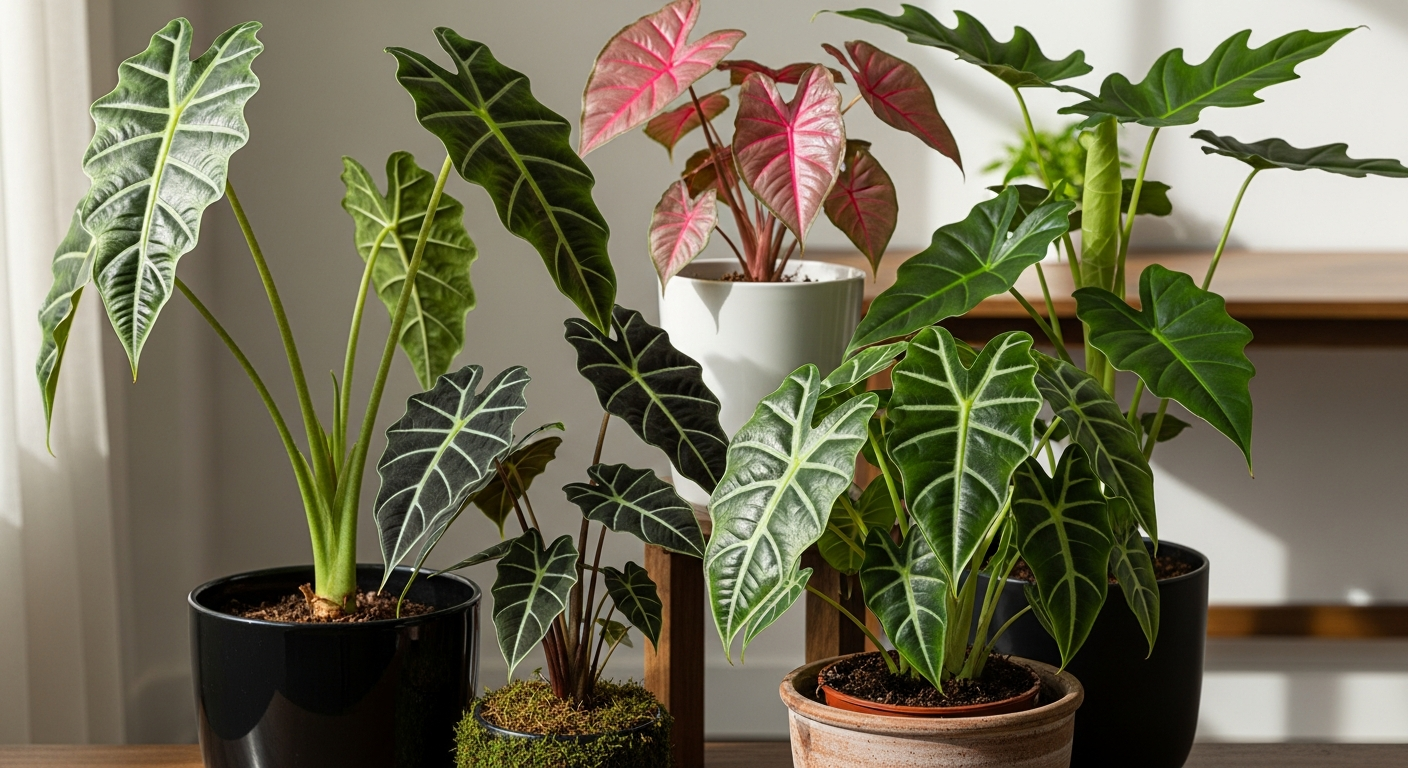
Alocasia plants—often called elephant ear plants due to their distinctive large, arrow-shaped leaves—have surged in popularity as statement houseplants. From the striking dark foliage of Alocasia 'Black Velvet' to the metallic sheen of Alocasia 'Dragon Scale,' these tropical beauties demand attention. But their dramatic appearance requires equally dramatic care, with lighting playing perhaps the most critical role in maintaining their health and visual impact.
This comprehensive guide will teach you everything about using grow lights for alocasia cultivation. You'll discover the exact light intensity these plants need, how to position lights for optimal growth, and which environmental factors work synergistically with proper lighting to produce the stunning specimens you see in botanical gardens and plant enthusiast Instagram feeds. Whether you're growing a single prized alocasia or cultivating a collection of rare varieties, understanding proper lighting transforms struggling plants into thriving showpieces.
Understanding Alocasia Light Requirements in Their Natural Habitat
To successfully grow alocasia indoors with artificial lighting, you must first understand how these plants evolved to thrive in their native Southeast Asian rainforests. This knowledge informs every lighting decision you'll make.
The Filtered Light of Rainforest Understory
In nature, alocasia plants grow on the forest floor beneath a dense canopy of towering trees. They receive bright but filtered light—the kind that passes through layers of leaves above, creating constantly shifting patterns of light and shadow. This dappled illumination provides substantial brightness without the intense, direct sunlight that would scorch their delicate foliage.
This natural habitat explains why alocasia plants can be tricky indoors. They need more light than typical low-light houseplants but less than sun-loving species. The sweet spot: medium to bright indirect light that provides adequate energy for photosynthesis without overwhelming delicate leaf tissues.
When using grow lights for alocasia plants, you're essentially recreating this filtered forest light. The goal isn't maximum intensity but rather optimal intensity—enough light to fuel robust growth and maintain vivid foliage patterns without causing the stress that leads to leaf burn, fading, or crispy edges.
Why Window Light Often Falls Short
Many alocasia owners initially try growing these plants near windows, only to encounter problems. North-facing windows provide insufficient light, causing leggy growth and small leaves. South-facing windows often deliver too much direct sun, scorching foliage. East and west windows might work depending on your climate, but seasonal variations create inconsistency that stresses plants.
LED grow lights solve these window light limitations by providing consistent, optimal illumination year-round. You control the intensity, duration, and spectrum—eliminating guesswork while ensuring your alocasia receives exactly what it needs regardless of seasons, weather, or your home's orientation.
Light Intensity Specifications for Alocasia Success
Alocasia plants thrive with PPFD (Photosynthetic Photon Flux Density) levels between 200-400 µmol/m²/s. This medium-light range provides enough energy for photosynthesis and growth without the stress high-intensity light causes. Compare this to full-sun plants requiring 800-1000+ µmol/m²/s, and you'll understand why standard "powerful" grow lights often overwhelm these tropical beauties.
For reference, bright indirect natural light near a window typically measures 200-500 µmol/m²/s, while direct sunlight exceeds 2000 µmol/m²/s. Your grow light setup should replicate that bright indirect category, creating conditions that keep leaves vibrant, growth steady, and stress minimal.
The Xi220 LED Grow Light with adjustable intensity control works beautifully for alocasia collections. Position it farther from plants or use lower intensity settings to achieve the gentle but adequate light these plants prefer, offering the same flexibility you'd get from moving plants closer or farther from a window—but with precision control.

Choosing the Best Grow Lights for Your Alocasia Collection
Not all grow lights work equally well for alocasia plants. Understanding which features matter helps you select systems that deliver healthy growth without wasting money on inappropriate equipment.
Full-Spectrum LEDs: The Optimal Choice
Full-spectrum LED grow lights represent the best technology for alocasia cultivation. These systems provide the complete range of wavelengths plants need while operating efficiently and producing minimal heat—crucial when positioning lights close enough to provide adequate intensity.
Unlike older technologies that produce excessive heat, modern full-spectrum LED grow lights remain cool enough to position 18-24 inches above your alocasia without burning delicate foliage. This proximity allows you to achieve optimal PPFD levels using compact, energy-efficient fixtures rather than massive, power-hungry systems.
Full-spectrum output also ensures your alocasia receives all wavelengths needed for healthy development. Blue light (400-500nm) promotes compact, strong growth and intensifies leaf coloration. Red light (600-700nm) supports overall plant health and energy production. The balanced combination prevents the stretching and weakness that occurs under incomplete spectrums.
Adjustable Intensity: Essential for Alocasia Care
The ability to adjust light intensity proves invaluable when growing alocasia. Different species and cultivars have varying light preferences—Alocasia amazonica tolerates more light than Alocasia 'Black Velvet,' for instance. Adjustable systems let you customize intensity for specific varieties in your collection.
Dimmable controls also allow you to gradually acclimate plants when introducing supplemental lighting. Starting at lower intensity and slowly increasing prevents shock that can trigger leaf drop or stress responses. This gentle transition mimics how plants naturally adapt to seasonal light changes.
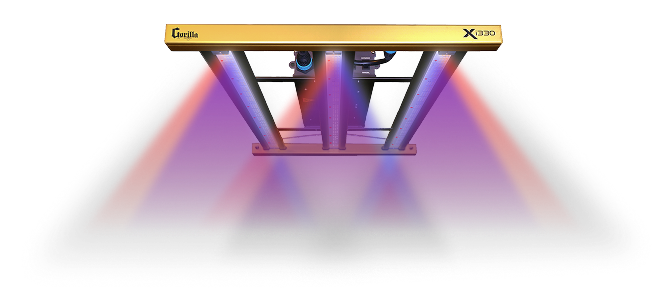
The Xi330 LED Grow Light features tri-channel spectrum control that enables precise intensity adjustment. For alocasia growing, you can reduce overall output to achieve that perfect medium-light intensity while maintaining full-spectrum coverage—something fixed-output lights can't provide.
Positioning and Coverage Considerations
Alocasia plants often feature large, spreading leaves that require even light distribution. A single small grow light directly above might illuminate the top leaf while leaving lower foliage shaded, resulting in uneven growth. Consider coverage area when selecting lights for your setup.
For single statement plants, compact panel lights positioned 18-24 inches above provide adequate coverage. Collections of multiple plants benefit from larger fixtures or multiple lights arranged to eliminate shadows. The goal: every leaf receives similar light intensity, promoting balanced development across your entire plant.
Bar-style LED systems excel for larger alocasia collections. These fixtures create broad, even light distribution that accommodates multiple plants without creating the hot spots and weak zones common with single-point light sources. The Kind LED bar lights offer scalable solutions from small home collections to serious plant enthusiast setups.
Setting Up the Perfect Lighting Environment for Alocasia
Proper grow light installation goes beyond simply positioning a fixture above your plant. Creating optimal conditions requires attention to placement, duration, and integration with other environmental factors.
Optimal Light Positioning and Distance
Start by positioning your grow light 18-24 inches above the top of your alocasia's foliage. This distance provides adequate coverage while maintaining safe PPFD levels. Monitor your plant's response over the first week—if leaves show signs of stress (crispy edges, fading patterns), raise the light a few inches. If growth becomes leggy with long spaces between leaves, lower the light slightly.
Remember that alocasia naturally reach toward light sources. Position fixtures directly above the center of the plant to encourage upright, balanced growth rather than the sideways lean that occurs when light comes from an angle. This overhead positioning also prevents shadows from upper leaves blocking light to lower foliage.
For collections, arrange plants so larger specimens don't shade smaller ones. Taller lights positioned farther from plants can cover larger areas, but verify actual PPFD at plant level using a PAR meter. Distance guidelines provide starting points, but actual measurements ensure optimal conditions for your specific setup.
Establishing Proper Light Duration
Alocasia plants need 10-12 hours of light daily to maintain healthy growth. This duration mimics the relatively consistent day length in their equatorial native habitat, providing adequate energy for photosynthesis without the excessive exposure that can stress tropical plants.
Use a timer to automate your light schedule for consistency. Plants regulate internal processes based on light cycles, and irregular schedules disrupt these rhythms, potentially triggering stress responses. Consistency matters more than whether lights run during actual daylight hours—choose times that fit your schedule and stick with them.
Avoid extending light duration beyond 14 hours in an attempt to accelerate growth. Alocasia evolved without the extremely long summer days found in temperate climates. Excessive light periods can actually stress plants, reducing vigor rather than enhancing it. The 10-12 hour sweet spot provides optimal results without risks.
Integrating Environmental Controls
Grow lights affect more than just illumination—they also influence temperature and humidity in your growing space. Even efficient LEDs produce some heat that can impact the microclimate around your alocasia. Plan your environmental controls to work harmoniously with lighting.
Position oscillating fans to gently circulate air around your plants without creating harsh, drying wind. This circulation prevents hot spots directly under lights while maintaining the humidity your alocasia needs. The combination of adequate light and proper airflow prevents many common issues like bacterial leaf spot and fungal problems.
Monitor ambient temperature and humidity regularly, adjusting environmental controls as needed. A Gorilla Grow Tent setup provides ideal conditions for serious alocasia cultivation, with reflective walls maximizing light efficiency and built-in ventilation ports enabling precise climate control. The enclosed environment makes maintaining optimal humidity dramatically easier than growing in open room conditions.

Creating Optimal Conditions Beyond Lighting
While proper grow lights form the foundation of successful alocasia cultivation, several other environmental factors work synergistically with lighting to produce truly stunning results.
Humidity Requirements for Healthy Alocasia
Alocasia plants evolved in humid rainforest environments and struggle when relative humidity drops below 50%. Ideally, maintain 60-70% humidity to support healthy transpiration, vibrant foliage, and resistance to common problems like spider mites that thrive in dry conditions.
Low humidity causes numerous issues: leaf edges brown and crisp, growth slows dramatically, and new leaves emerge smaller than they should. In severe cases, plants may drop leaves entirely or enter dormancy. Increasing humidity in your grow tent or growing space proves essential for long-term alocasia success.
Simple humidity solutions include grouping plants to create a microclimate, using pebble trays filled with water beneath containers, or running a small humidifier near your growing area. For serious collections, enclosed growing environments like grow tents make maintaining stable humidity dramatically easier than open-room cultivation.
The relationship between humidity and lighting proves critical. Adequate humidity allows plants to properly transpire, which drives nutrient uptake and supports the metabolic processes that convert light energy into growth. Without sufficient humidity, even perfect lighting can't produce optimal results.
Temperature Control for Tropical Alocasia
Alocasia plants prefer temperatures between 65-80°F (18-27°C), with consistency more important than hitting exact numbers. Dramatic temperature swings stress plants, potentially triggering leaf drop or forcing dormancy. Your grow light setup should maintain stable temperatures within this range.
LED grow lights produce minimal heat compared to older technologies, making temperature control simpler. However, even cool-running LEDs in enclosed spaces can raise ambient temperature. Monitor your growing area and adjust ventilation as needed. Position lights to avoid creating hot spots directly on foliage where heat accumulation might stress leaves.
Nighttime temperatures can drop to the lower end of the range (65-70°F) without problems—this slight cooling actually benefits many alocasia varieties by mimicking natural day/night temperature fluctuations. Just avoid exposing plants to temperatures below 60°F, which can trigger stress responses and increase susceptibility to root rot.
For detailed temperature management strategies, explore our guide on maintaining grow room temperature and humidity. Understanding VPD (Vapor Pressure Deficit) concepts helps optimize the temperature-humidity balance for maximum alocasia performance.
Watering and Soil Considerations
Proper lighting affects watering requirements. Plants under adequate grow lights photosynthesize actively, consuming more water than specimens struggling in insufficient light. Monitor soil moisture and adjust watering frequency as needed, typically allowing the top 2-3 inches of soil to dry between waterings.
Use well-draining potting mix specifically formulated for tropical plants. Alocasia hate wet feet—constant moisture causes root rot that kills plants regardless of lighting quality. A mix containing perlite, orchid bark, and peat or coco coir provides the moisture retention these plants need while ensuring excess water drains freely.
Container choice matters too. Pots with drainage holes are non-negotiable. Fabric grow bags work beautifully for alocasia, providing excellent aeration that promotes healthy root development while preventing the waterlogged conditions that cause problems. The 5-7 gallon size accommodates most alocasia varieties comfortably.
Troubleshooting Common Alocasia Lighting Problems
Even with proper setup, you might encounter issues as you fine-tune conditions for your specific plants and environment. Understanding common problems helps you make informed adjustments.
Leggy Growth and Small Leaves
If your alocasia produces long stems with large spaces between leaves, or if new leaves emerge smaller than older ones, insufficient light intensity is the likely culprit. The plant stretches toward inadequate light sources trying to reach brighter conditions.
Solution: Increase light intensity by lowering your grow light 2-4 inches, increasing fixture output if dimmable, or upgrading to a more powerful system. Monitor the plant's response—you should notice stronger, more compact new growth within 2-3 weeks if you've corrected the problem.
Remember that alocasia naturally grow relatively slowly, especially during winter months. Don't confuse seasonal slowdown with light deficiency. True light starvation produces distinctly elongated, weak growth rather than simply slower development.
Leaf Burn and Discoloration
Brown, crispy patches on leaves—especially along edges or between veins—indicate light stress from excessive intensity. This commonly occurs when high-powered grow lights designed for fruiting plants are used at full intensity for light-sensitive alocasia.
Solution: Raise lights 4-6 inches, reduce intensity if adjustable, or switch to a lower-output system. Severely damaged leaves won't recover—remove them to maintain plant appearance and redirect energy to new growth. New foliage should emerge clean if you've corrected the light intensity.
Fading patterns and loss of vibrant coloration also indicate light stress, though usually less severe than crispy burn. Dark-leaved varieties like Alocasia 'Black Velvet' may fade to green under excessive light. Slight reduction in intensity often restores proper coloration.
Loss of Variegation or Color
Variegated alocasia varieties require specific light levels to maintain their patterns. Too little light causes variegation to fade as plants produce more chlorophyll compensating for inadequate energy. Too much light can bleach patterns, turning colorful areas pale or white.
Solution: Variegated varieties generally need slightly higher light intensity than solid-colored counterparts—aim for 300-500 µmol/m²/s rather than 200-400. Use adjustable grow lights that let you dial in the sweet spot where patterns remain vibrant without burning.
Monitor new growth for several weeks after adjusting light levels. Variegation appears on new leaves, so you'll need patience to confirm whether your adjustments achieved desired results. Don't keep making changes—allow time for the plant to respond before adjusting again.

Species-Specific Lighting Considerations
While all alocasia share general requirements, popular varieties have subtle differences in light preferences. Understanding these nuances helps you provide optimal conditions for specific plants in your collection.
Alocasia Amazonica (African Mask Plant)
The classic African Mask Plant tolerates more light than many alocasia species. Position it where it receives 300-450 µmol/m²/s—the brighter end of the alocasia range. This variety's striking white veins against dark leaves become even more pronounced under adequate light.
Amazonica also handles slightly lower humidity (55-65%) better than some relatives, making it more forgiving for beginners. Its tolerance for brighter conditions means it works well in mixed collections with other medium-light tropical plants.
Alocasia 'Black Velvet'
This compact variety prefers lower light intensity (200-300 µmol/m²/s) than most alocasia. Its velvety black leaves can fade to gray-green under excessive light, losing the dramatic coloration that makes it so desirable. Position 'Black Velvet' where it receives gentle, filtered light rather than bright exposure.
The compact size makes 'Black Velvet' perfect for smaller growing setups. A single Xi220 LED Grow Light at reduced intensity positioned 20-24 inches above provides ideal conditions for several compact alocasia specimens including 'Black Velvet,' 'Frydek,' and similar varieties.
Alocasia 'Dragon Scale'
This stunning variety with silvery-green leaves and pronounced veining needs moderate to bright light (300-500 µmol/m²/s) to develop its characteristic metallic sheen. Insufficient light causes leaves to lose their distinctive texture and coloration, appearing more plain green.
'Dragon Scale' also appreciates higher humidity (65-75%) than some relatives. The combination of proper lighting and humidity produces the spectacular leaf texture and coloration this variety is known for. Consider dedicating your best growing conditions to this premium species.
Alocasia Macrorrhiza (Giant Taro)
As the name suggests, this species grows significantly larger than most alocasia, with leaves potentially reaching 3-4 feet. The size requires more light to fuel substantial growth—aim for 400-600 µmol/m²/s positioned to cover the entire broad leaf surface.
Larger plants need more space and taller fixtures. Consider using bar-style lights or multiple panels to ensure even coverage across the expanded canopy. The Xi420 LED Grow Light provides excellent coverage for larger alocasia specimens or multiple plants in 2x4 to 3x4 growing areas.
Frequently Asked Questions About Grow Lights for Alocasia
How many hours of light do alocasia plants need daily?
Alocasia plants need 10-12 hours of light daily for optimal growth and health. This duration mimics the consistent day length in their native equatorial rainforest habitat. Use a timer to maintain regular light cycles—consistency prevents stress and supports healthy growth patterns. Avoid extending light beyond 14 hours, as excessive exposure can actually stress these tropical plants rather than accelerating growth. The 10-12 hour range provides adequate energy for photosynthesis while allowing proper rest periods plants need for internal processes.
Can I use regular LED bulbs to grow alocasia?
Regular household LED bulbs aren't ideal for growing alocasia, though they're better than nothing. Standard LEDs lack the full spectrum alocasia need for optimal development and typically don't provide sufficient intensity for healthy growth. Purpose-built grow lights for plants include specific wavelengths that support photosynthesis and plant development while delivering adequate PPFD at reasonable distances. If you must use regular LEDs temporarily, position multiple bulbs close to plants (12-18 inches) to provide sufficient intensity, but plan to upgrade to proper grow lights for long-term success.
What's the best grow light for multiple alocasia plants?
For collections of multiple alocasia plants, the Xi330 or Xi420 LED Grow Lights provide excellent coverage with adjustable intensity perfect for these medium-light plants. Position lights 20-24 inches above plant tops to cover a 2x3 to 3x4 foot area, accommodating several specimens. Bar-style configurations work especially well for larger collections, creating even light distribution that prevents shadowing between plants. Look for systems with dimmable controls so you can customize intensity for different varieties in your collection, as some alocasia species prefer brighter light while others need gentler illumination.
How do I know if my alocasia is getting too much light?
Signs of excessive light exposure include brown, crispy patches on leaves (particularly along edges), fading of distinctive patterns or colors, bleaching of variegation, and overall washed-out appearance. Dark-leaved varieties like Alocasia 'Black Velvet' may turn gray-green under intense light. If you notice these symptoms, raise your grow light 4-6 inches, reduce intensity if adjustable, or move plants to less intense lighting. Damaged leaves won't recover, but new growth should emerge healthy if you've corrected the light level. Learn more about optimal growing conditions for light-sensitive tropicals.
Should I adjust grow lights seasonally for alocasia?
Alocasia evolved in equatorial regions with minimal seasonal variation, so they don't need dramatic seasonal light changes like temperate plants. However, many varieties naturally slow growth during winter months even with consistent lighting. You can slightly reduce light duration to 10 hours (from 12) during winter to accommodate this natural rhythm and save electricity. Maintain consistent intensity—don't reduce power or raise lights significantly. Return to 12 hours as growth accelerates in spring. This gentle seasonal variation mimics subtle environmental changes without stressing plants with dramatic shifts.
Advanced Tips for Alocasia Enthusiasts
Once you've mastered basic grow light setup for alocasia, these advanced strategies help you achieve exhibition-quality results and successfully grow even the most challenging rare varieties.
Utilizing Grow Tents for Premium Results
Serious alocasia collectors achieve best results growing in dedicated grow tent environments. The enclosed space provides multiple advantages: reflective walls maximize light efficiency (effectively increasing available PPFD by 30-40%), humidity control becomes dramatically simpler, and temperature stability improves significantly.
For alocasia specifically, the ability to easily maintain 60-70% humidity represents perhaps the biggest advantage. These tropical plants struggle in typical home environments with 30-40% humidity. Within a grow tent using a small humidifier, maintaining optimal moisture levels becomes effortless rather than a constant battle.
The Gorilla Grow Tent Shorty series works beautifully for compact alocasia collections. The shorter height (4-5 feet) accommodates these relatively low-growing plants while the robust construction and superior light-blocking fabric create ideal conditions for sensitive tropicals.
Propagation Under Grow Lights
Alocasia propagation from division or corms requires specific lighting conditions. Baby plants need gentler light than mature specimens—reduce intensity to 150-250 µmol/m²/s and maintain higher humidity (75-80%) during establishment. Position lights 24-30 inches above propagation trays to provide adequate coverage without overwhelming developing plants.
Newly separated divisions are essentially in shock and can't handle full light intensity immediately. Start with reduced exposure (8 hours daily) and gradually increase to full 12-hour schedules over 2-3 weeks as plants establish new roots and resume growth. This gentle acclimation prevents additional stress during a vulnerable period.
Combining Natural and Artificial Light
If you have access to suitable window light, combining natural and artificial illumination creates excellent results. Position alocasia near an east-facing window receiving gentle morning sun, then supplement with grow lights for 4-6 hours during afternoon and evening. This combination provides intensity variation throughout the day that many plants appreciate.
The hybrid approach also reduces electricity costs while maintaining adequate total light duration. Use timers to automatically activate grow lights when natural light intensity drops, ensuring consistent conditions without manual intervention. Monitor plants to verify they're receiving optimal combined illumination—you may need to adjust grow light intensity or duration based on seasonal changes in natural light.
Creating Display-Worthy Specimens
Want your alocasia to look like those stunning plants you see in botanical gardens? Proper lighting combined with optimal overall care produces exhibition-quality results. Consistently maintain recommended conditions without dramatic fluctuations—stable environments produce the most impressive growth.
Rotate plants 90 degrees weekly to ensure even growth on all sides. This prevents the lopsided development that occurs when one side consistently receives more light than others. The result: symmetrical, balanced specimens with uniform foliage rather than one-sided plants that lean toward light sources.
Support larger leaves if needed to prevent bending or breaking under their own weight. The massive foliage alocasia produce under optimal conditions can strain petioles (leaf stems). Discrete stakes positioned behind plants provide support without detracting from appearance while ensuring leaves maintain proper orientation toward lights for maximum photosynthesis.
Start Growing Spectacular Alocasia Today
You now understand exactly what your alocasia needs from grow lights to thrive. The combination of proper light intensity (200-400 µmol/m²/s), appropriate duration (10-12 hours daily), optimal positioning (18-24 inches above foliage), and supporting environmental conditions creates the foundation for stunning specimens that rival anything you'll see in botanical collections.
The difference between struggling alocasia and thriving showpieces often comes down to these lighting fundamentals. Inadequate or improper lighting causes more alocasia problems than any other factor—but fortunately, it's also one of the easiest issues to correct with the right equipment and knowledge.
Modern LED grow light technology makes providing optimal conditions simpler and more affordable than ever. Energy-efficient systems consume minimal electricity while delivering the precise spectrum and intensity your alocasia need. Adjustable controls let you customize conditions for different varieties in your collection. And cool-running operation eliminates the heat stress and fire hazards associated with older grow light technologies.
Whether you're growing a single treasured specimen or cultivating an extensive collection of rare varieties, investing in proper grow lights transforms your alocasia cultivation from constant struggle to reliable success. The vibrant foliage, strong growth, and overall plant health that results from optimal lighting justifies the equipment investment many times over.
Take Action: Upgrade Your Alocasia Growing Setup
Ready to give your alocasia the light they deserve? Explore the complete selection of LED grow lights designed for light-sensitive tropicals. The Xi220 provides perfect intensity for 1-3 compact alocasia, while the Xi330 covers larger collections beautifully. Adjustable spectrum control lets you dial in exact conditions for each variety in your collection.
For serious collectors who want to create the ultimate growing environment, combine quality lighting with a Gorilla Grow Tent setup. The enclosed, controlled space makes maintaining optimal humidity and temperature dramatically easier while the reflective walls maximize light efficiency. Your alocasia will reward you with the spectacular growth that's only possible under truly optimal conditions.
Don't let inadequate lighting limit your alocasia collection's potential. Take the first step toward growing exhibition-quality specimens that become the centerpiece of your indoor jungle. Browse our complete selection of grow lights and accessories today and discover how proper illumination transforms struggling plants into thriving showpieces.
Your alocasia are waiting for the light they need to shine. Give them that gift today and watch the transformation begin.