Grow Tent Fan: How to Choose the Best Fan for Your Grow Tent
The Ultimate Guide to Choosing the Right Fan for Your Grow Tent
Why Fans Are Essential for a Grow Tent
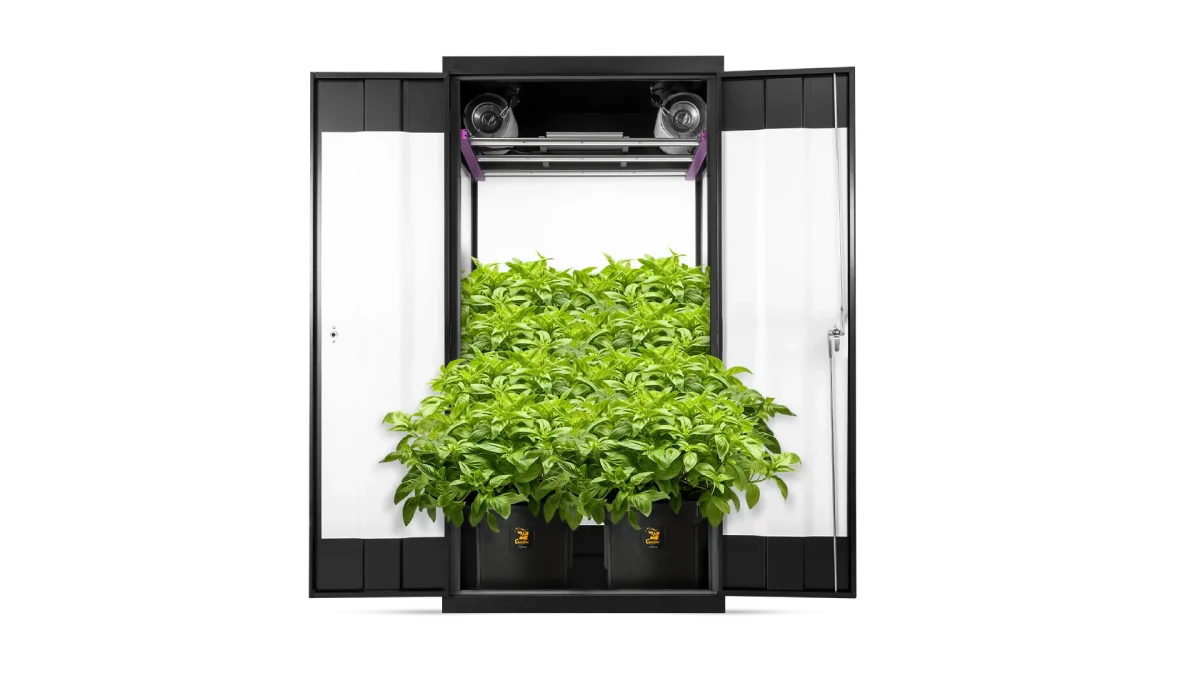
Proper air circulation is critical to maintaining a healthy environment inside your grow tent. Without adequate airflow, plants can become stressed, leading to poor growth and the increased risk of mold or pest infestations. Whether you are using a small grow tent or a larger one, choosing the right fan can make all the difference in creating an optimal growing environment.
Types of Fans for Grow Tents
When selecting a fan for your grow tent, there are several types to consider, each with its own benefits and purposes:
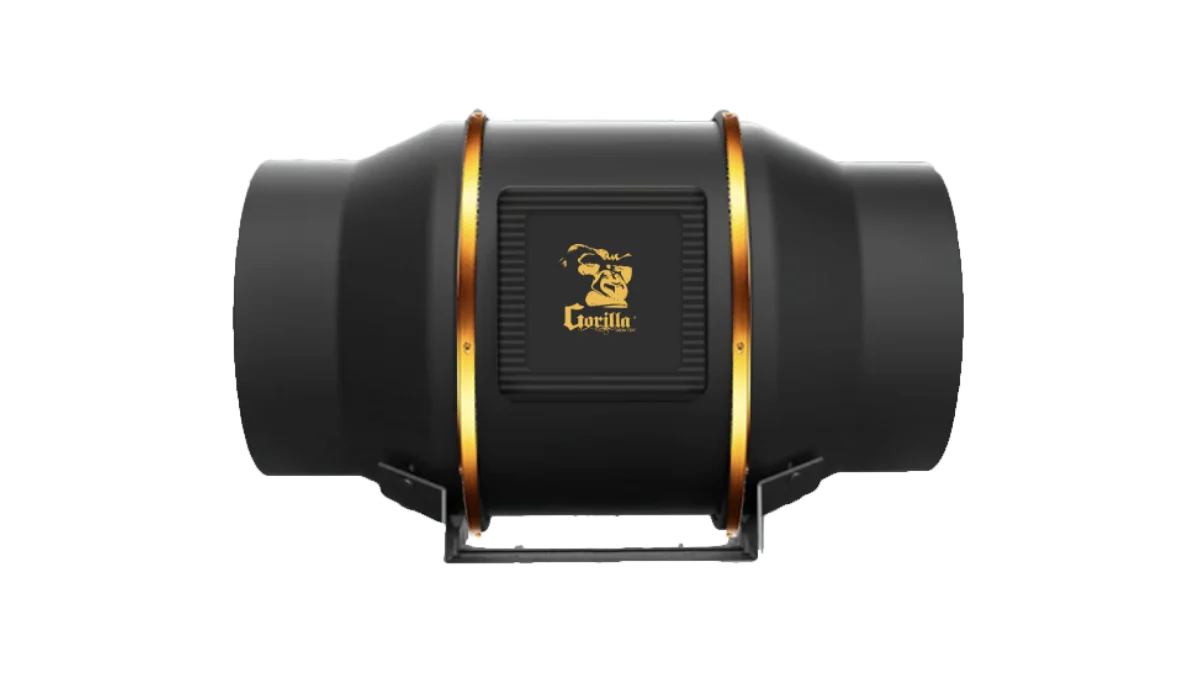
- Inline Fans: These are powerful fans that help exchange air inside the grow tent by pulling in fresh air and exhausting hot, humid air. They are usually paired with carbon filters for odor control.
- Oscillating Fans: These fans circulate air within the grow tent, helping to ensure that no areas remain stagnant. They are crucial for preventing hotspots and promoting even growth across all plants.
- Clip-On Fans: These smaller fans are perfect for providing targeted airflow around specific plants or areas inside the grow tent.
- Exhaust Fans: These fans help remove excess heat and humidity from the grow tent, ensuring that the internal environment remains stable.
How to Choose the Right Fan for Your Grow Tent
When selecting the right fan for your grow tent, several factors should be considered:
1. Grow Tent Size
The size of your grow tent is one of the most important factors in choosing the appropriate fan. A small grow tent will require less ventilation, while larger tents will need more powerful fans to move air efficiently. To determine the proper fan size, calculate the cubic feet of your tent by multiplying its length, width, and height. This will help you decide the cubic feet per minute (CFM) rating your fan should have.
2. Fan Power (CFM)
The CFM (cubic feet per minute) rating indicates how much air the fan can move per minute. Ideally, you should aim to replace the air in your grow tent every 1 to 3 minutes. For example, if your grow tent measures 4’x4’x6’, the volume is 96 cubic feet. Therefore, a fan with a CFM rating of at least 96 is required. However, it's generally recommended to choose a fan with 20-30% more power to account for filters, ducts, and any additional resistance.
3. Light Intensity and Heat
Grow lights, especially high-intensity ones like HID or HPS, generate a lot of heat. If you're using powerful lights, you'll need a fan that can effectively remove excess heat from the tent. LED lights, while cooler, may still require proper ventilation, but fans with lower CFM ratings can typically suffice.
4. Humidity and Temperature Control
Controlling humidity levels inside the grow tent is just as important as managing temperature. High humidity can lead to mold growth, while low humidity can stress plants. Choosing a fan with a speed controller allows you to adjust the fan's power based on the current conditions, ensuring your grow tent remains within optimal temperature and humidity ranges.
5. Noise Level
The noise level of a fan is an important consideration, especially if your grow tent is located in your home or apartment. Larger fans tend to produce more noise, so it's wise to choose models that operate quietly. Inline fans are typically quieter, and many come with noise-reducing features such as insulated ducting or silencer attachments.
6. Using Carbon Filters with Your Fan
Most grow tents use carbon filters to remove odors from the air before it is exhausted. These filters add resistance to the airflow, so you’ll need a fan with a higher CFM rating to compensate. Generally, adding a carbon filter requires an additional 20-30% CFM to ensure efficient airflow.
Conclusion: Picking the Perfect Fan for Your Grow Tent
Choosing the right fan for your grow tent kit is essential for maintaining healthy plants. Whether you're using an inline fan for ventilation or an oscillating fan for internal airflow, ensuring the proper air exchange will help prevent issues related to temperature, humidity, and stagnant air. Be sure to consider the size of your tent, the type of lights you're using, and the overall environment to make the best decision.
Frequently Asked Questions
- Do I need more than one fan for my grow tent? It depends on the size of your tent. For smaller tents, a single inline fan and possibly an oscillating fan may be sufficient. Larger tents may require multiple fans for efficient air circulation.
- Can I control fan speed? Yes, many fans come with speed controllers that allow you to adjust airflow to match the current needs of your grow tent.
- Are carbon filters necessary? If odor control is important, a carbon filter is a must. These filters remove the smell of growing plants from the air before it is exhausted.