How Do Plants Get Nutrients?
With this article, we wanted to inform you briefly about how plants are fed. You will find the basic information about plant nutrition that you need when stepping into cultivation.

Rooting for Nutrients: How Plants Absorb Essential Nutrients from Soil
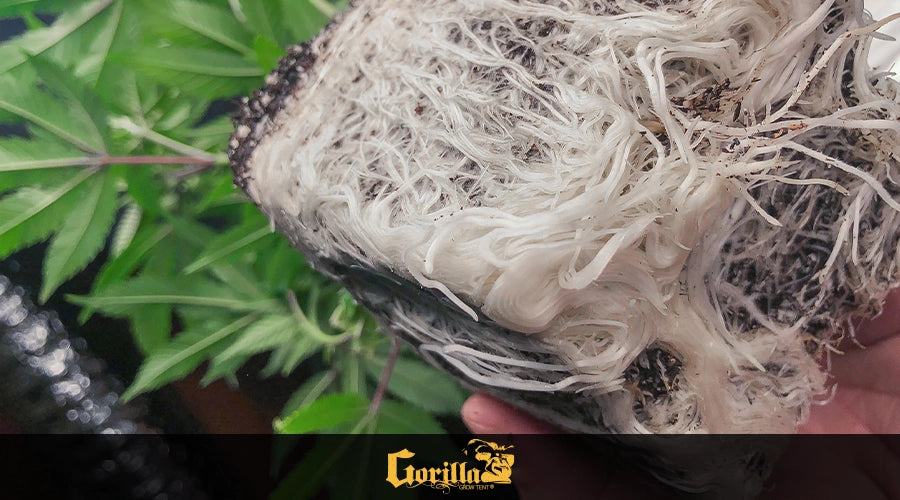
Plants obtain nutrients primarily from the soil through their roots. A plant's roots have tiny hair-like structures called "root hairs" that absorb water and dissolved nutrients from the soil.
Nutrients that plants need include macronutrients such as nitrogen, phosphorus, and potassium and micronutrients such as iron, zinc, and manganese. These nutrients are dissolved in soil water and taken up by the roots.
After nutrients are absorbed by the roots, they are transported throughout the plant via xylem and phloem. The xylem is responsible for the transport of water and minerals from the roots to the leaves, while the phloem is responsible for the transport of sugars and other organic compounds from the leaves to the rest of the plant.
Photosynthesis and Beyond: A Guide to How Plants Get Their Nutrients
Plants also produce their own food through photosynthesis, which involves the use of sunlight, water, and carbon dioxide to create glucose and oxygen. This process takes place in the leaves of the plant, and the glucose produced is used as fuel for plant growth and other metabolic processes.
In some cases, plants may also obtain nutrients from other sources, such as the decomposition of organic matter or symbiotic relationships with other organisms, such as nitrogen-fixing bacteria.
Plants also have the ability to adjust their nutrient intake to suit their needs. For example, if a plant is nitrogen deprived, it can increase the number of root hairs to absorb more nitrogen from the soil. Similarly, if a plant is getting too much of a particular nutrient, it can reduce the number of root hairs that absorb that nutrient.
The Role of Environmental Factors in Nutrient Uptake in Plants
In addition to soil nutrients, plants also need certain environmental conditions to thrive. For example, they need adequate light, water, and warmth for optimum growth. When these conditions are not met, the plant may have difficulty in the uptake of nutrients even if it is in the soil.
Hydroponic Plant Foods: Understanding the Basics
Hydroponic farming has recently become a widely preferred alternative farming method. Plant nutrition becomes even more important for this option, which radically changes the principles of soil agriculture. So what are the nutritional principles of these hydroponic plants?
When we say hydroponic plant nutrients, we mean the nutrients necessary for the growth and development of plants in the hydroponic system. Unlike traditional soil-based cultivation, hydroponic systems need nutrient-rich solutions to directly nourish the plants.
In this article, we will try to explain why plant nutrients are of vital importance in the hydroponic method.
The Importance of Hydroponics for Healthy Growth
What are Hydroponic Plant Foods?
Hydroponic plant nutrients are a combination of essential minerals and micronutrients that plants need for healthy growth. These nutrients are supplied to the plants in a nutrient solution specially formulated for hydroponic systems. Unlike traditional soil-based cultivation, hydroponic systems rely on nutrient-rich solutions to nourish plants directly.
Why are Hydroponic Plant Nutrients Important?
Hydroponic plant nutrients are important because they provide plants with essential minerals and micronutrients they need to grow and thrive. Plants in a hydroponic system have limited access to the natural minerals and nutrients found in the soil, so it is important to provide these nutrients in an easily available form.
How Hydroponic Plant Nutrients Work
Hydroponic plant nutrients work by providing plants with the essential minerals and micronutrients they need to grow and thrive. These nutrients are dissolved in water and delivered directly to the roots of plants. Plants absorb nutrients through their root systems and are used to create new tissue and support growth.
Hydroponic plant nutrients are available in different formulations depending on the plant growth stage. For example, plants in the vegetative stage need higher levels of nitrogen, while plants in the flowering stage require higher levels of phosphorus and potassium.
Preservation of pH Levels in Soilless Nutrient Solutions
Hydroponic plant nutrients also help maintain the pH balance of the nutrient solution. The pH level of the solution is critical to plant growth and must be kept within a certain range to ensure optimum nutrient uptake.
The pH level affects how well plants can absorb nutrients, so it's important to keep it in the optimal range for your particular plants.
Without the right balance of nutrients and pH, plants in a hydroponic system will struggle to grow and may even die.
pH levels can be adjusted using pH-raising or pH-lowering solutions, and it is important to regularly test the pH of your nutrient solution using a pH meter or test kit.