How to Grow Basil Indoors for Fresh Herbs Year-Round
Why Grow Basil Indoors?
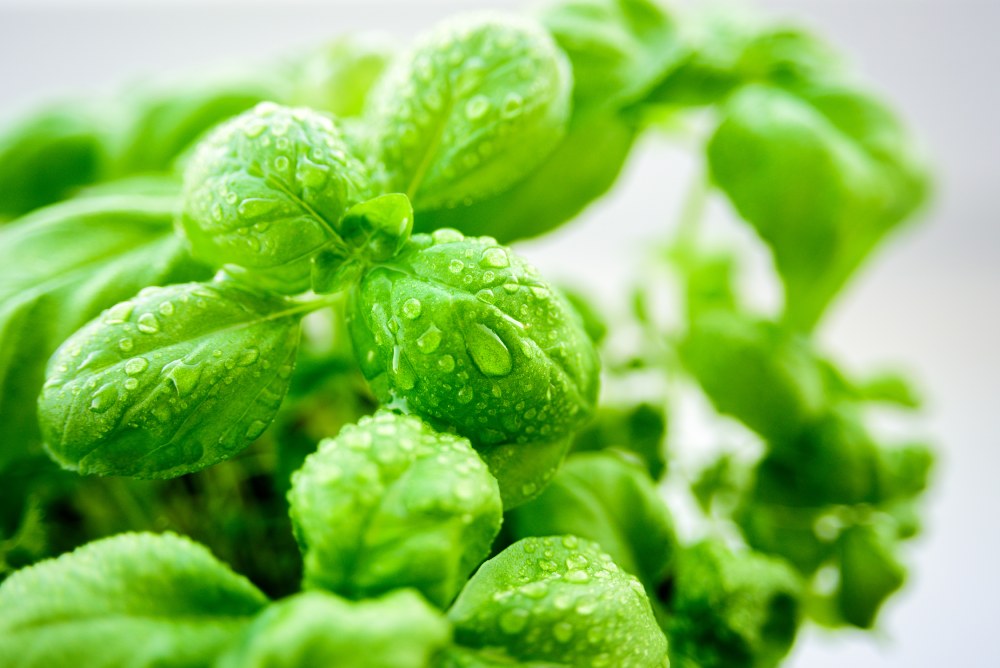
Growing basil indoors allows you to enjoy fresh, aromatic herbs year-round without needing a large garden or outdoor space. With the right setup, like a Gorilla Grow Tent, you can create the perfect environment for growing basil, ensuring it thrives indoors. Whether you’re an experienced gardener or just starting out, learning how to grow basil indoors is simple and rewarding. In this guide, we’ll walk you through the essential steps for growing healthy, flavorful basil in your home.
1. Choosing the Right Basil Variety for Indoor Growing
Basil comes in many varieties, and some are better suited for indoor growing than others. When choosing basil for your indoor garden, consider the following varieties:
- Sweet Basil: The most common type of basil, known for its large, aromatic leaves and versatile flavor. Perfect for pesto, salads, and Italian dishes.
- Genovese Basil: A variety of sweet basil with slightly larger leaves and a stronger flavor, ideal for making pesto.
- Greek Basil: A compact variety with small, flavorful leaves, making it a great choice for small spaces or containers indoors.
- Lemon Basil: This variety has a light, citrusy flavor and is great for adding a fresh twist to salads, soups, and beverages.
Once you’ve chosen your preferred basil variety, you can begin setting up your indoor growing space.
2. Setting Up Your Indoor Grow Tent for Basil
To grow basil successfully indoors, you need to create an environment that mimics outdoor conditions. A Gorilla Grow Tent is an excellent choice for controlling light, temperature, and humidity, giving you the ideal setup for growing basil. Here’s how to get started:
2.1 Light Requirements
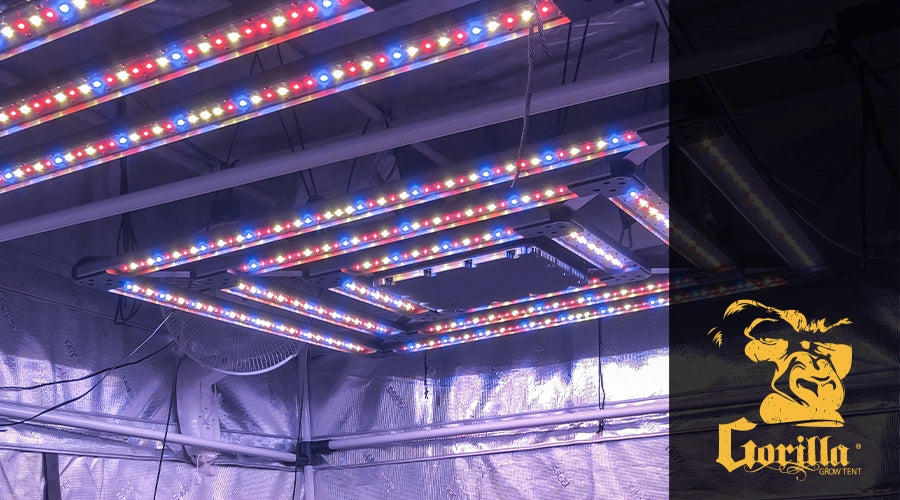
Basil needs at least 6-8 hours of sunlight per day to thrive. Since natural sunlight may be limited indoors, using grow lights is essential. Full-spectrum LED grow lights are perfect for providing the right light intensity and spectrum for basil. Position the lights 12-18 inches above the plants and adjust them as the basil grows.
2.2 Temperature and Humidity
Basil prefers warm temperatures between 70°F and 85°F. Keeping the temperature consistent is key to healthy growth. The Gorilla Grow Tent helps maintain an ideal growing environment by providing insulation and temperature control. Basil also enjoys moderate humidity levels (around 40-60%). A humidifier can help maintain the right humidity if your indoor air is too dry.
2.3 Air Circulation
Proper air circulation is important to prevent mold and mildew growth on your basil plants. Use a small fan inside your grow tent to keep air moving and maintain a healthy growing environment. The built-in ventilation systems in Gorilla Grow Tents make it easy to ensure your plants get the fresh air they need.
3. Planting Basil Indoors
Once your grow tent is set up, it’s time to plant your basil seeds or seedlings. Follow these steps for successful indoor planting:
Step 1: Choose the Right Containers
Basil grows well in containers, and choosing the right pot is essential. Use pots with drainage holes to prevent waterlogging. Basil prefers well-draining soil, so consider using a high-quality potting mix or a mix of compost and perlite.
Step 2: Plant the Seeds or Seedlings
If you’re starting from seeds, plant them about ¼ inch deep in the soil and cover lightly. Water the seeds gently and keep the soil consistently moist. If using seedlings, plant them in the pot and gently press the soil around the roots.
Step 3: Watering
Basil requires consistent moisture but not waterlogged soil. Water the plants when the top inch of soil feels dry, and be careful not to overwater, as this can lead to root rot. Using a spray bottle can help keep the soil evenly moist without soaking the plants.
4. Caring for Indoor Basil
Once your basil is planted, it’s important to care for it properly to ensure healthy growth and a bountiful harvest. Here are some essential care tips:
4.1 Pruning and Harvesting
Regularly pruning your basil encourages bushier growth and prevents the plant from becoming leggy. Once your basil plant has developed a few sets of leaves, start pinching or trimming the top leaves to encourage branching. Harvesting basil regularly also promotes new growth—just be sure to leave enough leaves on the plant to keep it healthy.
4.2 Fertilizing
Basil is a relatively light feeder but can benefit from occasional fertilization. Use an organic liquid fertilizer once every 4-6 weeks to provide essential nutrients. Be cautious not to over-fertilize, as too much can affect the flavor of the basil.
4.3 Pests and Diseases
While indoor basil is less likely to face pests, you may still encounter aphids, spider mites, or whiteflies. Check your plants regularly for signs of pests and treat with organic insecticidal soap if necessary. Maintaining good air circulation and avoiding overwatering will help prevent diseases like root rot and mildew.
5. Best Practices for Growing Basil Indoors
Here are some additional tips to keep your basil plants thriving:
- Rotate Plants: Turn your basil plants occasionally to ensure even exposure to light.
- Check for Flowering: If you see flowers forming on your basil plant, pinch them off. Flowering can reduce the quality of the leaves, making them taste bitter.
- Temperature Control: Avoid placing your grow tent in drafty or cold areas, as basil is sensitive to temperature fluctuations.
Conclusion: Grow Fresh Basil Indoors with Gorilla Grow Tent
Growing basil indoors is a rewarding and straightforward process, especially when using a Gorilla Grow Tent to create the perfect environment. With the right care, you can enjoy fresh, aromatic basil year-round, perfect for adding to your favorite recipes. By following these steps, you’ll have a healthy and productive indoor basil garden in no time. Start growing your own basil indoors today and experience the joy of fresh, homegrown herbs.
Frequently Asked Questions
- How much light does basil need indoors? Basil requires 6-8 hours of sunlight or full-spectrum grow light exposure each day.
- How often should I water my indoor basil? Water your basil when the top inch of soil feels dry, but avoid overwatering to prevent root rot.
- Can I grow basil indoors year-round? Yes, with the right indoor growing setup, such as a Gorilla Grow Tent, you can grow basil year-round, regardless of the season.