How to Use Trellis Netting in a Grow Tent?
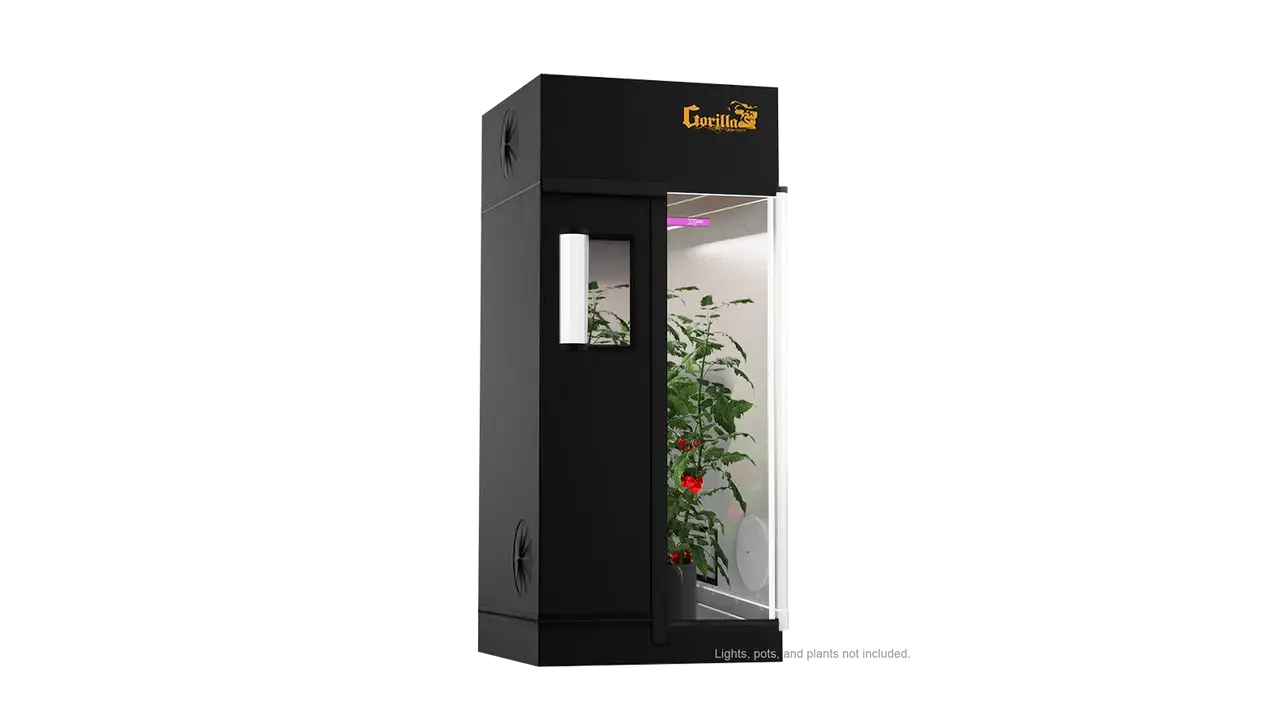
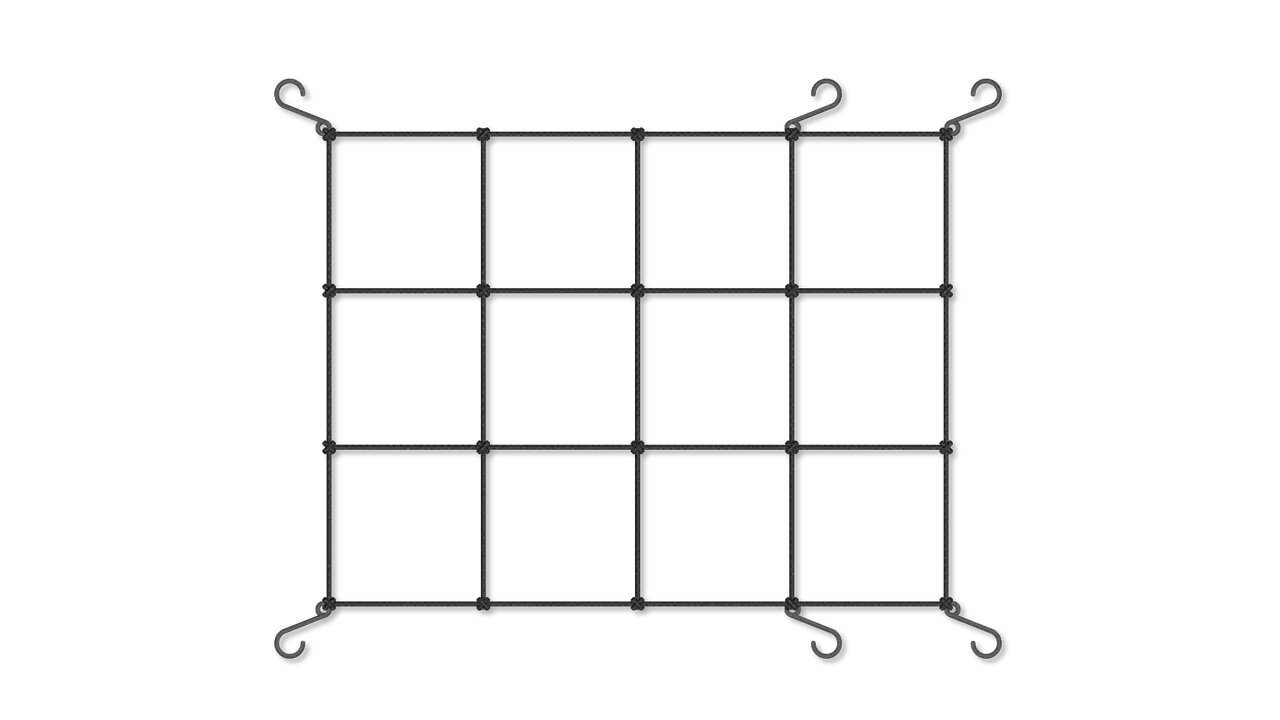
Trellis netting is an essential tool for indoor growers looking to support plant growth, improve yields, and optimize canopy management. When used correctly in a Gorilla Grow Tent, it helps train plants, distribute light evenly, and maximize space.
Why Use Trellis Netting in a Grow Tent?
Trellis netting offers several key benefits for indoor growing:
-
Maximizes Canopy Space – Helps spread out plant branches for better light exposure.
-
Supports Heavy Buds – Prevents plants from sagging under the weight of dense flowers.
-
Enhances Airflow – Reduces overcrowding and improves ventilation.
-
Encourages Horizontal Growth – Allows even light distribution for better yields.
-
Increases Yields – Helps plants use space efficiently and grow more robustly.
How to Set Up Trellis Netting in a Grow Tent?
Proper installation ensures plants get the best structural support. Follow these steps to set up trellis netting in your Gorilla Grow Tent:
1. Choose the Right Trellis Netting
Select a durable and flexible trellis net with the appropriate hole size (3-6 inches) to allow easy plant weaving and support.
2. Position the Trellis at the Right Height
-
Place the first trellis net 8-12 inches above the plant base for early support.
-
Install a second net higher up (if needed) to support flowering branches.
-
Adjust height based on your plant’s growth and training method.
3. Secure the Trellis Netting
-
Attach the netting to the tent’s frame using hooks, zip ties, or clips.
-
Ensure it's tight but flexible enough for easy plant weaving.
4. Train Plants Using the Trellis
-
As plants grow, gently weave branches through the net openings.
-
Spread them evenly across the net to create a flat, wide canopy.
-
Trim lower growth to direct energy to top bud sites.
Trellis Netting Techniques
1. SCROG (Screen of Green) Method
-
Involves using trellis netting to train plants into a horizontal canopy.
-
Maximizes light penetration and encourages even bud development.
-
Ideal for maximizing yields in limited space.
2. Two-Layer Support
-
The first net supports vegetative growth, helping plants spread out.
-
The second net supports heavy buds during flowering.
-
Prevents plants from drooping under their own weight.
Why Choose a Gorilla Grow Tent for Trellis Netting?
A Gorilla Grow Tent is designed for optimal plant training and trellis netting setup. Here’s why it’s the perfect choice:
-
Height-Adjustable Design – Allows for taller plants and multiple trellis layers.
-
Strong Metal Frame – Supports heavy netting and plant loads.
-
Multiple Ventilation Ports – Ensures adequate airflow for healthy plant growth.
-
1680D Thick Canvas – Maintains a controlled environment for optimal yields.
Using trellis netting in a grow tent is a game-changer for maximizing space, enhancing airflow, and boosting yields. By properly setting up and utilizing trellis techniques like SCROG, growers can achieve healthier, more productive plants.
For the best results, pair trellis netting with a Gorilla Grow Tent, which provides superior height adjustability, strong support, and an ideal environment for plant training. Whether you’re a beginner or experienced grower, trellis netting is a must-have tool for indoor cultivation success!
How to Keep a Grow Tent Cool?
Maintaining the right temperature in a Gorilla Grow Tent is essential for plant health and maximum yields. High temperatures can stress plants, reduce photosynthesis, and lower overall growth efficiency.
Why Temperature Control Matters?
Keeping a grow tent cool ensures:
-
Healthy plant growth – Prevents heat stress and dehydration.
-
Optimal photosynthesis – Maintains proper CO2 intake.
-
Stronger yields – Encourages proper bud and fruit development.
-
Prevention of mold and pests – Reduces humidity buildup and stress-related issues.
Best Ways to Keep a Grow Tent Cool
To prevent overheating, implement these cooling strategies:
1. Use an Efficient Ventilation System
-
Install an inline exhaust fan to pull hot air out of the tent.
-
Use oscillating fans to improve airflow and prevent hotspots.
-
Ensure fresh air intake by keeping intake vents open.
2. Optimize Lighting to Reduce Heat
-
Switch to LED grow lights instead of HID or HPS bulbs.
-
Adjust light height to prevent direct heat exposure to plants.
-
Run lights during cooler hours of the day to balance temperature.
3. Improve Air Circulation
-
Place multiple fans inside the tent for even airflow.
-
Use ducting with an exhaust fan to remove heat from enclosed spaces.
-
Position fans at different angles to distribute cool air effectively.
4. Control Temperature with AC or Cooling Devices
-
Install a portable air conditioner or mini-split AC for precise cooling.
-
Use evaporative coolers or swamp coolers in dry climates.
-
Consider a chilled water system for advanced cooling needs.
5. Use a Climate Controller
-
Install a temperature and humidity controller to automate cooling.
-
Set up smart thermostats that adjust fans and AC based on real-time temperature changes.
-
Monitor tent temperature regularly using digital thermometers.
6. Insulate and Position Your Grow Tent Properly
-
Place the grow tent in a cool, shaded area.
-
Use reflective insulation to prevent excessive heat absorption.
-
Avoid setting up the tent near heat-producing appliances or direct sunlight.
Why Gorilla Grow Tent Helps Maintain Cool Temperatures?
Gorilla Grow Tent is designed for superior climate control, making it easier to maintain optimal temperatures:
-
1680D Thick Canvas – Provides insulation and reduces external heat impact.
-
Height-Adjustable Design – Allows for better airflow and cooling.
-
Multiple Ventilation Ports – Supports fan and AC integration for improved cooling.
-
Diamond Reflective Mylar – Enhances light efficiency while minimizing excess heat.
Keeping your grow tent cool is crucial for plant health and yield optimization. By using ventilation systems, optimizing lighting, improving airflow, and integrating cooling devices, you can prevent heat stress and create an ideal growing environment.
For the best results, Gorilla Grow Tent provides superior insulation, ventilation control, and a height-adjustable design, making it the top choice for indoor growers looking to maintain the perfect climate.