How to Create an Indoor Hydroponic Garden
How to Create an Indoor Hydroponic Garden with Gorilla Grow Tent
Introduction to Indoor Hydroponic Gardening
Indoor hydroponic gardening is a soil-free growing method that allows you to cultivate plants in nutrient-rich water solutions. This method has become increasingly popular among indoor gardeners due to its ability to deliver faster plant growth, higher yields, and more control over nutrients. Setting up an indoor hydroponic garden using a high-quality Gorilla Grow Tent ensures your plants grow in an optimal, controlled environment. In this guide, we’ll walk you through the steps of creating a thriving indoor hydroponic garden.
1. Why Choose Hydroponics for Indoor Gardening?
Hydroponic gardening offers several benefits compared to traditional soil-based growing, especially in an indoor environment:
- Faster Growth: Plants grown in hydroponic systems receive direct access to nutrients, allowing for faster growth and higher yields compared to soil-grown plants.
- Space Efficiency: Hydroponic systems take up less space, making them ideal for indoor environments. You can grow more plants in smaller areas, which is perfect for grow tents.
- Water Conservation: Hydroponics uses up to 90% less water than traditional soil gardening, as water is recirculated within the system.
- Fewer Pests: Since there’s no soil, the risk of soil-borne pests and diseases is reduced, resulting in healthier plants.
2. Choosing the Right Gorilla Grow Tent for Hydroponics
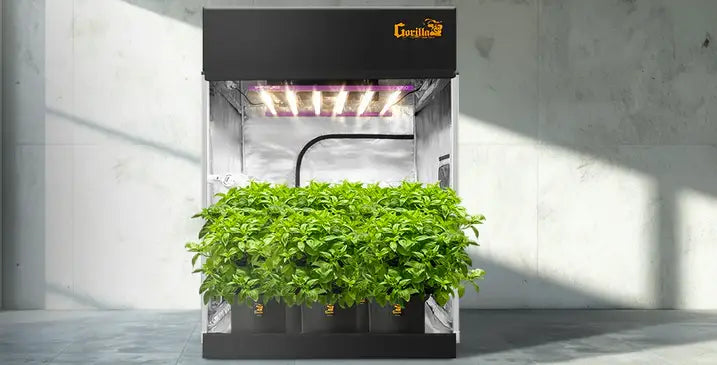
When setting up an indoor hydroponic garden, the grow tent you choose is critical for controlling your environment. Gorilla Grow Tent offers a variety of sizes and features to suit your needs:
- Size: Gorilla Grow Tents come in multiple sizes, from compact 2'x2' tents for small gardens to larger 4'x4' or 5'x5' tents for more extensive setups. Consider the number of plants and the size of your hydroponic system when selecting a tent.
- Durability: Made from heavy-duty canvas with strong zippers and steel poles, Gorilla Grow Tents are built to last, providing a stable environment for your hydroponic system.
- Height Adjustability: Many Gorilla Grow Tents feature height extension kits, allowing you to increase vertical space for taller plants or to accommodate larger lights and equipment.
- Reflective Interior: The interior of Gorilla Grow Tents is lined with highly reflective material, ensuring your plants receive maximum light exposure from all angles.
3. Selecting a Hydroponic System for Your Indoor Garden
There are several types of hydroponic systems, each with its own benefits. Choose the system that best fits your grow space and gardening goals:
- Deep Water Culture (DWC): In a DWC system, plant roots are suspended in oxygenated water, providing direct access to nutrients. This is a simple and effective system for beginners.
- Nutrient Film Technique (NFT): The NFT system uses a thin film of water containing nutrients that continuously flows over the plant roots. It’s ideal for smaller plants and herbs.
- Drip System: A drip system slowly drips nutrient-rich water directly onto the roots, making it a versatile option for various plant sizes.
- Ebb and Flow (Flood and Drain): In this system, the growing tray is periodically flooded with the nutrient solution, then drained back into a reservoir. It’s suitable for a variety of plants and offers excellent oxygenation.
4. Setting Up Grow Lights for Hydroponic Gardening
Proper lighting is essential for plant growth, especially in a hydroponic system where plants rely on artificial light. Gorilla Grow Tents are designed to accommodate various lighting setups. Here are your best options:
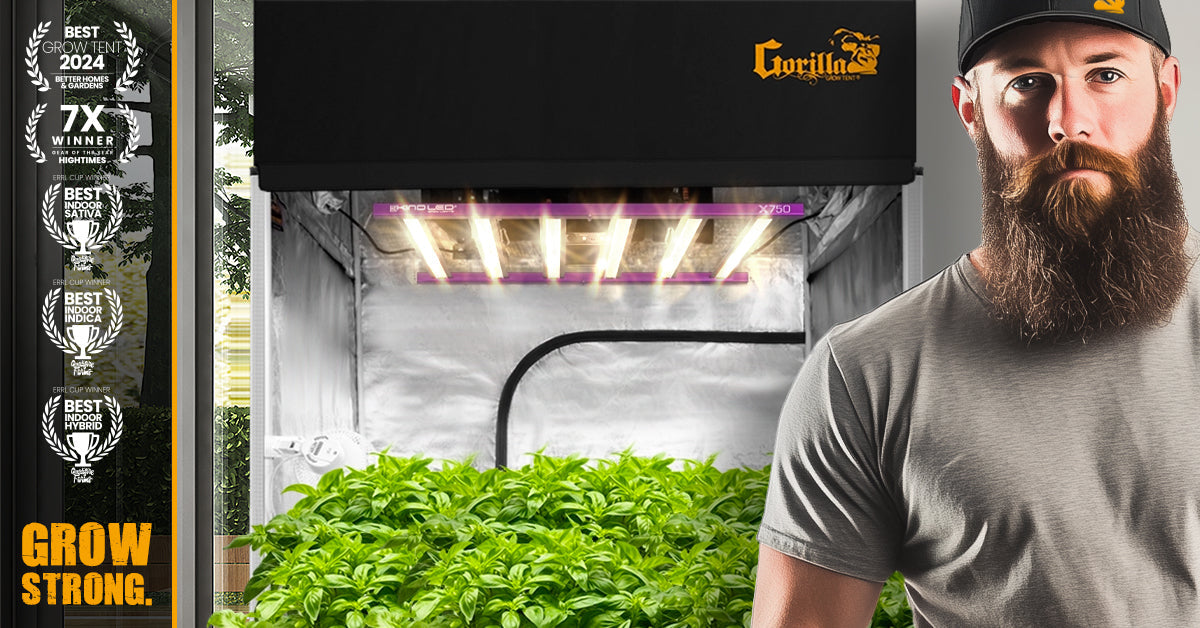
- LED Grow Lights: LED lights are the most efficient and popular choice for hydroponic gardening. They provide a full spectrum of light and produce minimal heat, helping you maintain optimal temperatures in your grow tent.
- HID (High-Intensity Discharge) Lights: HID lights, including Metal Halide (MH) and High-Pressure Sodium (HPS) lights, offer powerful light for plant growth but generate more heat. These lights are suitable for larger grow rooms with proper ventilation.
- Fluorescent Lights: Fluorescent lights are ideal for smaller grow tents and are perfect for growing herbs, leafy greens, and seedlings.
5. Ventilation and Airflow for Hydroponic Grow Tents
Proper ventilation ensures that your plants receive enough fresh air while maintaining the correct temperature and humidity levels inside the grow tent. Here’s what you need for an effective ventilation system:
- Inline Fan: An inline fan will help remove hot air and bring fresh air into your grow tent. This is essential for temperature control, especially when using powerful grow lights.
- Carbon Filter: A carbon filter is recommended if you’re growing plants that produce strong odors. It helps eliminate smells before air is exhausted from the grow tent.
- Oscillating Fan: Place an oscillating fan inside the tent to circulate air around the plants, preventing heat buildup and encouraging stronger stems.
6. Nutrient Management in Hydroponic Gardening
In hydroponics, plants get their nutrients directly from the water solution, so it’s crucial to use the right nutrient mix for your plants. Here’s what to keep in mind:
- Hydroponic Nutrients: Use a nutrient solution specifically designed for hydroponics. These solutions contain the essential nutrients plants need, such as nitrogen, phosphorus, potassium, and trace elements.
- pH Levels: Maintain a pH range of 5.5 to 6.5 to ensure proper nutrient absorption. Use a pH meter to monitor your solution regularly and adjust as needed.
- EC (Electrical Conductivity): EC measures the nutrient concentration in your water. Keeping EC levels balanced ensures that your plants are neither under- nor over-fertilized.
7. Monitoring and Maintaining Your Hydroponic System
Once your hydroponic garden is set up, regular monitoring and maintenance will help ensure successful plant growth. Here are a few tips:
- Water Levels: Check water levels regularly and top up your nutrient solution as needed to ensure plants have constant access to nutrients.
- Clean the System: Keep your hydroponic system clean to prevent algae buildup and clogged tubes. Rinse the system between growing cycles to avoid nutrient residue.
- Inspect Plants: Monitor your plants for signs of nutrient deficiency, pests, or diseases. Catching issues early will help maintain a healthy garden.
Conclusion: Building Your Indoor Hydroponic Garden with Gorilla Grow Tent
Setting up an indoor hydroponic garden with a Gorilla Grow Tent allows you to create the perfect environment for plant growth. By selecting the right hydroponic system, grow lights, ventilation, and nutrients, you’ll ensure that your plants thrive indoors. With the proper care and attention, your hydroponic garden will provide faster growth, higher yields, and healthier plants, all within the comfort of your home.
Frequently Asked Questions
- Can I use a hydroponic system in a small Gorilla Grow Tent? Yes, many hydroponic systems are compact and can fit inside small grow tents. Deep Water Culture (DWC) and drip systems are great for smaller setups.
- Do I need a carbon filter for my hydroponic garden? If you’re growing plants with strong odors,a carbon filter is highly recommended to manage smells in your indoor garden.
- How often should I change the water in my hydroponic system? It’s generally recommended to change the nutrient solution every 1-2 weeks to prevent nutrient buildup and ensure fresh, balanced water for your plants.