Liquid Nutrients vs Dry Nutrients: Which Is Better for Your Plants?
Introduction to Liquid and Dry Nutrients
As a gardener or grower, one of the essential decisions you must make is whether to feed your plants using liquid nutrients or dry nutrients. Both types of nutrients offer their own set of benefits and challenges, and choosing the right one can have a significant impact on plant health, growth rate, and yield. In this comprehensive guide, we will break down the key differences between liquid nutrients and dry nutrients, provide insights on when to use each type, and help you make an informed decision for your garden or growing operation.
What Are Liquid Nutrients?
Overview of Liquid Nutrients
Liquid nutrients are fertilizers dissolved in water, providing a ready-to-use formula for plant feeding. This nutrient type is often pre-mixed, making it a convenient option for both novice and experienced growers. Liquid nutrients are commonly used in hydroponic systems but are also suitable for soil-based grows. They are available in bottles or containers and can be easily diluted to suit the needs of different plants.
Advantages of Liquid Nutrients
- Easy to Use: One of the primary benefits of liquid nutrients is their ease of application. Since they come pre-dissolved, you can simply pour or measure the required amount directly into your plants’ watering system.
- Fast Absorption: Because the nutrients are already in liquid form, plants can absorb them quickly. This makes liquid nutrients ideal for fast-growing plants or plants that need immediate nutrient uptake.
- Precise Dosing: Many liquid nutrient formulas are designed for specific plant stages, such as vegetative growth or flowering. This allows for targeted feeding at each growth phase, maximizing plant performance.
Disadvantages of Liquid Nutrients
- Higher Cost: Liquid nutrients tend to be more expensive compared to their dry counterparts, both in terms of product price and shipping cost due to their heavier weight.
- Shelf Life: Once opened, liquid nutrients have a limited shelf life. They may degrade over time, especially if exposed to light or extreme temperatures.
- Storage: Liquid nutrients require more storage space, and improper storage can affect their potency. They must be stored in cool, dark places to maintain effectiveness.
What Are Dry Nutrients?
Overview of Dry Nutrients
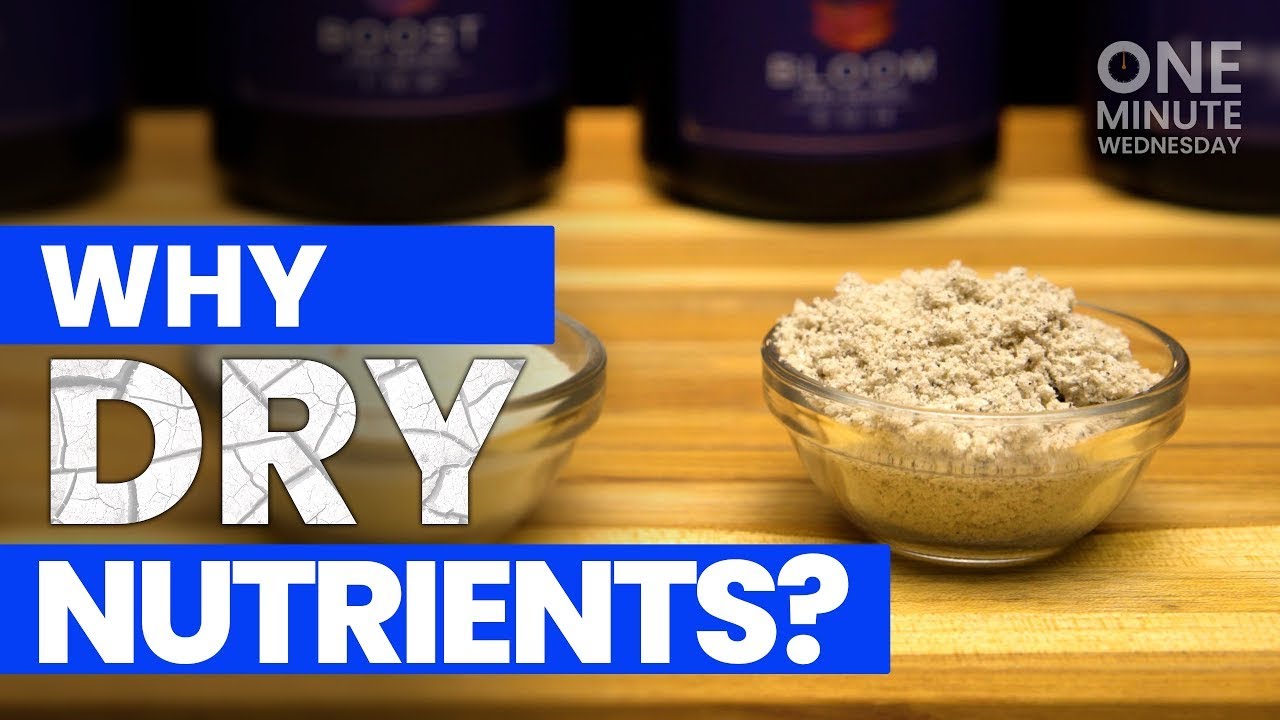
Dry nutrients, also known as powdered or granular fertilizers, come in a solid form and must be mixed with water before application. These nutrients are typically available in bags or containers and can be stored for extended periods. Dry nutrients are widely used in both commercial and home gardens due to their cost-effectiveness and flexibility.
Advantages of Dry Nutrients
- Cost-Effective: Dry nutrients are generally more affordable than liquid nutrients, especially when purchased in bulk. They are also less expensive to ship because they are lighter and more compact.
- Long Shelf Life: Dry nutrients can last for years if stored properly, making them an excellent choice for growers who want to buy in bulk and store their nutrients over time.
- Custom Blends: Growers can mix different types of dry nutrients to create customized fertilizer blends that cater specifically to their plants' needs.
Disadvantages of Dry Nutrients
- Requires Mixing: Unlike liquid nutrients, dry nutrients need to be dissolved in water before application. This extra step can be time-consuming, especially for larger gardens.
- Risk of Uneven Distribution: If not mixed thoroughly, dry nutrients can settle unevenly in the solution, leading to inconsistent nutrient delivery to plants.
- Slower Absorption: Since dry nutrients need to dissolve and be absorbed by the plants, they typically work slower than liquid nutrients. This makes them less ideal for plants that need immediate nutrient access.
Liquid Nutrients vs Dry Nutrients: Key Differences
1. Application and Convenience
One of the most apparent differences between liquid and dry nutrients is the ease of use. Liquid nutrients come ready to use, making them extremely convenient for growers who prefer a quick and easy feeding process. In contrast, dry nutrients require mixing before use, which can be more time-consuming, but offers the advantage of customization.
2. Cost
Cost is another major factor to consider when deciding between liquid and dry nutrients. While liquid nutrients may offer convenience, they tend to be more expensive in the long run, especially for larger gardens. Dry nutrients, on the other hand, are generally more affordable and can be purchased in bulk for added savings.
3. Absorption Rate
Liquid nutrients are absorbed by plants faster than dry nutrients. This is because they are already dissolved in water, making them readily available to plant roots. Dry nutrients, on the other hand, need time to dissolve and become available to plants, leading to slower absorption rates.
4. Storage and Shelf Life
Dry nutrients win in terms of storage and shelf life. They are more stable and can be stored for long periods without losing effectiveness, whereas liquid nutrients may degrade over time if not stored correctly.
When to Use Liquid Nutrients
1. Hydroponic Systems
Liquid nutrients are often the preferred choice for hydroponic systems because they dissolve quickly and can be easily delivered to plants through the nutrient solution. Hydroponic setups require precise nutrient control, and liquid nutrients make this process easier and more efficient.
2. Quick Growth Phases
If your plants are in a fast-growing phase, such as the vegetative or flowering stages, liquid nutrients can provide the immediate nutrition they need. Liquid fertilizers are quickly absorbed, allowing for rapid growth and development.
When to Use Dry Nutrients
1. Large-Scale Gardens
For commercial or large-scale growers, dry nutrients are often the best option due to their cost-effectiveness and long shelf life. The ability to purchase in bulk and store for extended periods makes dry nutrients ideal for large growing operations.
2. Long-Term Storage
If you’re looking for a nutrient option that can be stored long-term without losing its effectiveness, dry nutrients are the way to go. They are less prone to degradation and don’t require the same storage conditions as liquid nutrients.
Liquid Nutrients vs Dry Nutrients: A Cost Comparison
Cost is one of the primary considerations for most growers when choosing between liquid and dry nutrients. Liquid nutrients, while convenient, tend to be more expensive per application due to their pre-mixed form and shipping costs. On the other hand, dry nutrients are more affordable, especially when purchased in bulk, making them a more economical choice for growers who are looking to save money in the long term.
Conclusion: Liquid vs Dry Nutrients – Which is Best?
Ultimately, the choice between liquid nutrients and dry nutrients depends on your specific growing needs, budget, and preferences. If you prioritize convenience and fast absorption, liquid nutrients may be the better option for your garden. However, if you’re looking for cost-effective, long-term storage solutions, dry nutrients are likely the best choice.
By understanding the differences between these two types of nutrients, you can make an informed decision and provide the best possible care for your plants, whether you’re a hobbyist or managing a large-scale growing operation.