How to Identify and Prevent Mold on Plants: The Complete Grow Tent Protection Guide
Plant mold can destroy months of careful cultivation in just days. Whether you're dealing with powdery mildew, bud rot, or gray mold, understanding how to identify and prevent these fungal threats is essential for protecting your investment and ensuring a healthy harvest.
Mold thrives in environments with poor air circulation, high humidity, and inconsistent temperatures—exactly the conditions that can develop in improperly managed grow tents. This comprehensive guide will help you recognize early warning signs, implement proven prevention strategies, and create the optimal growing environment that keeps mold at bay.
Understanding Common Plant Mold Types
Powdery Mildew: The Silent Destroyer
Powdery mildew appears as white, dusty spots on leaves that gradually spread across your plant's surface. This fungal infection thrives in humidity levels above 55% during flowering and can quickly overtake an entire crop.
Early signs include:
- White powdery patches on leaf surfaces
- Yellowing leaves with white spots
- Sweet, musty odor in your grow space
- Reduced plant vigor and stunted growth

Bud Rot (Botrytis): The Harvest Killer
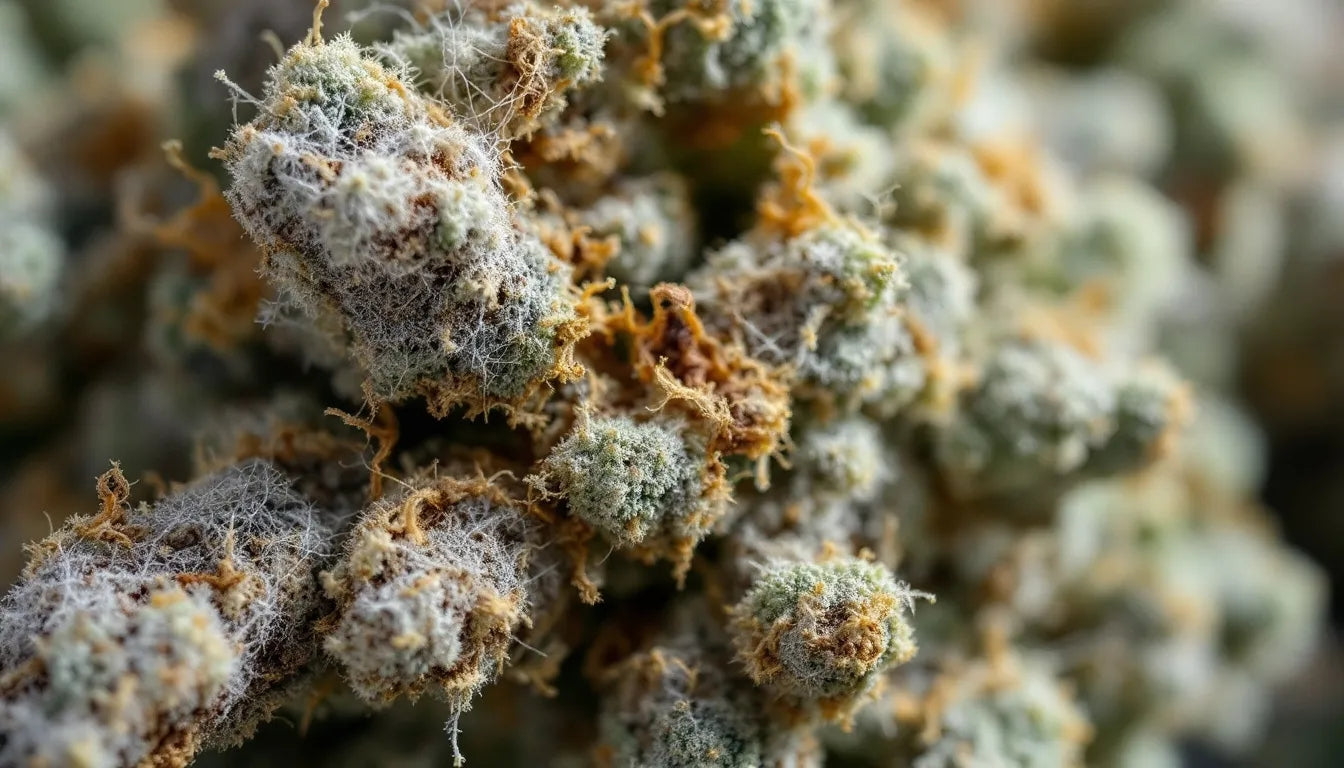
Bud rot attacks dense flowering areas where air circulation is limited. This gray-brown mold can destroy entire colas overnight, making it one of the most feared plant pathogens.
Warning signs include:
- Brown, musty-smelling areas in dense buds
- Gray fuzzy growth inside flower clusters
- Leaves turning yellow around affected buds
- Easy separation of infected plant material
Gray Mold: The Rapid Spreader
Gray mold typically affects stems and branches, creating brown lesions that weaken plant structure. Unlike bud rot, gray mold often starts at wound sites or areas of high moisture accumulation.
Essential Mold Prevention Strategies
Optimize Humidity Control
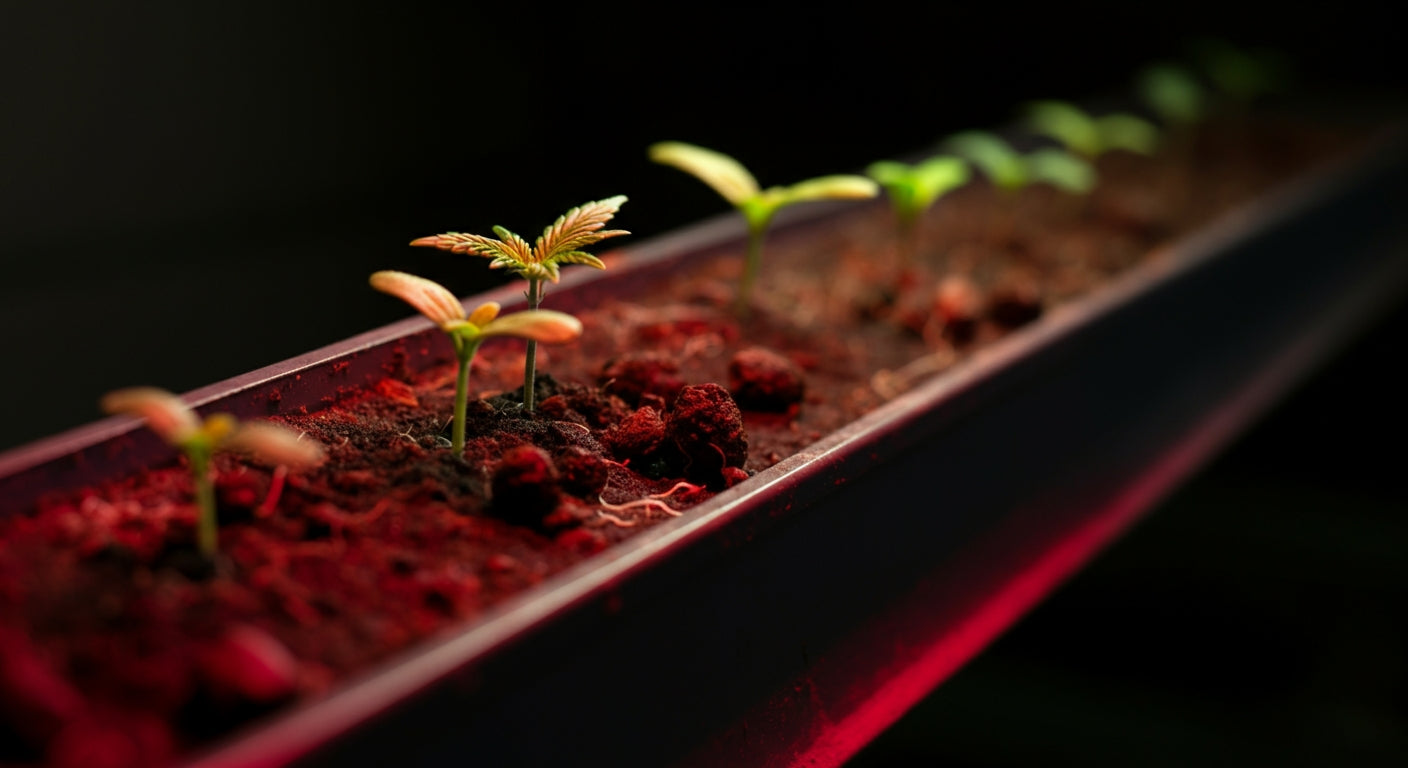
Maintaining proper humidity levels throughout your plant growth cycle is your first line of defense against mold. Different growth stages require specific humidity ranges: seedlings need 65-70%, vegetative growth requires 50-70%, early flowering needs 40-50%, and late flowering should stay below 40%.
Effective humidity management tools:
- Gorilla GXi Inline Fans for automated humidity control
- Dehumidifiers for reducing excess moisture
- Hygrometers for accurate monitoring
- Strategic ventilation placement
Installing digital hygrometers at canopy level helps you accurately track humidity, and many growers use multiple sensors to identify problem areas within the tent.
Master Airflow and Ventilation
Proper ventilation maintains a healthy growing environment and helps prevent potential issues such as mold, pests, and stagnant air. Stagnant air creates perfect conditions for mold spores to settle and multiply.
Ventilation best practices:
- Install Gorilla Carbon Filters with appropriately sized exhaust fans
- Create negative pressure with stronger exhaust than intake
- Position oscillating fans for circular airflow patterns
- Ensure fresh air exchange every 1-3 minutes
Gorilla Grow Tents have multiple properly placed ports to allow for the most beneficial grow tent ventilation system, including mesh pre-filters on lower vents to allow for fresh air flow without allowing unwanted critters entry.
Temperature Regulation
Maintaining consistent temperatures between 70-85°F (21-29°C) prevents the temperature fluctuations that encourage mold growth. Effective ventilation helps manage the temperature within the grow tent, preventing overheating during hot periods and avoiding chilling during colder times.
Temperature control methods:
- Smart fan controllers for automatic adjustments
- Insulation during cold periods
- Heat management during hot weather
- Day/night temperature differential monitoring
Advanced Mold Prevention Techniques
Environmental Monitoring Technology
Modern grow tent setups benefit from integrated environmental control systems. The GXi ecosystem creates a unified growing environment where devices communicate and collaborate, with environmental sensors triggering intelligent responses from fans, lights, and auxiliary equipment.
Smart monitoring features:
- Wireless temperature and humidity sensors
- Automated fan speed adjustments
- VPD (Vapor Pressure Deficit) optimization
- Real-time alerts for environmental changes
Strategic Plant Management
Beyond environmental controls, proper plant care significantly reduces mold risk:
Cultivation practices:
- Selective defoliation for improved airflow
- Strategic plant spacing to prevent overcrowding
- Regular inspection of dense flowering areas
- Gentle LST (Low Stress Training) to open canopy structure
Grow Tent Selection for Mold Prevention
Gorilla Grow Tents are equipped with strategically placed ventilation ports and ducting holes that make it easy to install fans and filters, ensuring proper airflow and odor control. The right grow tent provides the foundation for effective mold prevention.
Key tent features:
- Multiple ventilation ports for flexible airflow design
- Strong frame for supporting ventilation equipment
- Light-proof construction to prevent light leaks
- Easy access for regular plant inspection
Emergency Mold Response
Early Detection Protocol
If you discover mold in your grow tent, immediate action is critical:
- Isolate affected areas to prevent spread
- Increase air circulation around infected plants
- Reduce humidity below 40% immediately
- Remove infected material with sterile tools
- Clean and disinfect all surfaces
Recovery Strategies
Regularly clean and sanitize your grow tent to prevent the buildup of dust, debris, and potential pathogens. A dirty environment can hinder ventilation efficiency and increase the risk of pests and diseases.
Sanitation steps:
- Wipe down tent walls with mild cleaning solution
- Replace air filters and carbon filters
- Sterilize all growing equipment
- Adjust environmental controls for prevention
FAQ: Plant Mold Prevention
What humidity level prevents plant mold?
During the flowering stage, maintaining lower humidity becomes especially critical to prevent mold and bud rot. For most mature plants, keeping relative humidity below 50% is recommended to prevent moisture-related problems.
How often should I check my plants for mold?
Inspect your plants daily during flowering, paying special attention to dense bud areas and the interior of your canopy where air circulation may be limited.
Can I save a plant with early-stage mold?
Early-stage powdery mildew can often be managed with improved environmental controls and selective removal of affected leaves. However, bud rot typically requires removing infected areas completely.
What's the best grow tent size to prevent mold?
Gorilla Grow Tents are available in various sizes, from small compact tents for hobbyists to large tents for commercial growers, allowing you to make the most of your indoor growing space. Choose a size that allows adequate spacing between plants and proper equipment installation.
Should I use a dehumidifier in my grow tent?
A dehumidifier is one of the most direct and effective ways to combat excess humidity in your grow tent, especially during flowering when humidity control becomes critical.
Key Takeaways for Mold-Free Growing
Bottom Line: Successful mold prevention requires maintaining humidity below 50% during flowering, ensuring proper airflow with quality ventilation equipment, and conducting daily plant inspections. The combination of environmental controls and proper growing practices creates an environment where your plants thrive while mold cannot survive.
Prevention remains far more effective than treatment. Efficient ventilation maintains a healthy and thriving environment for your plants and helps prevent potential issues such as mold, pests, and stagnant air. By investing in proper equipment and maintaining consistent environmental controls, you protect your investment and ensure healthy, abundant harvests.
Protect Your Investment with Professional Equipment
Don't let mold destroy months of careful cultivation. Invest in professional-grade ventilation equipment designed specifically for serious growers. Gorilla Grow Tent's complete systems provide everything you need for mold-free growing, from precision environmental controls to heavy-duty grow tents built to last.
Visit our humidity control guide and ventilation tips for additional strategies to optimize your growing environment. Your plants—and your harvest—depend on the choices you make today.
Word count: 987 words