UV Grow Light: The Secret Weapon for Maximum Potency, Resin Production, and Premium Quality Harvests
Are your plants producing good yields but lacking that premium quality, intense aroma, and maximum potency you're aiming for? You might be missing a critical component of natural sunlight that separates exceptional harvests from average ones. UV grow lights have emerged as the game-changing technology serious cultivators use to push plants to their absolute genetic potential—triggering the defensive responses that produce the resin, terpenes, and secondary metabolites that define truly exceptional quality.
For decades, indoor growers accepted that artificial lighting could never quite replicate the quality-enhancing effects of natural sun exposure. Plants grown outdoors consistently showed superior resin production, more complex terpene profiles, and enhanced potency compared to their indoor counterparts. The missing ingredient? Ultraviolet light—the invisible wavelengths beyond the blue end of the visible spectrum that trigger powerful beneficial responses in plants.
Modern UV grow light technology finally brings these sun-replicating benefits indoors. By strategically incorporating controlled UV exposure into your lighting strategy, you can enhance plant quality in ways previously impossible with standard grow lights. This comprehensive guide reveals everything you need to know about UV grow lights: how they work, which types matter for cultivation, proper implementation strategies, and which features separate effective systems from expensive disappointments.
Understanding UV Light and Plant Biology
Before diving into practical UV grow light applications, understanding the science behind how ultraviolet light affects plants helps you make informed decisions and avoid common mistakes that waste money or damage crops.
What Makes UV Light Different From Visible Spectrum
Ultraviolet light exists beyond the visible spectrum, with wavelengths shorter than violet light (400nm) that human eyes can't detect. This invisible radiation carries more energy per photon than visible light, which explains both its powerful effects on plants and the careful control required for beneficial rather than damaging exposure.
In nature, UV light comprises a small but significant portion of sunlight. The earth's atmosphere filters most harmful UV radiation while allowing beneficial wavelengths to reach surface plants. Indoor cultivation completely eliminates this UV exposure unless you deliberately add it back through specialized UV grow lights—creating the indoor/outdoor quality gap that frustrates serious growers.
The key insight: plants evolved sophisticated systems to detect and respond to UV radiation because it reliably indicates outdoor growing conditions. When plants sense UV exposure, they activate defensive mechanisms that coincidentally produce many of the compounds indoor growers value most—resins, terpenes, flavonoids, and protective secondary metabolites.
The Three Types of UV: UVA, UVB, and UVC
UV radiation divides into three categories based on wavelength, each with distinct effects on plant biology:
UVA (315-400nm) represents the longest UV wavelengths and the gentlest form. This near-UV radiation supports plant health, enhances color development, and contributes to secondary metabolite production without the harsh effects of shorter wavelengths. UVA also helps plants develop thicker cell walls and more compact, sturdy growth patterns.
UVB (280-315nm) carries significantly more energy and triggers stronger plant responses. This mid-range UV stimulates production of protective compounds including flavonoids, phenolics, and the resins/essential oils that define premium quality. UVB causes the stress responses that increase potency and aroma—but requires careful control to avoid plant damage.
UVC (100-280nm) represents the shortest, most energetic UV wavelengths. Natural UVC never reaches earth's surface due to atmospheric filtering, and plants haven't evolved mechanisms to tolerate it. UVC is primarily used for sterilization and has no beneficial applications in cultivation. Quality UV grow lights specifically exclude UVC to prevent plant damage.
How Plants Respond to UV Exposure
When plants detect UV radiation through specialized photoreceptors, they interpret it as environmental stress requiring defensive responses. These responses include:
Increased Resin Production: Plants produce protective resins to shield delicate tissues from UV damage. In many cultivated species, these resins contain the valuable compounds growers seek—cannabinoids in cannabis, essential oils in herbs, and aromatic compounds in flowers.
Enhanced Secondary Metabolite Synthesis: UV exposure triggers production of flavonoids, phenolics, and terpenes that provide UV protection while creating the aromas, flavors, and therapeutic properties that define premium quality. This explains why sun-grown plants often exhibit superior aroma profiles compared to indoor specimens.
Thickened Cell Walls: UV stress stimulates production of structural compounds that create stronger, more resilient plant tissues. This manifests as thicker leaves, sturdier stems, and more compact growth—desirable characteristics in most cultivation scenarios.
Antioxidant Production: Plants ramp up antioxidant synthesis to combat UV-induced oxidative stress. These protective compounds enhance plant health while potentially improving nutritional value and shelf life of harvested products.
The art of UV grow light use lies in providing enough exposure to trigger these beneficial responses without crossing the threshold into actual UV damage. Too little UV wastes the technology's potential, while excessive exposure harms plants. Modern systems with adjustable UV intensity help you find the sweet spot for your specific cultivation goals.

Benefits of UV Grow Lights for Indoor Cultivation
UV grow lights provide specific, measurable improvements to plant quality that justify their investment for serious cultivators. Understanding these benefits helps you set appropriate expectations and measure success.
Increased Resin and Essential Oil Production
The most celebrated benefit of UV grow lights is dramatically enhanced resin production. Plants exposed to appropriate UV levels during flowering produce visibly denser trichome coverage and higher concentrations of resinous compounds. For cannabis cultivators, this translates directly to increased potency and bag appeal. For herb growers, it means more concentrated essential oils and therapeutic compounds.
Research consistently demonstrates 10-30% increases in secondary metabolite production when UV exposure is properly implemented. This isn't subtle—the difference is visually apparent and easily confirmed through laboratory testing. Plants grown with UV show significantly enhanced resin density compared to control groups under identical conditions except UV exposure.
The mechanism is straightforward: UV triggers the plant's defensive response, causing it to produce protective resins. Unlike nutrient manipulations or stress techniques that might increase one compound at the expense of overall plant health, UV-triggered resin production occurs alongside robust, healthy growth when properly managed.
Enhanced Terpene Profiles and Aroma
Beyond simple resin quantity, UV exposure profoundly affects terpene composition—the aromatic compounds that define a plant's smell and flavor profile. Terpenes serve protective functions against UV damage, so plants ramp up terpene synthesis when exposed to ultraviolet radiation.
Indoor growers consistently report more complex, intense aromas from UV-supplemented plants. The difference extends beyond simple strength—UV appears to enhance terpene diversity, creating more nuanced, sophisticated aroma profiles that better match outdoor sun-grown quality standards.
For commercial cultivators, superior aroma commands premium pricing and drives customer loyalty. For hobbyist growers, the enhanced sensory experience represents one of cultivation's most rewarding aspects. UV technology delivers these aroma improvements reliably when properly implemented.
Improved Plant Structure and Vigor
UV exposure influences plant morphology in beneficial ways. Plants receiving appropriate UV develop more compact, sturdy growth with shorter internodal spacing—the distance between leaf nodes. This compact structure supports heavy flower development while making efficient use of vertical space in grow tents.
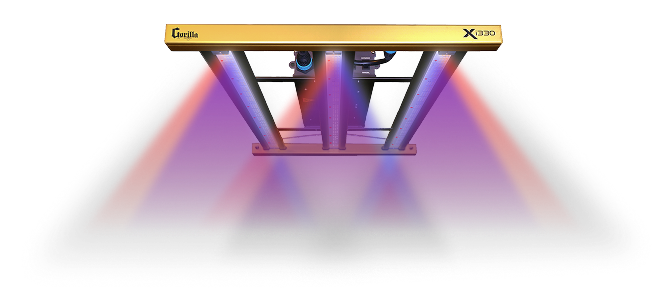
The Xi Series LED grow lights with UV/IR control demonstrate this effect clearly. Growers report noticeably tighter node spacing and sturdier stems compared to previous non-UV systems, even when all other variables remain constant. The structural improvements occur alongside rather than instead of vigorous growth.
UV also triggers thicker leaf development with enhanced cuticle layers, creating more resilient plants better able to handle environmental stresses. While you're cultivating indoors to control stress, plants naturally adapted to some stress through UV exposure often show superior overall vigor compared to plants grown in complete stress-free environments.
Enhanced Pest and Disease Resistance
UV-induced defensive compounds don't just benefit growers—they also provide natural pest and disease resistance. The thickened cell walls, increased cuticle layers, and elevated levels of antimicrobial secondary metabolites all contribute to plants better equipped to resist common cultivation problems.
This doesn't make plants invulnerable, but UV-supplemented crops consistently show reduced susceptibility to common issues like powdery mildew, spider mites, and bacterial infections. The protective effect represents a bonus benefit—you're adding UV primarily for quality enhancement, but the improved disease resistance provides additional value.
Superior Color Development
UV exposure enhances anthocyanin production, the pigments responsible for purple, red, and blue coloration in plants. Strains with genetic potential for color expression show significantly more vibrant hues when exposed to UV compared to plants grown under standard spectrum lighting alone.
Beyond anthocyanins, UV affects overall color intensity and vibrancy. Green leaves appear deeper and more lustrous, variegation becomes more pronounced, and flowers display enhanced color saturation. For ornamental plants, these visual improvements substantially increase aesthetic value.
Choosing the Right UV Grow Light System
Not all UV grow lights deliver equal results. Understanding key features and technologies helps you invest in systems that provide genuine benefits rather than disappointing performance.
Integrated vs. Supplemental UV Systems
UV grow lights come in two basic formats: integrated full-spectrum systems with built-in UV channels, and supplemental UV-only lights added to existing setups. Each approach has distinct advantages.
Integrated systems like the Xi750 LED Grow Light include UV diodes alongside standard spectrum LEDs in a single fixture. These provide the most convenient, cohesive solution with unified control systems and optimized spectrum balance. The tri-channel design allows independent UV control while maintaining optimal main spectrum output.
Integrated systems eliminate positioning complications—UV coverage automatically matches your main light footprint. They also ensure UV and visible spectrum intensities remain properly balanced, preventing situations where excessive UV overwhelms inadequate main spectrum or vice versa.
Supplemental UV lights are added to existing grow light setups, providing a way to upgrade non-UV systems. This approach offers flexibility and can be more economical if you already own quality main lights. However, supplemental systems require additional mounting, separate controls, and careful positioning to ensure even UV distribution across your canopy.
For new setups or complete upgrades, integrated systems provide superior value and performance. For incremental enhancement of existing quality lighting, supplemental UV represents a viable path. The Kind LED X Series integrated approach eliminates the complications of supplemental systems while providing professional-grade UV control.
Separate Channel Control: Essential for Proper UV Use
The single most important feature in quality UV grow lights is separately controlled UV channels. UV isn't beneficial throughout the entire growth cycle—it's primarily valuable during late flowering when plants need to maximize resin and terpene production. Running UV continuously wastes energy and may stress young plants.
Separately controlled UV channels allow you to run standard spectrum during vegetative growth, then activate UV when plants enter late flowering. This targeted approach maximizes benefits while eliminating downsides. You're not paying to run UV when it provides no value, and plants don't experience unnecessary stress during vulnerable early stages.
The Xi420 LED Grow Light exemplifies proper UV implementation with programmable UV/IR control separate from main spectrum channels. You can easily adjust UV intensity and timing based on specific plant requirements and growth stages—flexibility that's impossible with fixed-output systems.
Look for tri-channel designs offering independent control of main spectrum, UV, and IR wavelengths. This configuration provides maximum flexibility for optimization while preventing common mistakes like running excessive UV during vegetative growth.
UVA vs. UVB: Which Wavelengths Matter?
Quality UV grow lights incorporate both UVA and UVB wavelengths, recognizing that each provides distinct benefits. Systems offering only UVA or only UVB miss opportunities for complete UV spectrum optimization.
UVA (315-400nm) provides gentler enhancement that can run for extended periods without plant damage. This longer-wavelength UV supports overall plant health and contributes to secondary metabolite production with minimal risk. UVA particularly enhances color development and can run throughout flowering stages.
UVB (280-315nm) delivers the most powerful resin and terpene enhancement but requires more careful control. This shorter-wavelength UV triggers stronger stress responses—beneficial in moderation but potentially damaging with excessive exposure. UVB is typically used during the final 2-3 weeks of flowering for maximum quality enhancement.
Premium systems like those in the Gorilla Xi Series include both UVA and UVB diodes for complete UV spectrum coverage. This dual-wavelength approach provides flexibility to emphasize gentler UVA for extended flowering periods while adding targeted UVB during final ripening for maximum resin and terpene enhancement.
Power and Coverage Considerations
UV intensity requirements differ dramatically from main spectrum needs. Plants need high PPFD (400-1000+ µmol/m²/s) from visible wavelengths but only moderate UV levels (10-50 µmol/m²/s) for optimal results. This explains why UV diodes comprise a small percentage of total light output in quality integrated systems.
Excessive UV intensity damages plants through photoinhibition and cellular damage. Quality UV grow lights provide enough UV for beneficial stress responses without crossing into damage thresholds. Adjustable UV output helps you dial in optimal levels for your specific plants and cultivation style.
Coverage uniformity matters as much as intensity. UV "hot spots" directly under fixtures can burn plants while edge areas receive insufficient exposure. Bar-style LED configurations provide more even UV distribution than single-point fixtures, ensuring consistent quality enhancement across your entire canopy.

Implementing UV Grow Lights: Best Practices and Timing
Proper UV implementation requires strategic timing, appropriate intensity, and integration with your overall growing strategy. Following proven best practices ensures you capture UV benefits while avoiding common pitfalls.
When to Introduce UV During Growth Cycles
UV provides minimal benefit during seedling and early vegetative stages. Young plants need to focus energy on structural development and foliage production rather than diverting resources to UV defense mechanisms. Introducing UV too early can actually slow growth by triggering defensive responses before plants have the infrastructure to support them.
Start UV supplementation during the flowering transition or early flowering stage once plants have established robust vegetative growth. This timing coincides with plants' natural shift toward reproductive development and secondary metabolite production—the physiological state when UV exposure provides maximum benefits.
Many experienced growers gradually ramp up UV exposure during flowering rather than activating it all at once. Week 1-2 of flowering might use 25% UV intensity, weeks 3-4 increase to 50%, and final weeks run at 75-100% intensity. This gradual approach allows plants to acclimate while minimizing stress.
Optimal UV Duration and Intensity
Unlike main spectrum lighting that runs 12-18 hours daily, UV requires much shorter exposure periods. Most plants benefit from 2-4 hours of UV daily during late flowering—not the full light cycle. Excessive UV duration provides no additional benefits while increasing plant stress and potential damage.
Position UV exposure during the middle of your main light period when plants are most metabolically active. Some growers prefer morning UV (hours 3-5 of light cycle) while others favor afternoon exposure (hours 8-10 of light cycle). Both approaches work—consistency matters more than specific timing.
Start with conservative UV exposure (2 hours daily at 50% intensity) and gradually increase based on plant response. Signs of beneficial UV stress include enhanced resin production without visible damage. Signs of excessive UV include leaf edge yellowing, bleaching, or stunted growth—if you see these symptoms, reduce UV intensity or duration immediately.
The Xi Series grow lights with programmable UV control simplify proper timing. Set automated schedules that activate UV for your target duration during optimal windows, then shut off for the remainder of the light cycle. This "set it and forget it" approach ensures consistency without requiring daily manual adjustment.
Monitoring Plant Response to UV Exposure
Plants tell you when UV levels are appropriate versus excessive. Learning to read these signals helps you optimize exposure for maximum benefits without crossing into damage territory.
Positive indicators of proper UV exposure include:
- Visibly increased trichome density and resin production
- Enhanced aroma and more complex terpene profiles
- Compact, sturdy growth with tight internodal spacing
- No visible leaf damage or discoloration
- Maintained vigorous growth rates
Warning signs of excessive UV exposure include:
- Leaf edges turning yellow or brown
- Bleaching or fading of leaf color
- Slowed growth or reduced vigor
- Crispy, brittle leaf texture
- Premature leaf senescence
If you observe warning signs, immediately reduce UV intensity by 25-50% or decrease duration by 1-2 hours daily. Plants should recover within several days if damage is caught early. Severe UV damage is irreversible, making conservative approaches safer than aggressive UV supplementation.
Integration with Environmental Controls
UV exposure interacts with other environmental factors, requiring holistic consideration of your growing conditions. Temperature, humidity, and ventilation all affect how plants respond to UV supplementation.
Higher ambient temperatures can intensify UV stress effects. If growing in warm conditions (above 80°F/27°C), use more conservative UV exposure than you would in cooler environments. The combined stress of heat plus UV can overwhelm plants even when each stressor individually remains manageable.
Adequate humidity (40-60% depending on growth stage) helps plants tolerate UV exposure. Overly dry conditions combined with UV create excessive transpiration stress. Ensure your grow tent humidity remains in optimal ranges when running UV supplementation.
Strong air circulation helps dissipate any heat from UV diodes while strengthening stems exposed to UV. Position oscillating fans to create gentle air movement around all plants, preventing hot spots and promoting uniform UV response across your canopy.
Advanced UV Strategies for Maximum Results
Once you've mastered basic UV implementation, these advanced techniques help serious cultivators extract maximum value from UV technology.
Spectrum Coordination: UV, IR, and Main Spectrum Balance
The most sophisticated UV grow light systems provide coordinated control of UV, infrared (IR), and main spectrum channels. This tri-channel approach allows you to create custom "light recipes" optimized for specific plants and growth stages.
During early flowering, emphasize blue main spectrum with minimal UV to promote compact flowering structure. Mid-flowering benefits from balanced spectrum with moderate UV to initiate resin production. Late flowering maximizes red and UV while adding IR to drive final ripening and resin production.
The Xi750's tri-channel control enables this coordinated spectrum management through the Gorilla App. Create custom schedules that automatically adjust all spectrum channels throughout flowering, optimizing light delivery without constant manual intervention. This automation ensures consistency—critical for achieving repeatable premium results.
Strain-Specific UV Protocols
Different plant varieties respond differently to UV exposure. Some genetics naturally produce high resin levels and benefit from aggressive UV supplementation. Others are more sensitive to UV stress and require gentler approaches.
Plants with genetics from high-altitude or intense-sun environments typically tolerate more UV than lowland varieties evolved under filtered forest light. Dense-foliage varieties handle UV better than plants with thin, delicate leaves. Through experimentation, you'll develop strain-specific UV protocols that maximize benefits for each variety you grow.
Keep cultivation notes tracking UV intensity, duration, and observed plant responses for each strain. Over multiple cycles, patterns emerge revealing optimal UV exposure for specific genetics. This data-driven approach transforms UV supplementation from guesswork into precision horticulture.
Final Week UV Intensity for Maximum Quality
Many experienced UV users implement a "final push" strategy during the last 7-10 days before harvest. This involves slightly increasing UV intensity (10-20% above normal flowering levels) to trigger maximum resin production during final ripening.
The rationale: plants naturally ramp up defensive responses as they approach reproductive maturity. Strategic UV intensification during this window capitalizes on plants' final defensive surge, maximizing resin and terpene production without risking damage that could affect overall yield (since harvest approaches regardless).
This advanced technique requires experience reading plant signals and understanding your specific varieties. Start conservatively with 10% intensity increases for 5-7 days before harvest, monitoring closely for stress signs. Over time, you'll refine protocols that consistently produce maximum quality enhancement.
Combining UV with Other Quality Enhancement Techniques
UV supplementation synergizes with other quality-enhancement strategies. The combination often produces results greater than the sum of individual techniques.
Temperature manipulation (slight cooling during late flowering) combined with UV intensification triggers maximum resin production in many species. The combined stress signals approaching environmental challenges, triggering defensive responses that enhance quality.
Controlled drought stress during late flowering plus UV supplementation produces remarkable resin enhancement in drought-tolerant species. Both stressors trigger overlapping defensive pathways, amplifying effects beyond either technique alone.
Supplemental UVB in grow tents creates ideal controlled environments for aggressive UV strategies. The Gorilla Grow Tent reflective walls maximize UV efficiency while environmental controls simplify management of the temperature and humidity coordination UV requires.

Common UV Grow Light Mistakes to Avoid
Understanding common pitfalls helps you sidestep expensive mistakes and plant losses that frustrate new UV users.
Starting UV Too Early in Plant Development
The most common UV mistake is introducing ultraviolet exposure during seedling or early vegetative stages when plants can't yet benefit from UV-triggered responses. Young plants need to establish robust root systems and vegetative structure before diverting energy to defensive compound production.
UV exposure during early growth doesn't accelerate development—it slows it by triggering stress responses plants aren't ready to handle productively. Save UV supplementation for flowering stages when plants have the infrastructure to convert UV stress into valuable secondary metabolites.
Running UV During Full Light Cycle
Many new UV users mistakenly assume that if UV is beneficial, more must be better. They run UV throughout their entire 12-18 hour light cycle, creating excessive exposure that stresses plants without additional benefits. Plants respond to UV triggers with finite resources—prolonged exposure doesn't produce proportionally increased benefits.
Limit UV exposure to 2-4 hours daily during mid to late flowering. This targeted approach provides sufficient stimulus for maximum resin and terpene production while conserving plant energy and avoiding stress accumulation. The separately controlled UV channels in the Xi Series lights make implementing proper duration simple through programmable timers.
Ignoring UV Intensity Calibration
Not all UV systems provide equivalent intensity at equivalent settings. A "50% UV" setting on one manufacturer's system might equal "75% UV" on another. Without understanding actual UV output levels, you're essentially guessing at appropriate exposure.
Quality UV grow light manufacturers provide specific PPFD measurements for UV output at various distances and intensity settings. Use this data to calibrate your system properly. If specifications aren't available, start very conservatively (lowest UV intensity for minimal duration) and gradually increase while monitoring plant response.
Inadequate Environmental Control with UV
UV supplementation requires tighter environmental control than standard cultivation. The additional stress UV creates means plants tolerate less variation in temperature, humidity, and nutrition. Attempting aggressive UV protocols while environmental conditions fluctuate wildly produces poor results or plant damage.
Before implementing UV supplementation, ensure you can consistently maintain optimal temperature (70-80°F), humidity (40-60% depending on stage), and stable nutrient delivery. The controlled environment of a grow tent setup makes achieving this consistency dramatically easier than open-room growing.
Failing to Adjust UV for Different Strains
Applying identical UV protocols to all plant varieties ignores significant genetic variation in UV tolerance and response. What works perfectly for one strain might stress another or provide insufficient enhancement for a third.
Maintain cultivation logs tracking UV exposure and observed results for each variety you grow. Start new strains with conservative UV protocols (lower end of recommended intensity and duration), then adjust based on observed response. Over time, you'll build strain-specific knowledge that consistently produces optimal results.
Frequently Asked Questions About UV Grow Lights
Do I really need UV grow lights, or are they just marketing hype?
UV grow lights provide measurable, scientifically-documented improvements in secondary metabolite production, resin density, terpene profiles, and overall plant quality. Research consistently demonstrates 10-30% increases in these quality markers with proper UV supplementation. However, UV isn't necessary for basic plant growth—standard spectrum lighting produces healthy plants. UV represents an advanced technique for growers prioritizing maximum quality over basic yield. If you're satisfied with current quality, UV isn't essential. If you're pursuing premium results comparable to sun-grown quality, properly implemented UV supplementation delivers significant, measurable improvements worth the investment.
When should I turn on UV during the growing cycle?
Activate UV supplementation during the flowering transition or early flowering stage, never during seedling or vegetative growth. Most growers start UV in weeks 2-3 of flowering once plants have established initial flower development. Begin with conservative exposure (2 hours daily at 50% intensity) and gradually increase to 3-4 hours at 75-100% intensity during mid to late flowering. The final 2-3 weeks before harvest represent the optimal window for maximum UV intensity, as plants naturally ramp up resin production during final ripening. Stop UV 2-3 days before harvest to allow final ripening without additional stress.
How many hours daily should UV lights run?
UV lights should run 2-4 hours daily during flowering, NOT the full 12-18 hour light cycle. This targeted exposure provides sufficient stimulus for beneficial plant responses without excessive stress. Schedule UV during the middle hours of your light period when plants are most metabolically active—for example, hours 4-7 of a 12-hour light cycle. The Xi Series programmable UV control makes proper timing automatic through customized schedules that activate UV for your target duration then shut off for the remainder of each day. More UV hours don't produce better results—they simply increase plant stress and energy waste.
Can UV grow lights damage my plants?
Yes, excessive UV exposure can damage plants through photoinhibition, leaf burn, stunted growth, and reduced yields. However, properly calibrated UV at appropriate intensities and durations triggers beneficial responses without damage. The key is gradual introduction, conservative starting points, and close monitoring of plant response. Signs of UV damage include yellowing leaf edges, bleaching, crispy texture, and slowed growth. If you observe these symptoms, immediately reduce UV intensity by 25-50% or decrease duration. Quality UV systems with adjustable output and separate channel control make safe implementation much easier than fixed-intensity lights that offer no ability to fine-tune exposure.
What's the difference between UVA and UVB for growing?
UVA (315-400nm) provides gentler plant enhancement with lower stress and damage risk, suitable for extended exposure throughout flowering. UVA improves overall plant health, color development, and secondary metabolites while being relatively forgiving. UVB (280-315nm) delivers more powerful resin and terpene enhancement through stronger stress responses but requires careful control to avoid damage. UVB is typically reserved for late flowering (final 2-3 weeks) when maximum quality enhancement matters most. Premium LED grow lights with UV/IR control include both UVA and UVB diodes, allowing you to emphasize gentler UVA during early-mid flowering while adding targeted UVB during final ripening for optimal results throughout the entire flowering cycle.
Investing in Quality UV Grow Light Technology
You now understand how UV grow lights enhance plant quality, which wavelengths matter, and how to implement UV supplementation for maximum results. The question becomes: which UV technology deserves your investment?
UV capability isn't an afterthought feature—it's a fundamental component of advanced cultivation that separates premium quality from average results. The difference UV makes in resin density, terpene complexity, and overall plant quality justifies investment in properly engineered systems rather than budget alternatives that deliver disappointing results or risk plant damage.
Modern integrated UV grow light systems eliminate the complications and risks of supplemental UV while providing professional-grade control over this critical quality enhancement tool. Separately controlled UV channels, programmable timing, adjustable intensity, and comprehensive UVA/UVB spectrum coverage ensure you can safely optimize UV exposure for any strain or cultivation style.
The Gorilla Xi Series LED Grow Lights represent the pinnacle of UV integration in modern cultivation. These advanced systems feature:
- Tri-channel spectrum control with independent UV, IR, and main spectrum adjustment
- Programmable UV/IR control through intuitive smartphone app interfaces
- Both UVA and UVB diodes for complete UV spectrum coverage
- Premium OSRAM and Samsung LED chips ensuring consistent, reliable UV output
- 3-year warranties backing performance and reliability
Whether you choose the Xi420 for 2x4 to 3x4 spaces or the Xi750 commanding 4x4 to 5x5 areas, you're investing in technology that consistently delivers the quality enhancements UV supplementation promises.
Start Your UV Journey Today
Don't settle for good results when premium quality is within reach. UV grow light technology brings sun-grown quality indoors, enabling you to produce resin-rich, aromatic, potent plants that rival anything outdoor cultivation achieves. The enhanced secondary metabolites, complex terpene profiles, and superior plant vigor UV delivers transform your harvests from average to exceptional.
Browse the complete selection of LED grow lights with UV/IR control and discover which system matches your growing space and quality ambitions. With separately controlled UV channels, programmable automation, and proven performance backed by industry-leading warranties, these systems make UV supplementation safe, simple, and consistently effective.
For those serious about creating the ultimate growing environment, combine UV-capable lighting with a Gorilla Grow Tent providing the environmental control UV supplementation requires. The reflective walls maximize UV efficiency, built-in ventilation simplifies temperature management, and enclosed space enables the humidity control that allows plants to thrive under UV enhancement protocols.
Take your cultivation to the next level. Explore UV-capable grow light systems today and unlock the premium quality that separates exceptional harvests from ordinary results. Your plants' genetic potential awaits—give them the full spectrum they evolved to utilize.