What Size Grow Tent for Beginners?
As a beginner, it is important to choose the right size grow tent to ensure a successful growing experience. When deciding on the size, there are several factors to consider, including the amount of space you have available, the number of plants you plan to grow, and the type of lights you plan to use.
A general rule of thumb is to choose a grow tent that is roughly 3’ x 3’ for a small grow space. This size is ideal for growing up to four plants and can accommodate most types of lights. It is also compact enough to fit into a closet or small room.
For a slightly larger grow space, consider a tent that is 4’ x 4’. This size is suitable for growing up to eight plants and can accommodate larger lighting setups. It is also a good option for growers who want a bit more room to work in and organize their equipment.

If you have even more space available and plan to grow a larger number of plants, you may want to consider a 5’ x 5’ or larger tent. These larger tents are ideal for professional growers and those who want to grow a significant number of plants.
What is a Standard Heigh?
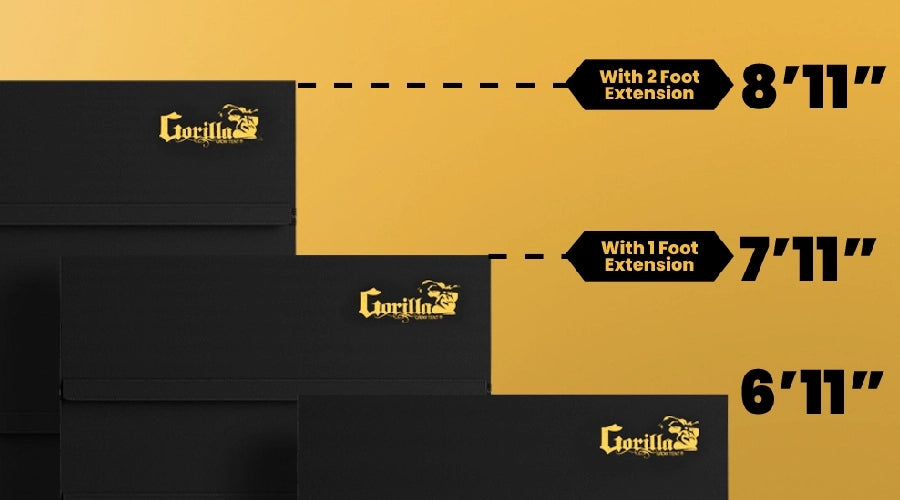
Another important factor to consider when choosing a grow tent is the height. A standard height of 6’ is suitable for most growers, but if you plan on growing taller plants or if you are taller yourself, you may want to consider a tent with a height of 7’ or 8’. This extra height will allow you to work comfortably inside the tent and give your plants the room they need to grow tall and strong.
Other Important Factors to Consider
The Tent's Ventilation System
Additionally, it is important to consider the tent's ventilation system. Proper ventilation is crucial for controlling temperature, humidity, and air flow, which are all critical factors for plant growth. Make sure the grow tent you choose has multiple vents for air intake and exhaust and that it comes with a high-quality exhaust fan.
A Reflective Interior
It is important to select a grow tent with a reflective interior. A reflective interior will help to maximize the light that your plants receive, which will increase yields and improve the overall health of your plants. A popular option for this is mylar, which is a reflective material that is both durable and long-lasting.
Grow Tent's Accessibility
Another factor to consider when choosing a grow tent is accessibility. You want to make sure that you can easily access your plants and your equipment without having to contort yourself into awkward positions or strain your back. To that end, it is important to choose a tent with ample zippered doors and windows, as well as easy-to-use tool pockets and tool hangers.
The Tent's Durability
It is also important to consider the tent's durability. Grow tents are subjected to a lot of wear and tear, so it is essential to choose a tent that is built to last. Look for a tent made from heavy-duty materials, such as tear-proof canvas or sturdy metal poles. Additionally, choose a tent with reinforced corners, seams, and zippers, as these are the areas that are most likely to wear out first.
The Tent's Ease of Use and Setup
Another aspect to consider is the tent's ease of use and setup. You want a tent that is easy to put together and take apart, as well as a tent that is easy to clean and maintain. Look for a tent with clear instructions and a straightforward assembly process, and choose a tent with removable and washable components, such as floor trays and ducting ports.
High-Quality Materials
Regardless of the size you choose, it is important to make sure that the tent you select is well-constructed and made of high-quality materials. This will ensure that it lasts for many growing seasons to come and provides the right environment for your plants to thrive.
Finally, consider the cost of the grow tent. Grow tents can range in price from relatively inexpensive to very expensive, and it is important to choose a tent that fits within your budget. While it may be tempting to choose the cheapest option, it is important to keep in mind that you get what you pay for, and investing in a high-quality grow tent will pay dividends in the long run in terms of yield and plant health.
When choosing a grow tent, it is important to consider factors such as size, height, ventilation, reflectivity, accessibility, durability, ease of use, and cost. By taking these factors into account, you can ensure that you select the right grow tent for your needs and that your plants will have the ideal environment for growth.