Will Plants Grow Under LED Lights? A Comprehensive Guide
As the world becomes increasingly conscious of the environmental impact of traditional lighting solutions, LED grow lights have emerged as a popular and eco-friendly alternative for indoor gardening. Whether you're a seasoned green thumb or a budding plant enthusiast, the question of whether plants can thrive under LED lights is a common one. In this comprehensive guide, we'll explore the science behind LED grow lights, their benefits, and how to effectively use them to cultivate a thriving indoor garden.
Understanding LED Grow Lights
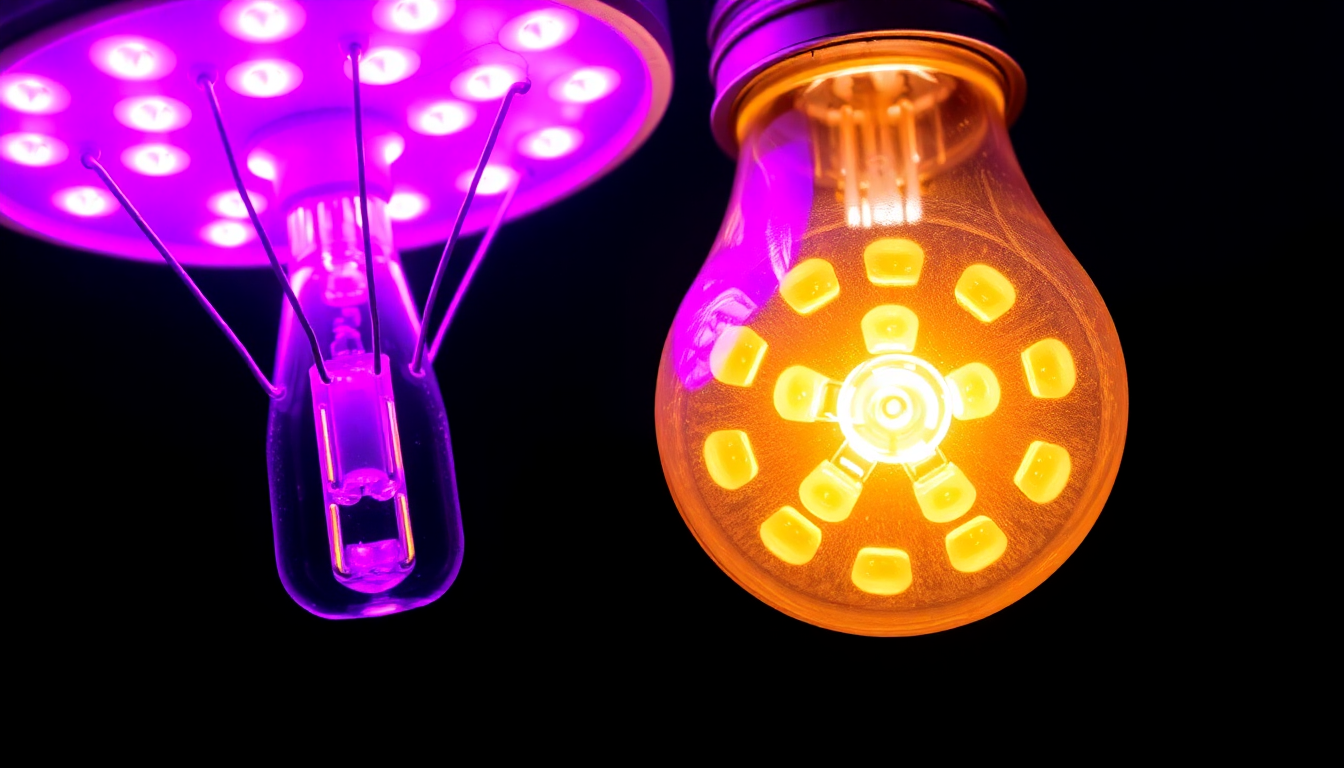
LED (Light-Emitting Diode) grow lights are a type of artificial lighting designed specifically for plant growth. Unlike traditional incandescent or fluorescent bulbs, LEDs emit a targeted spectrum of light that is optimized for photosynthesis, the process by which plants convert light energy into chemical energy.
The key advantage of LED grow lights is their energy efficiency. LEDs consume significantly less power compared to other lighting options, while still providing the necessary light intensity and wavelengths for plant growth. This makes them an attractive choice for indoor gardeners looking to reduce their energy consumption and carbon footprint.
The Science Behind Plant Growth and LED Lights
Plants require a specific range of light wavelengths to thrive, and different wavelengths are responsible for different aspects of plant development. The visible light spectrum, which ranges from 400 to 700 nanometers (nm), is the most important for plant growth.
Within this spectrum, red and blue light wavelengths are particularly crucial for plant development. Red light (600-700 nm) is essential for stem elongation, flowering, and fruit production, while blue light (400-500 nm) plays a vital role in leaf growth, chlorophyll production, and overall plant structure.
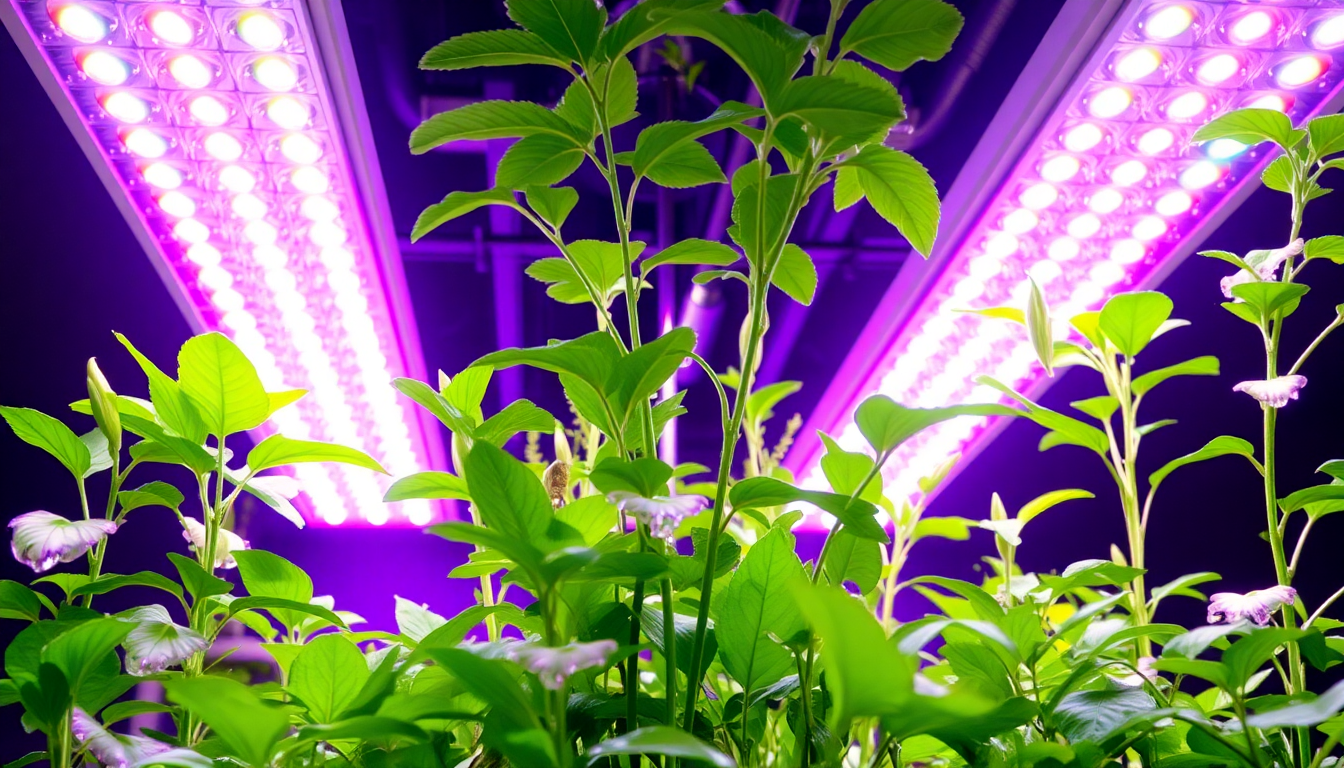
LED grow lights are designed to emit a combination of red and blue light, as well as other wavelengths, such as far-red and UV, to mimic the natural sunlight that plants would receive outdoors. By carefully selecting the appropriate LED wavelengths and intensities, growers can create an optimal light environment for their indoor plants.
Benefits of Using LED Grow Lights
-
Energy Efficiency: As mentioned earlier, LED grow lights are significantly more energy-efficient than traditional lighting options, often consuming up to 50% less power while providing the same level of light intensity.
-
Customizable Spectrum: LED grow lights can be engineered to emit specific wavelengths of light, allowing growers to tailor the light spectrum to the needs of their plants. This level of customization can lead to improved plant growth, increased yields, and better overall plant health.
-
Longer Lifespan: LED grow lights have a much longer lifespan compared to other lighting solutions, often lasting for thousands of hours of use. This can translate to significant cost savings over time, as growers won't need to replace their lights as frequently.
-
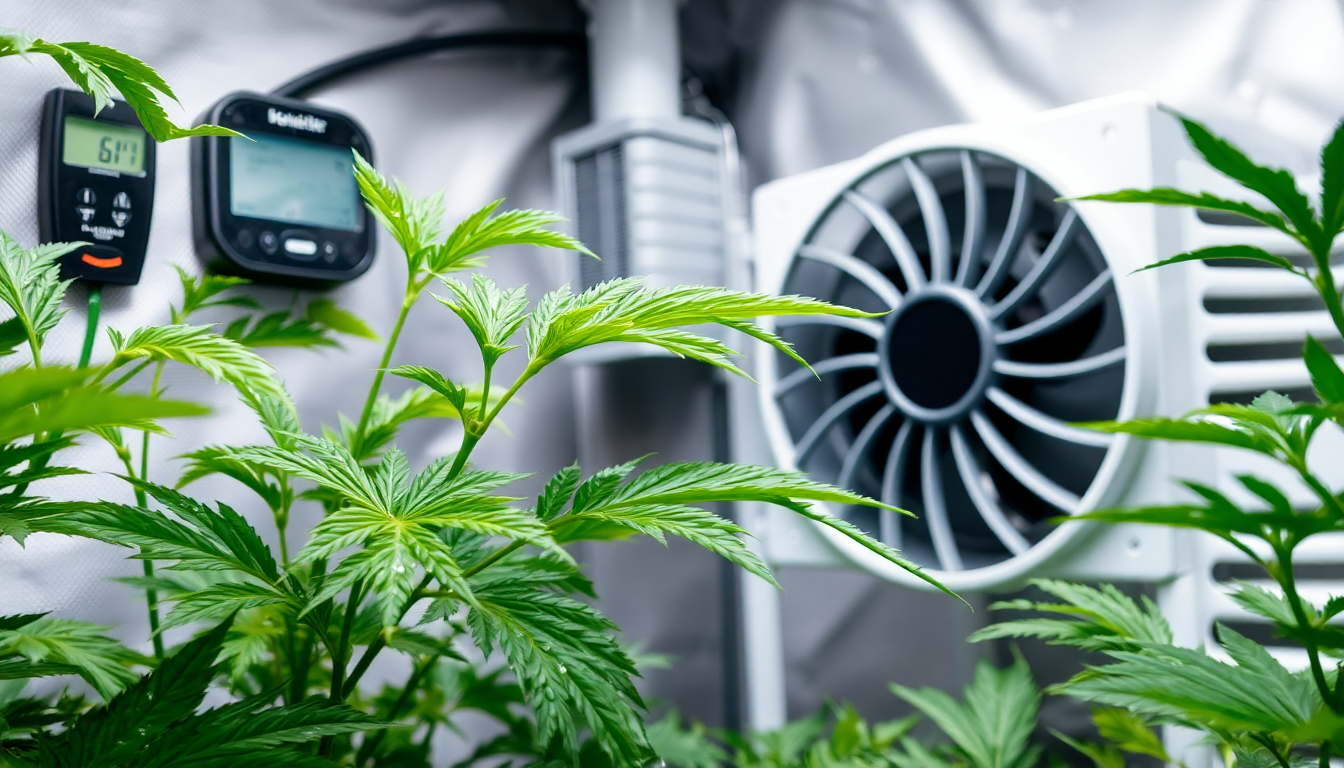
Reduced Heat Output: Unlike traditional grow lights, LEDs generate significantly less heat, which can help to reduce the cooling requirements in indoor grow spaces and prevent heat stress on plants.
-
Compact Design: LED grow lights are typically more compact and lightweight than other lighting options, making them easier to install and adjust within a grow tent or indoor garden setup.
Effective Use of LED Grow Lights
To ensure the best results when using LED grow lights, it's important to consider the following factors:
Light Intensity
The intensity of the light, measured in micromoles per square meter per second (μmol/m²/s), is crucial for plant growth. Different plant species have varying light intensity requirements, so it's essential to research the optimal light levels for your specific plants.
Light Spectrum
As mentioned earlier, the combination of red and blue light wavelengths is essential for plant development. However, some LED grow lights may also include other wavelengths, such as far-red and UV, to further enhance plant growth and health.
Lighting Duration
Plants require a specific number of hours of light per day, known as the photoperiod, to thrive. The optimal photoperiod can vary depending on the plant species and growth stage, so it's important to adjust the lighting schedule accordingly.
Positioning and Distance
The placement and distance of the LED grow lights from the plants are crucial factors that can impact the effectiveness of the lighting. Proper positioning ensures that the plants receive the necessary light intensity and coverage.
Supplemental Lighting
In some cases, LED grow lights may need to be supplemented with additional lighting sources, such as natural sunlight or other types of grow lights, to provide the optimal light environment for your plants.
By understanding the science behind LED grow lights and following best practices for their use, indoor gardeners can create a thriving and productive indoor growing environment, regardless of the natural light conditions.
Conclusion
LED grow lights have revolutionized the world of indoor gardening, offering a sustainable and energy-efficient solution for cultivating healthy, vibrant plants. By harnessing the power of targeted light spectrums, growers can now create the perfect growing conditions for a wide range of plant species, from leafy greens to flowering plants.
As the technology continues to evolve, the potential of LED grow lights to transform the way we approach indoor gardening is truly exciting. Whether you're a seasoned pro or a beginner, incorporating LED grow lights into your indoor growing setup can unlock a world of possibilities and help you achieve the lush, bountiful garden of your dreams.