


DWC Hydroponic System with Gorilla

Deep Water Culture (DWC) Hydroponic Systems: A Complete Guide
What Is a DWC Hydroponic System?
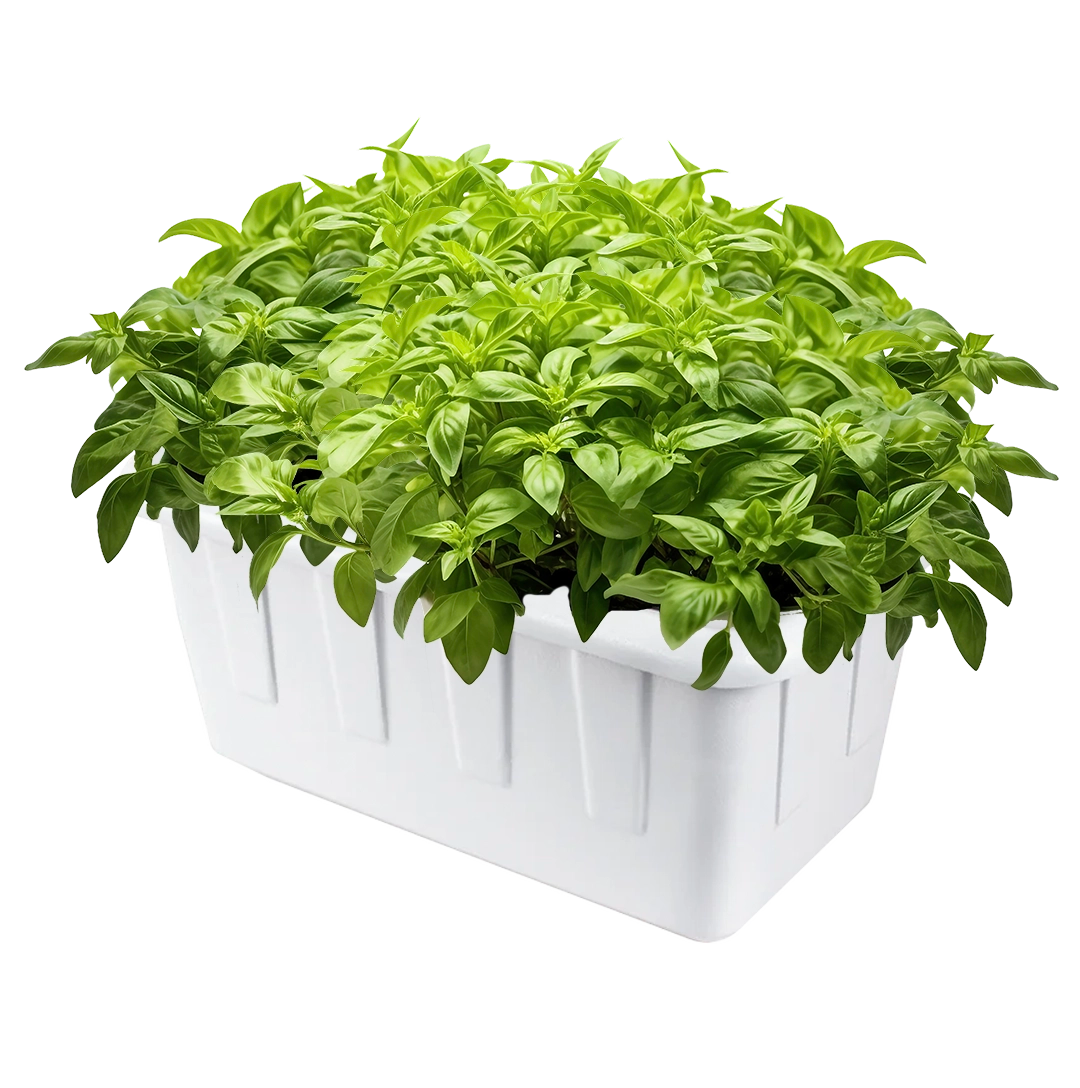
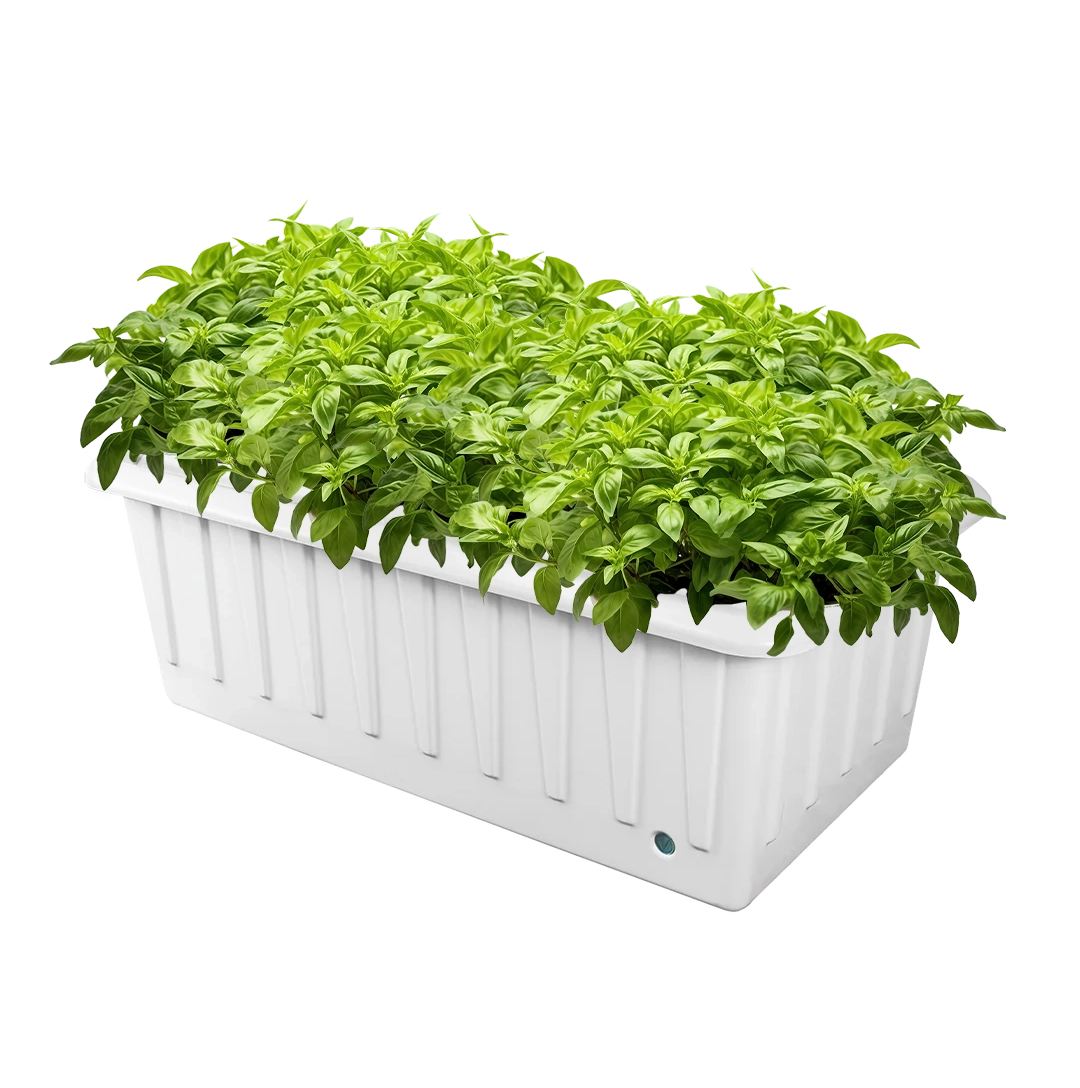
Deep Water Culture (DWC) is a simple yet highly effective hydroponic growing system where plant roots are suspended in oxygenated, nutrient-rich water. In this system, plants receive all the necessary nutrients directly from the water, which promotes rapid growth and larger yields. DWC hydroponic systems are popular among both beginners and experienced growers for their ease of use and ability to produce high-quality crops, especially in indoor settings.
1. How Does a DWC Hydroponic System Work?
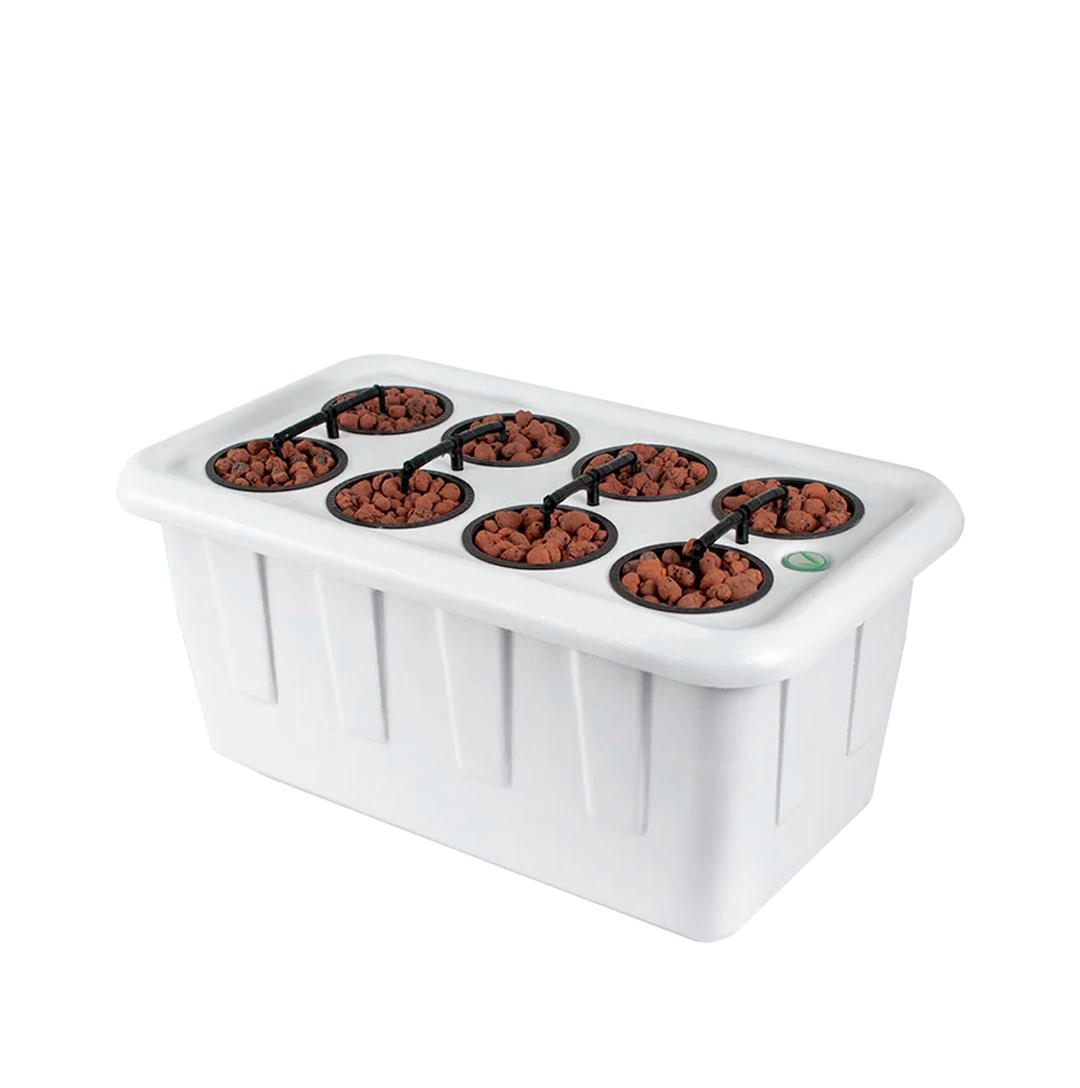
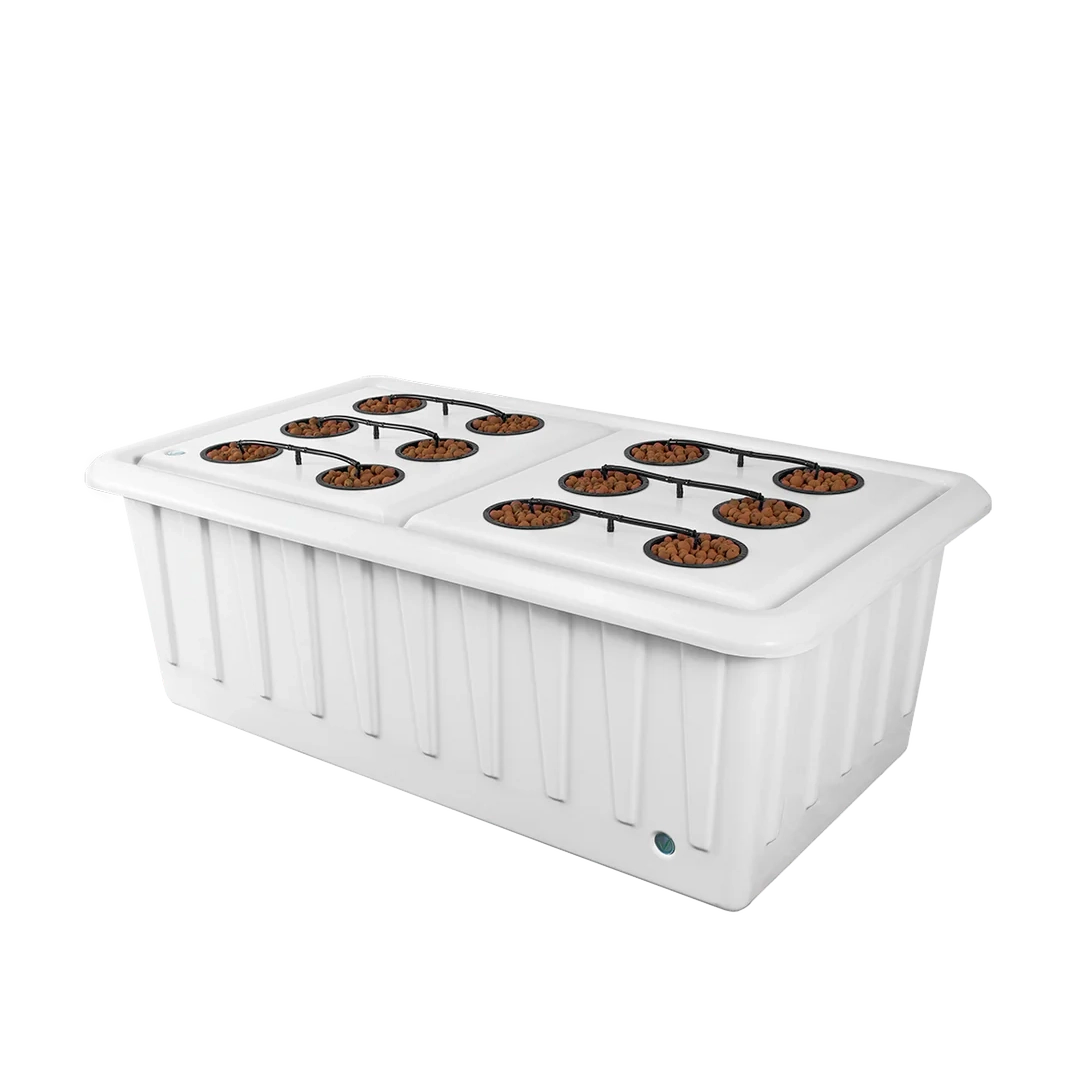
In a DWC system, plants are placed in net pots with their roots submerged in a water reservoir filled with a nutrient solution. An air pump supplies oxygen to the water via an air stone, which creates bubbles that oxygenate the water. This constant supply of oxygen allows the plant roots to absorb nutrients efficiently without becoming waterlogged. As a result, the plants experience faster growth rates compared to soil-based gardening.
2. Benefits of Using a DWC Hydroponic System
Using a DWC hydroponic system offers several advantages over traditional soil gardening and other hydroponic methods:
2.1 Faster Plant Growth
Since plant roots have direct access to oxygen, water, and nutrients, they grow more rapidly than they would in soil. In a well-maintained DWC system, plants can experience accelerated growth, leading to earlier harvests and larger yields.
2.2 Simple Setup and Maintenance
A DWC system is one of the simplest hydroponic systems to set up and maintain. There are fewer moving parts compared to other hydroponic systems, and the lack of complex plumbing or pumps makes it easy for beginners to get started with indoor gardening.
2.3 Consistent Nutrient Delivery
Because the plant roots are constantly submerged in the nutrient solution, they receive a steady supply of essential nutrients, which helps prevent deficiencies and promotes uniform growth. This consistency leads to healthier plants and higher-quality crops.
2.4 Water Efficiency
DWC systems use water more efficiently than traditional soil-based gardening because the water is recirculated and reused. This makes DWC an eco-friendly option for growing plants, especially in areas where water conservation is important.
2.5 Ideal for Indoor Growing
Deep Water Culture systems are perfect for indoor gardening because they can be set up in small spaces, such as grow tents or grow cabinets. The ability to control the environment ensures that your plants receive optimal light, temperature, and humidity for faster growth and higher yields.
3. Key Components of a DWC Hydroponic System
Setting up a DWC hydroponic system requires a few key components to ensure your plants grow successfully. Here are the essential parts of a DWC system:
3.1 Water Reservoir
The water reservoir is the container that holds the nutrient-rich water solution. It can vary in size depending on how many plants you are growing. For larger setups, multiple reservoirs or larger containers may be used.
3.2 Net Pots
Net pots are small containers that hold the plant and growing medium, such as clay pebbles or coco coir. These pots allow the plant roots to grow down into the water while holding the plant stable in the DWC system.
3.3 Air Pump and Air Stone
The air pump provides oxygen to the water through an air stone. The air stone diffuses air into the water in the form of bubbles, ensuring the roots receive adequate oxygen. Proper aeration is essential for plant health in a DWC system.
3.4 Nutrient Solution
The nutrient solution is the water mixed with essential nutrients that plants need to grow. A balanced nutrient mix ensures your plants receive the necessary vitamins and minerals for strong growth and high yields.
3.5 pH and EC Meter
To ensure that the water's pH and electrical conductivity (EC) levels are optimal, a pH and EC meter is required. These meters allow you to monitor the quality of the water and nutrient solution, making adjustments as needed to keep plants healthy.
4. Best Plants for DWC Hydroponic Systems
A DWC hydroponic system is suitable for growing a wide range of plants, including vegetables, herbs, and flowering plants. Some of the best plants to grow in a DWC system include:
Lettuce: Lettuce grows rapidly in a DWC system and is a popular choice for beginners.
Tomatoes: Tomatoes thrive in a hydroponic environment, producing larger fruits and higher yields.
Herbs: Herbs like basil, cilantro, and mint grow quickly and produce flavorful leaves in a DWC system.
Peppers: Both bell peppers and chili peppers benefit from the oxygen-rich environment in a DWC system.
Cannabis: DWC systems are widely used for cannabis cultivation due to the accelerated growth and larger yields.
5. Setting Up a DWC Hydroponic System
Setting up a DWC hydroponic system is straightforward. Follow these steps to get started:
Step 1: Set Up the Water Reservoir
Start by choosing a water reservoir that is large enough to support your plants. Fill the reservoir with water and add the nutrient solution according to the manufacturer's recommendations. Make sure to use a pH meter to adjust the water to the optimal pH range (5.5-6.5).
Step 2: Install the Air Pump and Air Stone
Place the air stone in the bottom of the water reservoir and connect it to the air pump. Turn on the air pump to start oxygenating the water. You should see bubbles forming in the water, which ensures that the roots will have access to sufficient oxygen.
Step 3: Place Plants in Net Pots
Plant your seeds or seedlings in the net pots with a suitable growing medium, such as clay pebbles. Make sure the roots are able to grow down into the water while the plant is stable in the pot.
Step 4: Monitor pH and EC Levels
Use a pH and EC meter to monitor the water quality regularly. Adjust the nutrient levels and pH as necessary to keep the plants in the ideal growing conditions.
6. Maintaining Your DWC Hydroponic System
To keep your DWC system running efficiently, follow these maintenance tips:
Check Water Levels: Regularly monitor the water level in the reservoir and top it off with fresh water and nutrients as needed.
Monitor pH and EC Levels: Ensure that the pH and EC levels remain within the optimal range for your plants.
Clean the Reservoir: Clean the water reservoir every 2-4 weeks to prevent the buildup of algae and nutrient residues.
Check Air Pump and Air Stone: Make sure the air pump and air stone are functioning properly to keep the water well-oxygenated.
Conclusion: Grow Faster and Better with a DWC Hydroponic System
A DWC hydroponic system offers an excellent way to grow plants more efficiently and with higher yields. Whether you’re cultivating leafy greens, vegetables, or cannabis, the constant supply of oxygen and nutrients provided by a DWC system leads to faster, healthier growth. With simple setup and maintenance, it’s an ideal system for both beginners and experienced growers alike. Start your indoor garden today with a DWC hydroponic system and watch your plants thrive!
Frequently Asked Questions
How often should I change the water in a DWC system? It’s recommended to change the water every 1-2 weeks to ensure fresh nutrients are available and to prevent nutrient buildup.
What is the ideal pH range for a DWC system? The ideal pH range for most plants in a DWC system is between 5.5 and 6.5.
Can I grow multiple plants in one DWC system? Yes, as long as the water reservoir is large enough to support multiple plants, you can grow several plants in one DWC system.