Best Indoor Grow Tents 2025: Complete Buyer's Guide & Expert Reviews
Growing plants indoors has never been easier or more rewarding than it is today. Whether you're cultivating herbs, vegetables, or flowering plants, choosing the best indoor grow tent is crucial for creating the perfect growing environment. Modern grow tents offer unmatched control over light, temperature, humidity, and airflow—all essential factors for healthy plant development and maximum yields.

What Makes an Indoor Grow Tent the "Best" Choice?
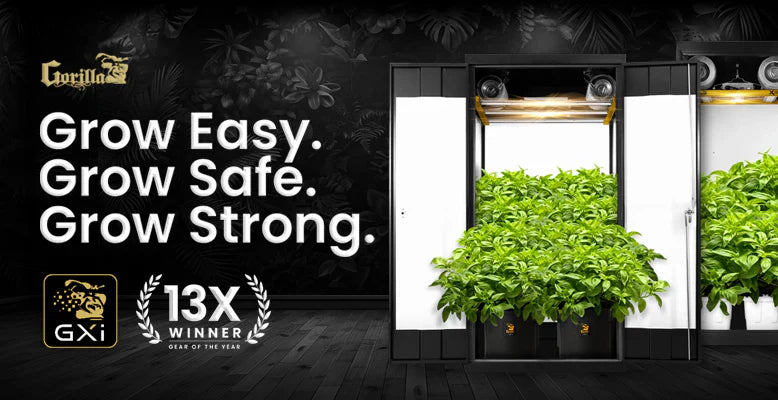
The best indoor grow tents combine durability, functionality, and ease of use. They create a controlled microenvironment that protects your plants from external factors while maximizing growth potential. Key features that define top-quality grow tents include thick, lightproof canvas, sturdy frames, excellent ventilation systems, and reflective interiors.
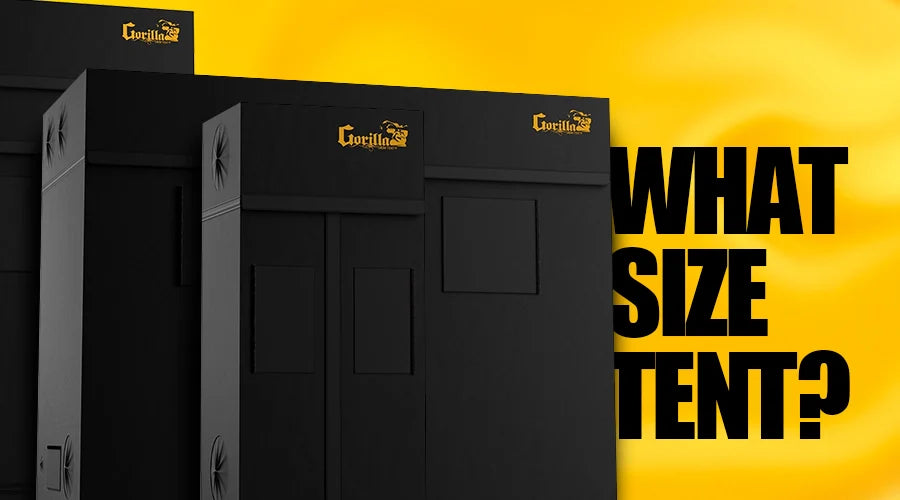
When evaluating grow tents, consider factors like build quality, size options, height adjustability, and additional features. The Gorilla Grow Tent Pro series exemplifies these qualities with its industry-leading 1680D canvas—significantly thicker than standard 200-600D alternatives—and frames capable of supporting up to 300 pounds of equipment.
Top Features to Look for in Indoor Grow Tents
Heavy-Duty Construction and Materials
The best indoor grow tents use premium materials that ensure longevity and performance. Look for tents with thick canvas (1680D or higher) that provides excellent light-proofing and tear resistance. The frame should be constructed from sturdy metal poles that won't bend under the weight of lights, fans, and other equipment.
Quality grow tents also feature reinforced stress points at corners and connection areas. These details matter significantly when your tent supports expensive growing equipment over extended periods.
Advanced Ventilation Systems
Proper airflow is absolutely critical for plant health. The best grow tents include multiple ducting ports strategically placed for optimal air circulation. These ports should accommodate different fan sizes and allow for flexible ventilation configurations.
Superior ventilation prevents common issues like mold, mildew, and pest infestations while maintaining ideal temperature and humidity levels. Look for tents with adjustable ducting ports that seal tightly when not in use.
Height Adjustability Features
One standout feature that separates premium grow tents from basic models is height adjustability. The Gorilla Grow Tent 2' Extension Kit allows growers to increase their tent height by up to two feet, providing crucial vertical space for taller plants or powerful lighting systems.
This flexibility becomes essential as plants grow or when upgrading to higher-intensity grow lights that require greater distance from plant canopies.
Best Indoor Grow Tent Sizes for Different Needs
Small Space Growing (2x2 to 2x4 Feet)
For beginners or those with limited space, small grow tents like the 2x2.5 or 2x4 models provide an excellent starting point. These compact tents easily fit in closets, spare rooms, or corners while accommodating 1-4 plants depending on their size.
Small tents work particularly well for growing herbs, seedlings, or maintaining mother plants. They're also more energy-efficient, requiring less powerful lighting and ventilation systems.
Medium-Sized Operations (3x3 to 4x4 Feet)
The 4x4 grow tent represents the sweet spot for many indoor gardeners. This size provides enough space for 4-9 plants while remaining manageable for beginners. The 4x4 footprint fits comfortably in most rooms while offering ample space for equipment and plant training techniques.
Medium-sized tents like the 3x3 grow tent offer similar benefits with a slightly smaller footprint, perfect for growers who want more plants than a 2x4 allows but don't need the full 4x4 space.
Large-Scale Growing (5x5 Feet and Larger)
Serious growers often choose large grow tents like the 5x5 or 10x10 models. These tents accommodate 6-16+ plants and provide space for advanced growing techniques, multiple lighting zones, and comprehensive environmental control systems.
Large tents require more powerful ventilation and lighting but offer the best potential for maximizing yields and experimenting with different growing methods.
Essential Accessories for Your Grow Tent Setup
Lighting Systems
Modern LED grow lights have revolutionized indoor growing with their efficiency and spectrum control. The best indoor grow tents pair perfectly with full-spectrum LED systems that provide optimal light coverage and energy efficiency.
Consider the tent's reflective interior when selecting lights. Premium tents feature diamond-pattern Mylar that maximizes light distribution and reduces hotspots.
Ventilation and Climate Control
Proper ventilation requires intake fans, exhaust fans, and carbon filters for odor control. Grow tent accessories like the High CFM Kit help prevent tent wall collapse due to negative pressure while ensuring optimal airflow.
Temperature and humidity controllers automate climate management, maintaining ideal conditions without constant monitoring.
Support and Organization
Net trellis systems help support heavy branches and encourage even growth. Gear boards and hanging accessories maximize vertical space utilization while keeping equipment organized and secure.

Setting Up Your Indoor Grow Tent for Success
Location Selection
Choose a location with access to electrical outlets, adequate floor space, and reasonable ventilation options. Basements, spare rooms, and closets work well, but ensure the area can accommodate your tent size plus working space around it.
Consider factors like ceiling height, especially if you plan to use height extensions, and proximity to water sources for easier maintenance.
Assembly and Configuration
Quality grow tents like those from Gorilla assemble quickly without tools. Start with the frame, attach the canvas, then install ventilation and lighting systems. Proper setup from the beginning prevents issues and ensures optimal growing conditions.
Ongoing Maintenance
Regular maintenance includes cleaning reflective surfaces, checking for light leaks, monitoring environmental conditions, and inspecting plants for pests or diseases. Well-maintained grow tents last for years while consistently producing healthy plants.
For detailed setup guidance, check out our best grow tent setup for beginners guide and 4x4 grow tent setup tips for size-specific advice.
Frequently Asked Questions
What size grow tent do I need for my first indoor garden? For beginners, a 2x4 or 3x3 grow tent provides the perfect balance of growing space and manageability. These sizes accommodate 2-6 plants while fitting in most indoor spaces and requiring moderate lighting and ventilation systems.
How much weight can the best grow tents support? Premium grow tents like Gorilla models support up to 300 pounds, easily handling multiple LED lights, fans, carbon filters, and plant support systems. Always check manufacturer specifications and distribute weight evenly across support points.
Do I need a grow tent for indoor growing? While not absolutely necessary, grow tents provide superior environmental control, light management, and pest protection compared to open growing spaces. They also contain odors and prevent light pollution in your living space.
How long do quality grow tents last? High-quality grow tents with thick canvas and sturdy frames can last 5-10+ years with proper care. The initial investment in premium materials pays off through durability and consistent performance over many growing cycles.
What's the difference between grow tent sizes in terms of plant capacity? Generally, plan for 1-2 plants per square foot of floor space, depending on plant size and growing method. A 2x2 tent fits 1-2 large plants or 4 smaller ones, while a 4x4 tent accommodates 4-9 plants comfortably.
Summary: Choose the Best Indoor Grow Tent for Your Needs
The best indoor grow tents combine durability, functionality, and value to create optimal growing environments. Look for thick canvas construction, adjustable height options, superior ventilation systems, and reflective interiors. Size selection depends on your space, plant count, and growing goals, with options ranging from compact 2x2 models to spacious 10x10 systems.
Start Your Indoor Growing Journey Today
Ready to transform your indoor growing experience? Explore our complete selection of professional grow tents and complete grow tent kits designed for maximum yields and lasting performance. With industry-leading construction, lifetime grow support, and proven results, Gorilla Grow Tents provide everything you need to grow like a professional from day one. Contact our growing experts today to find the perfect tent for your indoor garden and start cultivating success!