LED Grow Lights vs. HID Grow Lights: Which is Better?
If you are starting to do indoor gardening, there is one thing you have to choose in the first place: How to use light. One of the keys to success in indoor gardening is the right lighting. You must choose between two popular systems: LED grow lights, and HID (high-intensity discharge) grow lights. Let's see what you need to know about them.

LED Grow Lights:
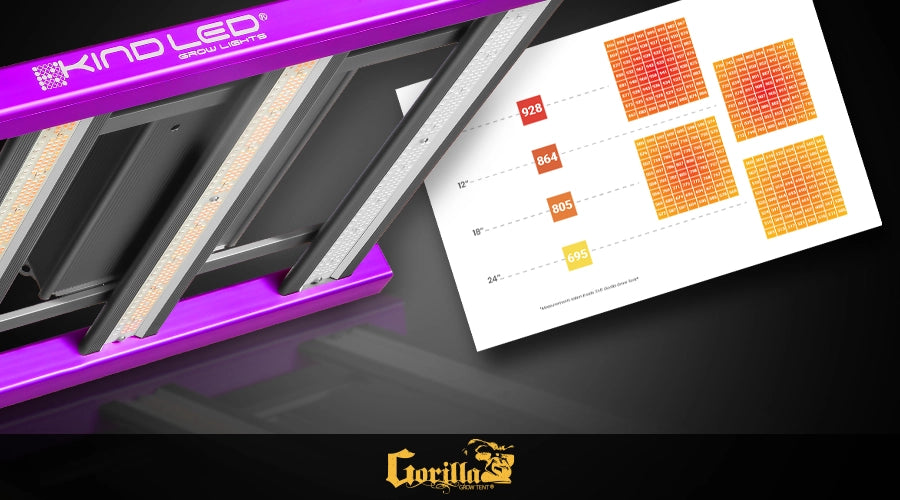
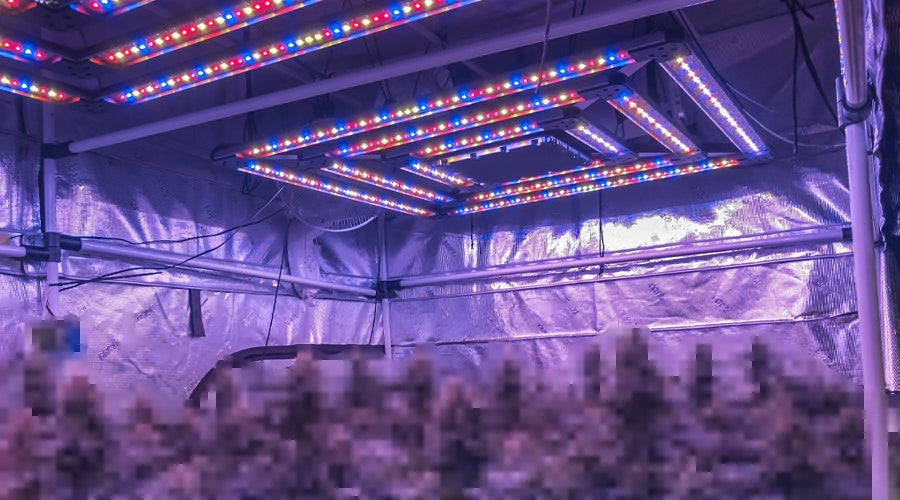
LED (light emitting diode) grow lights are a popular choice for indoor gardening as they are energy efficient, long-lasting, and can produce a full spectrum of light that is ideal for plant growth. LED lights do not generate as much heat as HID lights, so they can be placed closer to plants without the risk of getting burned. They also require less frequent bulb changes, which can save money in the long run.
Pros:
It is energy-efficient and cost-effective in the long run.
They emit less heat so that they can be placed closer to plants
It lasts longer than HID lights and requires less frequent bulb replacement.
It can produce a full spectrum of light, ideal for plant growth.
It is environmentally friendly as it does not contain toxic substances.
Cons:
It is more expensive than HID lights.
It may not produce as much light intensity as HID lights.
Some LED lights may not cover a large enough area for some indoor garden installations.
HID Grow Lights:
HID (high-intensity discharge) grow lights are a popular choice for indoor gardening as they are known for their high light intensities, which can be beneficial to plants during the growth and flowering stages. There are two types of HID lights: metal halide (MH) and high-pressure sodium (HPS). MH lights are ideal for the vegetative stage of plant growth, while HPS lights are ideal for the flowering stage.
Pros:
It provides high light intensity that can be beneficial for plant growth and flowering.
It can cover a larger area than some LED lights.
It is more affordable than pre-LED lights.
Cons:
They produce a lot of heat that can damage plants if placed too close to lights.
It may require frequent bulb replacement, which can be costly in the long run.
It emits a limited spectrum of light that may not be ideal for plant growth
Not as energy efficient as LED lights.
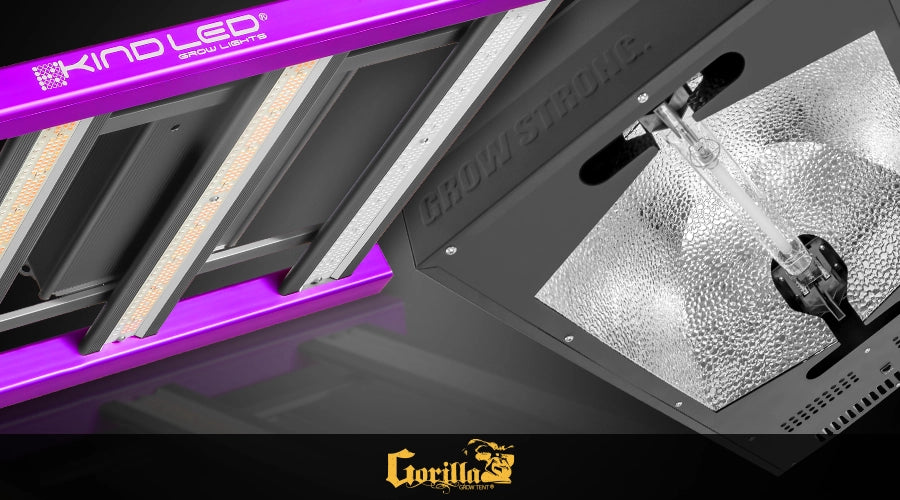
Both LED grow lights and HID grow lights have their advantages and disadvantages, so it ultimately depends on your specific needs and budget. If you're looking for a long-term, energy-efficient solution with a full spectrum of light, LED grow lights may be a better option. If you need a high-intensity light source for a larger area and don't mind the heat generated, HID grow lights may be a better option.
Advantages of Using UV LED Grow Lights for Your Plants
UV LED lights are also one of the good choices you can use for the stem growth of your plants. UV LED grow lights have many advantages over traditional grow lights, such as fluorescent or high-pressure sodium lamps. Let us shed some light on why you should use UV LED grow lights.
How UV LED Grow Lights Can Revolutionize Your Indoor Garden
Efficient use of energy:
UV LED grow lights consume less energy than traditional grow lights. They generate less heat, which means less energy is spent on heat generation and more energy is used for plant growth.
Spectrum control:
UV LED grow lights emit light in a specific wavelength range that can be customized to the specific needs of the plants being grown. This allows growers to achieve healthier plants and higher yields by providing optimal lighting conditions for the different stages of plant growth.
Improved plant growth:
UV light has been shown to increase plant growth by stimulating the production of phytochromes and cryptochromes, proteins that regulate plant growth and development. This leads to faster growth rates, higher yields, and higher-quality plants.
Pest control:
UV light has been found to be an effective pest control method as it can disrupt the life cycles of many insects and pathogens that can harm plants. This can reduce the need for chemical pesticides and promote a more natural and sustainable growing environment.
Longer life:
UV LED grow lights have a longer lifespan than traditional grow lights, which means they need to be replaced less often. This reduces maintenance costs and ensures facilities receive consistent lighting over a longer period of time.
Lower heat output:
UV LED grow lights generate less heat compared to traditional grow lights, reducing the risk of damage to plants from overheating and making it easier to maintain optimum growing temperatures.
Environmentally friendly:
UV LED grow lights are more environmentally friendly than traditional grow lights because they consume less energy and emit less heat, reducing the carbon footprint associated with indoor farming.
More control over plant properties:
Because UV LED grow lights provide greater spectrum control, growers can manipulate the light spectrum to achieve certain plant characteristics such as taste, aroma, and color.
Better nutrient intake:
UV light can improve the ability of plants to absorb nutrients, especially phosphorus, which is essential for plant growth. This can result in stronger, healthier plants with improved nutrient uptake efficiency.
Safer for human health:
Conventional grow lights, especially high-pressure sodium lamps, emit high levels of ultraviolet radiation that can be harmful to human health. UV LED grow lights emit lower levels of UV radiation, making them safer for growers to work with.