The Ultimate Guide to Choosing the Perfect Grow Light for Succulents
Picture this: your once-plump jade plant stretching toward the window like it's desperately reaching for something. Your colorful echeveria losing its vibrant hues and turning pale green. Your collection of succulents looking leggy and weak despite your best care efforts. Sound familiar?
The culprit isn't your gardening skills—it's inadequate lighting. While succulents have a reputation for being low-maintenance plants, they actually require surprisingly bright light to maintain their compact, colorful forms. Indoor lighting rarely provides the intensity these desert-dwellers crave, leading to disappointing results that frustrate even experienced plant parents.
The solution? A proper grow light for succulents that delivers the intensity and spectrum these plants need to thrive. Modern LED technology has revolutionized indoor succulent cultivation, making it easier than ever to grow stunning, healthy plants regardless of your home's natural lighting situation. This comprehensive guide walks you through everything you need to know about lighting succulents indoors, from understanding their unique requirements to choosing and positioning the perfect grow light system.
Whether you're nurturing a small windowsill collection or planning a dedicated succulent garden, you'll discover practical, tested strategies that actually work. Let's dive into the fascinating world of succulent lighting and transform your struggling plants into thriving specimens.
Understanding Succulent Light Requirements
Succulents evolved in some of the world's brightest environments—from African deserts to Mexican highlands. In their native habitats, these plants receive 6-8 hours of intense, direct sunlight daily, absorbing light levels that would scorch most houseplants. When you bring succulents indoors, replicating that brilliant illumination becomes essential for maintaining their health, compact growth, and stunning colors.
Why Succulents Need Bright Light
Unlike shade-tolerant houseplants that adapt to dim conditions, most succulents refuse to compromise on light. Insufficient lighting triggers etiolation—the botanical term for that disappointing stretching you've probably witnessed. Etiolated succulents develop long spaces between leaves as they desperately reach toward light sources, losing their characteristic compact rosette forms forever.
The transformation happens gradually but relentlessly. First, you'll notice slightly elongated growth. Within weeks, your once-plump echeveria resembles something from a Dr. Seuss book—tall, spindly, and nothing like the gorgeous plant you purchased. Unfortunately, etiolated growth is permanent. Those stretched portions won't magically compress when you improve lighting, though new growth will resume normal proportions.
Beyond preventing etiolation, proper lighting maintains the vibrant colors that make succulents so desirable. Many varieties develop stunning red, purple, or orange stress colors when exposed to bright light. Without adequate illumination, these same plants revert to plain green—still alive, but nowhere near their full potential.
Different Succulents Have Different Needs
Not all succulents demand identical light intensity. Understanding these differences helps you provide appropriate conditions for each variety in your collection.
High-Light Succulents require the most intense illumination—typically 1,500-2,000+ lumens per square foot. This category includes most cacti, sedums, sempervivums, and sun-loving echeveria varieties. These plants developed in exposed desert environments with virtually no shade protection. Position your brightest grow lights above these specimens.
Medium-Light Succulents thrive with 800-1,500 lumens per square foot. This group includes many popular houseplant succulents like jade plants, crassulas, and certain aloe species. They appreciate bright conditions but tolerate slightly lower intensity than desert cacti.
Lower-Light Succulents represent the most forgiving category, managing adequately with 300-800 lumens per square foot. Haworthias, gasterias, and certain forest cacti fall into this group. These plants evolved in partially shaded environments—under shrubs or in rocky crevices that provided some protection from scorching midday sun.

Choosing the Best Grow Light for Succulents
Not all grow lights deliver the performance succulents need. Understanding your options prevents expensive mistakes and disappointing results.
LED Grow Lights: The Optimal Choice
Full-spectrum LED lights represent the best technology for indoor succulent cultivation. Modern LEDs provide the high intensity succulents require while consuming minimal electricity and producing manageable heat—crucial factors when positioning lights close enough for maximum effectiveness.
The Gorilla Xi220 LED Grow Light delivers concentrated power perfect for small succulent collections in 2x2 to 2.5x2.5 foot spaces. Its full-spectrum output and adjustable intensity make it versatile for various succulent species with different light preferences.
LED technology offers game-changing advantages over traditional lighting. These systems consume 40-70% less electricity than fluorescent or HID alternatives while lasting 50,000+ hours—that's 5-10 years of continuous operation without bulb replacement. The efficiency matters enormously when running lights 12-16 hours daily to meet succulent requirements.
The low heat output of quality LEDs allows positioning them closer to plants without risking heat damage. Traditional grow lights generate excessive heat that can scorch succulent foliage and complicate temperature management. LEDs maintain comfortable ambient temperatures while delivering intense illumination.
Understanding Light Spectrum for Succulents
Succulents utilize the full light spectrum, not just blue and red wavelengths. While blue light (400-500nm) promotes compact vegetative growth essential for preventing etiolation, and red light (600-700nm) supports overall structure and stress coloration, succulents also benefit from other wavelengths throughout the spectrum.
Full-spectrum LED grow lights for plants provide the complete range of wavelengths succulents need. Unlike purple "blurple" lights that emphasize only blue and red, full-spectrum LEDs produce natural-looking white light that allows you to appreciate your plants' true colors while supporting all growth processes.
The targeted full-spectrum technology in premium systems like the Gorilla GXi Series LED Grow Lights optimizes the wavelength distribution specifically for plant cultivation. This engineering delivers more usable photons per watt compared to generic white LEDs designed for home lighting.
Fluorescent Lights: Budget-Friendly Option
T5 fluorescent fixtures work adequately for shade-tolerant succulents and propagation areas, though they lack the intensity needed for sun-loving varieties. If budget constraints require starting with fluorescents, position them very close to plants—just 2-4 inches above the canopy—to maximize effectiveness.
The main limitation of fluorescent lighting is intensity output. Even high-output T5 systems struggle to provide the lumens desert succulents demand for optimal growth and coloration. They represent a viable entry point for beginners, but plan to upgrade to LEDs as your collection and experience grow.
What About Natural Window Light?
South-facing windows provide the strongest natural light in northern hemisphere homes, but even these rarely match outdoor intensity. Glass filters some beneficial wavelengths, and light intensity drops dramatically with distance from the window. A succulent positioned just 2-3 feet from a window receives only a fraction of the light available directly on the sill.
Supplementing window light with grow lights combines the best of both worlds—free natural illumination plus consistent, intense supplemental lighting that prevents etiolation regardless of weather or season.

How to Position Your Grow Light for Maximum Success
Proper positioning determines whether your grow light investment delivers spectacular results or wastes energy on ineffective illumination.
Optimal Distance and Coverage
Position full-spectrum LED grow lights 6-12 inches above most succulent collections. This distance balances intensity with coverage—closer provides maximum lumens but covers a smaller area, while slightly farther distances spread light more evenly across larger collections.
Cacti and other high-light succulents often benefit from lights positioned at the closer end of this range (6-8 inches). Lower-light varieties like haworthias and gasterias prefer the farther end (10-12 inches) to prevent potential bleaching or stress.
For compact collections, the Gorilla Xi330 LED Grow Light provides perfect coverage for 2x3 to 3x3 foot spaces. This size accommodates dozens of small succulent pots or several larger specimens comfortably.
Watch your plants closely during the first few weeks after installing grow lights. Bleaching (white or pale spots), reddish stress coloration beyond normal pigmentation, or dried leaf tips indicate excessive light intensity—raise the fixture or reduce operating hours. Conversely, continuing etiolation or fading colors signals insufficient light—lower the fixture or extend operating hours.
Duration: How Many Hours Daily?
Most succulents thrive with 12-16 hours of grow light daily. This duration compensates for the lower intensity compared to outdoor sunlight. Even powerful LED systems rarely match the peak intensity of direct sunlight, so extended exposure time ensures adequate total daily light integral (DLI)—the cumulative measure of photons received.
Desert cacti often benefit from the longer end of this range (14-16 hours), while lower-light succulents do well with 12-14 hours. Use simple mechanical timers or smart controllers to maintain consistent schedules automatically—succulents appreciate reliability.
The smart GXi LED grow lights feature programmable schedules and sunrise/sunset technology that gradually ramps intensity up and down. This attention to detail reduces light shock while simulating natural conditions that promote healthier, more resilient plants.
Creating the Perfect Growing Environment
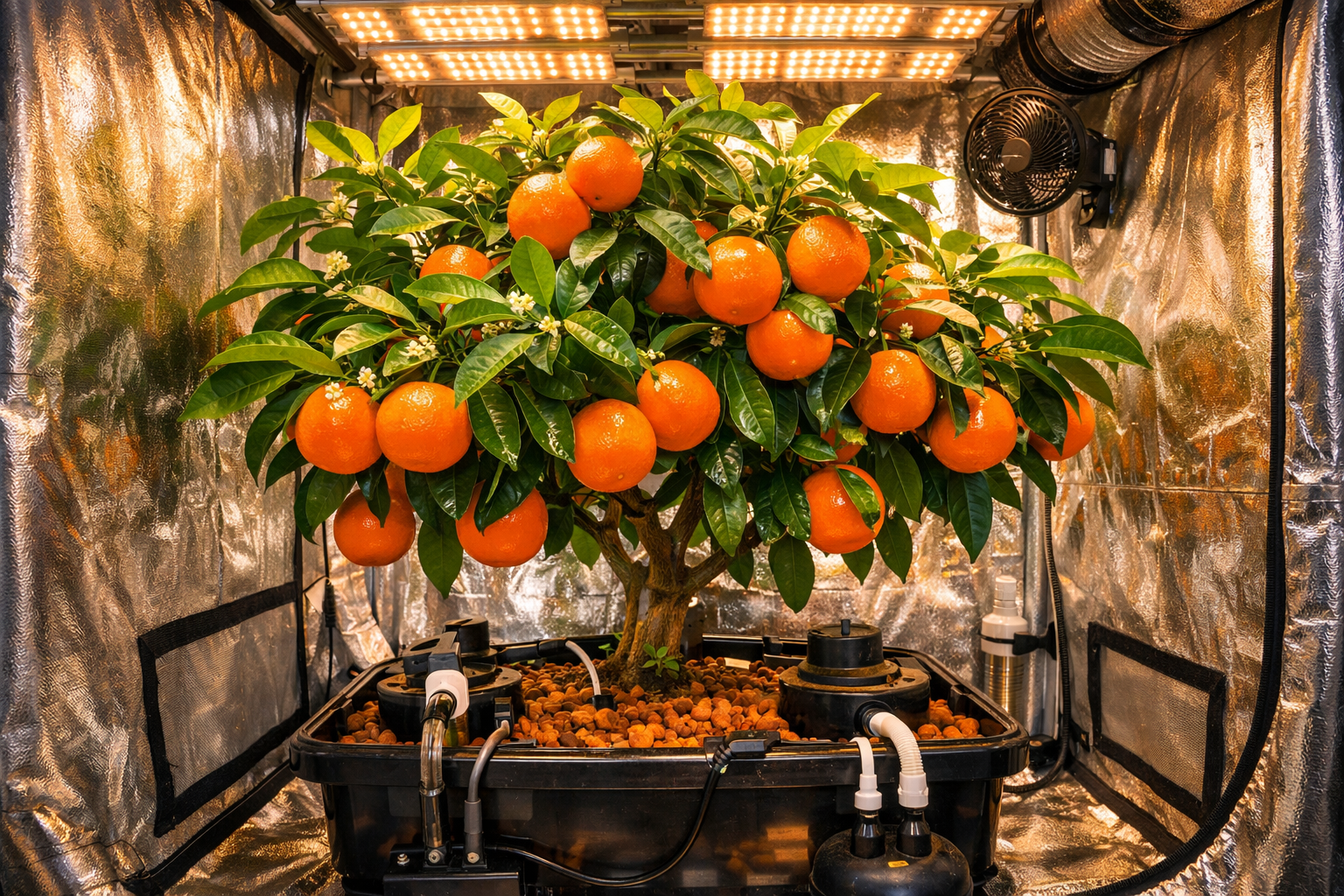
Succulents produce best when grown in controlled environments where you manage all variables. A quality grow tent creates an ideal microclimate for indoor succulent cultivation by containing light, maintaining appropriate conditions, and allowing precise environmental control.
The reflective interior lining of grow tents maximizes light efficiency—photons that would normally be absorbed by walls instead bounce back to your plants. This reflectivity can increase effective light intensity by 20-30% compared to growing in standard rooms, delivering better results from the same fixtures.
For compact succulent collections, consider a small grow tent perfect for apartments or limited spaces. These compact setups provide professional-grade growing conditions without consuming excessive floor space.
Essential Care Beyond Lighting
While proper lighting forms the foundation of successful indoor succulent cultivation, these plants need attention to several other factors working synergistically with your grow lights.
Watering Wisdom for Indoor Succulents
Succulents store water in their fleshy leaves, allowing survival through extended dry periods. This adaptation makes them remarkably drought-tolerant but unfortunately doesn't make them foolproof. Overwatering kills more succulents than any other issue.
The "soak and dry" method works best for most succulents. Water thoroughly until excess drains from the pot bottom, then wait until soil completely dries before watering again. During active growth under grow lights (spring through fall), this typically means watering every 1-2 weeks. Winter dormancy requires even less frequent watering—perhaps monthly or less.
Succulents under grow lights may need slightly more frequent watering than those near windows, as the continuous light promotes active growth year-round. Monitor soil moisture with your finger—when the top inch feels completely dry, it's time to water.
Temperature and Ventilation Considerations
Most succulents thrive in typical home temperatures between 60-80°F. They appreciate good air circulation that strengthens stems and prevents fungal issues. A small oscillating fan provides gentle air movement that benefits plants without creating stressful drafts.
Under grow lights in enclosed spaces, monitor temperatures carefully. Even cool-running LEDs generate some heat that accumulates without ventilation. For larger collections or enclosed growing spaces, proper ventilation becomes essential for maintaining ideal conditions.
Soil and Container Requirements
Succulents demand excellent drainage to prevent root rot. Use specialized succulent/cactus potting mix or create your own by combining regular potting soil with perlite, coarse sand, or pumice in a 1:1 or even 1:2 ratio. The mix should feel gritty and drain rapidly when watered.
Choose containers with drainage holes—non-draining containers essentially guarantee eventual problems regardless of careful watering. Terracotta pots work excellently for succulents, as the porous material allows excess moisture to evaporate through the sides. The Gorilla Grow Bags also provide exceptional drainage and air pruning benefits that encourage healthier root systems.

Common Mistakes to Avoid
Even experienced plant parents sometimes stumble when setting up indoor succulent growing systems. Learning from common errors saves frustration and plant casualties.
Insufficient Light Intensity
The most frequent mistake is choosing underpowered grow lights that look impressive but lack the intensity succulents demand. Those inexpensive LED strips marketed for houseplants rarely provide adequate lumens for maintaining compact succulent growth and vibrant colors.
Quality matters enormously in grow light selection. Cheap fixtures waste energy on unusable wavelengths while failing to deliver adequate photons in the ranges plants actually use. Investing in proven performers like the benefits of using LED grow lights pays dividends through superior growth and stunning coloration.
Inconsistent Light Schedules
Succulents appreciate consistency in lighting schedules. Random exposure times stress plants and reduce overall health. Set up reliable automatic timers rather than manually switching lights on and off—you'll inevitably forget occasionally, disrupting the routine your plants depend on.
Neglecting to Rotate Plants
Unless you have grow lights positioned all around your collection (which is impractical for most setups), plants receive stronger illumination on the side facing the light. Rotating containers 90-180 degrees weekly ensures even growth on all sides, preventing lopsided development.
Overwatering Under Grow Lights
The continuous bright conditions provided by grow lights encourage active growth year-round, but this doesn't mean succulents suddenly need dramatically increased watering. Many growers mistakenly overcompensate, thinking active growth requires constant moisture. Succulents still need that critical dry period between waterings—just adjust frequency slightly based on soil drying rate.
Best Succulent Varieties for Indoor Growing Under Lights
Some succulent species adapt better to indoor cultivation under grow lights than others. Choosing appropriate varieties sets you up for success.
Beginner-Friendly Succulents
Echeveria varieties top the list for indoor growing success. These rosette-forming succulents display stunning colors under bright LED lighting—from pale blues and purples to vibrant pinks and reds. They tolerate minor care mistakes and reward proper lighting with tight, compact growth patterns.
Jade Plants (Crassula ovata) rank among the most forgiving succulents for indoor cultivation. These classic houseplant succulents adapt well to a range of light conditions, though they develop thicker, more compact growth under grow lights. Mature specimens can reach several feet tall, creating impressive focal points.
Sedums offer incredible variety in forms, colors, and sizes. Many sedum species produce trailing growth perfect for hanging planters under grow lights, while others form compact mounds. Most sedums color up beautifully under intense LED illumination.
Intermediate to Advanced Choices
Lithops (Living Stones) represent fascinating mimicry plants that resemble colorful pebbles. These unusual succulents require extremely bright light and minimal watering, making them challenging but rewarding subjects. Under proper LED grow lights, lithops develop their characteristic stone-like appearance and may produce cheerful daisy-like flowers.
Haworthias provide excellent options for lower-light situations. These rosette-forming succulents tolerate less intense illumination than desert cacti while offering intriguing patterns on their foliage—stripes, spots, raised bumps, or translucent "windows." Position haworthias farther from grow lights or use them in areas receiving indirect illumination.
Cacti varieties deserve special consideration given their extreme light requirements. Most desert cacti need the highest intensities available from quality grow lights. For complete guidance on cactus grow light requirements, check our comprehensive dedicated guide.
Setting Up Your Complete Succulent Growing System
Creating the perfect environment for indoor succulents combines proper lighting with complementary equipment and smart planning.
Complete Grow Tent Setup for Succulents
A proper grow tent setup provides everything your succulent collection needs in one convenient, controllable space. Start with a tent sized appropriately for your collection—a 2x2 or 2x4 tent accommodates dozens of small pots or several larger specimens.
Install your LED grow light at the tent's ceiling using adjustable hangers for easy height modifications. The reflective interior maximizes every photon, ensuring efficient light use. Position small fans for air circulation and maintain appropriate temperatures throughout the space.
Complete grow tent kits include everything except plants and soil—tent, lighting, ventilation, and accessories all designed to work together seamlessly. These systems eliminate the guesswork of selecting compatible components.
Shelving Solutions for Maximum Space Efficiency
Vertical growing maximizes limited floor space while accommodating large collections. Install sturdy shelving with LED grow lights mounted under each shelf, creating multiple growing levels. This approach allows you to house hundreds of small succulents in just a few square feet of floor space.
Ensure each shelf receives dedicated lighting rather than relying on light from above to reach lower levels. Grow light intensity drops dramatically with distance—plants on lower shelves would receive inadequate illumination without dedicated fixtures.
Starting Your Collection
Begin with a modest collection of proven varieties rather than immediately investing in rare, expensive specimens. Master the basics of succulent lighting and care with forgiving species like echeverias, jades, and sedums. As your confidence and success grow, expand into more challenging varieties.
For those new to indoor gardening, succulents under grow lights provide an excellent introduction to controlled environment cultivation. The skills you develop translate directly to more advanced growing projects.
Frequently Asked Questions
Do succulents need grow lights in winter?
Yes, most succulents benefit significantly from grow lights during winter months. Natural daylight duration decreases dramatically in winter, and even south-facing windows provide less intense illumination due to the sun's lower angle. Grow lights maintain consistent conditions year-round, preventing etiolation and keeping plants actively growing even during short winter days.
Can you use regular LED bulbs for succulents?
Regular LED bulbs designed for home lighting don't provide the spectrum or intensity succulents require for optimal growth. While plants may survive under household LEDs, they won't maintain compact growth or vibrant colors. Invest in proper horticultural LED grow lights specifically engineered for plant cultivation to achieve the best results.
How close should grow lights be to succulents?
Position LED grow lights 6-12 inches above most succulent collections. High-light varieties like cacti and sedums benefit from closer positioning (6-8 inches), while shade-tolerant varieties like haworthias prefer greater distance (10-12 inches). Monitor plants for signs of excessive light (bleaching, browning) or insufficient light (stretching, pale colors) and adjust accordingly.
What color grow light is best for succulents?
Full-spectrum white LED grow lights work best for succulents. These lights provide the complete wavelength range plants need while producing natural-looking illumination that allows you to appreciate your collection's true colors. Avoid older-style purple "blurple" lights that emphasize only blue and red wavelengths—while plants can grow under these, full-spectrum LEDs deliver superior results.
Do succulents need darkness at night?
Yes, succulents need dark periods for proper growth and health. Most varieties thrive with 8-12 hours of darkness nightly. During dark periods, plants conduct essential metabolic processes including respiration and preparation for the next day's photosynthesis. Running grow lights 24/7 stresses succulents and reduces overall health and vigor.
Featured Snippet Summary
Succulents need bright grow lights providing 12-16 hours of illumination daily to prevent etiolation and maintain compact growth. Full-spectrum LED grow lights positioned 6-12 inches above plants deliver optimal results while consuming minimal electricity. High-light varieties like cacti and sedums require 1,500-2,000+ lumens per square foot, while shade-tolerant haworthias thrive with 300-800 lumens. Quality LED systems like the Gorilla Xi Series provide the complete spectrum and intensity needed for vibrant, healthy succulent collections year-round.
Transform Your Succulent Collection Today
Growing spectacular succulents indoors under proper lighting transforms struggling plants into thriving specimens that rival outdoor gardens. With the right LED grow lights, consistent care, and appropriate varieties, you'll maintain compact, colorful plants regardless of your home's natural lighting or outdoor climate.
The investment in quality grow lights pays for itself through years of reliable performance, minimal electricity costs, and the unmatched satisfaction of cultivating a stunning succulent collection. Modern LED technology makes indoor succulent cultivation more successful and accessible than ever before.
Ready to elevate your succulent growing game? Browse the complete selection of LED grow lights and grow tent systems specifically designed to deliver professional results. Whether you're starting with a small windowsill collection or planning a dedicated succulent garden with hundreds of specimens, Gorilla Grow Tent provides the professional-grade equipment you need for vibrant, healthy plants. Stop fighting etiolation and faded colors—give your succulents the bright conditions they crave and watch them transform into the compact, colorful beauties they were meant to be!