Cactus Grow Light: The Complete Guide to Growing Healthy Desert Plants Indoors
Cacti are iconic desert survivors, known for thriving under the intense sun of arid landscapes. But bringing these stunning plants indoors presents a unique challenge: providing enough light to keep them healthy, compact, and true to their natural form.
If you've noticed your cactus stretching, losing its vibrant color, or failing to produce those characteristic spines and flowers, insufficient light is almost certainly the problem. The good news? With the right cactus grow light setup, you can successfully cultivate beautiful, healthy cacti anywhere in your home—regardless of window access or climate.
This comprehensive guide covers everything you need to know about lighting cacti indoors, from understanding their intense light requirements to choosing and positioning the perfect grow light system.
Understanding Cactus Light Requirements
Cacti evolved in some of the brightest environments on Earth. Desert locations receive intense, direct sunlight for 10-14 hours daily, often exceeding 10,000 lumens per square foot at midday. This extreme light exposure shaped cacti into incredibly light-hungry plants.
When growing cacti indoors, your primary challenge is replicating even a fraction of this intensity. Indoor light levels, even near bright windows, rarely exceed 100-500 lumens per square foot—just 5-10% of what cacti experience in their native habitat.
This dramatic difference explains why cacti often struggle indoors without supplemental lighting. They survive, but rarely thrive. Etiolation (stretching), pale coloring, weak spines, and failure to flower are common symptoms of insufficient light.
Quality grow lights bridge this gap, providing the intensity cacti need to maintain compact growth, develop proper spination, and potentially produce those spectacular blooms that make these plants so rewarding to grow.
Cacti vs. Other Succulents: Different Light Needs
While all succulents appreciate bright light, cacti typically require the highest intensities. Most succulents thrive with 300-800 lumens per square foot, but desert cacti need significantly more—ideally 1,500-2,000+ lumens per square foot for optimal growth.
Some succulent varieties like Haworthias, Gasterias, and certain Aloes tolerate lower light levels and may actually prefer partial shade. If your lighting setup can't meet the extreme demands of desert cacti, these lower-light succulents make excellent alternatives that still provide the beauty and easy care succulents are known for.

Signs Your Cactus Needs a Grow Light
Recognizing when your cactus needs supplemental lighting helps you intervene before problems become severe.
Etiolation: The Most Common Problem
Etiolation occurs when plants stretch toward insufficient light. In cacti, this appears as elongated growth between areoles (spine-producing points), creating a narrow, column-like appearance rather than the plant's natural compact form.
Etiolated growth is permanent—once stretched, that portion cannot revert to normal proportions. The only solution is cutting back the etiolated section and providing better light going forward. Many growers root these cuttings, creating new plants while encouraging the original to resume compact growth.
Pale or Yellowing Color
Healthy cacti display vibrant green coloring (or blue, gray, or reddish tones depending on species). Insufficient light causes chlorophyll production to slow, resulting in pale yellowish-green coloring that looks washed out.
This discoloration signals your cactus isn't receiving enough energy for photosynthesis. While not immediately life-threatening, continued low light weakens the plant and makes it susceptible to pests and diseases.
Weak or Absent Spines
Proper spine development requires intense light. Cacti grown in insufficient light produce fewer, shorter, or weaker spines compared to properly lit specimens of the same species.
If your cactus's new growth shows progressively weaker spination while older growth retained strong spines, lighting degradation is likely the cause.
Failure to Flower
Many cactus species flower readily under proper conditions, but blooming requires specific light intensity and seasonal variations. Without adequate brightness and appropriate day/night cycles, even mature cacti capable of flowering simply won't bloom.
If other care factors are correct but flowers never appear, insufficient light intensity is the probable culprit.
Leaning or Toppling
Cacti phototropically grow toward their light source. In low-light situations or with one-sided window lighting, plants lean dramatically toward available light. Severe leaning can cause top-heavy specimens to topple over.
Rotating plants helps somewhat, but adequate overhead lighting eliminates this problem entirely by providing even illumination from above.
Choosing the Right Grow Light for Cacti
Cacti's extreme light requirements mean not all grow lights work equally well. Understanding key specifications helps you select systems capable of meeting these demanding plants' needs.
LED Grow Lights: The Modern Solution
LED grow lights represent the best technology for indoor cactus cultivation. Modern LEDs provide the high intensity cacti require while consuming far less electricity than older technologies and producing manageable heat levels.
Quality LED systems achieve efficiency ratings of 2.5+ µmol/J, meaning they convert electrical energy into usable plant light effectively. This efficiency matters tremendously when running lights 12-16 hours daily to meet cactus requirements.
The Xi220 LED Grow Light delivers concentrated power perfect for small cactus collections in 2x2 to 2.5x2.5 foot spaces. Its full-spectrum output and adjustable intensity make it versatile for various succulent species with different light preferences.
Understanding Light Spectrum for Cacti
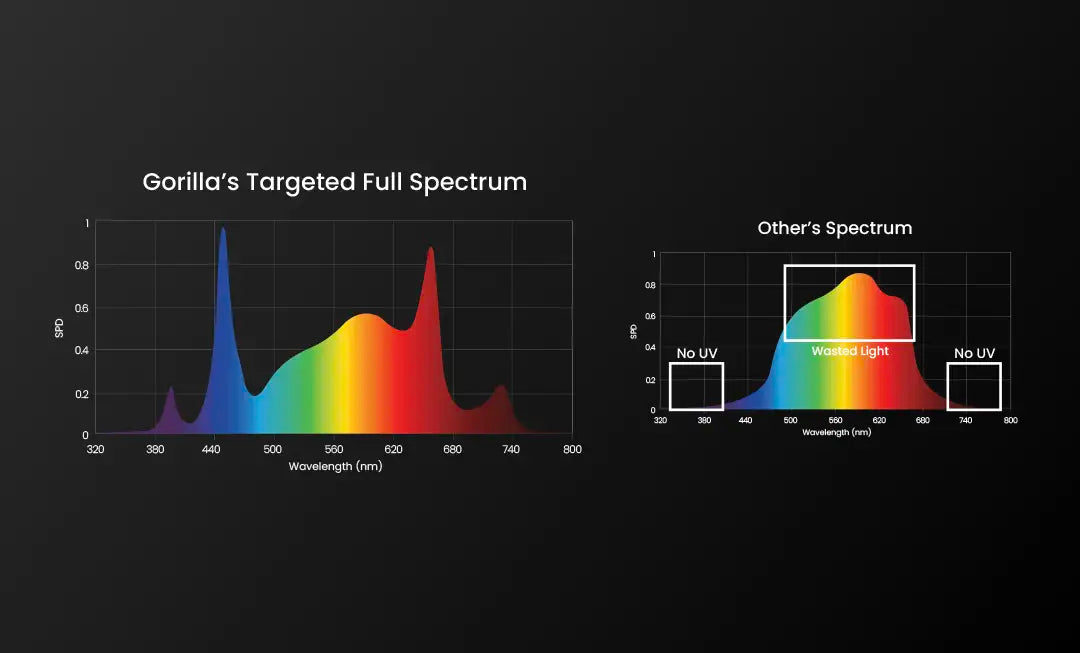
Cacti utilize the full light spectrum, not just blue and red wavelengths. While blue light (400-500nm) promotes compact vegetative growth essential for preventing etiolation, and red light (600-700nm) supports overall structure and flowering, cacti also benefit from other wavelengths.
Full-spectrum white LEDs that closely mimic natural sunlight (5000-6500K color temperature) work excellently for cacti. These provide balanced wavelength distribution that supports all aspects of plant health.
Some growers successfully use blue-heavy grow lights for cacti, since preventing etiolation is critical. However, balanced full-spectrum systems provide more natural growth and support flowering better than narrow-spectrum alternatives.
Light Intensity: The Critical Factor
Intensity matters more for cacti than almost any other houseplant. Target minimum 1,500-2,000 lumens per square foot for desert cacti, though more is generally better.
In technical terms, cacti thrive with 600-1,000+ PPFD (Photosynthetic Photon Flux Density) during their growing season. This is significantly higher than the 200-400 PPFD suitable for typical houseplants.
The Xi420 LED Grow Light provides professional-grade intensity capable of supporting even light-hungry desert cacti in 2x4 to 3x4 foot areas. Its tri-channel control allows intensity adjustment for different growth stages and species requirements.
Coverage and Positioning
Cacti directly beneath grow lights receive full intensity, but light diminishes rapidly toward edges. A 4-foot fluorescent tube effectively lights a 4-foot-long, single-width row of cacti, with edge plants in relative shade.
Position your most light-demanding desert cacti directly under lights, with lower-light succulents or other houseplants benefiting from peripheral spillover. This tiered approach maximizes efficiency and accommodates collections with varied requirements.
For larger collections, panel-style LEDs provide broader, more even coverage. The Xi750 LED Grow Light commands 4x4 to 5x5 foot areas with uncompromising intensity, making it ideal for serious cactus enthusiasts with extensive collections.

Setting Up Your Cactus Grow Light System
Proper installation and positioning maximize your investment and ensure your cacti receive optimal illumination.
Optimal Distance from Plants
LED grow lights for cacti should be positioned 12-18 inches from plant tops initially. This distance provides strong intensity without heat stress for most systems.
However, cacti can handle—and often benefit from—closer positioning than other houseplants. If your specific light runs cool enough, you can position it as close as 6-12 inches for maximum intensity. Monitor plants for any signs of heat stress or light burn.
High-intensity systems like metal halide or HPS lights (less common for home use but sometimes employed by serious collectors) must be positioned 24-36+ inches away due to their significant heat output.
Duration and Timing
Cacti need 12-16 hours of bright light daily during their growing season. This extended duration helps compensate for the fact that even strong grow lights can't match peak midday sun intensity.
Using timers automates schedules and ensures consistency. Set lights to operate during normal daylight hours, as many cacti use day length as a seasonal cue even indoors.
During winter dormancy (important for many species), reduce light duration to 8-10 hours daily. This dormant period, combined with cooler temperatures and reduced watering, triggers flowering in many cactus species.
Heat Management Considerations
While LEDs produce far less heat than older technologies, concentrated lighting still generates warmth. Cacti generally tolerate and even appreciate moderate heat, but excessive temperatures combined with dry air can cause stress.
Ensure adequate air circulation around your lighting setup. Small fans promote airflow that prevents heat buildup while strengthening plant structure. Good air circulation also helps prevent the fungal issues that can occur when moisture accumulates in enclosed growing spaces.
If using an enclosed grow tent or cabinet for your cacti, incorporate ventilation. The best grow tent setups include proper exhaust systems that manage heat and maintain optimal growing conditions.
Reflective Surfaces Maximize Efficiency
Using reflective materials around your growing area dramatically increases effective light intensity. White painted walls, Mylar sheets, or grow tent reflective interiors bounce light back toward plants rather than absorbing it.
This reflection can increase usable light by 20-30% without additional electricity consumption. For light-hungry cacti, this "free" intensity boost significantly benefits growth and helps justify the initial investment in quality lighting.
Combining Natural and Artificial Light
Grow lights work beautifully as supplements to available natural light, often producing better results than either source alone.
Supplementing Window Light
If your cacti receive several hours of bright window light, particularly morning sun, supplemental grow lights can extend total daily light duration to optimal levels.
South-facing windows provide the strongest natural light in the Northern Hemisphere. Cacti positioned in south-facing windows supplemented with grow lights during morning and evening hours often display the best growth and most vibrant coloring.
Be aware that window glass filters some beneficial wavelengths, particularly UV. This generally doesn't cause problems for basic plant health, but direct outdoor sunlight exposure during warm months (when safe for your species) provides benefits no artificial light fully replicates.
Seasonal Adjustments
Natural light varies dramatically with seasons. Even south-facing windows provide limited intensity during winter months when days are short and sun angles low.
Increase grow light duration during fall and winter to compensate for reduced natural light. Many growers run lights 14-16 hours daily in winter compared to 10-12 hours during bright summer months.
Outdoor Summer Vacations
Many cactus enthusiasts move collections outdoors during warm months, then transition back indoors with grow lights for winter. This approach maximizes natural light benefits while protecting plants from freezing temperatures.
Transition gradually when moving plants between drastically different light intensities. Sudden exposure to full outdoor sun after indoor growing can cause sunburn even on naturally sun-loving cacti. Acclimate over 7-14 days by gradually increasing exposure.
For more detailed guidance on indoor growing systems, explore our comprehensive LED grow lights for indoor plants guide.
Additional Cactus Care Under Grow Lights
Proper lighting works synergistically with other care factors to produce healthy, beautiful cacti.
Watering Adjustments
Cacti under grow lights often need slightly more frequent watering than those relying on variable natural light. Consistent illumination means consistent photosynthesis and water uptake.
However, cacti remain drought-tolerant plants requiring far less water than most houseplants. Water thoroughly when soil completely dries, then wait for the next dry period before watering again. Most cacti need water every 2-4 weeks during active growth, less during dormancy.
Overwatering remains the number one killer of indoor cacti. When in doubt, wait another week. Cacti tolerate drought far better than soggy conditions that cause root rot.
Soil and Drainage
Proper soil mix matters tremendously for cacti under consistent lighting. Use extremely well-draining cactus mix or create your own with 50% regular potting soil and 50% perlite or coarse sand.
Containers must have drainage holes. Never leave cacti sitting in water-filled saucers, as this invites root rot regardless of how perfect your lighting might be.
Temperature and Dormancy
Most cacti appreciate a winter dormancy period with cooler temperatures (50-60°F), reduced watering, and shorter light duration. This rest period triggers flowering in many species and prevents the weak growth that can occur from year-round active cultivation.
If maintaining cool winter temperatures isn't possible, simply reduce watering and shorten light duration to 8-10 hours daily. This partial dormancy helps even without the temperature drop.
Fertilizing Light-Grown Cacti
Cacti under consistent grow lights remain more metabolically active than those experiencing natural seasonal light variation. Feed monthly during the growing season (spring and summer) with diluted, balanced liquid fertilizer or specialized cactus fertilizer.
Stop feeding during fall and winter dormancy. Fertilizing during dormancy can force unwanted growth and prevent proper rest.

Troubleshooting Common Cactus Grow Light Issues
Even with proper setup, issues occasionally arise. Here's how to address common problems.
Light Burn Symptoms
Despite cacti's sun-loving nature, lights positioned too close can cause damage. Signs include bleached or yellowed patches on the side facing lights, corky scarring, or unusual discoloration.
If you see these symptoms, increase distance between lights and plants. Even intense-light-loving cacti need appropriate spacing from artificial sources.
Continued Etiolation Despite Lighting
If your cactus continues stretching even with a grow light, your system likely lacks sufficient intensity. Cacti need dramatically more light than typical houseplants—systems suitable for leafy plants often prove inadequate.
Consider upgrading to higher-wattage LEDs or moving lights closer. You may need 30-50 watts per square foot for truly light-hungry desert species, compared to 15-25 watts sufficient for many other plants.
Irregular Growth Patterns
Uneven lighting causes lopsided growth. If one side of your cactus develops more vigorously than another, light distribution is uneven.
Rotate plants regularly (weekly to biweekly) to encourage symmetrical growth. Better still, position lights directly overhead rather than at angles that favor one side.
No Flowering Despite Mature Size
Many factors influence flowering beyond light intensity. Most cacti require winter dormancy to bloom, involving cooler temperatures, reduced watering, and shorter day length.
Ensure your species has reached flowering maturity (some take 5-10+ years). Provide appropriate dormancy conditions. If light intensity and dormancy are both adequate but flowering never occurs, you may have a species that's particularly reluctant to bloom indoors, or your specific specimen may simply be a shy bloomer.
Energy Efficiency and Cost Considerations
Running grow lights long hours daily raises questions about electricity costs and environmental impact.
Calculating Operating Costs
A 30-watt LED grow light suitable for a small cactus collection running 14 hours daily uses approximately 13 kilowatt-hours monthly. At $0.12 per kWh, this costs roughly $1.56 per month—less than a fancy coffee.
More intensive setups with 100-200 watts for larger collections cost $5-10 monthly. While not negligible, this remains affordable for most hobbyists, especially considering LEDs use 50-70% less electricity than older fluorescent or HID alternatives.
LED Longevity
Quality LED grow lights last 50,000+ hours, translating to 10+ years of operation at 14 hours daily. This exceptional lifespan eliminates frequent replacement costs and reduces waste compared to traditional bulbs requiring annual or biannual replacement.
The initial investment in good LEDs pays dividends through years of reliable service, making them far more economical long-term than repeatedly purchasing cheaper, shorter-lived alternatives.
Heat and Cooling Costs
Unlike HID systems that generate tremendous heat requiring active cooling, LED systems produce manageable warmth. This reduces or eliminates air conditioning costs associated with traditional intensive lighting setups.
For serious collectors with large installations, this cooling cost savings can match or exceed the direct electricity savings from LED efficiency.
Frequently Asked Questions About Cactus Grow Lights
How much light intensity do cacti really need compared to other houseplants?
Cacti require significantly more light than typical houseplants. While foliage plants thrive with 200-400 PPFD, desert cacti need 600-1,000+ PPFD for optimal growth. This translates to 1,500-2,000+ lumens per square foot compared to 300-500 for most houseplants. You'll need higher-wattage systems or closer positioning than would be appropriate for typical indoor plants. Target 20-30 watts of quality LED power per square foot for cacti compared to 15-20 for general houseplants.
Can I use regular LED bulbs instead of grow lights for cacti?
Regular LED bulbs generally lack sufficient intensity and appropriate spectrum for cacti. While cool white LEDs (5000-6500K) provide better spectrum than warm white, they typically don't deliver the high light levels cacti require. For short-term supplementation they're acceptable, but dedicated grow lights provide superior results. Cacti's extreme light needs make proper equipment more critical than for forgiving houseplants that tolerate suboptimal conditions.
How far should a grow light be from my cactus?
Position LED grow lights 12-18 inches from cactus tops initially. Cacti tolerate closer positioning than many plants; if your light runs cool, 6-12 inches works well for maximum intensity. Watch for heat stress or bleaching indicating lights are too close. High-intensity HID systems require 24-36+ inches due to heat output. The goal is maximizing light intensity while avoiding heat damage—cacti benefit from intense light but still have limits.
Do cacti need grow lights year-round or just in winter?
This depends on available natural light. If your cacti receive 6-8+ hours of bright direct sunlight daily through windows, supplemental lighting may be unnecessary during long summer days. However, most indoor locations benefit from grow lights year-round since window light rarely matches outdoor intensity. Winter months absolutely require supplemental lighting in most climates as days shorten and sun angles decrease. Many growers run lights 16 hours daily in winter, reducing to 10-12 hours during bright summer months.
Will grow lights help my cactus flower?
Proper lighting is essential but not solely sufficient for flowering. Most cacti require winter dormancy involving cooler temperatures (50-60°F), reduced watering, and shorter light duration (8-10 hours daily) to trigger bloom. Adequate light intensity during the growing season builds plant health and energy reserves necessary for flowering. Without sufficient light, blooming becomes unlikely even with proper dormancy. Combine high-intensity lighting during active growth with appropriate winter rest for best flowering results.
Summary: Achieving Indoor Cactus Success with Grow Lights
Cacti require intense lighting for healthy growth, needing 1,500-2,000+ lumens per square foot or 600-1,000 PPFD compared to typical houseplants requiring 300-500 lumens. Full-spectrum LED grow lights positioned 12-18 inches from plants and operating 12-16 hours daily provide optimal conditions. Quality systems delivering 20-30 watts per square foot prevent etiolation while promoting compact growth and strong spination. Combine proper lighting with well-draining soil, infrequent watering, and winter dormancy (cooler temperatures, reduced water, shorter light duration) for thriving cacti that potentially bloom indoors.
Create the Perfect Environment for Your Cactus Collection
Growing healthy cacti indoors doesn't require access to desert sunshine—it requires understanding their intense light needs and providing appropriate supplemental illumination. With the right grow light setup, you can cultivate beautiful, compact specimens that maintain their characteristic form and potentially reward you with spectacular blooms.
Quality LED grow lights designed for high-light plants offer energy-efficient, long-lasting solutions that meet cacti's demanding requirements. With manageable operating costs and minimal maintenance, they're smart investments supporting successful indoor cactus cultivation for years.
Ready to give your cacti the intense light they deserve? Explore Gorilla's LED grow light collection to find the perfect high-intensity system for your needs. From the concentrated power of the Xi220 for compact collections to the commanding coverage of the Xi750 for extensive displays, there's a precisely engineered solution for your success.
Your cacti will reward proper lighting with compact growth, vibrant colors, strong spines, and potentially those stunning flowers that make these desert survivors such extraordinary plants. Start creating the perfect high-intensity environment today and watch your collection flourish like never before.