Grow Light for Spider Plants: Everything You Need to Keep Your Chlorophytum Comosum Thriving
Spider plants are among the most popular and forgiving houseplants you can grow. With their gracefully arching leaves and easy-going nature, they've earned a reputation as the perfect plant for beginners. But even these adaptable beauties need proper lighting to truly flourish.
If you're wondering whether your spider plant needs a grow light, or how to choose the right one, you're in the right place. This comprehensive guide covers everything from understanding spider plant light requirements to selecting and positioning the perfect grow light for maximum health and vibrancy.
Understanding Spider Plant Light Requirements
Spider plants (Chlorophytum comosum) originate from the coastal areas and tropical forests of South Africa, where they grow on the forest floor beneath tree canopies. In their natural habitat, they receive bright, filtered light rather than direct sunlight.
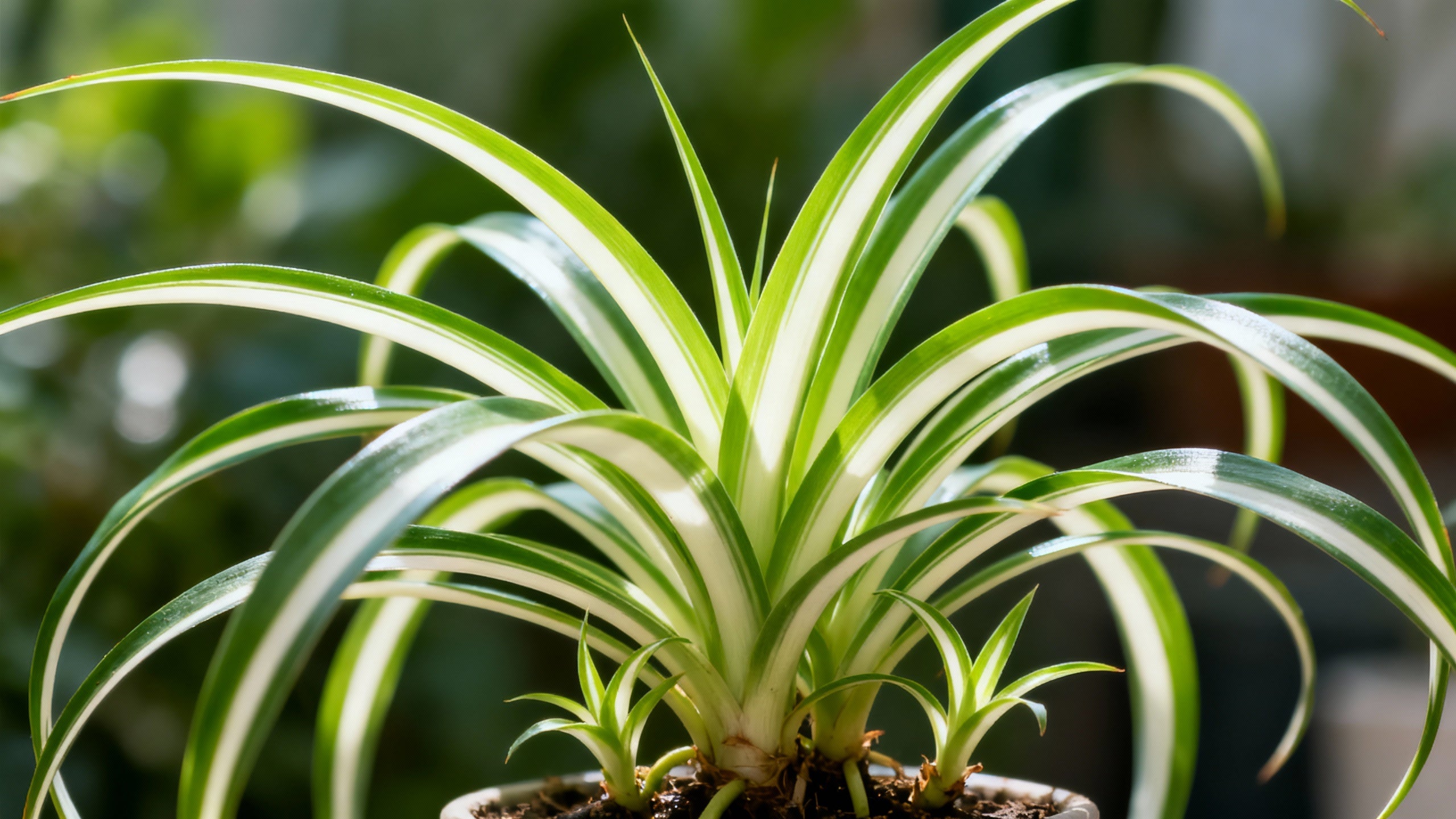
This background gives us important clues about what these plants need indoors. Spider plants thrive in bright, indirect light and typically need 6 to 8 hours of quality light daily to maintain their vibrant foliage and produce those characteristic "spiderettes" or baby plants.
While spider plants are remarkably tolerant and can survive in lower light conditions, insufficient lighting leads to slower growth, loss of the beautiful variegation on striped varieties, and leggy stems as the plant stretches toward available light. On the flip side, too much direct sunlight causes leaf scorch, brown tips, and faded coloring.
This is where a good grow light becomes invaluable. When natural light is limited—whether due to north-facing windows, dark winter months, or windowless spaces—a quality grow light ensures your spider plant receives consistent, appropriate illumination year-round.

When Does Your Spider Plant Need a Grow Light?
Not every spider plant requires supplemental lighting, but several situations make grow lights extremely beneficial or even necessary.
Limited Natural Light Situations
If your home has primarily north-facing windows or limited window access, natural light may not be sufficient. Spider plants placed more than a few feet from windows often don't receive adequate brightness to thrive.
Offices, bathrooms, basements, and interior rooms without windows present particular challenges. In these spaces, a grow light transforms an otherwise unsuitable location into a perfect home for your spider plant.
Seasonal Light Deficiency
During fall and winter months, daylight hours decrease significantly, especially in northern climates. Even plants positioned near windows may not receive their needed 6-8 hours of quality light during short winter days.
Supplementing with grow lights during darker months helps maintain consistent growth and prevents the dormancy-like slowdown that many houseplants experience when light levels drop.
Promoting Optimal Growth and Reproduction
Even if your spider plant survives on available natural light, adding a grow light can take it from merely surviving to truly thriving. Plants receiving optimal light produce more vibrant foliage, maintain stronger variegation, and produce more spiderettes for propagation.
Quality lighting also supports the overall health that makes spider plants effective air purifiers. These plants are known for removing toxins like formaldehyde and benzene from indoor air, and healthy, actively growing plants perform this function most efficiently.
Signs Your Spider Plant Needs More Light
Watch for these indicators that your plant would benefit from supplemental lighting:
- Fading or loss of variegation on striped varieties
- Slow or stunted growth
- Leaves becoming pale or yellowish-green rather than vibrant
- Leggy growth with increased spacing between leaves
- Failure to produce spiderettes despite mature size
- Leaves drooping or becoming limp
If you notice these symptoms and other care factors (watering, temperature, humidity) are appropriate, insufficient light is likely the culprit.
Choosing the Right Grow Light for Spider Plants
Spider plants don't require the high-intensity lighting that flowering plants or vegetables need, making them relatively easy and affordable to light artificially.
LED Grow Lights: The Best Choice for Houseplants
LED grow lights represent the ideal solution for spider plants and other houseplants. Modern LED technology provides the right spectrum for healthy growth while consuming minimal energy and producing very little heat.
Unlike the high-intensity lights used for serious cultivation, houseplant LEDs are designed to supplement or replace natural light without overwhelming your plants or your electric bill. They're energy-efficient, long-lasting, and safe to position close to foliage without burning.
Quality LED systems emit full-spectrum light that mimics natural sunlight, including the blue wavelengths that promote leafy growth and the red wavelengths that support overall plant health. This balanced approach keeps spider plants compact, vibrant, and productive.
Understanding Light Intensity for Spider Plants
Spider plants need moderate light intensity—not too weak, but not too strong either. In technical terms, they thrive with 200-400 PPFD (Photosynthetic Photon Flux Density).
This is considerably less than what vegetable plants or flowering varieties require, which means you don't need expensive, high-wattage systems. Compact LED grow lights designed for houseplants typically provide perfect intensity for spider plants when positioned 12-18 inches from the foliage.
For those using professional-grade systems like the Xi220 LED Grow Light, dimming capabilities allow you to adjust intensity down to levels appropriate for less-demanding houseplants. This flexibility makes quality LED systems versatile investments that work for diverse plant collections.
Full Spectrum vs. Targeted Spectrum
Spider plants benefit from full-spectrum lighting that provides a complete range of wavelengths. While they don't need the UV/IR capabilities important for flowering and fruiting plants, balanced full-spectrum output supports healthy vegetative growth and maintains vibrant coloring.
Some growers successfully use cool white LED bulbs or dedicated blue-spectrum lights for spider plants, since these emphasize the wavelengths most important for leafy growth. However, full-spectrum options provide more natural-looking light and ensure plants receive everything they might benefit from.
Compact vs. Panel-Style Lights
For individual spider plants or small collections, compact LED grow lights work beautifully. These smaller units can be mounted above individual plants, attached to shelves, or positioned on adjustable stands.
If you're growing multiple houseplants together or creating an indoor plant display, panel-style LEDs provide broader coverage. The Xi330 LED Grow Light efficiently covers 2x3 to 3x3 foot areas, making it perfect for supporting entire collections of houseplants including spider plants, pothos, snake plants, and other popular varieties.
How to Position and Use Grow Lights for Spider Plants
Proper placement and scheduling ensure your spider plant receives maximum benefit from supplemental lighting.
Optimal Distance and Positioning
Position LED grow lights 12-18 inches above your spider plant's foliage. This distance provides adequate intensity without risk of heat stress or light burn. The exact optimal distance depends on your specific light's output, so monitor your plant's response.
Signs the light is too close include browning leaf tips, bleached or faded coloring, and curling leaves attempting to escape excessive intensity. If the light is too far, you'll see the same symptoms as insufficient natural light: pale coloring, leggy growth, and weak development.
Adjust positioning as your plant grows. Spider plants can develop quite full canopies, so you may need to raise lights periodically to maintain appropriate distance from the highest leaves.
Duration and Timing
Spider plants need 12-14 hours of light daily when relying entirely on artificial lighting. If supplementing natural light, adjust duration based on how much natural exposure your plant receives. For plants getting 4-6 hours of window light, an additional 6-8 hours under grow lights works well.
Using a timer automates this schedule and ensures consistency. Plants thrive on predictable light cycles, and timers eliminate the need to remember daily on/off switching.
Positioning lights on timers also enables you to schedule operation during off-peak electricity hours if your utility offers time-of-use rates, maximizing energy cost savings.
Combining Natural and Artificial Light
Grow lights work beautifully as supplements to available natural light. Place your spider plant near a window where it receives indirect morning or late afternoon sun, then position a grow light to extend total daily light duration or boost intensity.
This combination approach often produces the best results while minimizing electricity use. Natural light provides intensity and spectrum that's hard to fully replicate artificially, while grow lights fill gaps and ensure consistent daily totals.
Monitoring Plant Response
Your spider plant will tell you whether lighting conditions are right. Watch for these positive indicators of proper lighting:
- Vibrant, rich coloring with strong variegation on striped varieties
- Compact growth with normal leaf spacing
- Production of healthy spiderettes on mature plants
- Leaves maintaining upright, perky posture
- Consistent growth rate throughout the year
Adjust light intensity, duration, or distance if your plant shows signs of stress or isn't thriving as expected.
For more detailed guidance on indoor plant care with grow lights, explore our comprehensive LED grow lights for indoor plants guide.
Additional Spider Plant Care Tips Under Grow Lights
Proper lighting works in concert with other care factors to keep spider plants healthy and beautiful.
Watering Adjustments
Plants under grow lights often need slightly more frequent watering than those relying solely on natural light. Consistent lighting means consistent photosynthesis and water uptake, unlike the variable natural light that changes with weather and seasons.
Water when the top 1-2 inches of soil feels dry to the touch. Spider plants have thick roots that store moisture, making them somewhat drought-tolerant but susceptible to root rot if overwatered. Allow soil to drain completely and never let plants sit in standing water.
Using filtered or distilled water prevents brown tips caused by fluoride and salts found in tap water—a common issue with spider plants regardless of lighting setup.
Temperature and Humidity
Spider plants prefer temperatures between 60-80°F, which matches typical indoor conditions perfectly. Keep plants away from heating and cooling vents, as rapid temperature fluctuations and direct airflow cause stress.
These plants appreciate moderate humidity but tolerate typical home levels. If you notice brown leaf tips and watering practices are appropriate, low humidity may be the cause. Light misting or a nearby humidifier helps, especially during dry winter months when indoor heating reduces air moisture.
Fertilizing Under Grow Lights
Plants growing under consistent lighting conditions remain more actively metabolic year-round compared to those experiencing natural seasonal light variation. Feed spider plants growing under lights monthly during spring and summer with diluted, balanced liquid fertilizer.
Reduce or eliminate feeding during fall and winter even under grow lights, as most houseplants naturally slow growth during shorter days regardless of artificial lighting. Overfertilization causes brown leaf tips and salt buildup in soil.
Cleaning and Maintenance
Dust accumulation on leaves reduces the plant's ability to absorb light, whether natural or artificial. Wipe spider plant leaves gently with a damp cloth every few weeks to remove dust and keep foliage clean and efficient.
Similarly, keep your grow light's surface clean. Dust on LED panels reduces light output by 10-15% over time. Wipe lights monthly with a soft, dry cloth to maintain maximum effectiveness.

Energy Efficiency and Cost Considerations
One concern many people have about using grow lights is electricity cost. Fortunately, modern LED technology makes supplemental lighting surprisingly affordable.
Calculating Energy Costs
A typical 20-30 watt LED grow light suitable for spider plants running 12 hours daily uses approximately 7-11 kilowatt-hours monthly. At average electricity rates of $0.12 per kWh, this costs just $0.84-$1.32 per month—less than a cup of coffee.
Compared to older fluorescent or incandescent grow lights, LEDs use 50-70% less electricity while providing better-quality light. This efficiency makes them economical for long-term use.
Longevity and Replacement Costs
Quality LED grow lights last 50,000+ hours, translating to 10+ years of operation at 12 hours daily. This longevity eliminates frequent bulb replacement costs and reduces environmental waste.
The initial investment in a good LED system pays for itself through years of reliable service, making it far more economical than repeatedly replacing cheaper, shorter-lived alternatives.
Multiple Plant Efficiency
If you're growing several houseplants together, a single appropriately sized grow light can serve multiple specimens. Positioning several spider plants, along with other low-to-moderate light houseplants like pothos or philodendrons, under one panel-style LED maximizes value and efficiency.
Troubleshooting Common Issues
Even with proper lighting, spider plants occasionally develop problems. Here's how to address common concerns.
Brown Leaf Tips
Brown tips are the most frequent complaint about spider plants. While insufficient humidity and tap water chemicals are common causes, lighting issues can contribute. Excessive intensity causes browning, as do hot spots from lights positioned too close.
Ensure lights are at appropriate distance, use filtered water, and maintain moderate humidity to minimize this cosmetic issue. Trim brown tips with clean scissors if desired, cutting at an angle to mimic the natural leaf shape.
Fading Variegation
Striped spider plant varieties losing their distinctive white or yellow markings usually indicates insufficient light. Increase light intensity slightly or extend daily duration to restore vibrant variegation.
However, some fading occurs naturally as variegated plants age. Spiderettes and new growth should show proper variegation under adequate lighting even if older leaves fade somewhat.
Leggy Growth
Elongated stems with increased spacing between leaves indicate light-seeking behavior. Your plant is stretching toward insufficient light. Move the grow light closer, increase intensity if adjustable, or extend daily light duration.
Leggy growth can be pruned back to encourage bushier development, but addressing the root cause (insufficient light) prevents recurrence.
No Spiderette Production
Mature spider plants typically produce baby plants on long stems when conditions are right. Insufficient light often prevents this reproduction. Ensure your plant receives 6-8 hours minimum of quality light daily.
Some varieties are naturally less prolific spiderette producers. If your plant is otherwise healthy with good growth and coloring, its reproduction rate may simply reflect its particular genetics.
Frequently Asked Questions About Grow Lights for Spider Plants
Can I use regular LED bulbs instead of grow lights for my spider plant?
Regular LED bulbs can work for short-term supplementation, but dedicated grow lights provide better results. Standard LEDs lack the full spectrum plants utilize most effectively and often don't provide adequate intensity. Cool white LED bulbs offer more appropriate spectrum than warm white, but purpose-designed grow lights deliver superior performance. For occasional supplementation they're acceptable, but for primary or long-term lighting, invest in proper grow lights.
How far should a grow light be from my spider plant?
Position LED grow lights 12-18 inches above spider plant foliage. This distance provides adequate light intensity without heat stress or burn risk. Adjust based on your specific light's output and your plant's response. If leaves show browning, bleaching, or curling, increase distance. If growth is leggy or coloring pale, move the light closer. Monitor your plant and adjust accordingly for optimal results.
How many hours of grow light does a spider plant need daily?
Spider plants need 12-14 hours of light daily when relying entirely on artificial lighting. When supplementing natural light, adjust duration based on natural light received. Plants getting 6 hours of window light benefit from an additional 6-8 hours under grow lights. Total daily light (natural plus artificial combined) should reach 12-14 hours for optimal growth. Use timers to maintain consistent schedules.
Will grow lights make my spider plant produce more babies?
Yes, proper lighting encourages spiderette production. Mature spider plants with adequate light, proper watering, and appropriate care typically produce baby plants on long stems. Insufficient light often prevents this reproduction even in healthy mature plants. Consistent, adequate lighting increases likelihood of spiderette production, though individual plant genetics also influence proliferation rates. Providing 6-8 hours minimum of quality light daily supports reproduction in mature specimens.
Can grow lights prevent brown tips on spider plant leaves?
Grow lights help by ensuring adequate light levels, but brown tips result from multiple factors. Common causes include tap water chemicals (fluoride, chlorine), low humidity, inconsistent watering, and overfertilization. While proper lighting contributes to overall plant health that resists stress, switching to distilled or filtered water and maintaining appropriate humidity address brown tips more directly. Lights positioned too close can cause browning, so ensure appropriate distance.
Summary: Optimizing Spider Plant Care with Grow Lights
Spider plants thrive in bright, indirect light and need 6-8 hours of quality light daily to maintain vibrant foliage and produce spiderettes. LED grow lights positioned 12-18 inches above foliage provide ideal supplemental lighting, especially in low-light locations or during winter months. Choose full-spectrum LEDs running 12-14 hours daily for plants relying entirely on artificial light, or supplement natural light with 6-8 hours of grow light exposure. Monitor plant response and adjust distance, duration, or intensity to maintain compact growth, strong variegation, and healthy development.
Create the Perfect Environment for Your Spider Plant
Spider plants are remarkably forgiving houseplants, but providing optimal lighting takes them from surviving to truly thriving. Whether you're dealing with a dark apartment, a windowless office, or simply want to give your plants the best possible care, the right grow light makes all the difference.
Quality LED grow lights designed for indoor plants offer energy-efficient, long-lasting solutions that keep your spider plants vibrant and productive year-round. With minimal operating costs and maintenance-free operation, they're smart investments that support your entire houseplant collection.
Ready to give your spider plants the consistent, quality light they deserve? Explore Gorilla's LED grow light collection to find the perfect system for your needs. From compact solutions for individual plants to professional-grade systems supporting entire indoor gardens, there's an option engineered specifically for your success.
Your spider plants will reward proper lighting with lush growth, vibrant colors, and plenty of baby plants to share with friends. Start creating the perfect environment today and watch your houseplants flourish like never before.