Grow Tent with Lights: How to Set Up Your Indoor Garden for Success
Complete Guide to Setting Up a Grow Tent with Lights
Why Grow Tents with Lights Are Essential for Indoor Gardening
Grow tents with lights provide an enclosed environment for plants, allowing you to control factors like temperature, humidity, and lighting. This makes them ideal for growing plants year-round, regardless of outdoor conditions. Whether you're a beginner or an experienced grower, understanding how to set up a grow tent with lights is essential for achieving healthy and productive plants.
Choosing the Right Grow Tent
The first step in setting up a grow tent with lights is selecting the right tent for your needs. Grow tents come in various sizes, typically ranging from small 2x2 tents to large 10x10 setups. The size you choose depends on the number of plants you want to grow and the available space in your home. Additionally, most grow tents are made from durable materials with reflective interiors to maximize the effect of your grow lights.
Types of Grow Lights for Grow Tents
Grow lights are a crucial component of your grow tent setup, as they provide the light energy plants need for photosynthesis. There are several types of grow lights to consider:
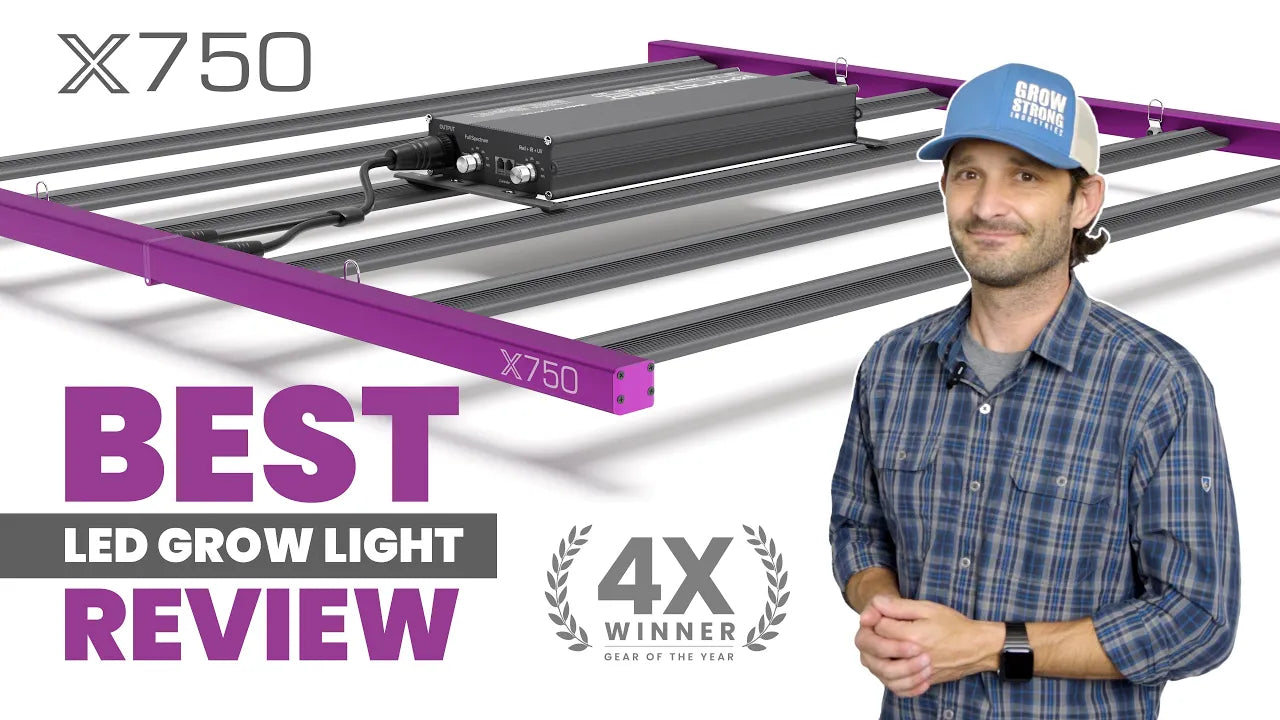
- LED Grow Lights: These are energy-efficient and produce less heat compared to other lights. They offer a full spectrum of light, making them suitable for all stages of plant growth.
- HID (High-Intensity Discharge) Lights: HID lights, including Metal Halide (MH) and High-Pressure Sodium (HPS) lamps, are powerful and ideal for larger grow tents. However, they generate significant heat and may require additional ventilation.
- CFL (Compact Fluorescent Lights): These lights are more affordable and produce less heat. However, they are less powerful than LEDs or HIDs, making them better suited for small-scale growing.
How to Choose the Right Grow Light for Your Tent
When selecting a grow light, you need to consider the size of your grow tent and the specific needs of your plants. The light intensity is measured in watts, and different plants require different levels of light. For example:
- Small grow tents (2x2 to 3x3): A 200-400W LED light or a 250W HID light is usually sufficient for smaller tents.
- Medium grow tents (4x4 to 5x5): These tents benefit from a 600W LED light or a 600W HPS light for optimal growth.
- Large grow tents (8x8 or larger): For larger grow spaces, you’ll need multiple 1000W LED lights or HPS lights to ensure adequate light coverage for all plants.
Setting Up Your Grow Tent with Lights
Now that you have selected your grow tent and lights, it’s time to set up your system. Follow these steps for a successful setup:
1. Assembling the Grow Tent
Most grow tents come with easy-to-follow instructions. After assembling the tent frame, ensure the reflective material is properly secured to the frame. Be mindful of where you place the tent, as you’ll need access to ventilation and power sources for your lights and fans.
2. Installing the Grow Lights
The placement of your grow lights is essential for ensuring that your plants receive the right amount of light. Hang your lights from the ceiling of the grow tent using adjustable ropes or chains. The distance between the lights and your plants depends on the type of lights you use:
- LED lights: Typically, these should be placed 18-24 inches above the plants during the vegetative stage and 12-18 inches during the flowering stage.
- HID lights: Due to their heat, they should be positioned 24-36 inches above the plants to avoid scorching.
3. Setting Up Ventilation
Grow lights, especially HID lights, generate heat, so proper ventilation is crucial to maintain the right temperature inside the tent. Install an inline fan and ducting to remove hot air and bring in fresh, cool air. You should also consider using an oscillating fan to circulate air within the tent, ensuring that no areas become too hot or stagnant.
4. Light Cycle Management
The light cycle is essential for plant growth, as it mimics the natural day and night cycle. Most plants require different light cycles depending on their growth stage:
- Vegetative stage: Plants need 18-24 hours of light per day during this stage to encourage strong growth.
- Flowering stage: Reduce the light to 12 hours per day to stimulate flowering and fruit production.
To manage this, use a programmable timer to automatically turn your grow lights on and off according to the required schedule.
Additional Accessories for Your Grow Tent
While lights and ventilation are the core components, you may also want to consider additional accessories to enhance your grow tent setup:
- Carbon Filters: These are used with inline fans to reduce odors that come from the tent.
- Thermometer and Hygrometer: Monitoring temperature and humidity is crucial for plant health. Many growers use digital meters to keep track of these conditions inside their grow tent.
- Grow Light Reflectors: Reflectors can help direct more light toward the plants, improving light efficiency and coverage.
Conclusion: Optimizing Your Grow Tent with Lights
Setting up a grow tent with lights is one of the most effective ways to create a controlled environment for indoor gardening. By choosing the right grow tent, selecting the appropriate grow lights, and installing proper ventilation, you can ensure your plants thrive. Always monitor your plants’ progress and make adjustments to the light intensity and cycle as needed for the best results.
Frequently Asked Questions
- How many lights do I need for my grow tent? The number of lights depends on the size of your tent and the type of plants you're growing. A small tent might only need one light, while larger tents may require multiple lights for full coverage.