The Complete Guide to Grow Tents with Lights
Unleashing the Power of Indoor Gardening: The Complete Guide to Grow Tents with Lights
In recent years, indoor gardening has gained immense popularity among gardening enthusiasts thanks to its convenience and control. One crucial element in successful indoor gardening is growing tents with lights. These compact and versatile setups provide an optimal environment for plants to thrive, allowing year-round cultivation regardless of external weather conditions.
This article will explore the key benefits, essential components, and tips for maximizing your indoor gardening experience with grow tents and lights.

Understanding the Advantages of Grow Tents
Grow tents act as a controlled environment replicating the optimal conditions plants require for healthy growth. Here are some key advantages of utilizing a grow tent:
Light Control: Grow tents allow precise control over light exposure, intensity, and duration, enabling growers to mimic different seasons and promote optimal plant growth.
Climate Regulation: Grow tents provide insulation and a controlled environment for temperature, humidity, and ventilation, creating a stable microclimate that fosters healthy plant development.
Space Optimization: These tents come in various sizes, allowing you to maximize your available space efficiently. Their compact design ensures that every inch is dedicated to plant growth, minimizing wastage.
Pest and Disease Prevention: Grow tents protect against pests, insects, and airborne diseases, safeguarding your plants and ensuring a clean, healthy environment.

Choosing the Right Grow Lights
Grow lights are a fundamental component of any successful indoor gardening setup. When selecting grow lights for your grow tent, consider the following options:
LED Grow Lights: Energy-efficient and versatile, LED lights are preferred for most indoor gardeners. They provide a broad light spectrum suitable for all stages of plant growth, emit minimal heat, and have a long lifespan.
Fluorescent Grow Lights: Cost-effective and suitable for smaller grow tents or specific plant varieties, fluorescent lights are known for their low heat output and are ideal for seedlings and young plants.
High-Intensity Discharge (HID) Grow Lights: HID lights, such as metal halide (MH) and high-pressure sodium (HPS) bulbs, offer intense light output and are suitable for larger grow tents or advanced gardeners. However, they produce more heat and consume more energy.
Essential Components of a Grow Tent Setup
To create an efficient and successful grow tent setup, you'll need the following key components:
Grow Tent: Choose a tent size that suits your available space and number of plants. Look for durable, lightproof materials with sturdy frames and easy access points.
Ventilation System: An efficient ventilation system ensures proper air circulation, controlling temperature and humidity. It consists of fans, ducting, carbon filters, and an exhaust system to remove stale air and bring in fresh air.
Grow Lights: Select the appropriate type and wattage of grow lights based on the plants you wish to cultivate and the tent size. Position the lights correctly from the plants to prevent heat damage.
Reflective Material: Line the interior walls of your grow tent with reflective material, such as Mylar or white paint, to enhance light distribution and minimize energy wastage.
Temperature and Humidity Control: Use a thermometer and hygrometer to monitor and adjust temperature and humidity levels. Consider adding a dehumidifier or humidifier, depending on your specific needs.
Growing Medium and Nutrient System: Choose a suitable growing medium based on your preferred cultivation method, such as soil, coco coir, or hydroponics. Ensure proper drainage and aeration to prevent waterlogging and root rot. Set up a nutrient delivery system appropriate for your chosen medium, whether it's through organic or synthetic fertilizers, hydroponic solutions, or compost teas.
Plant Support and Training: Some plants benefit from support structures like trellises, stakes, or cages to help them grow upright and maximize their exposure to light. Additionally, certain training techniques, such as low-stress training (LST) or high-stress training (HST), can be employed to shape the plant canopy and promote even light distribution.
Tips for Maximizing Results
To optimize your indoor gardening experience with grow tents and lights, keep the following tips in mind:
Start with Easy-to-Grow Plants: If you're new to indoor gardening, begin with plants known to be resilient and forgiving, such as herbs, lettuce, or cherry tomatoes.
Follow Proper Light Cycles: Different plant species require specific light cycles for vegetative growth and flowering. Research the light requirements of your plants and adjust the light schedule accordingly.
Maintain Proper Nutrient Levels: Use high-quality soil or hydroponic systems and provide the necessary nutrients, fertilizers, and supplements for robust plant growth.
Regular Maintenance: Keep a diligent pruning, watering, and pest control schedule. Regularly inspect your plants for signs of nutrient deficiencies, pests, or diseases.
Learn and Experiment: Indoor gardening is an ongoing learning process. Stay curious, read about new techniques, and experiment with different plant varieties and growing methods to expand your knowledge and skills.
Unlocking Your Indoor Gardening Potential
Grow tents with lights offer a practical and efficient solution for indoor gardening enthusiasts, enabling year-round cultivation and complete control over growing conditions.
By understanding the benefits, selecting the right components, and following essential tips and advanced techniques, you can create a thriving indoor garden that will bring joy and satisfaction as you witness the wonders of plant growth in your own home.
Illuminating the Growth: The Power of Blue and Red LED Grow Lights
Indoor gardening has gained immense popularity in recent years thanks to advancements in technology and the availability of efficient lighting systems. Among the various lighting options available, LED grow lights have emerged as a preferred choice for indoor plant cultivation. LED grow lights come in different colors, with blue and red being the most commonly used spectrums.
Understanding the role of blue and red light in photosynthesis, vegetative growth, flowering, and fruiting is crucial for achieving successful indoor gardens.
In this article, we will explore the benefits of these specific wavelengths and shed light on how they contribute to the success of indoor gardening.
Blue and Red LED Grow Lights and Their Impact on Plant Development
Enhanced Photosynthesis
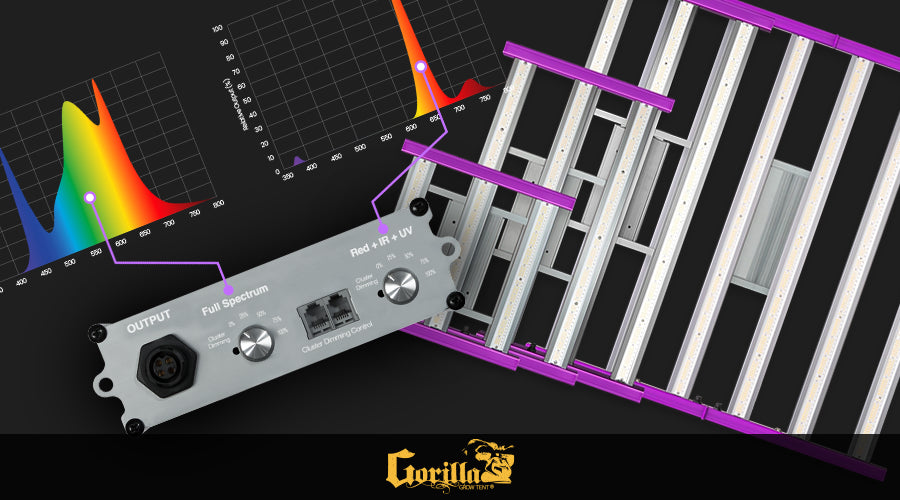
One of the fundamental reasons behind the effectiveness of blue and red LED grow lights is their ability to optimize the process of photosynthesis. Blue light, with a wavelength of approximately 440-470 nanometers (nm), is crucial in promoting vegetative growth. It stimulates the production of chlorophyll, aiding in the absorption of energy and facilitating robust leaf development. On the other hand, red light, with a wavelength of around 620-660 nm, is instrumental in stimulating flowering and fruiting stages. It encourages the synthesis of essential plant pigments, such as phytochromes, which regulate various developmental processes.
Energy Efficiency
Compared to traditional lighting systems, LED grow lights offer unparalleled energy efficiency. Blue and red LEDs provide specific wavelengths that are more readily absorbed by plants, resulting in minimal energy wastage. These lights convert more electrical energy into usable light, ensuring that plants receive the most beneficial wavelengths. This energy efficiency translates into cost savings for growers, as LED grow lights consume less electricity and generate less heat, reducing the need for additional cooling systems.
Customizable Spectrum
One of the significant advantages of blue and red LED grow lights is their ability to provide customizable spectrums tailored to different plant growth stages. With the help of modern LED technology, growers can fine-tune the light spectrum by combining blue and red LEDs in specific ratios to meet the specific needs of their plants. For instance, during the vegetative stage, a higher ratio of blue light can promote leafy growth, while increasing the proportion of red light during the flowering phase can encourage blooming. This flexibility allows gardeners to optimize plant growth, increase yields, and cultivate healthier, more resilient plants.
Compact and Low-Heat Design
Unlike traditional grow lights emitting significant heat, blue and red LED grow lights operate at considerably lower temperatures. This low-heat characteristic eliminates the risk of scorching plant foliage and allows for closer placement to plants without causing damage. Furthermore, the compact design of LED grow lights enables efficient space utilization, making them ideal for indoor gardening setups, such as grow tents or limited spaces.
Longevity and Durability
Investing in quality LED grow lights ensures a long-lasting and durable lighting solution. Blue and red LED bulbs have an impressive lifespan, often lasting tens of thousands of hours, providing several years of reliable service. Unlike traditional lighting options, which may require frequent replacement, LED grow lights offer growers a low-maintenance solution, reducing operational costs and effort.
Whether a seasoned gardener or a novice plant lover, incorporating blue and red LED grow lights into your indoor garden can unlock possibilities, nurturing healthy, vibrant plants that flourish in any season.