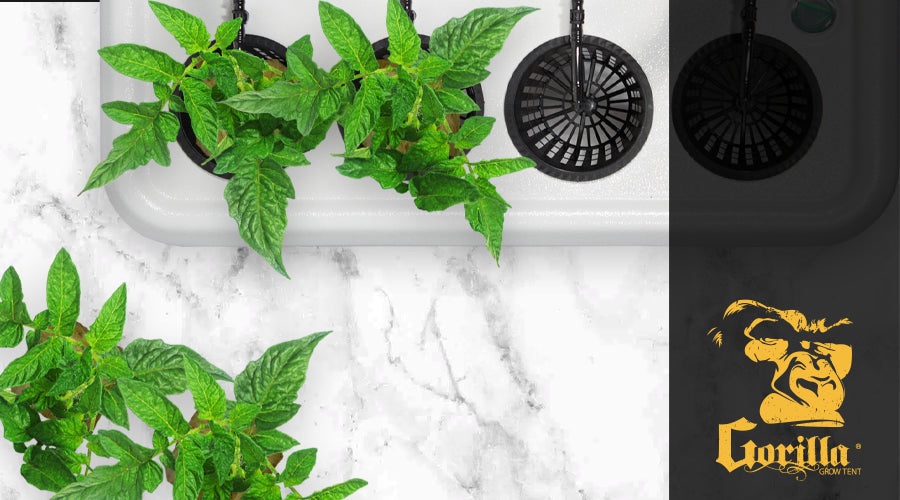
How to Grow Hydroponic Plants
Unlocking the Future of Agriculture: How to Grow Hydroponic Plants
Hydroponics is an innovative and efficient method of growing plants without soil.
Hydroponics offers an exciting and efficient way to grow plants, providing a sustainable food production and gardening solution. You can embark on a rewarding hydroponic journey with the right knowledge and setup.
Whether you're a gardening enthusiast or looking to venture into commercial farming, this beginner's guide will help you get started with hydroponic plant cultivation.

A Beginner's Guide to Growing Plants without Soil
Hydroponics is a technique that involves growing plants in a nutrient-rich water solution, providing the essential elements needed for growth. Instead of relying on soil, plants' root systems are directly immersed in the water or supported by an inert growing medium like perlite, coconut coir, or Rockwool.
Setting Up a Hydroponic System:
Several types of hydroponic systems are available, including Deep Water Culture (DWC), Nutrient Film Technique (NFT), and Ebb and Flow. Choose a system that suits your needs, space, and budget. Ensure the system provides adequate plant support, allows proper nutrient circulation, and maintains oxygen levels.
Choosing the Right Plants:
Most plants can be grown hydroponically, but some species thrive better than others. Leafy greens like lettuce, herbs such as basil, and vine crops like tomatoes and cucumbers are popular choices. Start with beginner-friendly plants before experimenting with more challenging ones.
Providing Nutrients:
In hydroponics, plants solely rely on the nutrient solution for their growth. Prepare a nutrient solution by mixing the necessary minerals and elements correctly. Commercial hydroponic nutrient solutions are readily available, or you can formulate your own based on the plants' requirements.
Monitoring pH and EC Levels:
Maintaining the correct pH level and electrical conductivity (EC) of the nutrient solution is crucial for plant health. Most plants prefer a slightly acidic pH range of 5.5 to 6.5. Regularly test the solution using a pH meter and adjust it as needed. EC levels should be monitored to ensure optimal nutrient concentrations.
Providing Sufficient Lighting:
Since hydroponic plants lack access to natural sunlight, you'll need to provide artificial lighting. LED grow lights are popular due to their energy efficiency and customizable spectrum. Adjust the light intensity and duration based on the plant's growth stage, ensuring they receive the appropriate light daily.
Maintaining Adequate Air Circulation:
Proper air circulation helps prevent the growth of pathogens and provides plants with the necessary carbon dioxide. Install fans or an air circulation system to maintain a gentle breeze around the plants, ensuring they receive fresh air and preventing excess moisture buildup.
Managing Temperature and Humidity:
Maintaining the right temperature and humidity levels is essential for plant growth. Most plants thrive within a temperature range of 70°F to 80°F (21°C to 27°C). Humidity should be controlled based on the plants' specific requirements, usually between 40% and 60%.
Watering and Flushing:
Hydroponic systems require regular monitoring of water levels to prevent drying out or waterlogging. Ensure the plants' roots are submerged or receive a constant flow of the nutrient solution. Periodically flush the system to remove excess mineral buildup and maintain optimal nutrient balance.
Pest and Disease Management:
Although hydroponics minimizes the risk of pests and diseases compared to traditional soil-based cultivation, it's essential to remain vigilant. Regularly inspect the plants for signs of pests or diseases and take prompt action to prevent their spread. If needed, Integrated Pest Management (IPM) techniques and organic pest control methods can be employed.
Water Quality:
Water quality in your hydroponic system can greatly impact plant health. Use filtered or distilled water to avoid contaminants or excess minerals that may hinder plant growth. Avoid using chlorinated water and, if necessary, dechlorinate it before adding it to the system.
Nutrient Solution Management:
Regularly check and adjust the nutrient solution's strength and composition based on plant growth stages. Nutrient requirements may vary during different growth phases, such as vegetative growth and flowering. Follow the nutrient solution manufacturer's instructions or consult a hydroponics expert for guidance.
Timely Harvesting:
Monitor your plants closely and harvest them at the appropriate time. Each plant species has its optimal harvest stage. Harvesting too early or late can affect taste, texture, and quality. Maintain a harvesting calendar to keep track of each plant's progress.
Training and Pruning:
Certain plants like tomatoes and cucumbers benefit from training and pruning techniques to promote better growth and higher yields. Use stakes, trellises, or other support systems to train plants to grow vertically, allowing better light penetration and airflow. Regularly prune excessive foliage and side shoots to direct energy toward fruit production.
Experiment with Hydroponic Variations:
Once you've mastered the basics, don't hesitate to explore different hydroponic variations. For example, you can experiment with aeroponics, where plant roots are misted with nutrient-rich water, or aquaponics, which combines hydroponics with fish cultivation. These variations offer unique benefits and can add diversity to your hydroponic experience.
Keep Detailed Records:
Maintain a journal or logbook to record important observations, measurements, and adjustments to your hydroponic system. This record-keeping practice will help you track plant growth, identify trends, and troubleshoot any issues that may arise. It will also serve as a valuable reference for future crops.
Continuous Learning:
Hydroponics is a dynamic field with ongoing advancements and discoveries. Stay updated with the latest research, techniques, and innovations in hydroponic gardening. Join online communities, forums, and local gardening clubs to connect with experienced hydroponic growers and share knowledge and experiences.
Sustainability Considerations:
Hydroponics inherently offers sustainable advantages, but you can further optimize your system for eco-friendliness. Use energy-efficient LED lights, consider renewable energy sources, recycle and reuse water, and choose environmentally friendly nutrient solutions and pest control methods.
Remember to continuously learn and adapt your techniques as you gain experience in this fascinating cultivation method.