How Big Do Plants Grow? Your Complete Guide to Plant Size
Plant size varies dramatically depending on genetics, growing environment, and cultivation methods. Understanding how big plants can grow is crucial for planning your growing space, selecting appropriate equipment, and managing your plants throughout their lifecycle. The difference between a compact 2-foot indoor plant and a massive 20-foot outdoor tree often comes down to environmental control and growing techniques.
Many new growers underestimate how much space plants need, leading to cramped conditions that reduce yield and quality. Conversely, some overestimate size requirements, investing in unnecessarily large setups. The key is understanding the factors that influence plant size and how to manage them effectively.
This comprehensive guide covers everything you need to know about plant size, from seedling stage through harvest. With proper planning and appropriate growing space, you can optimize plant size for your specific goals and constraints.

Plant Size Ranges
Indoor Growing Size Expectations
Typical Indoor Heights:
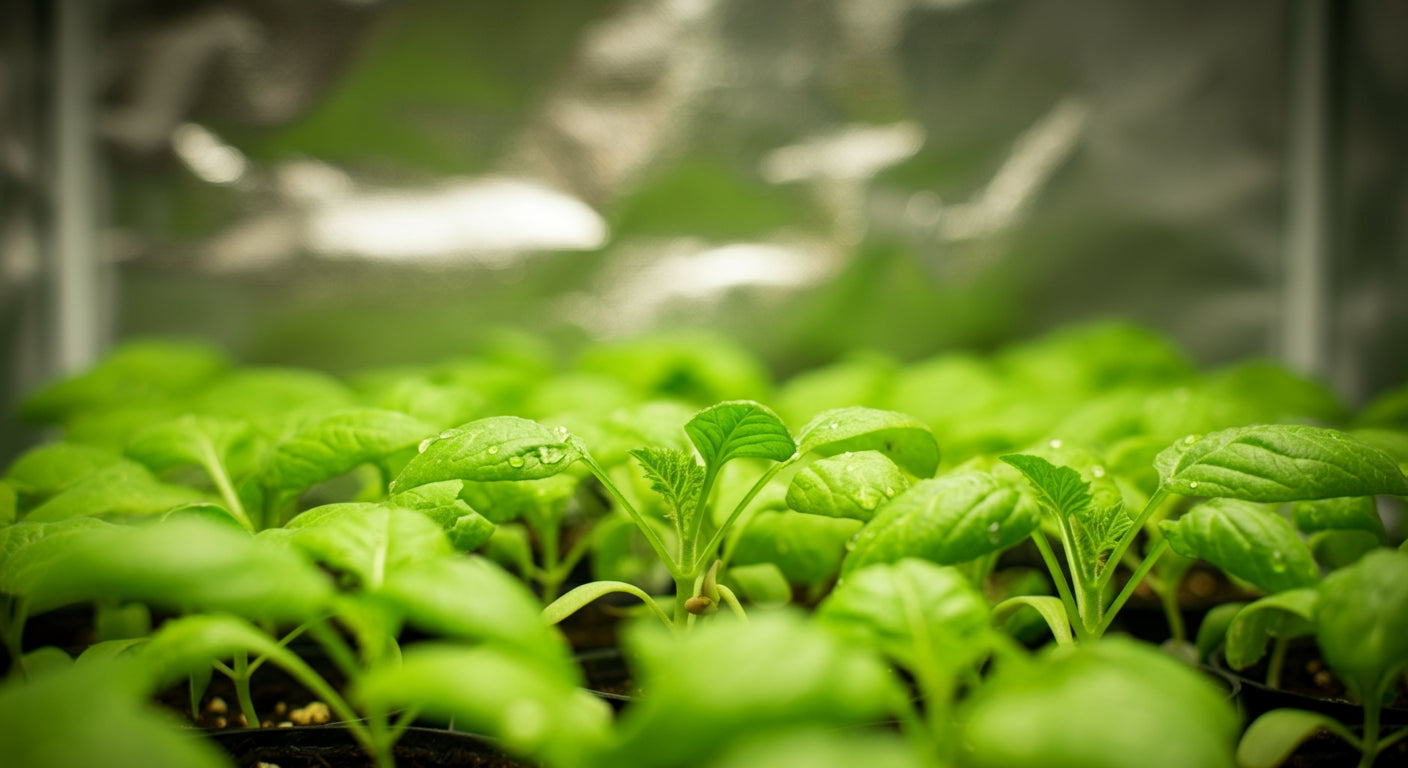
- Seedling stage: 2-6 inches (weeks 1-3)
- Early vegetative: 6-12 inches (weeks 4-6)
- Late vegetative: 12-24 inches (weeks 7-10)
- Flowering stretch: 24-48 inches (weeks 11-13)
- Mature flowering: 36-60 inches (weeks 14-22)
Width Considerations:
- Compact strains: 18-24 inches wide
- Average strains: 24-36 inches wide
- Large strains: 36-48 inches wide
- Trained plants: Width often exceeds height
Space Planning: Indoor plants typically require 2-4 square feet per plant and 4-8 feet of vertical space, including lights and equipment. Grow tent sizing should account for both current and maximum expected plant dimensions.
Outdoor Growing Size Potential
Outdoor Size Ranges:
- Northern climates: 4-8 feet tall, 3-6 feet wide
- Mediterranean climates: 8-12 feet tall, 6-10 feet wide
- Tropical climates: 12-20+ feet tall, 8-15 feet wide
- Greenhouse growing: 6-10 feet tall, 4-8 feet wide
Factors Affecting Outdoor Size:
- Growing season length: Longer seasons = larger plants
- Climate conditions: Temperature, humidity, rainfall
- Soil quality: Nutrient availability and root space
- Sun exposure: Direct sunlight promotes maximum growth
Record-Breaking Sizes: Some outdoor plants have exceeded 20 feet in height and 15 feet in width, producing yields of 10+ pounds per plant under optimal conditions.

Growth Stages and Size Development
Seedling Stage Size (Weeks 1-3)
Size Characteristics:
- Height: 2-6 inches maximum
- Width: 1-3 inches stem diameter
- Root system: 2-4 inches deep
- Leaf development: Cotyledons plus first true leaves
Growth Rate:
- Days 1-7: Emergence and initial development
- Days 8-14: First true leaves expand
- Days 15-21: Rapid leaf and stem development
- Week 3: Transition to vegetative growth
Space Requirements: Seedlings need minimal space but benefit from proper environmental control to establish strong growth patterns.
Vegetative Stage Growth (Weeks 4-10)
Size Expansion:
- Height increase: 2-4 inches per week
- Width expansion: Proportional to height growth
- Root development: Extensive underground growth
- Leaf production: Exponential increase in foliage
Growth Factors:
- Light intensity: Higher light = faster growth
- Nutrient availability: Proper feeding accelerates development
- Temperature: Optimal range 70-85°F for maximum growth
- Space availability: Unrestricted growth promotes larger size
Training Impact: Plant training techniques can significantly alter size and shape during this stage, often increasing width while controlling height.
Flowering Stage Changes (Weeks 11-22)
The Flowering Stretch:
- Height increase: 50-200% size increase in first 2-3 weeks
- Rapid vertical growth: Some plants double in height
- Bud development: Flowers begin forming at nodes
- Energy redirection: Growth shifts from leaves to flowers
Size Stabilization:
- Week 3-4: Height growth slows significantly
- Week 5-8: Minimal size changes, bud development focus
- Week 9+: Final maturation without size increase
Space Planning: The flowering stretch requires planning for significant size increases. Height-adjustable grow tents accommodate this rapid growth phase.
Factors Affecting Plant Size
Genetic Influences
Strain Categories:
- Indica-dominant: Typically shorter and bushier (2-4 feet)
- Sativa-dominant: Taller and more stretchy (4-8 feet)
- Hybrid varieties: Variable size depending on genetics
- Autoflowering: Generally smaller (1-3 feet)
Specific Strain Examples:
- Northern Lights (Indica): 3-4 feet, compact structure
- Sour Diesel (Sativa): 5-7 feet, tall and lanky
- Blue Dream (Hybrid): 4-6 feet, balanced growth
- Lowryder (Auto): 1-2 feet, compact lifecycle
Environmental Factors
Light Exposure:
- Intensity: Higher light promotes larger growth
- Duration: Longer photoperiods increase vegetative size
- Spectrum: Full spectrum supports optimal development
- Coverage: Even light distribution prevents uneven growth
Container Size:
- Small containers (1-3 gallons): Limit root space and plant size
- Medium containers (5-7 gallons): Allow moderate growth
- Large containers (10+ gallons): Support maximum size potential
- Root space: Directly correlates with above-ground size
Nutrition and Water:
- Adequate nutrition: Supports maximum genetic potential
- Consistent watering: Prevents stress-related size reduction
- pH levels: Optimal range ensures nutrient uptake
- Organic vs. synthetic: Both can support large growth
Growing Method Impact
Soil vs. Hydroponic:
- Soil growing: Typically produces shorter, bushier plants
- Hydroponic systems: Often results in taller, faster growth
- Soilless media: Medium growth rates and sizes
- Nutrient delivery: Faster uptake can increase size
Indoor vs. Outdoor:
- Indoor limitations: Space, light, and environmental constraints
- Outdoor advantages: Unlimited root space, natural sunlight
- Controlled environment: Consistent conditions vs. natural variation
- Season length: Longer growing seasons = larger plants
Managing Plant Size
Size Control Techniques
Pruning Methods:
- Topping: Remove main cola to encourage bushier growth
- FIMing: Pinch growing tip to promote multiple colas
- Selective pruning: Remove specific branches to control size
- Timing: Early vegetative stage for best results
Training Techniques:
- Low Stress Training (LST): Bend branches to control height
- Screen of Green (SCROG): Use screens to limit vertical growth
- Supercropping: Bend stems to reduce height
- Defoliation: Remove leaves to control size and improve light penetration
Container Management:
- Smaller containers: Naturally limit plant size
- Root pruning: Trim roots to control growth
- Transplanting timing: Delay transplanting to limit size
- Container shape: Wider containers promote bushier growth
Maximizing Plant Size
Vegetative Extension:
- Longer veg periods: 8-12 weeks for maximum size
- Optimal nutrition: High nitrogen for vegetative growth
- Larger containers: 10+ gallons for maximum root space
- Intense lighting: High PPFD values promote rapid growth
Environmental Optimization:
- Temperature control: Maintain optimal growth ranges
- Humidity management: Proper levels for each growth stage
- CO2 supplementation: Enhance photosynthesis and growth
- Air circulation: Strengthen stems to support large size
Training for Size:
- Minimal training: Allow natural growth patterns
- Selective support: Stake branches to support weight
- Gradual techniques: Avoid stress that reduces size
- Recovery time: Allow plants to recover between training sessions
Space Planning for Different Plant Sizes
Small Plant Setups (2-4 feet)
Space Requirements:
- Growing area: 2x2 to 3x3 feet per plant
- Height needed: 4-6 feet minimum
- Container size: 3-5 gallons
- Plant count: 4-9 plants per 4x4 area
Ideal Environments:
- Compact grow tents: Perfect for controlled small plants
- Closet grows: Utilize limited vertical space
- Autoflowering strains: Naturally smaller varieties
- Sea of Green: Many small plants for quick harvests
Medium Plant Setups (4-6 feet)
Space Requirements:
- Growing area: 3x3 to 4x4 feet per plant
- Height needed: 6-8 feet minimum
- Container size: 5-10 gallons
- Plant count: 1-4 plants per 4x4 area
Equipment Considerations:
- Standard grow tents: Most common indoor setup
- Training requirements: Moderate LST and topping
- Lighting needs: 400-600W LED systems
- Ventilation: Standard exhaust and intake systems
Large Plant Setups (6+ feet)
Space Requirements:
- Growing area: 4x4 to 6x6 feet per plant
- Height needed: 8-12 feet minimum
- Container size: 15+ gallons
- Plant count: 1-2 plants per 4x4 area
Special Considerations:
- Height extension kits: Accommodate tall growth
- Structural support: Strong frames for heavy plants
- Increased ventilation: Larger plants need more air exchange
- Training necessity: Essential for light penetration
Strain-Specific Size Information
Popular Indica Strains
Northern Lights:
- Height: 2-4 feet indoors, 4-6 feet outdoors
- Width: 2-3 feet spread
- Growth pattern: Compact, bushy structure
- Flowering time: 7-9 weeks
Granddaddy Purple:
- Height: 3-4 feet indoors, 5-7 feet outdoors
- Width: 3-4 feet spread
- Growth pattern: Medium height, wide canopy
- Flowering time: 8-11 weeks
Popular Sativa Strains
Sour Diesel:
- Height: 4-6 feet indoors, 8-12 feet outdoors
- Width: 3-5 feet spread
- Growth pattern: Tall, stretchy growth
- Flowering time: 10-11 weeks
Jack Herer:
- Height: 4-7 feet indoors, 8-10 feet outdoors
- Width: 4-6 feet spread
- Growth pattern: Vigorous, tall growth
- Flowering time: 8-10 weeks
Autoflowering Varieties
Lowryder:
- Height: 1-2 feet maximum
- Width: 1-2 feet spread
- Growth pattern: Extremely compact
- Total time: 8-10 weeks seed to harvest
Auto Blue Dream:
- Height: 2-3 feet maximum
- Width: 2-3 feet spread
- Growth pattern: Moderate autoflower size
- Total time: 10-12 weeks seed to harvest
Common Size Management Mistakes
Underestimating Growth
Common Errors:
- Insufficient ceiling height: Plants outgrow available space
- Inadequate spacing: Plants crowd each other
- Small container syndrome: Roots become bound
- Light burn: Lights too close to tall plants
Solutions:
- Plan for stretch: Account for 2-3x size increase
- Adjustable equipment: Use height-adjustable systems
- Proper spacing: Allow adequate room between plants
- Container upgrades: Transplant to larger containers
Overestimating Space Needs
Inefficient Setups:
- Excessive space: Wasted growing area
- Oversized equipment: Unnecessary expense
- Poor light coverage: Inefficient light distribution
- Ventilation issues: Difficulty maintaining proper environment
Optimization:
- Right-sized equipment: Match space to expected plant size
- Efficient layouts: Maximize space utilization
- Proper training: Control size to fit available space
- Multiple smaller plants: Instead of fewer large ones
FAQ Section
Q: How tall do plants grow indoors vs outdoors? A: Indoor plants typically grow 2-6 feet tall due to space and light limitations, while outdoor plants can reach 8-20+ feet in optimal conditions. Indoor size is controlled by container size, ceiling height, and growing techniques.
Q: What determines how big a plant gets? A: Plant size depends on genetics (indica vs sativa), container size, growing time, environmental conditions, nutrition, and training techniques. Sativas naturally grow taller, while indicas stay more compact.
Q: How much space does one plant need? A: Indoor plants need 2-4 square feet of floor space and 4-8 feet of height. Outdoor plants can use 4-16 square feet depending on size. Container size also affects space requirements.
Q: Can you control how big plants grow? A: Yes, through training techniques (LST, SCROG, topping), container size limitations, shorter vegetative periods, and choosing compact strains. Environmental control also affects final size.
Q: Do autoflowering plants stay smaller? A: Yes, autoflowering plants typically stay 1-3 feet tall because they have fixed lifecycles (8-12 weeks) and don't respond to light schedule changes that allow unlimited vegetative growth.
Featured Snippet Summary
How big do plants grow: Indoor plants typically grow 2-6 feet tall and 2-4 feet wide, while outdoor plants can reach 8-20+ feet. Size depends on genetics (indica shorter, sativa taller), container size, growing time, and environmental conditions. Autoflowering varieties stay smallest at 1-3 feet.
Plan Your Perfect Growing Space for Any Plant Size
Understanding plant size is essential for creating successful growing environments that maximize yield while fitting your available space. Whether you're planning for compact autoflowers or massive sativa trees, having the right equipment that can adapt to your plants' needs makes all the difference.
Gorilla Grow Tents offer the versatility and strength needed to accommodate plants of any size. With adjustable height systems that extend up to 10 feet tall and frames that support 300+ pounds, you can grow everything from compact indica bushes to towering sativa trees.
The modular sizing options mean you can choose the perfect tent for your specific plant size goals, whether that's maximizing plant count with smaller specimens or dedicating space to fewer large plants for maximum yields.
From compact 2x2 tents for small plant operations to expansive large grow tents for massive plants, having equipment that grows with your ambitions eliminates the need for costly upgrades and space limitations.
Don't let inadequate space planning limit your growing potential. Explore our complete tent sizing guide and discover the perfect setup for your plant size goals, whether you're growing sea of green, SCROG, or monster plants.
Ready to optimize your growing space for any plant size? Learn about setting up the perfect grow room and choosing the right tent size for your specific cultivation goals.