Step-by-Step Indoor Grow Setup: A Guide to Growing Plants Indoors
Why Set Up an Indoor Grow Room?
Growing plants indoors allows you to control the environment, ensuring that your plants receive the ideal light, temperature, and humidity for optimal growth. Whether you're cultivating herbs, vegetables, or flowering plants, creating a dedicated indoor grow setup can help you achieve healthier, more productive plants. This step-by-step guide will walk you through the essential steps for setting up a successful indoor grow room.
Step 1: Choose the Right Space
The first step in setting up your indoor grow room is selecting the right space. You’ll want a room or area that provides enough space for your plants to grow while allowing you to control light, temperature, and humidity. Here’s what to consider:
- Size: The space should be large enough to accommodate your plants, grow lights, and other equipment. Common spaces include closets, spare rooms, or dedicated grow tents.
- Lightproof: The area should be lightproof to prevent any unwanted light from entering during the plant’s dark periods, especially during the flowering stage.
- Air Circulation: Good air circulation is important for healthy plants, so ensure that the space allows for ventilation and airflow.
Step 2: Set Up a Grow Tent (Optional)
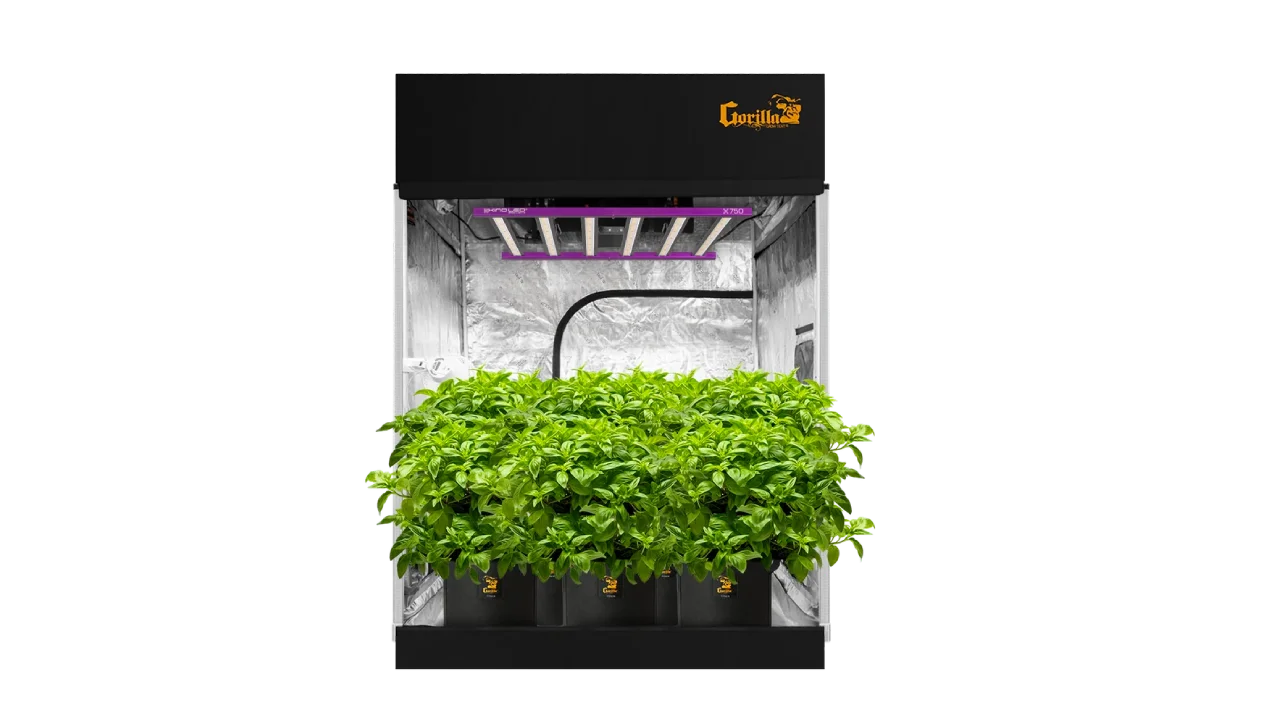
For a more controlled environment, many growers opt to use a grow tent. A grow tent offers a dedicated space with reflective interiors that maximize light exposure for your plants. Grow tents also help with odor control, lightproofing, and temperature regulation.
- Choose the Right Size: Grow tents come in various sizes to fit different grow spaces. A 2x2 or 3x3 tent is perfect for small gardens, while larger setups may require a 4x4 or 5x5 tent.
- Reflective Interior: The reflective lining inside the tent helps maximize light efficiency, ensuring your plants receive adequate light from all angles.
Step 3: Install Grow Lights
Lighting is one of the most critical factors in an indoor grow setup. Plants need adequate light for photosynthesis, and the type of grow light you choose will impact the growth and quality of your plants.
- Full Spectrum LED Grow Lights: LED grow lights are energy-efficient and provide a full spectrum of light that mimics natural sunlight, supporting plants through every growth stage. They produce less heat, which helps regulate temperature in your grow room.
- Positioning: Position the grow lights above the plants, adjusting the height based on the plant’s growth stage. Seedlings require lights to be closer, while mature plants need the light positioned higher.
- Light Timer: Use a timer to control the light cycle. Most plants need 18 hours of light and 6 hours of darkness during the vegetative stage and 12 hours of light and 12 hours of darkness during the flowering stage.
Step 4: Set Up Ventilation and Air Circulation
Good air circulation is essential for maintaining healthy plants and preventing mold, mildew, and pests. A proper ventilation system helps regulate temperature, humidity, and CO2 levels.
- Inline Fan and Carbon Filter: Install an inline fan with a carbon filter to keep fresh air circulating and control odors. The fan should be placed near the top of the grow space to remove hot, stale air.
- Oscillating Fans: Place oscillating fans around the grow area to improve airflow and prevent the air from becoming stagnant. This helps strengthen plant stems and prevents hotspots in the room.
Step 5: Monitor Temperature and Humidity
Maintaining the right temperature and humidity levels is crucial for the success of your indoor grow setup. Different plants have different needs, but most indoor plants thrive in temperatures between 70°F and 85°F (21°C to 29°C).
- Hygrometer and Thermometer: Use a hygrometer and thermometer to monitor the temperature and humidity levels inside your grow room. Humidity should be higher during the vegetative stage (around 60-70%) and lower during the flowering stage (40-50%).
- Adjusting Humidity: Use a humidifier or dehumidifier to control humidity levels as needed. A fan can also help reduce humidity by improving air circulation.
Step 6: Choose the Right Grow Medium
Your plants need a good medium to grow in, and the medium you choose will affect water retention, nutrient delivery, and root development. There are several options available:
- Soil: A popular choice for many growers, soil is easy to use and provides natural nutrients. Make sure to choose high-quality organic soil designed for indoor growing.
- Coco Coir: A soil-less growing medium made from coconut husks, coco coir retains water well and provides excellent aeration for plant roots.
- Hydroponics: For a more advanced setup, hydroponic systems allow plants to grow directly in water with added nutrients. This method offers faster growth but requires more attention to pH and nutrient levels.
Step 7: Set Up Watering and Nutrients
Indoor plants need regular watering and nutrient feeding to grow strong and healthy. Depending on your grow medium, you’ll need to adjust your watering and nutrient schedule.
- Watering: Keep the soil or grow medium consistently moist, but not waterlogged. Overwatering can lead to root rot, while underwatering can cause wilting. Be sure to water your plants based on their specific needs.
- Nutrients: Use plant-specific nutrients to feed your plants during different growth stages. Nitrogen-rich fertilizers are ideal for the vegetative stage, while phosphorus and potassium help during the flowering stage.
Step 8: Monitor Plant Growth and Adjust as Needed
Once your grow setup is in place, it’s important to monitor your plants regularly to ensure they’re growing as expected. Check for signs of nutrient deficiencies, pests, or environmental stress, and make adjustments as needed.
- Pruning and Training: Regularly prune your plants to remove dead or yellowing leaves and to improve airflow around the plant. Training techniques like topping and low-stress training (LST) can help shape the plant and improve yields.
- pH Levels: Monitor the pH of your water and growing medium, as plants absorb nutrients best when the pH is within the ideal range (typically between 6.0 and 7.0 for soil).
Final Thoughts on Setting Up an Indoor Grow Room
Setting up an indoor grow room takes careful planning and attention to detail, but once you have the right equipment and environment, your plants will thrive. By following these step-by-step instructions and adjusting based on your plants’ needs, you can create a productive and efficient indoor garden that delivers healthy, vibrant plants year-round.
Frequently Asked Questions
- What is the best lighting schedule for indoor plants? Most indoor plants require 18 hours of light during the vegetative stage and 12 hours during the flowering stage. Use a timer to automate the light cycle.
- How do I prevent mold in my indoor grow room? Ensure proper air circulation with oscillating fans and maintain humidity levels below 50% during the flowering stage to prevent mold growth.
- Can I use regular soil for indoor growing? While you can use regular soil, it’s best to choose soil specifically designed for indoor growing, as it will contain the right balance of nutrients and drainage for container plants.