Mushroom Grow Lights: The Key to Thriving Indoor Mushroom Cultivation
Why Mushrooms Need Grow Lights
While mushrooms don’t require light for photosynthesis like traditional plants, they do need light to trigger healthy fruiting and proper development. The right mushroom grow light ensures that your mushrooms develop correctly and produce high yields. This guide explains the role of grow lights in mushroom cultivation, the best types of lighting for mushrooms, and how to set up a successful indoor grow operation.
Do Mushrooms Need Light to Grow?
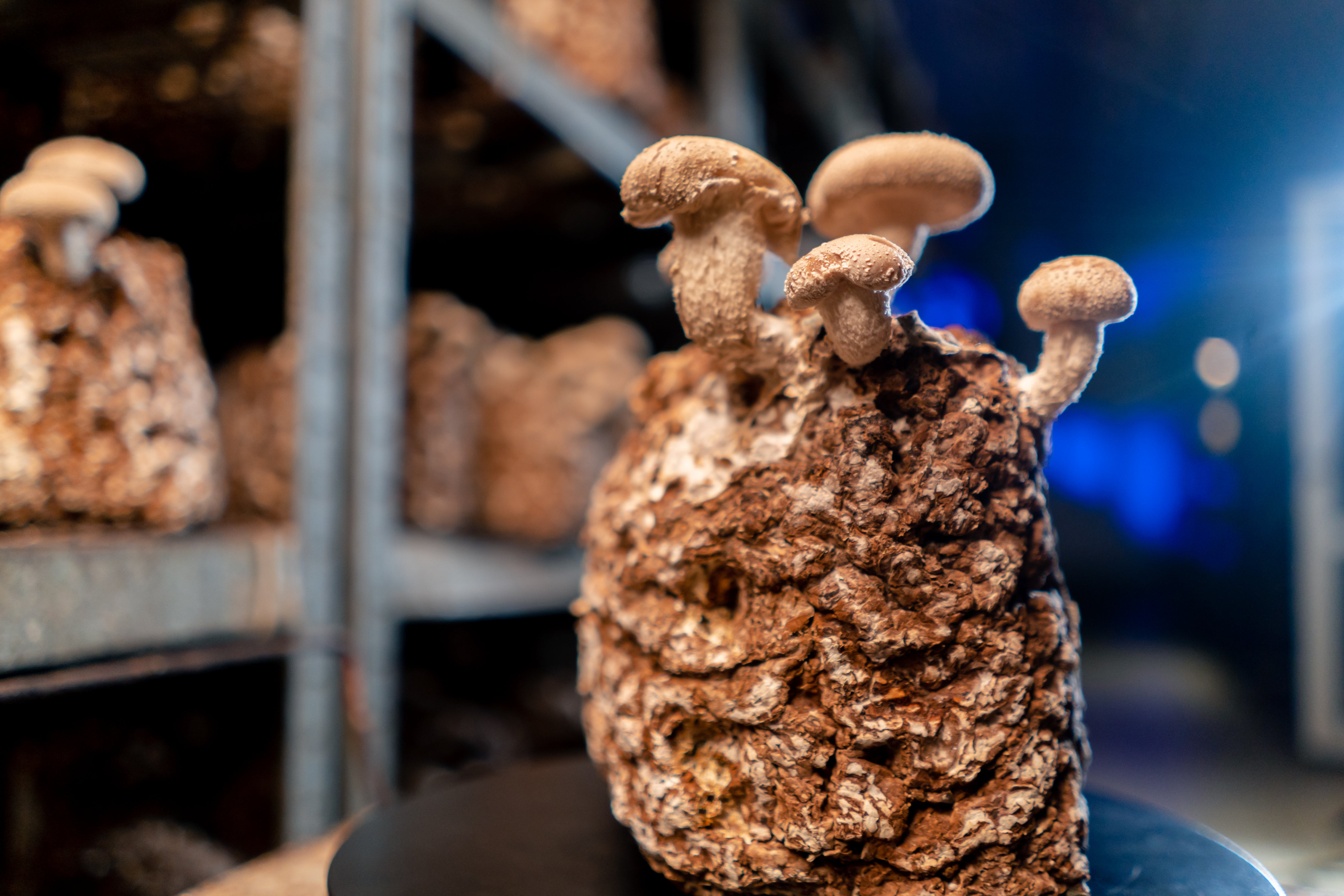
Mushrooms don’t rely on light for energy like plants, but they do benefit from exposure to the right kind of light, particularly during the fruiting stage. Light helps mushrooms form caps and ensures they grow in a healthy, compact shape. Some species, like oyster and shiitake mushrooms, need indirect light to trigger fruiting, while too much light or the wrong type of light can negatively affect growth.
Indirect Light for Fruiting
Mushrooms grow best with indirect light rather than intense, direct exposure. The right balance of light and darkness helps mushrooms fruit and develop their proper shape. A mushroom grow light provides the perfect amount of light to mimic natural growing conditions indoors.
Best Types of Grow Lights for Mushrooms
Not all grow lights are suitable for mushrooms. Here are the best types of lights for indoor mushroom cultivation:
LED Grow Lights
LED grow lights are an excellent option for mushrooms. They are energy-efficient, produce low heat, and offer a full light spectrum. For mushrooms, look for cool white LED lights with a color temperature of 5000K-6500K, which closely mimics natural daylight without generating too much heat.
- Pros: Low heat, energy-efficient, customizable light spectrum
- Cons: Higher upfront cost
Fluorescent Lights
Fluorescent grow lights are another great option for mushroom growers. T5 fluorescent tubes are commonly used because they provide a diffuse light that mushrooms respond well to. Fluorescent lights are affordable and generate little heat, making them ideal for mushroom cultivation.
- Pros: Affordable, widely available, low heat
- Cons: Less energy-efficient than LEDs
Compact Fluorescent Lamps (CFL)
Compact fluorescent lamps (CFLs) are smaller and more compact than traditional fluorescent lights, making them suitable for small-scale mushroom growing. They provide indirect light, which is ideal for the fruiting stage of mushrooms.
- Pros: Compact, affordable, easy to set up
- Cons: Limited coverage for larger grows
How to Use Mushroom Grow Lights Effectively
To optimize mushroom growth, it’s essential to use your grow lights correctly. Here’s how to get the best results:
Light Placement
Position your grow lights about 12-18 inches above your mushrooms to provide diffuse, indirect light. Avoid placing lights too close to the mushrooms, as this can generate heat and dry them out. Ensure the light is evenly distributed across your growing area to promote uniform growth.
Light Cycles
Mushrooms typically need 12 hours of light followed by 12 hours of darkness to trigger fruiting. Use a timer to ensure consistent light cycles, which will help encourage regular fruiting and healthy development.
Monitor Heat and Humidity
Although mushrooms need light, they also require high humidity and cool temperatures to thrive. Make sure your grow lights do not generate excess heat, as this can dry out your substrate or mushrooms. Using a humidifier can help maintain the optimal humidity levels (85-95%) for mushroom cultivation.
Setting Up Your Indoor Mushroom Grow with Lights
Here’s a quick guide to setting up your indoor mushroom grow space with the right grow lights:
Step 1: Choose Your Growing Area
Select a space with enough room for your mushroom substrate or growing kits. Your area should allow for proper ventilation and high humidity levels.
Step 2: Install Your Grow Lights
Hang your grow lights about 12-18 inches above the growing area. Make sure the lights are evenly distributed to cover all your mushroom beds or grow bags.
Step 3: Set Your Light Cycle
Use a timer to provide 12 hours of light and 12 hours of darkness each day. This light cycle is essential for promoting fruiting in mushrooms like oysters, shiitakes, and more.
Step 4: Maintain Humidity and Temperature
Mushrooms thrive in cool, humid environments. Use a humidifier to keep humidity levels high and monitor the temperature to ensure your grow space stays within the optimal range (60-70°F for most mushroom species).
Enhance Your Mushroom Growth with the Right Grow Light
A proper mushroom grow light is essential for achieving healthy, consistent fruiting in indoor mushroom cultivation. Whether you choose energy-efficient LEDs or cost-effective fluorescent lights, ensuring your mushrooms receive the right amount of indirect light will promote better yields and overall growth. Set up your indoor grow space with the perfect grow lights, and watch your mushrooms thrive!
Frequently Asked Questions
- Do mushrooms need light to grow? Mushrooms need indirect light to trigger fruiting, but they do not rely on light for energy like plants. Light exposure is important for proper development during the fruiting stage.
- How many hours of light do mushrooms need? Mushrooms typically need 12 hours of light and 12 hours of darkness to promote fruiting.
- What type of grow light is best for mushrooms? LED grow lights or T5 fluorescent lights with a cool white spectrum (5000-6500K) are ideal for growing mushrooms indoors.
Lena Myles
I'm a mushroom enthusiast and home cook based in Oregon. I'm passionate about foraging and creating fungi-focused recipes, especially delicious, plant-based dishes using gourmet mushrooms like trumpet, shiitake, and oyster. When I’m not in the kitchen, you’ll usually find me wandering the woods in search of new wild flavors.