Nourishing Success: Choosing the Best Nutrients for Your Indoor Grow Tent
Proper nutrition is essential for the healthy growth and bountiful harvest of your indoor plants. In an indoor grow tent, where plants rely solely on the nutrients you provide, selecting the right plant nutrients becomes crucial. With a plethora of options available, it's important to understand the key factors to consider when choosing the best nutrients for your indoor grow tent. In this article, we will explore the considerations and tips to help you make informed decisions and nourish your plants for optimal growth and productivity.

From Seed to Harvest: The Art of Choosing the Right Nutrients for Your Indoor Garden
Understand Your Plant's Nutritional Needs:
Different plants have varying nutrient requirements at different stages of growth. Some plants may require more nitrogen during vegetative growth, while others may need higher levels of phosphorus and potassium during flowering or fruiting. Research the specific nutritional needs of your plants and select nutrients that cater to those requirements. Understanding the nutrient ratios and how they support your plants' growth stages is essential for achieving successful results.
Choose Between Organic and Synthetic Nutrients:
You have the option to choose between organic and synthetic nutrients for your indoor grow tent. Organic nutrients are derived from natural sources and contain organic matter, such as compost, manure, or plant extracts. They provide a slow-release, balanced nutrient profile and contribute to improved soil health. On the other hand, synthetic nutrients are chemically formulated and offer precise control over nutrient ratios. They are readily available for plants to absorb and can be adjusted to meet specific plant requirements. Consider your personal preferences, growing methods, and the needs of your plants when deciding between organic and synthetic nutrients.
Quality and Purity of Nutrient Formulations:
When selecting nutrients, prioritize quality and purity. Look for reputable brands that offer reliable and well-formulated products. Check for nutrient labels that provide clear information on nutrient ratios, ingredients, and usage instructions. Avoid nutrient formulations that contain unnecessary fillers, dyes, or synthetic additives that may potentially harm your plants or affect the taste and quality of your harvest. Investing in high-quality nutrients ensures that your plants receive the essential elements they need for healthy growth.
Consider Nutrient Delivery Systems:
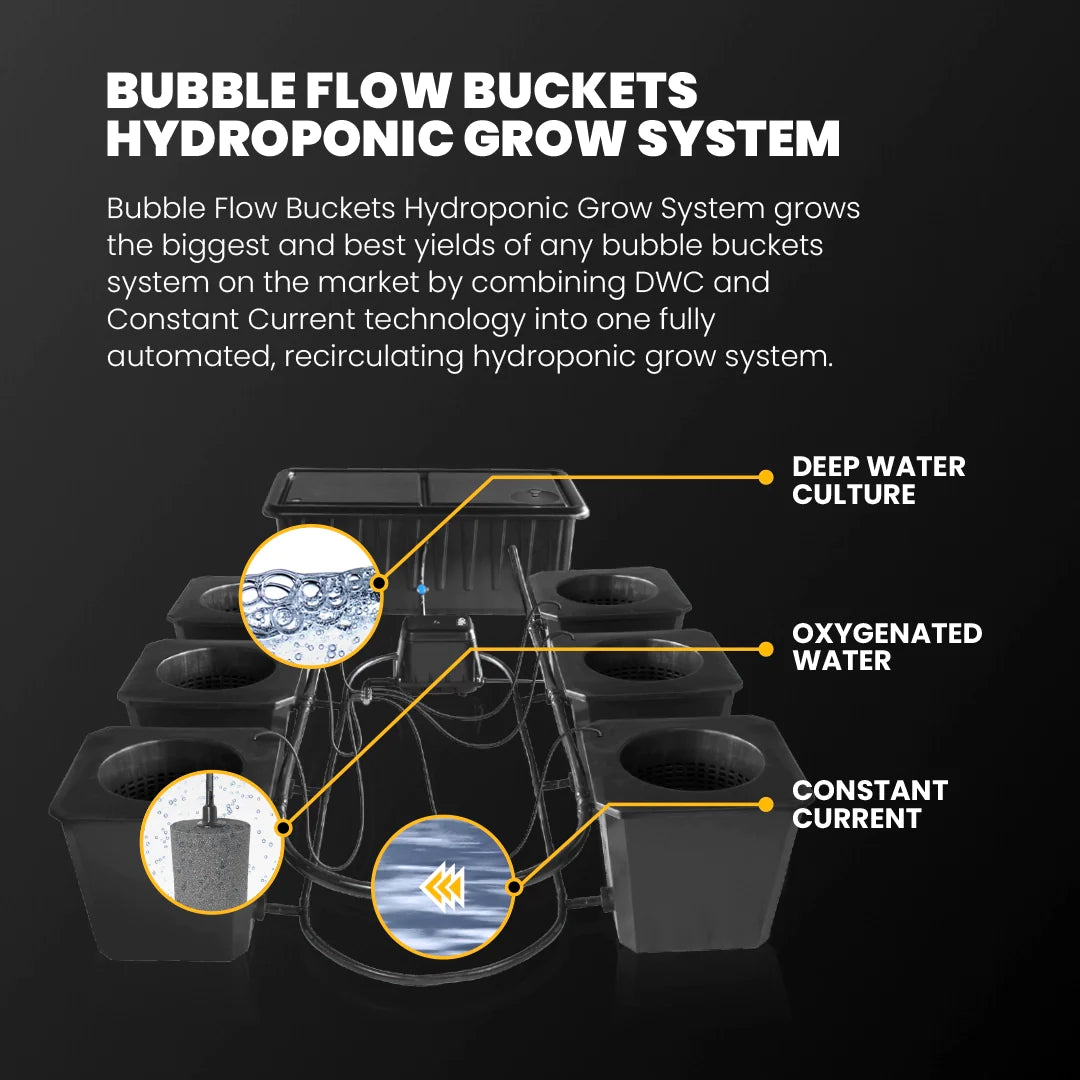
Indoor gardening offers various nutrient delivery systems, such as soil-based growing, hydroponics, or soilless mediums like coco coir or peat moss. Consider the nutrient delivery system you're using in your grow tent when selecting nutrients. Some nutrients are specifically formulated for certain systems, ensuring optimal nutrient uptake and absorption. Take into account the pH requirements of your chosen nutrient system and ensure compatibility with the nutrients you select. Compatibility between the nutrient formulation and the delivery system will help your plants efficiently absorb and utilize the nutrients.
Monitor and Adjust Nutrient Strength:
Plants have different nutrient requirements at various growth stages. Pay close attention to your plants' response to the nutrient regimen and adjust the nutrient strength accordingly. Nutrient burn or deficiency can occur if the nutrient concentration is too high or too low. Regularly monitor your plants for signs of nutrient imbalances, such as yellowing leaves, stunted growth, or nutrient toxicity symptoms. Adjust the nutrient strength and ratios as needed to ensure optimal nutrient uptake and healthy plant development.
Supplement with Micronutrients:
In addition to the primary macronutrients (nitrogen, phosphorus, and potassium), plants require essential micronutrients for proper growth and development. These micronutrients include iron, zinc, manganese, copper, and others. Ensure that your chosen nutrient formulation provides a balanced range of micronutrients, or consider supplementing with specific micronutrient solutions to meet your plants' needs.
pH Balance:
Maintaining the proper pH balance of your nutrient solution is crucial for nutrient absorption and plant health. Different plants have different pH preferences, so it's important to choose nutrients that are compatible with your target pH range. Some nutrient formulations are designed for specific pH levels, while others require adjustments using pH up or down solutions. Regularly monitor and adjust the pH of your nutrient solution to ensure optimal nutrient availability and prevent pH-related nutrient deficiencies.
Water Quality:
The quality of water you use to mix your nutrient solution can impact the effectiveness of the nutrients. Tap water may contain impurities or high levels of minerals that can affect nutrient uptake. Consider using filtered or distilled water to minimize potential issues. If using tap water, test its pH and conductivity levels and make any necessary adjustments. Investing in a reverse osmosis (RO) water filtration system can provide a clean and consistent water source for your nutrient solution.
Start with a Balanced Base Nutrient:
Many nutrient lines offer base nutrient formulations that provide a balanced mix of essential macronutrients for overall plant growth. Starting with a well-rounded base nutrient can simplify the nutrient regimen and ensure that your plants receive a solid foundation of essential elements. From there, you can customize and supplement with additional nutrient additives as needed for specific growth stages or plant requirements.
Consider Additives and Supplements:
Nutrient lines often include a range of additives and supplements that target specific plant needs. These may include bloom boosters, root stimulators, foliar sprays, or beneficial microbial products. Assess the specific requirements of your plants and consider incorporating appropriate additives or supplements to enhance growth, flowering, or overall plant health. However, be cautious not to overdo it, as excessive use of additives can lead to nutrient imbalances or even damage your plants.
Follow Manufacturer Recommendations:
Each nutrient brand may have its own recommended feeding schedules and usage instructions. It's essential to follow the manufacturer's guidelines to ensure optimal nutrient application. Overdosing or underdosing can have adverse effects on plant health and productivity. Carefully read and follow the recommended feeding charts, dosage rates, and application methods provided by the nutrient manufacturer.
Choosing the best nutrients for your indoor grow tent is a critical step in nurturing healthy and productive plants. Consider your plants' nutritional needs, select between organic and synthetic nutrients, prioritize quality and purity, and ensure compatibility with your chosen nutrient delivery system. Monitor and adjust nutrient strength, supplement with micronutrients when necessary, and maintain proper pH balance and water quality. Following these guidelines will help you provide your plants with the essential elements they need for robust growth and a bountiful harvest in your indoor grow tent. Remember, a well-nourished plant is a happy and thriving plant!