Skip to content

Cart

Your cart is empty

Article: Supercropping: Maximize Your Plant Yields with Advanced Techniques

 Supercropping: Maximize Your Plant Yields with Advanced Techniques

Supercropping: Maximize Your Plant Yields with Advanced Techniques

Introduction to Supercropping

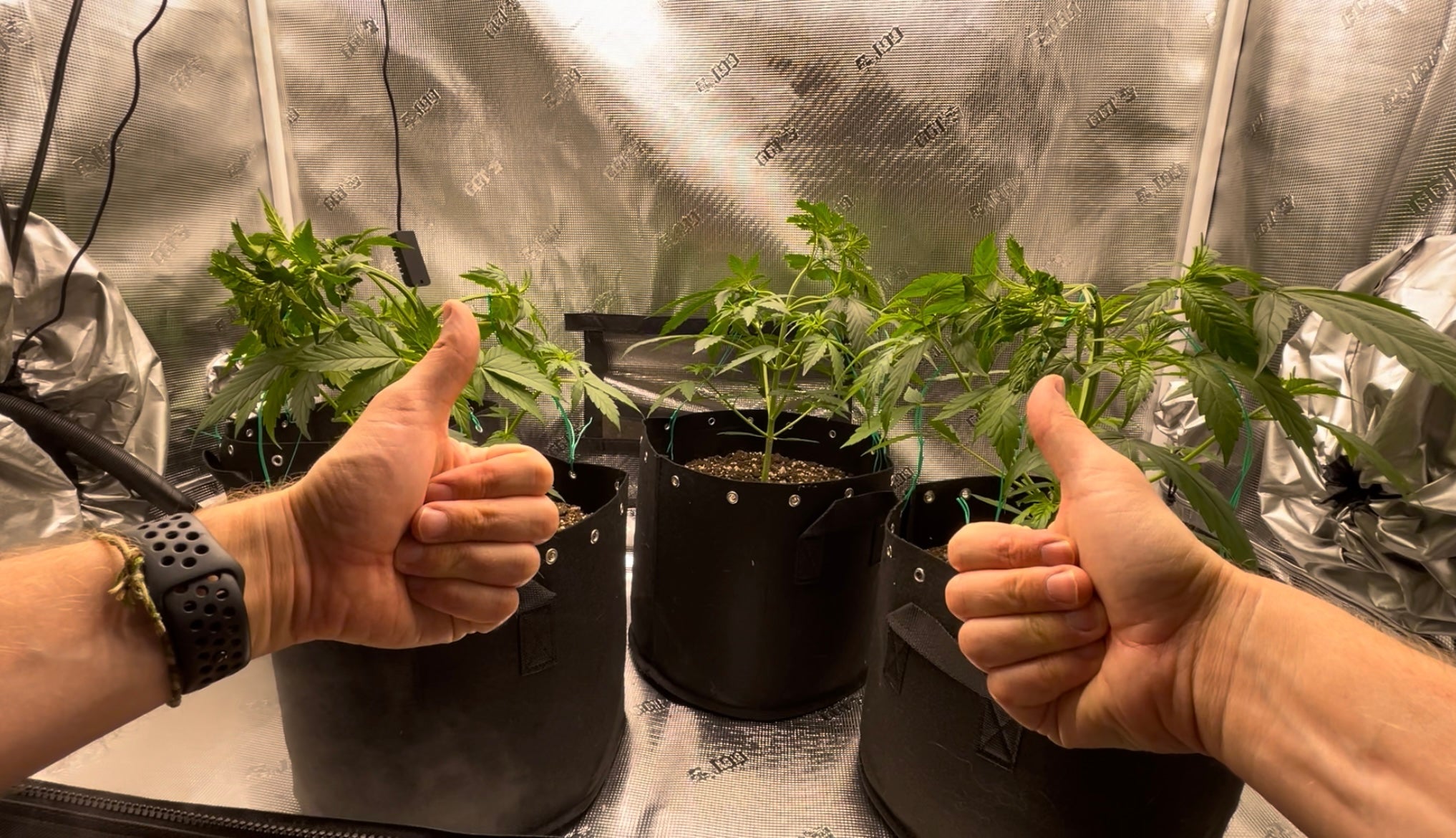
Supercropping is a high-stress training (HST) technique used in indoor cultivation to increase the strength and robustness of plants, while also potentially enhancing yield. This method involves deliberately stressing the plant by bending and pinching its branches, which causes the plant to increase its resilience and redirect its energies towards flower production. Supercropping is particularly useful for controlling plant height and encouraging bushier growth, making it ideal for indoor environments where space and light distribution can be limited.


Supercropping: Maximize Your Plant Yields with Advanced Techniques


Basic Technique and Required Equipment

Basic Technique:
The technique of supercropping involves carefully bending and manipulating the stems to create a knuckle-like formation. This slight damage promotes the plant to strengthen the bent area as it heals, ultimately creating a thicker, more robust stem that can support heavier buds.

Required Equipment:

  • Garden tape or ties: To support and secure branches after bending.
  • Pruning shears: For any necessary trimming of leaves around the area to be supercropped.
  • Gloves: To protect your hands during the process and ensure a clean handling of the plant.

Detailed Step-by-Step Process

  1. Select the Right Branches:
    Choose healthy and vigorous branches that are long enough to be bent. Avoid any that are too woody or have begun to flower, as these can be prone to snapping. The best time for supercropping is during the late vegetative stage before flowering.
  2. Prepare the Branch:
    Identify the area of the branch where you want to induce bending. This is typically done on the upper half of the plant to help even out the canopy. Gently massage the chosen spot between your fingers to soften the inner tissues without breaking the skin.
  3. Bending:
    Apply gentle pressure at the softened area and slowly bend the branch to an approximate 90-degree angle. The goal is not to snap the branch but to create a noticeable bend. If the skin cracks slightly, that’s often okay; this is part of the stress that encourages the plant to heal stronger.
  4. Securing the Branch:
    If the branch is unable to support itself after bending, use garden tape or ties to gently support the branch by tying it to a more stable part of the plant or to your grow structure. If a break occurs, secure with tape to aid healing.
  5. Monitoring and Care:
    Keep a close eye on the supercropped branches over the next few days. They will typically start to form a knuckle and heal, strengthening in the process. Continue normal watering and feeding routines, but monitor the moisture level more closely as stressed plants can sometimes consume water and nutrients at different rates.
  6. Follow-Up:
    Once the branches have fully healed and formed knuckles, they should be noticeably thicker and stronger. Adjust your plant supports as needed to accommodate the new growth and ensure that all parts of the canopy are receiving adequate light.
  7. Continuing Growth:
    Allow the plants to continue growing and entering into flowering with their newly strengthened branches ready to support bigger buds.


Supercropping is a powerful technique to enhance the structural integrity of your plants and improve overall yields. It requires careful handling and precise execution, but with practice, it can significantly improve the efficiency of your indoor growing space.

Read more

White Spots on Plant Leaves: Causes and Solution

Unveiling the Mystery of White Spots on Plant Leaves

Causes, Symptoms, and Solutions White spots on plant leaves can be a cause for concern for any gardener or plant enthusiast. These mysterious markings can appear suddenly, leaving growers puzzled a...

Read more
Hydroponic Nutrients: Essential for Thriving Plants

Hydroponic Nutrients Guide: Enhance Your Hydroponic System

Effective Hydroponic Nutrients for Healthy Plants We are thrilled to present Lotus Nutrients, a cutting-edge formula meticulously crafted to optimize plant growth and deliver exceptional results. ...

Read more

Gorilla Grow Tent is positioned as a premium choice for indoor cultivation customers who prioritize long-term durability and maximum environmental control. The brand’s core value proposition centers on rugged build quality, highly reflective interior materials, and thoughtful usability details such as access points and ducting ports. A particularly compelling differentiator is the height extension capability, which allows growers to increase vertical space for larger plants and more advanced training setups. This “expandable ceiling” concept supports a clear premium narrative: one tent that can adapt as the grower’s skill level and canopy management needs evolve.

From a performance standpoint, Gorilla’s reflective interior is designed to help distribute light more evenly across the grow area, which can be especially attractive for LED users seeking consistent canopy coverage and fewer dead zones. Durability is another major purchase driver in this category, and Gorilla’s market perception is strongly tied to heavy-duty fabric and a robust frame construction aimed at long service life. For buyers who want the Gorilla experience at a lower entry price, the Lite Line series offers a more budget-friendly path while preserving the brand’s emphasis on practical design and indoor grow reliability.

A strong campaign concept for a four-week push is “Grow Taller, Harvest Smarter,” built around the idea that vertical flexibility directly translates into better training options, improved airflow management, and more efficient use of the grow footprint. The offer structure can be designed as a bundle-pairing the tent with an extension kit-supported by a limited-time incentive such as free shipping, a modest discount, or an added-value “starter add-on” option. The messaging should connect premium features to outcomes: expanded height enables more versatile trellising and plant training, the reflective interior supports better light utilization, and the heavy-duty build reduces the risk of replacement costs over time. Social proof can be layered into the offer with short testimonial snippets and before/after setup visuals that make the quality difference immediately legible.

The marketing strategy should be a hybrid of conversion-led performance and credibility-building content. On the conversion side, dedicated landing pages organized by popular dimensions (such as 4x4, 5x5, and larger formats) can capture high-intent search demand while making it easier for customers to self-select the right size. A clear comparison flow between the flagship line and Lite Line helps address price objections without diluting the premium story. Short-form video should do the heavy lifting for awareness and consideration, using rapid setup footage and a quick demonstration of the height extension to create an immediate hook in the first seconds. Search campaigns can target bottom-funnel keywords around size, durability, and “heavy-duty” intent, while retargeting reinforces the differentiators for visitors who browsed but did not purchase.

Finally, lifecycle marketing should focus on retention and upsell. A cart-abandon email sequence can progress from feature education to social proof to a time-bound incentive, while post-purchase automation can deliver a professional setup checklist and recommendations for complementary ventilation and environmental accessories. To compound trust, a user-generated content initiative-such as a monthly “Setup Showcase”-encourages customers to share their grow-room layouts and results, creating a steady stream of authentic assets that reduce friction for future buyers and strengthen brand authority.