Best Grow Tent Air Conditioners: Complete Cooling Guide for Indoor Gardeners
Maintaining optimal temperatures inside your grow tent is crucial for healthy plant development and maximum yields. When temperatures climb too high, your plants can suffer from heat stress, nutrient deficiencies, and increased vulnerability to pests and diseases. An effective air conditioning solution might be exactly what your growing environment needs.
In this comprehensive guide, we'll explore the best air conditioning options for grow tents, helping you select the right cooling system for your specific setup. Whether you're dealing with scorching summer temperatures or managing excess heat from powerful grow lights, we've got you covered.

Why Temperature Control Matters in Your Grow Tent
Before diving into air conditioning solutions, it's important to understand why maintaining proper temperatures is essential for your indoor garden:
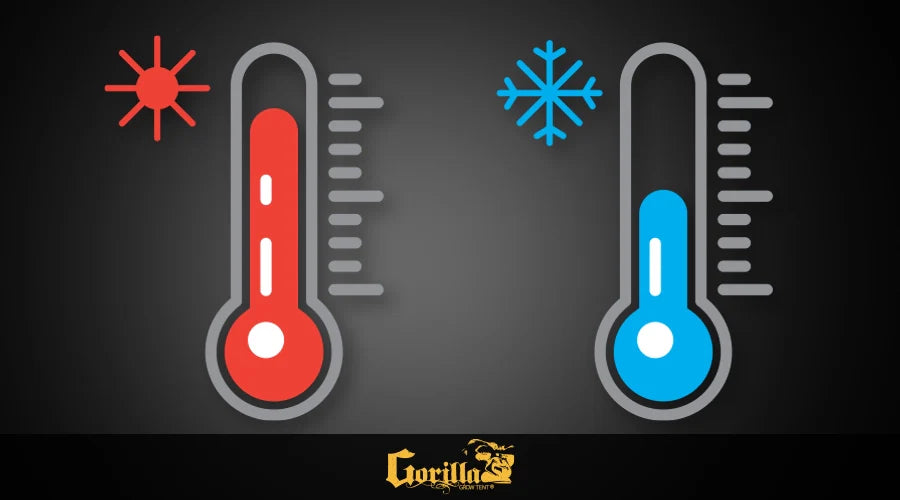
Impact of Temperature on Plant Health
Temperature affects virtually every aspect of plant growth and development:
- Photosynthesis efficiency: Plants' ability to convert light into energy decreases as temperatures rise above optimal levels
- Nutrient uptake: Excessive heat can reduce plants' ability to absorb water and nutrients
- Transpiration rate: High temperatures increase water loss through leaves, potentially leading to dehydration
- Pest and disease resistance: Heat-stressed plants are more vulnerable to infestations and infections
Optimal Temperature Ranges for Different Growth Stages
Different stages of plant growth require different temperature ranges:
- Seedlings/Clones: 70-80°F (21-27°C)
- Vegetative Growth: 70-85°F (21-29°C)
- Flowering/Fruiting: 65-80°F (18-27°C) with lower nighttime temperatures
Staying within these ranges helps ensure optimal development at each stage of your plants' lifecycle.
Signs Your Grow Tent Needs Air Conditioning
How do you know if your current cooling setup is inadequate? Watch for these warning signals:
- Temperatures consistently exceeding 85°F (29°C)
- Plants showing heat stress symptoms (curling leaves, brown edges, wilting)
- Significant temperature fluctuations between day and night
- Struggling to lower temperatures with ventilation alone
- Growing in a climate where ambient temperatures regularly exceed ideal growing ranges
If you're experiencing any of these issues, it may be time to consider an air conditioning solution.

Types of Air Conditioning Solutions for Grow Tents
Several air conditioning options are available for cooling grow tents, each with different installation requirements, cooling capacity, and cost considerations.
1. Portable Air Conditioners
Portable air conditioners are self-contained units that can be placed inside or outside your tent, depending on size.
Pros:
- Easy to install and relocate
- No permanent modifications required
- Available in various sizes to match different tent dimensions
- Often include dehumidification functionality
Cons:
- Require ventilation for hot air exhaust
- May take up valuable space inside larger tents
- Less energy-efficient than other options
- Can create uneven cooling
Best for: Medium to large grow tents where space isn't critical and where a window or other exhaust point is available.
2. Mini-Split Air Conditioners
Mini-split systems consist of an outdoor compressor/condenser and an indoor air-handling unit.
Pros:
- Highly efficient operation
- Precise temperature control
- Quiet operation
- No ducting required
- Can cool multiple tents/rooms
Cons:
- Permanent installation required
- Higher initial cost
- Professional installation recommended
- Requires outdoor space for the condenser unit
Best for: Dedicated grow rooms or multiple tent setups where permanent installation is feasible.
3. Window Air Conditioners
Window units can be adapted for tent use by mounting them in a wall or partition.
Pros:
- More affordable than mini-split systems
- Better efficiency than portable units
- Keeps heat-generating components outside the growing space
Cons:
- Requires structural modifications
- More difficult to install properly
- May not fit all tent configurations
Best for: Permanent grow setups where a window unit can be safely mounted.
4. Specialized Grow Room AC Units
Purpose-built for indoor growing, these units are designed specifically for the unique needs of grow environments.
Pros:
- Optimized for grow spaces
- Often include additional features like humidity control
- Designed for discreet, efficient operation
- Better control over environmental factors
Cons:
- Higher cost
- May be difficult to source
- Specialized installation requirements
Best for: Serious growers with larger operations who need precise environmental control.

How to Select the Right Air Conditioner for Your Grow Tent
Choosing the appropriate air conditioning solution depends on several factors:
Size and BTU Requirements
The cooling capacity of air conditioners is measured in British Thermal Units (BTUs). Here's a general guide for sizing:
| Tent Size | Recommended BTU Range |
|---|---|
| 2' x 2' | 5,000-8,000 BTU |
| 3' x 3' | 8,000-10,000 BTU |
| 4' x 4' | 10,000-12,000 BTU |
| 5' x 5' | 12,000-14,000 BTU |
| 4' x 8' | 14,000-18,000 BTU |
| 8' x 8' | 18,000-24,000 BTU |
These recommendations assume standard ceiling height and typical indoor growing conditions. Additional factors to consider include:
- Heat from lights: HID lights generate significantly more heat than LEDs
- Ambient temperature: Hotter climates require more cooling capacity
- Insulation: Better insulated spaces require less cooling
- Number of plants: More plants create more transpiration and humidity
Energy Efficiency Considerations
Air conditioning can significantly impact your electricity costs. Consider these efficiency factors:
- Energy Efficiency Ratio (EER): Higher EER ratings indicate better efficiency
- Timer functionality: Allows scheduled operation during peak heat periods
- Temperature range control: Prevents overcooling and energy waste
- Smart controls: Automated systems can optimize operation based on actual conditions
The Gorilla GXi system offers intelligent environmental control capabilities that can work with your air conditioning solution for maximum efficiency and effectiveness.
Installation Requirements
Different AC solutions have different installation needs:
- Portable units: Require exhaust ducting and access to drainage or a collection tank
- Window units: Need a secure mounting location and proper sealing
- Mini-splits: Require professional installation with line sets between indoor and outdoor units
- Specialized grow room units: May have specific ventilation or electrical requirements
Be sure to consider these requirements when making your selection.
Best Practices for Using Air Conditioners in Grow Tents
To get the most from your air conditioning system, follow these best practices:
Proper Placement and Airflow Management
- Position the AC unit to provide even cooling across all plants
- Use oscillating fans to distribute cool air throughout the tent
- Ensure proper air circulation to prevent cold spots and humidity pockets
- Position intake and exhaust points to create efficient airflow paths
Managing Humidity with Air Conditioning
Air conditioning naturally removes moisture from the air. This dehumidification effect can be beneficial during flowering stages when lower humidity is preferred, but may require compensation during earlier growth stages.
- Monitor humidity levels closely when using AC
- Consider using a humidifier during vegetative growth if humidity drops too low
- Use a hygrometer to track both temperature and humidity
- Understand that managing VPD (Vapor Pressure Deficit) requires balancing both temperature and humidity
Integration with Existing Ventilation Systems
Your air conditioning solution should work harmoniously with your tent's ventilation system:
- Coordinate exhaust fan operation with AC cycling
- Consider creating a "lung room" setup for larger operations
- Use environmental controllers to manage both systems
- Ensure adequate fresh air exchange even when cooling
Gorilla Grow Tents feature multiple, strategically placed ventilation ports that allow for optimal placement of AC ducting and efficient airflow management.
Alternative and Supplementary Cooling Methods
Air conditioning isn't the only way to control temperatures. Consider these alternatives and complementary approaches:
Water-Based Cooling Systems
Water has excellent heat-transfer properties and can be used for cooling in several ways:
- Water-cooled lights: HID lights with water-cooling jackets generate less ambient heat
- Water chillers: Used in hydroponic systems to cool nutrient solutions
- Cool tubes: Water-filled tubes positioned in the tent to absorb heat
Strategic Light Scheduling
Timing your light cycles strategically can help manage temperatures:
- Run lights during cooler nighttime hours in summer months
- Implement a staggered lighting schedule if running multiple tents
- Consider shorter light cycles during extreme heat periods (if compatible with your growing strategy)
Heat Extraction Techniques
Sometimes removing heat directly from its source is most efficient:
- Use air-cooled reflectors and hoods to vent heat directly from lights
- Position heat-generating ballasts and drivers outside the tent
- Implement dedicated extraction for the hottest areas of your tent
Troubleshooting Common Air Conditioning Issues
Even with the right equipment, you may encounter challenges. Here are solutions to common problems:
Inconsistent Temperature Distribution
Problem: Some areas of the tent are significantly cooler or warmer than others. Solution: Add circulation fans to distribute air more evenly, reposition the AC unit, or consider adding additional cooling points.
Excessive Humidity Fluctuations
Problem: Humidity levels swing dramatically with AC cycling. Solution: Add a humidistat-controlled humidifier or dehumidifier to work in tandem with your AC, or implement a smart controller like the GXi system to manage both parameters simultaneously.
Inadequate Cooling Capacity
Problem: The AC unit runs constantly but cannot maintain target temperatures. Solution: Upgrade to a higher BTU unit, reduce heat load by switching lighting types, or supplement with additional cooling methods.
Condensation Issues
Problem: Water condensation forming on cool surfaces within the tent. Solution: Improve air circulation, adjust temperature setpoints to reduce extreme differentials, or add proper drainage systems to manage condensate.
FAQ: Common Questions About Grow Tent Air Conditioning
What's the most cost-effective cooling solution for small grow tents?
For small tents (2'x2' to 3'x3'), proper ventilation with strategically timed light schedules is often sufficient. If additional cooling is needed, a small portable AC unit (5,000-8,000 BTU) offers a good balance of cost and effectiveness.
Can I use my home central air conditioning for my grow tent?
While it's possible to position your tent to benefit from home AC, most growers find dedicated cooling provides better control. However, keeping the room housing your tent well-cooled can reduce the workload on your tent-specific cooling system.
How do I calculate the correct BTU requirements for my setup?
As a general rule, calculate the cubic footage of your grow space (LxWxH) and allow 25-30 BTU per square foot. Then add 25% for each high-intensity light, and another 25% if the tent is in a location that receives direct sunlight.
Will air conditioning increase my electricity costs significantly?
Yes, air conditioning is energy-intensive. However, the cost must be weighed against potential crop losses from heat stress. Energy-efficient models, smart controllers, and strategic operation can help minimize the impact on your utility bills.
How can I cool my grow tent without an air conditioner?
Alternative methods include:
- Enhanced ventilation with higher CFM exhaust fans
- Intake air from naturally cooler areas (basements, north-facing rooms)
- Ice packs or frozen water bottles positioned in front of fans (temporary solution)
- Evaporative cooling methods in dry climates
- Water-cooled lighting systems
Conclusion: Creating the Perfect Growing Environment
Temperature control is one of the most critical aspects of successful indoor gardening. With the right air conditioning solution properly integrated into your grow setup, you can maintain ideal conditions year-round, regardless of external weather challenges.
For those serious about creating the optimal growing environment, Gorilla Grow Tents provide the perfect foundation with their superior construction, height adjustability, and comprehensive ventilation options. Their thick 1680D canvas material offers better insulation than standard tents, helping maintain consistent temperatures and reducing the workload on your cooling system.
Whether you choose a portable AC unit, mini-split system, or alternative cooling methods, the key is matching the solution to your specific needs and setup. By following the guidelines in this article, you'll be well on your way to creating the perfect climate for your plants to thrive.
Ready to upgrade your temperature control? Explore our full line of Gorilla Grow Tents and GXi environmental control systems to create the ultimate growing environment.
Have you implemented air conditioning in your grow setup? Share your experiences and tips in the comments below!