


What Is VPD in a Grow Tent? - Optimize Plant Growth
In the world of indoor gardening, creating the perfect environment for your plants to thrive is crucial. One of the key factors that often goes overlooked is the vapor pressure deficit (VPD) within your grow tent. Understanding and managing VPD can make all the difference in ensuring your plants reach their full potential.
As an avid gardener, I've spent countless hours researching and experimenting with various grow tent setups, and I can confidently say that mastering VPD is one of the most important steps in achieving exceptional results. In this comprehensive blog post, we'll dive deep into the science behind VPD, explore its impact on plant growth, and provide practical tips to help you optimize your grow tent environment.
What is Vapor Pressure Deficit (VPD)?
Vapor pressure deficit, or VPD, is the difference between the amount of moisture in the air (actual vapor pressure) and the maximum amount of moisture the air can hold (saturation vapor pressure) at a given temperature. This difference is a crucial factor in determining the rate of transpiration, the process by which plants lose water through their leaves.
When the VPD is too high, plants will struggle to maintain their water balance, leading to stress and potentially stunted growth. Conversely, when the VPD is too low, the air becomes oversaturated, and plants may be more susceptible to fungal diseases and other issues.
Understanding the optimal VPD range for your specific plants is essential for creating the perfect growing environment in your Gorilla Grow Tent.
The Importance of VPD in Plant Growth
Maintaining the correct VPD in your grow tent is crucial for several reasons:
1. Transpiration and Water Uptake
Transpiration is the process by which plants lose water through their leaves. A healthy transpiration rate is essential for the plant to transport nutrients, regulate temperature, and maintain overall vigor. By keeping the VPD within the optimal range, you can ensure that your plants are able to effectively move water and nutrients throughout their systems.
2. Nutrient Uptake and Utilization
The rate of nutrient uptake and utilization by plants is directly influenced by the VPD. When the VPD is too high, plants may struggle to absorb and utilize essential nutrients, leading to deficiencies and stunted growth. Conversely, when the VPD is too low, the plants may become oversaturated, leading to other issues.
3. Disease Prevention
High humidity levels combined with poor air circulation can create an environment that is conducive to the growth of harmful fungi and bacteria. By maintaining the proper VPD, you can reduce the risk of disease outbreaks and ensure the overall health of your plants.
4. Yield and Quality
Ultimately, the goal of any indoor gardener is to maximize the yield and quality of their crops. By carefully managing the VPD in your Gorilla Grow Tent, you can create an environment that allows your plants to thrive, resulting in bountiful harvests and exceptional produce.
Calculating and Optimizing VPD in Your Grow Tent
Calculating the VPD in your grow tent may seem daunting, but with a few simple tools and some basic knowledge, you can easily keep it within the optimal range.
Measuring Temperature and Humidity
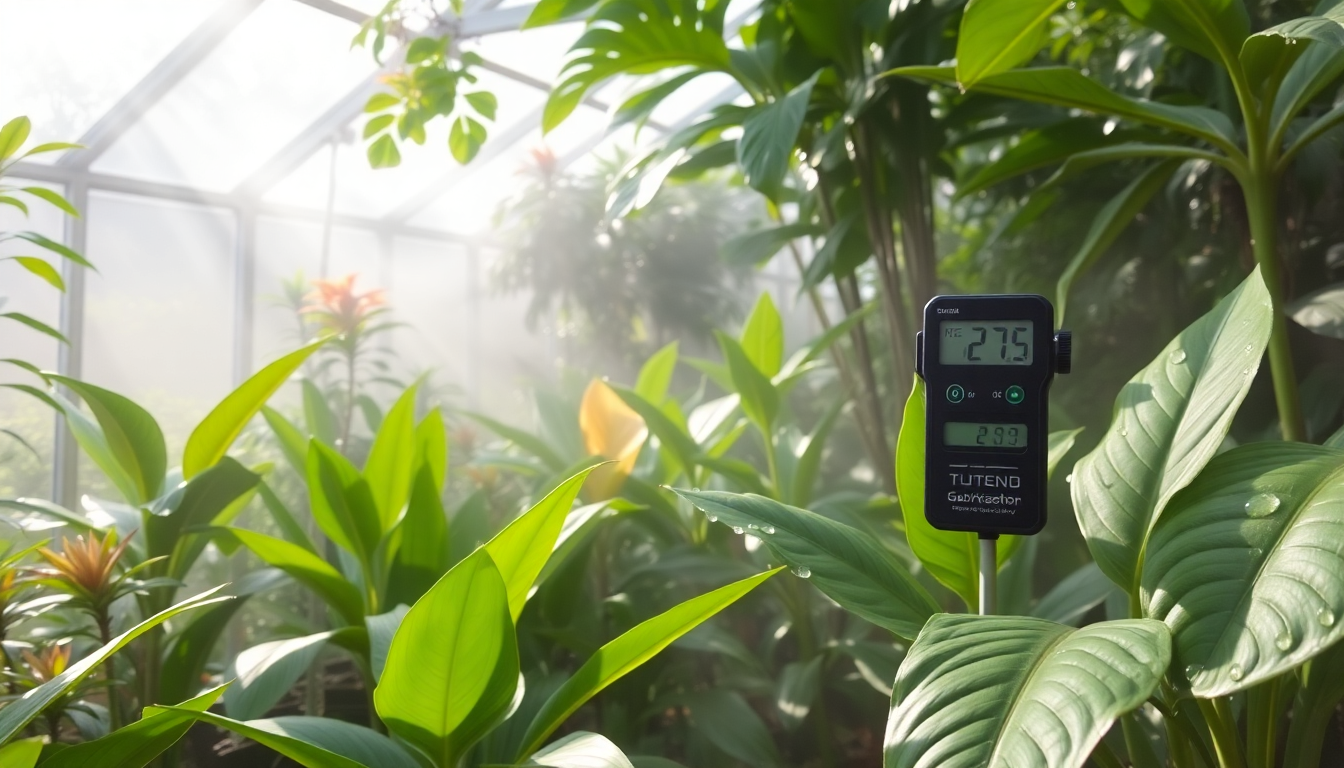
The first step in calculating VPD is to accurately measure the temperature and relative humidity (RH) within your grow tent. You can use a digital hygrometer or a combination temperature and humidity sensor to monitor these values.
Calculating VPD
Once you have the temperature and RH measurements, you can use an online VPD calculator or a simple formula to determine the current VPD in your grow tent. The formula is as follows:
VPD = Saturation Vapor Pressure - Actual Vapor Pressure
Saturation Vapor Pressure is determined by the temperature, while Actual Vapor Pressure is determined by both temperature and relative humidity.
Adjusting VPD
With the VPD calculated, you can then make adjustments to your grow tent environment to bring it within the optimal range for your specific plants. This may involve adjusting the temperature, humidity, or air circulation within the tent.
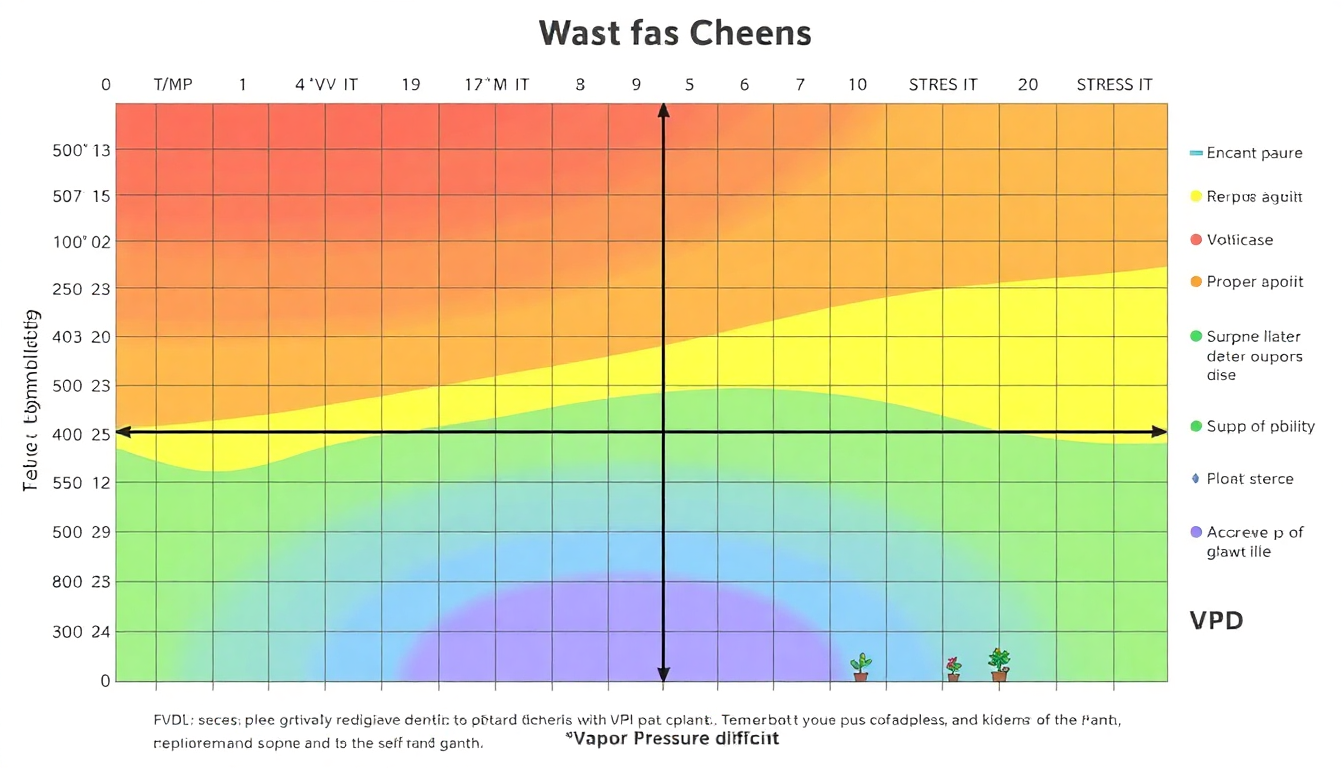
For most plants, the ideal VPD range is between 0.8 and 1.2 kPa (kilopascals). However, it's important to research the specific VPD requirements for the plants you are growing, as some may thrive in slightly different ranges.
Practical Tips for Optimizing VPD in Your Gorilla Grow Tent
Now that you understand the importance of VPD and how to calculate it, let's dive into some practical tips to help you optimize the environment in your Gorilla Grow Tent:
1. Invest in Quality Environmental Controls
Equipping your Gorilla Grow Tent with high-quality environmental controls, such as temperature and humidity controllers, can make a significant difference in your ability to maintain the optimal VPD. These tools allow you to precisely monitor and adjust the conditions within your tent to ensure your plants are thriving.
2. Utilize Proper Ventilation and Air Circulation
Adequate air circulation is crucial for maintaining the correct VPD. Make sure your Gorilla Grow Tent is equipped with a powerful exhaust fan and strategically placed intake fans to ensure a constant flow of fresh air throughout the tent.
3. Monitor and Adjust Regularly
Regularly monitoring the temperature, humidity, and VPD in your Gorilla Grow Tent is essential. Be prepared to make adjustments as needed, as environmental conditions can change quickly, especially in a controlled indoor setting.
4. Consider Dehumidification or Humidification
Depending on the climate and the specific needs of your plants, you may need to incorporate a dehumidifier or humidifier into your Gorilla Grow Tent setup. These devices can help you maintain the optimal humidity levels and, in turn, the ideal VPD.
5. Understand the Needs of Your Plants
Different plant species have varying VPD requirements. Research the specific needs of the plants you are growing and adjust your Gorilla Grow Tent environment accordingly. This will ensure that each plant is thriving in its ideal conditions.
By implementing these practical tips and continuously monitoring and adjusting your Gorilla Grow Tent environment, you'll be well on your way to mastering VPD and achieving exceptional results with your indoor gardening endeavors.
Conclusion
Vapor pressure deficit is a critical factor in the success of your indoor gardening setup, and understanding how to optimize VPD in your Gorilla Grow Tent is essential for healthy plant growth and bountiful harvests. By following the guidance provided in this blog post, you'll be able to create the perfect environment for your plants to thrive, unlocking their full potential and taking your indoor gardening to new heights.
Remember, the key to success lies in continuous monitoring, adjustment, and a deep understanding of the specific needs of the plants you are growing. With the right tools, knowledge, and dedication, you can master VPD and enjoy the rewards of a thriving indoor garden in your Gorilla Grow Tent.
Happy growing!
Best Grow Tent Setup for Beginners: A Step-by-Step Guide
%20within...)