Carbon Filter for Grow Tent
What is a Carbon Filter?
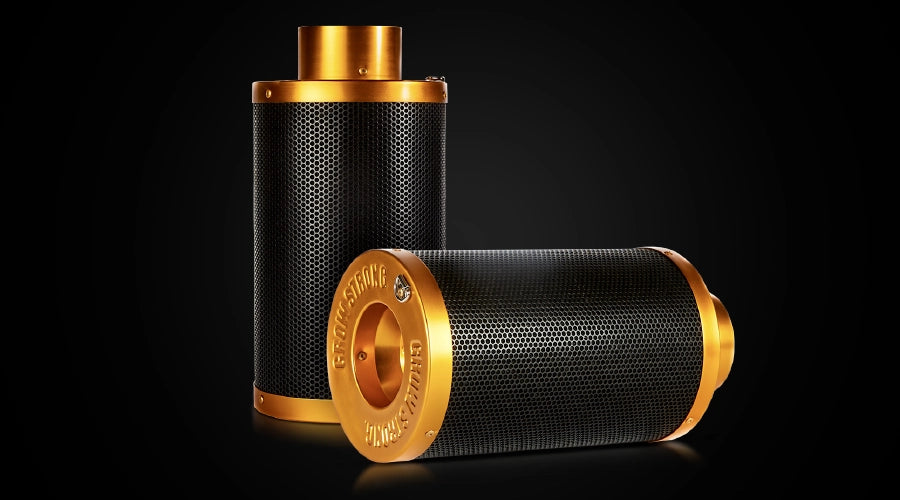
A carbon filter is an essential component for indoor grow tents, as it helps to eliminate unwanted odors, harmful chemicals and other pollutants from the growing environment. The indoor growing of plants has become increasingly popular in recent years due to its convenience and the ability to control various environmental factors such as temperature, light, and humidity. However, indoor growing also poses several challenges, including the emission of strong and unpleasant odors from the plants, as well as the release of volatile organic compounds (VOCs) and other pollutants into the air.
Carbon filters are specifically designed to combat these issues, as they contain activated carbon, a highly porous material that has the ability to absorb a wide range of impurities from the air. The carbon filter works by forcing the air from the grow tent to pass through its activated carbon layer, where the impurities are trapped and neutralized. This not only helps to eliminate odors but also helps to improve air quality and protect the health of both the plants and the grower.
Choosing a Carbon Filter for a Grow Tent
When selecting a carbon filter for a grow tent, it is important to choose one that is the right size for the tent, as well as one that is specifically designed for indoor growing. The size of the filter is important because it needs to be able to effectively remove the pollutants from the entire grow tent, and a filter that is too small will not be able to do this effectively. The type of filter is important because different filters are designed for different purposes and selecting the right one will ensure that it provides the best protection and odor control.

Furthermore, it is important to choose a high-quality carbon filter that is made from premium materials, such as activated carbon and a durable casing, to ensure that it lasts for a long time and provides consistent performance. A good carbon filter should also have a high air flow rate, which refers to the amount of air that can pass through the filter per minute, to ensure that it can effectively clean the air in the grow tent in a timely manner.
Another factor to consider is the noise level of the carbon filter. Some filters can be quite loud, which can be a major annoyance for indoor growers, especially if they are trying to maintain a quiet growing environment. To avoid this, it is recommended to choose a carbon filter with a low noise level, or to use soundproofing materials around the filter to reduce the amount of noise that it produces.
Why is a Carbon Filter Needed?
The carbon filter serves an important role in protecting the privacy of the grower, as it helps to mask the scent of the plants and prevent it from spreading to other parts of the house. This is especially important for those who live in states where the growing of marijuana is illegal, as it can help to conceal the presence of the plants and reduce the risk of detection by law enforcement.
.
Another benefit of using a carbon filter in a grow tent is that it helps to maintain a consistent and stable environment for the plants. This is important because plants are sensitive to changes in their environment and fluctuations in air quality can have a negative impact on their growth and overall health. By providing clean and consistent air, the carbon filter helps to promote optimal growth and maximize yields.
How Often Should the Carbon Filter Be Changed?
It is important to regularly replace the carbon filter, as its effectiveness decreases over time as it becomes saturated with impurities. A general rule of thumb is to replace the filter every 6-12 months, depending on the frequency and intensity of use. It is also recommended to periodically check the filter for any signs of wear and tear, such as tears or holes in the casing, to ensure that it is functioning properly and providing adequate protection.
Carbon Filter Overview
A carbon filter is a vital component of an indoor grow tent, as it helps to eliminate odors, harmful chemicals, and other pollutants from the growing environment. By providing a clean and safe environment for the plants to grow, the carbon filter helps to ensure the success of the indoor grow operation and protects the health of both the plants and the grower. With the right selection and proper maintenance, a carbon filter can provide long-lasting protection and help to make indoor growing a rewarding and enjoyable experience. Regular maintenance, such as replacing the filter and checking it for wear and tear, is necessary to ensure that it continues to provide effective protection. With its many benefits, it is easy to see why a carbon filter is an essential part of any indoor grow operation.