


The Complete Guide to Grow LED Lights for Indoor Plants: Transform Your Home Into a Year-Round Garden
Indoor gardening has transformed from a hobby into a thriving lifestyle, and grow LED lights for indoor plants are the key to making it successful. Whether you're cultivating herbs on your kitchen counter, growing vegetables in a spare room, or maintaining a collection of beloved houseplants, the right lighting makes all the difference between struggling plants and a flourishing indoor oasis.
Modern LED technology has revolutionized how we nurture plants indoors, offering precise spectrum control, energy efficiency, and the ability to mimic natural sunlight conditions that promote optimal growth. This comprehensive guide reveals everything you need to know about using grow LED lights for indoor plants—from choosing the perfect system to maximizing harvests and plant health year-round.
Why Grow LED Lights Are Essential for Indoor Plants
Plants have evolved over millions of years to thrive under natural sunlight. When you bring them indoors, windows and overhead lighting simply cannot provide the light intensity, duration, or spectrum that plants need to photosynthesize effectively.
The Science Behind Grow LED Lights
Plants rely on photosynthesis to convert light energy into chemical energy that fuels their growth. The quality, intensity, and duration of light directly impact:
🌱 Seedling development – Strong roots and stems that establish healthy growth 🌿 Vegetative growth – Lush leaves and robust branches 🌺 Flowering and fruiting – Bigger yields and denser production
Plants primarily absorb light in the blue (400-500nm) and red (600-700nm) spectrum. Unlike regular household LED bulbs, grow LED lights are specifically designed to emit full-spectrum light that mimics natural sunlight, provide high-intensity light for deep canopy penetration, and operate with low heat output to prevent plant stress.
If you're growing vegetables, herbs, flowers, or houseplants indoors, using quality grow LED lights ensures optimal plant growth and maximum results. The Gorilla Xi Series LED Grow Lights exemplify this technology with their targeted full-spectrum performance that delivers precisely calibrated wavelengths plants actually absorb and utilize.
Energy Efficiency That Saves Money
One of the greatest advantages of modern grow LED lights is their exceptional energy efficiency. They convert up to 90% of their input energy into usable light, compared to only 20-30% for traditional fluorescent or incandescent lights.
This efficiency translates to significant savings on electricity bills. LED grow lights use 40-60% less electricity than comparable HID (High-Intensity Discharge) systems while producing similar or better results. A quality LED system typically pays for itself within two to three years through reduced energy costs alone.
Plus, LEDs produce far less heat than traditional grow lights. This means you can place them closer to plants without risking heat damage, your plants grow in more comfortable conditions, you water less frequently, and your cooling systems run less often—further reducing electricity costs.

Understanding Light Requirements for Different Indoor Plants
Not all plants need the same amount of light. Understanding these requirements helps you choose appropriate grow LED lights and position them correctly for optimal results.
Low Light Indoor Plants
Some houseplants have adapted to forest understories and thrive with minimal direct light. These include pothos, snake plants, ZZ plants, and philodendrons.
Light requirements: 100-200 µmol/m²/s PPFD Optimal distance: 24-36 inches from light source Duration: 10-12 hours daily
These plants can survive with ambient household lighting supplemented by moderate grow LED lights. They're perfect for decorative purposes in living spaces where bright grow lights might be intrusive.
Medium Light Indoor Plants (Herbs & Leafy Greens)
Most culinary herbs and leafy greens require moderate light intensity. This category includes basil, mint, parsley, lettuce, spinach, and kale.
Light requirements: 200-400 µmol/m²/s PPFD Optimal distance: 18-24 inches from light source Duration: 14-16 hours daily
These are ideal starter plants for indoor growing because they're forgiving, fast-growing, and incredibly rewarding. Basil tops the list for good reason—it thrives in controlled environments with temperatures between 65-75°F. Simply pinch off the top leaves regularly to encourage bushier growth.
The Xi220 LED Grow Light delivers perfect light intensity for herb gardens and small vegetable grows in 2x2 to 2.5x2.5 spaces.
High Light Indoor Plants (Vegetables & Fruiting)
Fruiting vegetables, flowering plants, and plants requiring maximum yields demand intense light. This includes tomatoes, peppers, strawberries, and flowering houseplants.
Light requirements: 400-800 µmol/m²/s PPFD Optimal distance: 12-18 inches from light source Duration: 12-16 hours daily (varies by plant and growth stage)
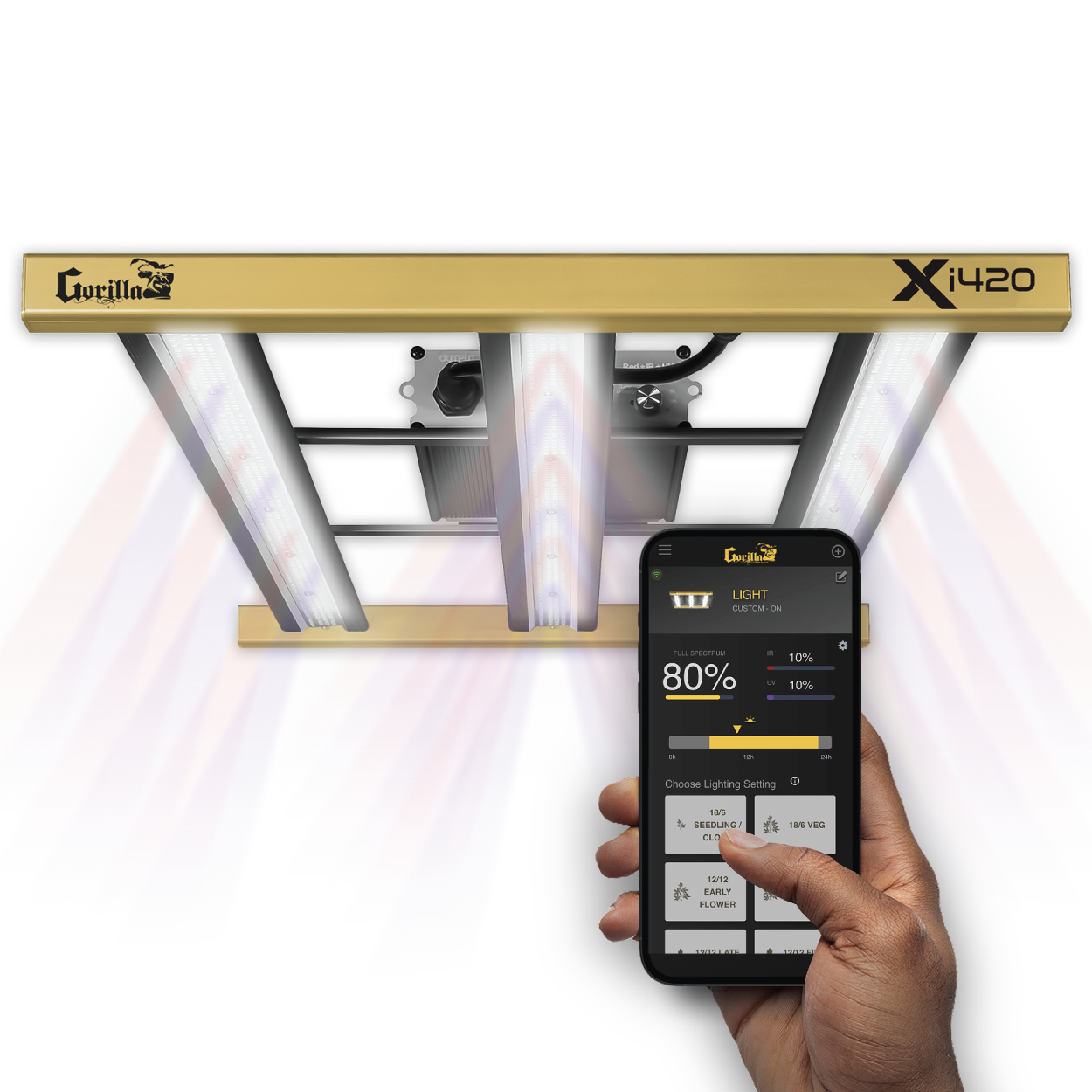
These plants benefit from spectrum adjustment throughout their growth cycles—emphasizing blue light during vegetative stages and increasing red content during flowering and fruiting phases. The Xi420 LED Grow Light provides the intensity and spectrum control needed for serious indoor vegetable production.
Learn more about optimal light levels in our guide on PPFD for seedlings.
Best Indoor Plants for Grow LED Lights
Choosing the right plants for your indoor grow setup ensures success and maximizes your investment in grow LED lights.
Top Herbs for Indoor Growing
Herbs are the perfect starting point for indoor growers using LED lights. They're forgiving, fast-growing, and provide fresh ingredients for your cooking.
Basil: The superstar of indoor herbs. Sweet basil varieties grow quickly under LED lights and can be harvested continuously. With proper lighting at 200-300 PPFD and temperatures between 65-75°F, you'll have fresh basil in just 30-45 days from seed.
Mint: Incredibly hardy and nearly impossible to kill. Mint thrives under moderate LED lighting and actually benefits from the controlled environment that prevents it from spreading aggressively like it does outdoors.
Cilantro: Grows rapidly under LEDs, providing fresh herbs in 3-4 weeks. It prefers slightly cooler temperatures (60-70°F), making it perfect for spaces where heat management is a concern.
Parsley, Oregano, and Thyme: These perennials grow more slowly but keep producing for years. One planting provides fresh herbs through multiple seasons, making them excellent value for your grow space.
Check out our detailed guide on how to grow basil indoors for specific tips.
Best Vegetables for LED Grow Lights
Moving beyond herbs, certain vegetables excel under grow LED lights with proper setup and care.
Leafy Greens: Lettuce, spinach, arugula, and kale are indoor growing superstars. They mature quickly (30-45 days from seed), don't require intense lighting, and can be harvested continuously by picking outer leaves while the plant continues growing.
You can grow 12-16 heads of lettuce in a 4x4 space, providing fresh salads for weeks. These greens actually prefer the cooler temperatures (60-70°F) that you might struggle to avoid in winter growing.
Cherry Tomatoes: While more challenging than leafy greens, cherry tomatoes are incredibly rewarding. Choose compact varieties bred for containers like 'Tiny Tim' or 'Red Robin.' They need strong LED lighting (600-800 PPFD), consistent temperatures (70-80°F), and good air circulation.
Peppers: Both sweet and hot pepper varieties thrive under LED lights. They require similar conditions to tomatoes but are actually more forgiving of environmental fluctuations. Compact varieties like 'Lunchbox' peppers work beautifully in grow tents.
Microgreens: These might be the most efficient use of grow LED lighting. Nutrient-dense microgreens are ready to harvest in just 7-14 days and pack up to 40 times more vitamins than mature plants. Popular varieties include arugula, radish, broccoli, and sunflower shoots.
For comprehensive plant recommendations, explore our guide on choosing the right plants for indoor grow tents.
Flowering Houseplants That Love LED Lights
Don't overlook the beauty potential of grow LED lights for decorative plants.
African Violets: These popular houseplants bloom prolifically under proper LED lighting. They prefer moderate light (200-300 PPFD) and actually bloom better under LEDs than natural windowsill light.
Orchids: Many orchid varieties thrive under LED grow lights, producing spectacular blooms with the right spectrum and intensity. Phalaenopsis (moth orchids) are particularly well-suited for LED cultivation.
Edible Flowers: Nasturtiums, pansies, and calendula grow well under LEDs and add color to salads and desserts while bringing aesthetic appeal to your grow space.

Choosing the Right Grow LED Lights for Your Indoor Plants
Selecting appropriate grow LED lights depends on your space, plants, and growing goals. Here's how to make the right choice.
Calculate Your Space and Coverage Needs
Start by measuring your growing area:
- Kitchen counter herb garden: 1-2 square feet
- Small grow tent or shelf: 4-6 square feet
- Dedicated grow space: 9-16 square feet
- Full room setup: 25+ square feet
Quality LED systems need 30-50 watts per square foot for flowering plants, or 20-30 watts per square foot for herbs and leafy greens.
Match Light to Plant Requirements
For herbs and houseplants: The Xi220 LED Grow Light (220W) perfectly covers 2x2 to 2.5x2.5 spaces, providing ideal intensity for culinary herbs, leafy greens, and decorative houseplants.
For mixed vegetables and herbs: The Xi330 LED Grow Light (330W) handles 3x3 spaces, offering the versatility to grow everything from basil to cherry tomatoes in one system.
For serious vegetable production: The Xi420 LED Grow Light (420W) provides professional-grade intensity for 2x4 to 3x4 spaces, supporting multiple fruiting plants with advanced spectrum control.
Essential Features for Indoor Plant Growing
Look for these critical features when choosing grow LED lights:
Full Spectrum Output: Provides complete wavelength range from blue to red, mimicking natural sunlight for all growth stages.
Adjustable Spectrum Control: Tri-channel systems allow you to emphasize blue light for vegetative growth or increase red wavelengths for flowering—maximizing results for different plant types.
Smart Automation: The GXi Wireless Grow Intelligence system connects directly to smartphone apps, enabling automated light schedules, sunrise/sunset technology, and remote monitoring—perfect for busy lifestyles.
Low Heat Output: Quality LEDs run cool, allowing closer placement to plants without heat stress. Look for systems with proper heat sinks and, ideally, remote driver mounting options.
Long Warranty: Quality manufacturers offer 3-5 year warranties because they use premium components. This protects your investment and indicates reliable performance.
Compare options thoroughly in our comparing LED grow lights guide.
Setting Up Grow LED Lights for Indoor Plants
Proper installation and positioning maximize the effectiveness of your grow LED lights and ensure healthy plant development.
Hanging Height and Positioning
Getting the distance right is critical for optimal growth. Too close causes light burn and heat stress, while too far results in stretching and weak growth.
General guidelines for grow LED lights:
Seedlings & young plants: 24-36 inches above plants (100-200 PPFD) Herbs & leafy greens: 18-24 inches above plants (200-400 PPFD)
Vegetables & fruiting plants: 12-18 inches above plants (400-800 PPFD)
Use rope ratchets for easy height adjustments as plants grow. Monitor plants daily for stress signs—bleaching or yellowing top leaves indicate lights are too close, while stretching or weak stems suggest they're too far.
Programming Optimal Light Schedules
Different plants require different photoperiods:
Herbs and houseplants: 12-14 hours of light daily provides sufficient energy without stressing plants
Leafy greens and vegetables: 14-16 hours of light maximizes photosynthesis and growth rates
Fruiting plants (vegetative stage): 16-18 hours promotes robust vegetative growth before flowering
Fruiting plants (flowering stage): 12 hours triggers and maintains bloom cycles for tomatoes, peppers, and flowering plants
The GXi system makes scheduling simple with one-touch presets or custom programming. Use sunrise/sunset features that gently ramp intensity to prevent light shock.
Creating the Complete Growing Environment
Grow LED lights are just one component of successful indoor growing. Complete your setup with:
Grow Tent or Dedicated Space: Provides light-proof environment with reflective interior that maximizes light efficiency. Gorilla Grow Tents feature 1680D canvas construction—up to 9 times stronger than standard tents.
Ventilation System: Maintains fresh air exchange and controls temperature/humidity. Even cool-running LEDs benefit from proper air circulation.
Temperature and Humidity Control: Most indoor plants thrive at 70-80°F during lights-on and 60-70°F during lights-off, with humidity around 40-60% depending on growth stage.
Timers and Automation: Ensures consistent light schedules that plants need for proper development.
For complete setup guidance, check our grow tent setup guide 2025.

Common Mistakes to Avoid With Grow LED Lights
Even experienced gardeners make these errors when starting with grow LED lights for indoor plants.
Mistake 1: Using Regular LED Bulbs Instead of Grow Lights
Standard household LED bulbs are designed for human vision, not plant growth. They lack the proper spectrum intensity and distribution that plants need.
Regular LEDs typically provide:
- Insufficient intensity (often under 100 PPFD at any useful distance)
- Wrong spectrum emphasis (designed for human comfort, not photosynthesis)
- Poor light distribution (concentrated beam rather than broad coverage)
Always invest in actual grow LED lights specifically engineered for plant cultivation.
Mistake 2: Insufficient Light Duration
Many beginners underestimate how much light indoor plants need. Natural outdoor light provides 12-16+ hours of sunshine during growing season.
Indoor plants typically need:
- Minimum 12 hours for low-light houseplants
- 14-16 hours for herbs and vegetables
- Up to 18 hours for rapid vegetative growth
Use timers to maintain consistent schedules. Plants are sensitive to irregular lighting patterns that disrupt their circadian rhythms.
Mistake 3: Wrong Distance Between Lights and Plants
This is the most common mistake beginners make. Too close causes bleaching and heat stress, while too far leads to stretching and weak growth.
Always follow manufacturer recommendations as a starting point, then adjust based on plant response. Every few days, check plants for:
- Leaf color changes (pale or yellowish tops indicate too much light)
- Stretching or leggy growth (indicates insufficient light)
- Heat stress (curling or drooping leaves even when properly watered)
Mistake 4: Ignoring Plant-Specific Needs
Not all plants require the same light intensity or duration. Treating all plants identically leads to some thriving while others struggle.
Group plants with similar requirements together, or use adjustable LED systems that let you customize intensity for different zones. The Xi Series tri-channel control allows spectrum adjustment for different plant types in the same space.
Mistake 5: Neglecting Environmental Factors
Grow LED lights can't overcome poor temperature, humidity, watering, or nutrition. These factors work together—optimizing one while neglecting others limits results.
Monitor and control:
- Temperature (most plants prefer 70-80°F during lights-on)
- Humidity (40-60% for most indoor plants)
- Air circulation (gentle breeze strengthens stems)
- Watering schedule (consistent moisture without overwatering)
- Nutrition (appropriate fertilizer for growth stage)
Read our guide on maintaining optimal conditions in grow tents for comprehensive environmental control.
Advanced Tips for Growing Indoor Plants Under LED Lights
Once you've mastered the basics, these advanced techniques maximize your results.
Spectrum Adjustment for Different Growth Stages
Plants respond dramatically to different light wavelengths throughout their lifecycle. Take advantage of spectrum control in advanced LED systems:
Seedling stage (0-2 weeks): Balanced spectrum at low intensity helps young plants establish without stress
Vegetative growth (2-8 weeks): Emphasize blue spectrum (400-500nm) for compact, bushy growth with strong stems and tight internodal spacing
Pre-flowering (1-2 weeks): Gradually shift toward red spectrum while maintaining some blue to prevent excessive stretch
Flowering/fruiting (3-8+ weeks): Maximize red spectrum (600-700nm) to trigger and maintain bloom, plus add UV/IR if available for enhanced quality
The Xi Series LED Grow Lights make this simple with three independently controlled channels and presets for each growth stage.
Maximizing Space Efficiency
Indoor growing space is precious. These techniques help you grow more in less space:
Vertical growing: Stack plants on shelves with dedicated LED panels for each level. Herbs and leafy greens work particularly well for this approach.
Succession planting: Start new seedlings every 2-3 weeks so you have continuous harvests rather than everything maturing simultaneously.
Training techniques: Use low-stress training (LST) to keep plants compact and maximize light exposure to all growth sites.
Choose compact varieties: Many vegetables and herbs have dwarf or bush varieties specifically bred for container growing and limited space.
Year-Round Growing Strategies
One of the greatest advantages of grow LED lights is eliminating seasons. Plan your indoor garden for continuous production:
Grow cool-weather crops in summer: Lettuce, spinach, and cilantro bolt quickly in outdoor summer heat but thrive indoors with climate control.
Produce tomatoes and peppers in winter: Enjoy fresh vegetables when they're expensive and low-quality in grocery stores.
Maintain herb gardens year-round: Never run out of fresh basil, mint, or parsley regardless of outdoor conditions.
Start seedlings early: Get a jump on outdoor growing season by starting seedlings under LEDs 8-12 weeks before last frost.
For more advanced growing guidance, explore our indoor greenhouse guide.
Grow LED Lights for Indoor Plants: FAQ
Q: Can I use regular LED bulbs to grow plants indoors?
A: Regular household LED bulbs won't provide adequate light for most plants beyond low-light houseplants. They lack the intensity (usually under 100 PPFD), proper spectrum balance, and light distribution that plants need for photosynthesis. Grow LED lights are specifically engineered with the right wavelengths and intensity for plant cultivation. While more expensive initially, they deliver dramatically better results and actually save money through energy efficiency.
Q: How many hours of light do indoor plants need from grow LED lights?
A: Light duration varies by plant type. Low-light houseplants need 10-12 hours daily, herbs and leafy greens thrive with 14-16 hours, while fruiting vegetables require 12-18 hours depending on growth stage. Consistency matters more than exact duration—maintain the same schedule daily so plants establish healthy circadian rhythms. Use timers to automate lighting for consistent results.
Q: How far should grow LED lights be from my indoor plants?
A: Distance depends on light intensity and plant type. General guidelines: seedlings 24-36 inches, herbs and houseplants 18-24 inches, vegetables 12-18 inches. Always start with manufacturer recommendations, then adjust based on plant response. Monitor for signs of too much light (bleaching, yellowing tops) or insufficient light (stretching, pale growth). The Xi Series provides specific distance recommendations for each growth stage.
Q: Will grow LED lights increase my electricity bill significantly?
A: Modern LED grow lights are remarkably energy-efficient. A 220W LED running 14 hours daily costs approximately $12-15 monthly at average U.S. electricity rates ($0.12/kWh). This is 40-60% less than equivalent HID systems. Plus, reduced heat output means lower cooling costs. Most growers find the fresh herbs and vegetables more than offset the modest electricity increase.
Q: Can I grow vegetables indoors with LED lights year-round?
A: Absolutely! This is one of the greatest advantages of indoor growing with LEDs. Leafy greens (lettuce, spinach, kale) are easiest and fastest (30-45 days). Herbs provide continuous harvests. Cherry tomatoes and peppers are more challenging but very rewarding with proper LED intensity and environmental control. Choose compact varieties bred for containers. Check our best plants for grow tents guide for specific recommendations.
Featured Snippet Summary
Grow LED lights for indoor plants provide full-spectrum illumination that mimics natural sunlight, enabling year-round cultivation of herbs, vegetables, and houseplants. Key benefits include 40-60% energy savings vs traditional lighting, low heat output allowing closer placement, customizable spectrum for different growth stages, and 50,000+ hour lifespans. Position lights 12-36 inches above plants depending on type (closer for vegetables, farther for seedlings). Provide 12-18 hours daily light. Best starter plants: basil, lettuce, mint, leafy greens. Choose 30-50 watts per square foot for flowering plants, 20-30 watts for herbs.
Transform Your Home Into a Thriving Year-Round Garden
Grow LED lights for indoor plants have revolutionized home gardening, making fresh herbs, vegetables, and beautiful houseplants accessible regardless of outdoor space, climate, or season. Whether you're starting with a small countertop herb garden or planning a dedicated indoor growing space, the right LED lighting system is your key to success.
Modern LED technology delivers the perfect spectrum, intensity, and efficiency that plants need while dramatically reducing electricity costs and heat output compared to traditional lighting. With proper setup and care, you can enjoy continuous harvests of fresh basil, crisp lettuce, ripe tomatoes, and vibrant flowering plants all year long.
The Gorilla Xi Series LED Grow Lights combine professional-grade performance with smart automation that makes indoor growing accessible to everyone—from complete beginners to experienced cultivators. Their tri-channel spectrum control, GXi wireless intelligence, and premium construction deliver the reliability and results that serious indoor gardeners demand.
Ready to start your indoor growing journey? Explore our complete selection of grow tent kits that include everything you need for successful indoor cultivation. From compact systems perfect for kitchen herbs to professional setups for serious vegetable production, we have solutions for every space and goal.
For additional guidance, check out our comprehensive resources on starting an indoor grow, indoor gardening basics, and installing LED grow lights. Transform your home into a year-round garden and experience the satisfaction of growing your own fresh, healthy plants under perfect grow LED lights!


