The Ultimate Guide to Grow Lights for Houseplants: Keep Your Indoor Jungle Thriving
Watching your favorite houseplant struggle through winter's short, dim days is heartbreaking. Leaves pale and droop, growth stalls, and that vibrant monstera or fiddle leaf fig that looked so lush in summer suddenly seems to be barely hanging on. Sound familiar?
Here's the good news: your houseplants don't have to suffer through seasonal light deprivation anymore. With the right grow lights, you can create a year-round paradise for your indoor jungle—maintaining vibrant foliage, encouraging growth, and even coaxing stubborn plants to bloom regardless of the weather outside.
This comprehensive guide will show you how to choose, position, and use grow lights to keep your houseplants healthy and thriving, transforming dark corners into lush green spaces that bring life to your home.
Why Houseplants Need Supplemental Lighting
Most popular houseplants originate from tropical and subtropical regions where they evolved under bright, filtered canopy light or direct tropical sun. When we bring them indoors, even the sunniest window provides only a fraction of the light intensity they're accustomed to.
The reality of indoor lighting is sobering. A bright south-facing window might provide 1,000-2,000 foot-candles on a sunny day, while indirect light from an east or west window drops to 500-1,000 foot-candles. North-facing windows and interior spaces? Often less than 100-200 foot-candles—barely enough to sustain low-light tolerant species like pothos or snake plants.
Compare this to the natural outdoor environment where full sun delivers 10,000+ foot-candles, and even deep shade provides 1,000-2,000 foot-candles. The light deficit is enormous, and it explains why so many houseplants gradually decline indoors.
LED grow lights bridge this gap by providing consistent, full-spectrum illumination optimized for photosynthesis. Unlike natural light that varies by season, weather, and time of day, quality grow lights deliver reliable intensity that keeps plants actively growing year-round.
The benefits extend beyond mere survival. Proper lighting produces compact growth with shorter internodes, intensifies variegation in patterned varieties, maintains vibrant foliage colors, and can trigger blooming in flowering species that refuse to flower under inadequate light.

Understanding Light Requirements for Different Houseplants
Not all houseplants need the same amount of light, and matching your lighting to plant requirements prevents both under and over-illumination.
Low-Light Houseplants
These tolerant species adapted to forest floor conditions where filtered light barely penetrates. They survive in dim conditions but actually thrive with moderate supplemental lighting:
Snake plants (Sansevieria), ZZ plants (Zamioculcas zamiifolia), and cast iron plants (Aspidistra) tolerate extreme low-light but grow faster and produce more vibrant foliage with 50-100 foot-candles of supplemental light.
Pothos varieties, philodendrons, and dracaenas prefer slightly brighter conditions—100-250 foot-candles keeps them actively growing with minimal light stress.
These plants make excellent choices for offices, bathrooms, and bedrooms where you want subtle grow light fixtures that don't dominate the space aesthetically.
Medium-Light Houseplants
This category includes most popular houseplants that need consistent moderate light to maintain health and variegation:
Monsteras, prayer plants (Maranta), calatheas, and ferns thrive with 250-500 foot-candles. They tolerate lower light but show best growth and pattern intensity with adequate supplementation.
Spider plants, peace lilies (Spathiphyllum), and rubber trees (Ficus elastica) benefit from 400-800 foot-candles, producing faster growth and better foliage quality than under natural indoor lighting alone.
For comprehensive guidance on growing spider plants specifically, check out this detailed resource on how to care for spider plants that covers optimal growing conditions.
High-Light Houseplants
These sun-loving species require significant light intensity to maintain compact growth and prevent stretching:
Fiddle leaf figs (Ficus lyrata), crotons, and succulents need 800-1,500+ foot-candles for optimal growth. Without adequate light, they become leggy, lose lower leaves, and decline rapidly.
Cacti, jade plants, and flowering houseplants like hibiscus and citrus trees demand even higher intensity—1,500-2,500+ foot-candles—comparable to what they'd receive in bright outdoor conditions.
These demanding plants benefit most from dedicated grow light setups using full-spectrum LED technology that delivers professional-grade intensity.
Choosing the Right Grow Lights for Your Houseplant Collection
The market offers countless options, but certain features matter more for houseplant growing.
LED Grow Lights: The Best Choice for Houseplants
LED technology has transformed houseplant care by offering powerful illumination in aesthetically pleasing packages that complement home décor rather than clashing with it.
Energy efficiency is exceptional. Quality LED fixtures consume 80-90% less electricity than older technologies while producing more usable light. A typical 30W LED providing adequate light for 3-4 medium houseplants costs less than $3 monthly to operate 12 hours daily.
Heat output is minimal. Unlike incandescent bulbs that burn plants and dry out soil rapidly, LEDs produce very little heat. This allows you to position lights close to foliage without risk—crucial for maximizing intensity in home settings where space is limited.
Aesthetic options abound. Modern LED grow lights come in sleek, minimalist designs with white-light output that looks like normal home lighting. You don't need to sacrifice style for plant health—lights can integrate seamlessly into your décor.
Lifespan is remarkable. Quality LEDs last 25,000-50,000 hours—that's 5-10 years of daily use. Compare this to fluorescent bulbs lasting 10,000 hours or incandescent bulbs burning out after just 1,000 hours, and the value proposition becomes clear.
For houseplant enthusiasts serious about creating optimal conditions, the Xi220 LED Grow Light offers professional-grade performance in a compact footprint. With targeted full-spectrum output and programmable control, it transforms small spaces into thriving indoor gardens.
Compact Options for Individual Plants
Not everyone needs high-powered fixtures. Sometimes you just want to brighten up a single fiddle leaf fig or provide supplemental light for a few succulents on a shelf.
Clip-on grow lights attach directly to shelves, tables, or pot rims, directing light precisely where needed. These flexible options work beautifully for accent plants or small collections.
Bulb-style grow lights screw into standard lamps, turning ordinary floor or desk lamps into plant lights. This approach integrates seamlessly with existing furniture and décor—just swap your regular bulb for a full-spectrum grow bulb.
Under-cabinet strip lights provide discreet supplementation for plants on counters, shelves, or windowsills. These low-profile systems add light without cluttering visual space.
Systems for Larger Collections
Serious plant collectors with dozens of specimens need more robust solutions:
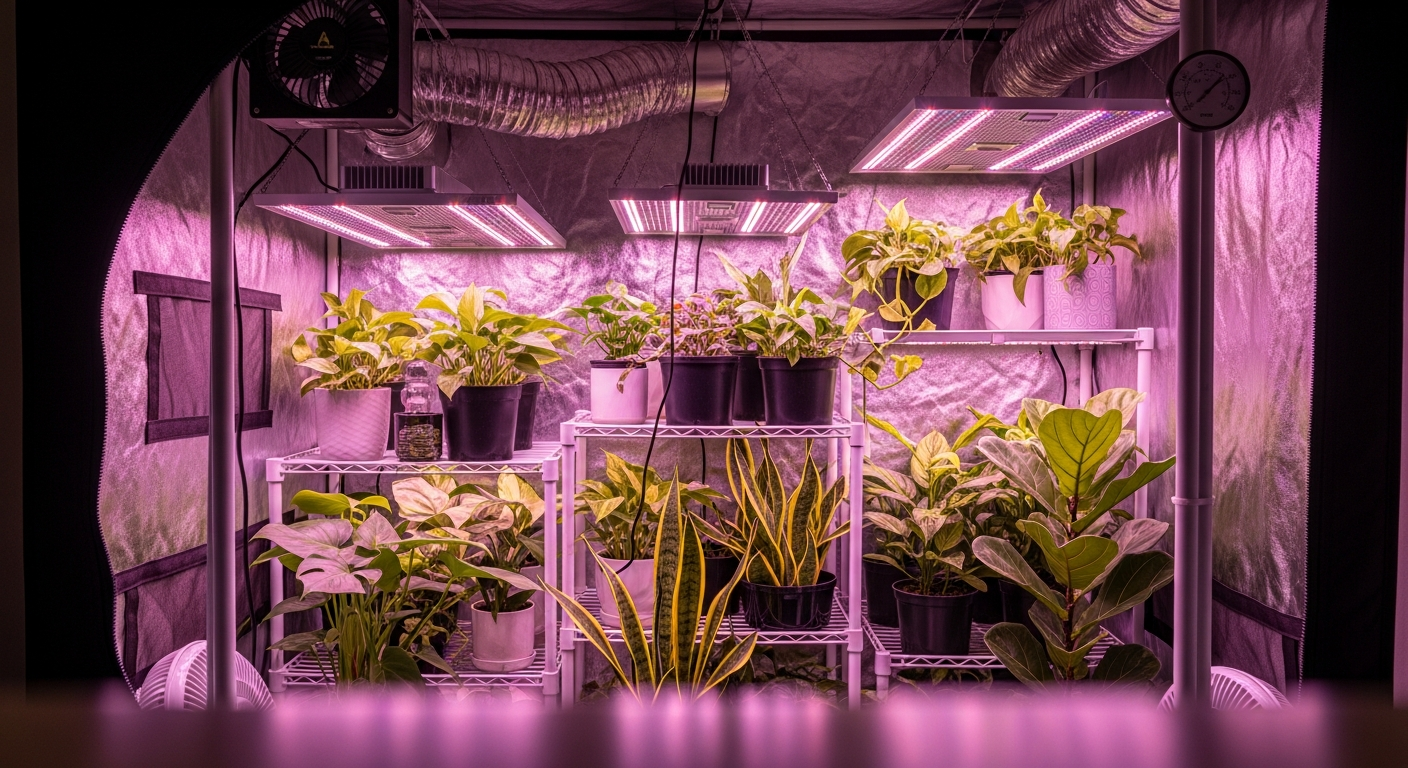
Shelving systems with integrated lighting maximize vertical space while providing uniform illumination across multiple levels. These setups work perfectly in basements, spare rooms, or converted closets where natural light is unavailable.
Panel-style LED fixtures mounted overhead provide professional-grade coverage for large plant displays. The Xi330 LED Grow Light covers 3x3 feet with tri-channel spectrum control, making it ideal for extensive collections requiring different light intensities.
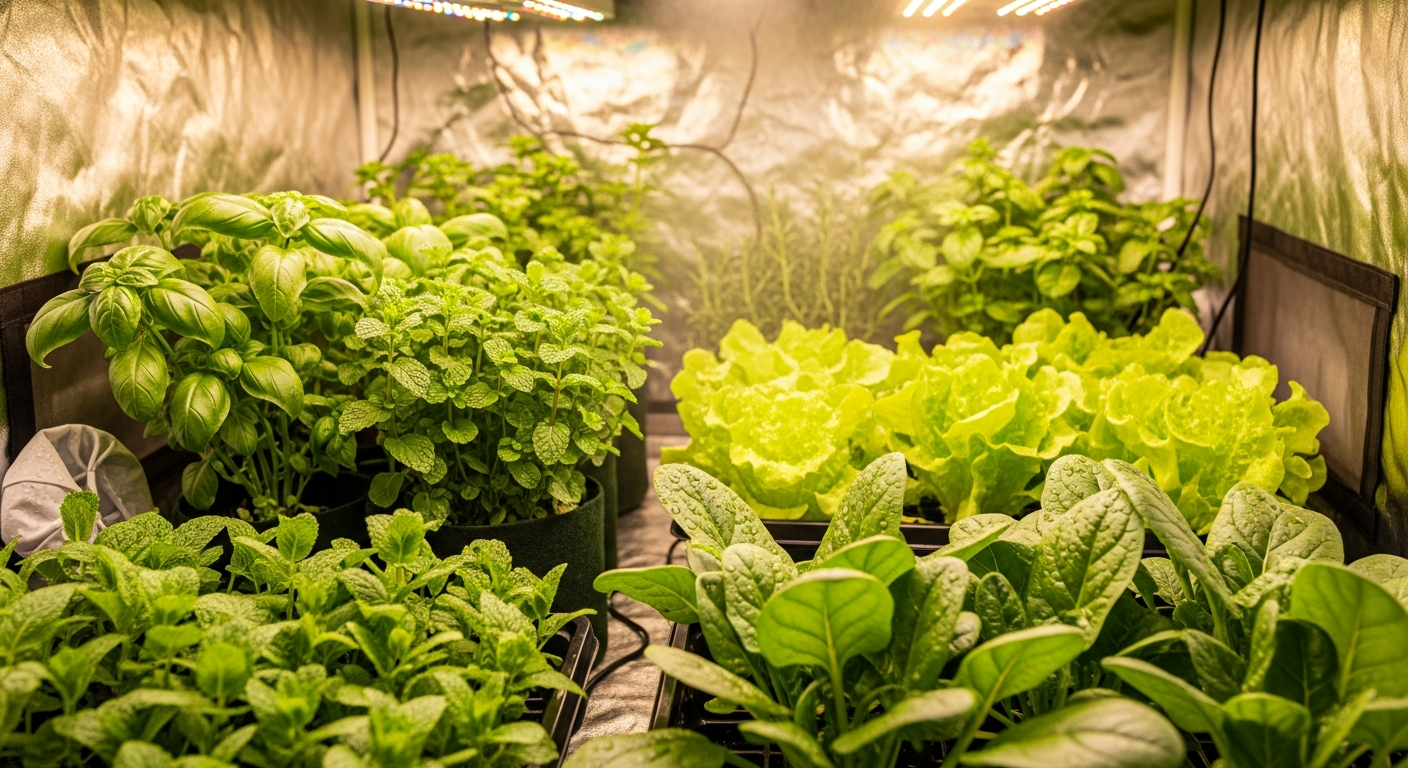
Complete grow tent systems offer the ultimate controlled environment for houseplant enthusiasts who want optimal conditions regardless of home layout. These enclosed setups provide perfect light, temperature, and humidity management. Learn more about setting up indoor growing environments that maximize plant health.
Positioning and Using Grow Lights Effectively
Having quality lights means nothing if you don't position and operate them correctly.
Optimal Distance and Coverage
Light intensity follows the inverse square law—it drops dramatically with distance. Doubling the distance between light and plant reduces intensity to one-quarter. This makes positioning critical:
Low-light plants thrive with grow lights positioned 24-36 inches above foliage. This gentle intensity prevents stress while providing supplementation.
Medium-light plants need lights 12-24 inches away for optimal growth. Monitor plants for signs of insufficient light (stretching, pale leaves) or excessive light (bleaching, curling) and adjust accordingly.
High-light plants can handle—and benefit from—lights positioned 6-12 inches above foliage. The high intensity promotes compact growth and intense coloration but requires monitoring to prevent heat stress.
Always ensure your light provides adequate coverage. A plant with lush foliage on one side and bare stems on the other isn't receiving even illumination. Rotate plants weekly or position lights to cover the entire canopy.
Light Duration and Schedules
Houseplants need consistent photoperiods—the duration of light exposure each day:
Most houseplants thrive with 12-16 hours of light daily. This extended period compensates for lower intensity compared to outdoor conditions. Foliage plants typically do well with 12-14 hours, while flowering plants may benefit from 14-16 hours.
Plants also need darkness. Never run lights 24/7—plants require dark periods for essential metabolic processes. Most do best with at least 6-8 hours of complete darkness nightly.
Consistency matters more than perfection. Plants adapt to regular schedules. Use timers to automate lighting so your plants receive predictable photoperiods regardless of your daily routine. Most modern LED systems include built-in timers or integrate with smart plugs for convenient automation.
Seasonal Adjustments
While grow lights eliminate seasonal constraints, some adjustment optimizes plant health:
Winter requires maximum supplementation. From November through February, natural light is minimal in most regions. Run lights for the full 12-16 hours to compensate for short days and weak sun angles.
Summer allows reduction. During long, bright summer days, you can reduce supplemental lighting to 8-10 hours or use it primarily during morning and evening when natural light is weaker.
Spring and fall need intermediate schedules. These transition seasons benefit from 10-12 hours of supplemental lighting to smooth out the dramatic changes in natural photoperiod.
Maximizing Houseplant Health Under Grow Lights
Proper lighting is just one component of successful indoor plant care. These complementary practices ensure your plants truly thrive:
Watering Adjustments
Plants growing under consistent grow lights photosynthesize more actively than those relying on variable natural light. This means:
Increased water consumption as plants transpire more. Monitor soil moisture closely and water when the top inch or two feels dry rather than following rigid schedules.
Better drainage becomes critical. Active growth requires adequate oxygen at the roots. Use well-draining potting mixes and ensure containers have drainage holes to prevent waterlogging that causes root rot.
Humidity may need attention. Some tropical houseplants like ferns, calatheas, and orchids prefer 50-70% humidity. If your grow lights are in dry indoor environments, consider supplemental humidification or grouping plants together to create microclimates.
Fertilization Strategy
Plants growing actively under lights need more nutrients than dormant specimens:
Feed regularly during growth. Use balanced liquid fertilizer diluted to half-strength every 2-4 weeks during active growing periods. Consistent, moderate feeding prevents nutrient deficiencies while avoiding salt buildup.
Reduce feeding during dormancy. Even under lights, some plants naturally slow growth during winter. Reduce fertilization frequency for these species to match their reduced nutrient demands.
Quality nutrients matter. Professional plant fertilizers provide balanced nutrition that supports vigorous growth without causing deficiencies or toxicities.
Air Circulation
Still air causes multiple problems for houseplants:
Gentle air movement strengthens stems by stimulating the same responses as outdoor wind. Plants grown under lights without airflow often develop weak, floppy growth.
Circulation prevents fungal issues by keeping leaf surfaces dry and preventing pockets of high humidity where diseases thrive.
Heat dissipation improves with airflow, preventing hot spots that can stress plants even under cool-running LED lights.
Use small oscillating fans positioned to create gentle air movement throughout your growing area—plants should sway very slightly but not be buffeted by strong gusts.
Creating Aesthetic Growing Spaces
The best grow light setups enhance your home's appearance while supporting plant health.
Integrated Designs
Modern houseplant growing has evolved beyond utilitarian fluorescent shop lights in basements. Today's options integrate beautifully with home décor:
Designer fixtures from companies specializing in aesthetic grow lights look like high-end home lighting while providing full-spectrum plant support. These fixtures complement rather than compromise interior design.
Hidden lighting using strip LEDs tucked under shelves or behind valances provides effective supplementation without visible fixtures. This approach works beautifully for minimalist or modern décor styles.
Furniture-integrated systems like plant stands with built-in lighting combine function and style. These elegant solutions showcase plants while providing optimal growing conditions.
Color Temperature Considerations
The "warmth" or "coolness" of light affects both plant response and aesthetic appeal:
Cool white light (5000-6500K) appears crisp and bright, mimicking midday sunlight. It's excellent for plant growth but can feel clinical in living spaces.
Warm white light (3000-4000K) creates a cozy, welcoming glow that feels more natural in homes. Modern full-spectrum warm white LEDs provide adequate plant support while maintaining aesthetic appeal.
Adjustable spectrum systems like the Xi420 LED Grow Light with tri-channel control let you dial in the perfect balance between plant performance and visual ambiance for your space.
Troubleshooting Common Issues
Even with proper equipment, occasional problems arise. Here's how to identify and fix them:
Leggy Growth Despite Lighting
If plants continue stretching under grow lights:
- Lights are too far away. Lower fixtures to increase intensity
- Insufficient duration. Extend photoperiod to 14-16 hours
- Wrong spectrum. Ensure lights provide adequate blue wavelengths that prevent stretching
- Natural selection. Some plants naturally grow tall; this isn't always a lighting problem
Leaf Burning or Bleaching
Brown spots or pale, washed-out foliage suggests light stress:
- Raise lights several inches to reduce intensity
- Reduce photoperiod to give plants recovery time
- Check for heat buildup. Even cool LEDs can create hot spots without proper airflow
- Consider plant placement. Some species simply can't tolerate high light levels
Lack of Flowering
Flowering houseplants refusing to bloom despite good foliage growth may need:
- Higher light intensity during bud formation—many flowering plants need 1,500+ foot-candles
- Photoperiod adjustment. Some plants are photoperiod-sensitive, requiring specific day lengths to trigger blooming
- Spectrum optimization. Enhanced red wavelengths during flowering can improve bud development
- Patience. Some houseplants won't bloom until they reach maturity regardless of conditions
Algae in Soil
Green growth on soil surfaces under lights indicates:
- Excessive moisture combined with constant light exposure
- Reduce watering frequency and allow soil to dry between waterings
- Cover soil surface with decorative stones or bark to block light from reaching soil
- Improve drainage to prevent standing water
For more comprehensive troubleshooting across various growing scenarios, explore this guide on indoor vs outdoor growing that covers common challenges.
Budget Considerations and ROI
Quality grow lights require upfront investment, but the returns justify the expense.
Initial Investment
Basic setups for 1-3 small houseplants: $30-80 for clip-on or bulb-style LEDs provides adequate supplementation for casual growers
Mid-range systems for 5-10 medium plants: $100-250 gets quality panel LEDs or integrated shelving systems with professional-grade spectrum
Advanced setups for extensive collections: $300-600 invests in commercial-grade equipment like the Xi750 LED Grow Light that covers large areas with maximum intensity and control
Operating Costs
LED efficiency makes ongoing costs minimal:
A typical 30W LED fixture running 12 hours daily costs approximately $2.50-3.50 monthly based on average U.S. electricity rates ($0.13/kWh). Even larger 200W systems rarely exceed $15-20 monthly in electricity consumption.
Compare this to constantly replacing houseplants that decline from inadequate light ($15-50 per plant), and grow lights pay for themselves within months while providing years of reliable service.
Value Beyond Cost
The real ROI extends beyond simple dollar calculations:
Emotional value of maintaining a thriving indoor jungle through winter months when natural light disappears
Health benefits from improved indoor air quality as plants photosynthesize actively year-round
Satisfaction of successfully growing challenging species that refuse to thrive under natural indoor conditions
Learning opportunities as you develop deeper understanding of plant biology and lighting requirements
FAQ: Grow Lights for Houseplants
Do houseplants really need grow lights?
It depends on your home's natural light and plant selection. Low-light tolerant species like pothos and snake plants can survive in dim conditions, but most popular houseplants (monsteras, fiddle leaf figs, succulents) need supplemental lighting to truly thrive indoors—especially during winter months or in north-facing rooms. Grow lights ensure consistent, year-round growth and prevent the decline that comes from seasonal light deprivation.
How far should grow lights be from houseplants?
Distance depends on plant light requirements and fixture intensity. Low-light plants thrive with lights 24-36 inches away, medium-light plants need 12-24 inches, and high-light plants benefit from 6-12 inches. Start at recommended distances and adjust based on plant response—stretching indicates insufficient light (move closer), while bleaching suggests too much intensity (move further away).
How many hours a day should I run grow lights for houseplants?
Most houseplants do best with 12-16 hours of light daily. Foliage plants typically thrive with 12-14 hours, while flowering species may benefit from 14-16 hours. Always provide at least 6-8 hours of complete darkness—plants need dark periods for essential metabolic processes. Use timers to maintain consistent photoperiods regardless of your schedule.
Can regular LED bulbs work as grow lights?
Standard LED bulbs provide some benefit but aren't optimized for plant growth. They lack the full spectrum plants need, particularly in the red wavelengths crucial for photosynthesis. Regular LEDs also produce lower intensity than dedicated grow lights. For best results, use full-spectrum LED grow lights designed specifically for plants—they deliver proper wavelengths at adequate intensity while consuming minimal electricity.
What's the best color temperature for houseplant grow lights?
Full-spectrum white LEDs with 4000-6000K color temperature work best for houseplants, providing both the blue light needed for compact growth and the red wavelengths essential for photosynthesis. Cool white (5000-6500K) maximizes plant response but can feel harsh aesthetically. Warm white (3000-4000K) creates a more pleasing ambiance while still supporting plant growth. Advanced systems with adjustable spectrum offer the best of both worlds.
Featured Snippet Summary
Houseplants need grow lights positioned 12-24 inches above foliage, running 12-16 hours daily for optimal growth. LED grow lights are best, consuming minimal electricity while providing full-spectrum light that mimics natural sunlight. Low-light plants need 50-250 foot-candles, medium-light plants thrive with 250-800 foot-candles, and high-light species require 800-2,500+ foot-candles.
Transform Your Indoor Plant Collection Today
You don't need a greenhouse or sun-drenched conservatory to maintain a thriving houseplant collection. With the right grow lights and basic knowledge, any space—from a dark apartment to a windowless office—can become an indoor paradise filled with lush, healthy plants.
The key is matching light intensity and duration to your plants' specific needs while choosing equipment that fits your space, budget, and aesthetic preferences. Modern LED technology makes this easier and more affordable than ever before, with energy-efficient options that integrate seamlessly into home décor while delivering professional-grade results.
Start with a few well-chosen fixtures for your most light-hungry plants. As you experience the transformation—watching previously struggling specimens burst into vigorous growth—you'll understand why grow lights have become essential tools for serious plant enthusiasts.
Ready to take your houseplant care to the next level? Explore the complete GXi Series LED Grow Lights collection engineered for optimal plant performance. For comprehensive guidance on creating the perfect growing environment, check out our guide to grow room setup that covers all aspects of controlled environment cultivation.
Your houseplants deserve more than survival—they deserve to thrive. Give them the light they need, and watch your indoor jungle flourish.