Plant Stand with Grow Lights: The Ultimate Space-Saving Solution for Indoor Gardening
Running out of windowsill space for your expanding plant collection? Tired of watching your houseplants compete for those precious few spots near natural light? A plant stand with grow lights might be the game-changing solution you've been searching for.
These innovative systems combine vertical growing space with integrated lighting, transforming even the darkest corners of your home into thriving indoor gardens. Whether you're starting seeds for spring planting, maintaining a collection of tropical houseplants, or growing fresh herbs year-round, plant stands with grow lights provide the perfect balance of functionality and space efficiency.
This comprehensive guide will walk you through everything you need to know about selecting, setting up, and maximizing a plant stand with grow lights to create your ideal indoor growing space.
Why Plant Stands with Grow Lights Are Essential for Indoor Gardeners
Space is the ultimate luxury in modern living, and most homes simply don't have unlimited sunny windowsills. As your plant collection grows—and trust us, it will—you quickly realize that horizontal space runs out fast. This is where vertical growing becomes essential.
Traditional plant stands without lighting force you to position them near windows, limiting placement options and often resulting in uneven growth as plants compete for light. Plants on lower shelves stretch awkwardly toward windows, while those on upper shelves may receive adequate light but create shade for everything below.
Integrated grow lights solve this fundamental problem by providing consistent, overhead illumination at every shelf level. This means you can position your plant stand anywhere—dark hallways, basement corners, spare bedrooms, even bathrooms—and still maintain a thriving collection.
The benefits extend beyond mere space-saving. Plant stands with grow lights create micro-environments where you control all variables: light intensity, duration, and positioning. This level of control is impossible with natural light, which varies dramatically by season, weather, and time of day.
For serious indoor gardeners, these systems represent a stepping stone toward more advanced setups. They provide hands-on experience with artificial lighting while offering genuine production capacity for herbs, seedlings, microgreens, and compact houseplants.

Types of Plant Stands with Grow Lights
Not all plant stands are created equal. Understanding the different styles helps you choose the system that best fits your space, budget, and growing goals.
Multi-Tier Wire Shelving Systems
These utilitarian systems prioritize function over form, offering the most growing space per dollar spent. Typically constructed from powder-coated steel wire shelving, they're incredibly durable and can support substantial weight.
Most models feature 3-6 adjustable shelves with integrated LED light bars mounted under each tier. The wire construction allows excellent airflow—crucial for preventing fungal issues—and facilitates drainage from plants on upper shelves.
Advantages include maximum capacity (some 6-tier units accommodate 50+ small plants), adjustable shelf height to accommodate plants of varying sizes, and typically the lowest cost per square foot of growing space.
Considerations involve purely utilitarian appearance that may not suit living spaces, and exposed wire shelving requiring plant saucers or trays to catch drainage.
These systems work beautifully in basements, garages, utility rooms, or any space where function matters more than aesthetics. They're the workhorse choice for serious seed starting, propagation, or extensive houseplant collections.
Enclosed Mini Greenhouse Stands
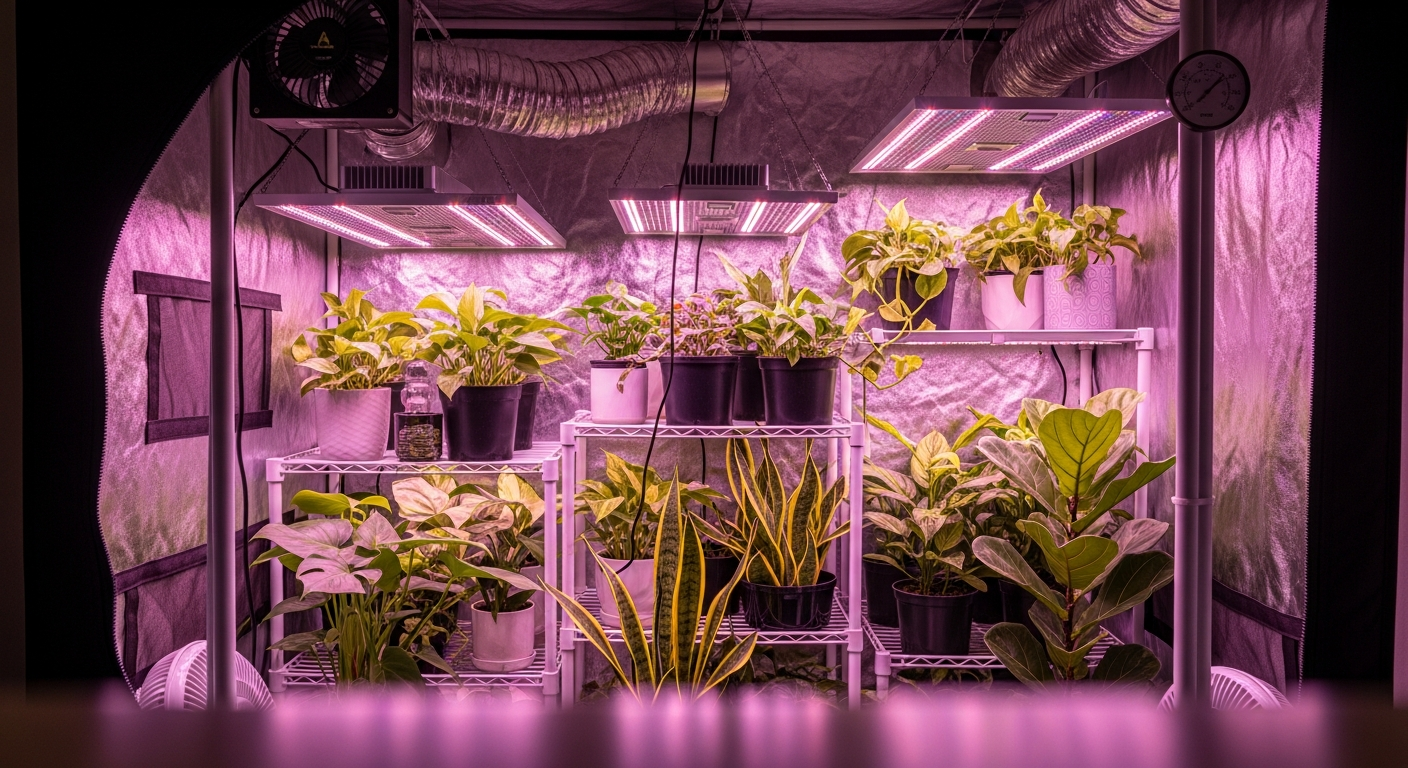
Taking the concept further, enclosed systems wrap fabric or plastic around the shelving structure, creating mini-greenhouse environments. Many feature heavy-duty 1680D Oxford fabric covers with reflective interiors that maximize light efficiency.
These complete systems typically include integrated LED grow lights, wire shelving, waterproof mats, and a zippered front access panel. The enclosure creates a controlled microclimate that retains humidity and warmth—perfect for tropical plants, seedlings, and cloning operations.
Benefits include enhanced humidity retention that tropical plants love, reflective interior surfaces boosting light efficiency by 20-30%, protection from household drafts and temperature fluctuations, and discrete growing that conceals plants from view.
Trade-offs involve slightly reduced airflow requiring monitoring for humidity-related issues and more complex assembly compared to open shelving.
For comprehensive guidance on creating optimal controlled environments, explore this resource on indoor greenhouse setups.
Decorative Furniture-Style Stands
For growers who refuse to compromise on interior design, furniture-style plant stands blend seamlessly with home décor while providing supplemental lighting. These units often feature wood construction, attractive finishes, and lights designed to look like normal home lighting.
Typically smaller than industrial shelving (2-3 tiers accommodating 6-12 plants), they work perfectly in living rooms, offices, and bedrooms where you want plants to enhance rather than dominate the space.
Strengths include aesthetic appeal that complements home design, lights with warm color temperatures (3000-4000K) creating cozy ambiance, compact footprints suitable for smaller spaces, and no setup required beyond simple assembly.
Limitations involve significantly higher cost per shelf, reduced capacity compared to utilitarian systems, and typically lower light intensity suitable only for low to medium-light plants.
These represent the perfect entry point for casual plant enthusiasts who want to supplement natural light without committing to dedicated growing space.
Professional Grow Tent Systems with Shelving
At the advanced end of the spectrum sit complete grow tent systems with integrated shelving and professional-grade lighting. These combine Gorilla Grow Tent durability with optimized growing conditions for serious cultivators.
While not typically marketed as "plant stands," small grow tents (2x2 to 3x3) equipped with shelving accessories and LED grow lights provide unmatched environmental control for vertical growing.
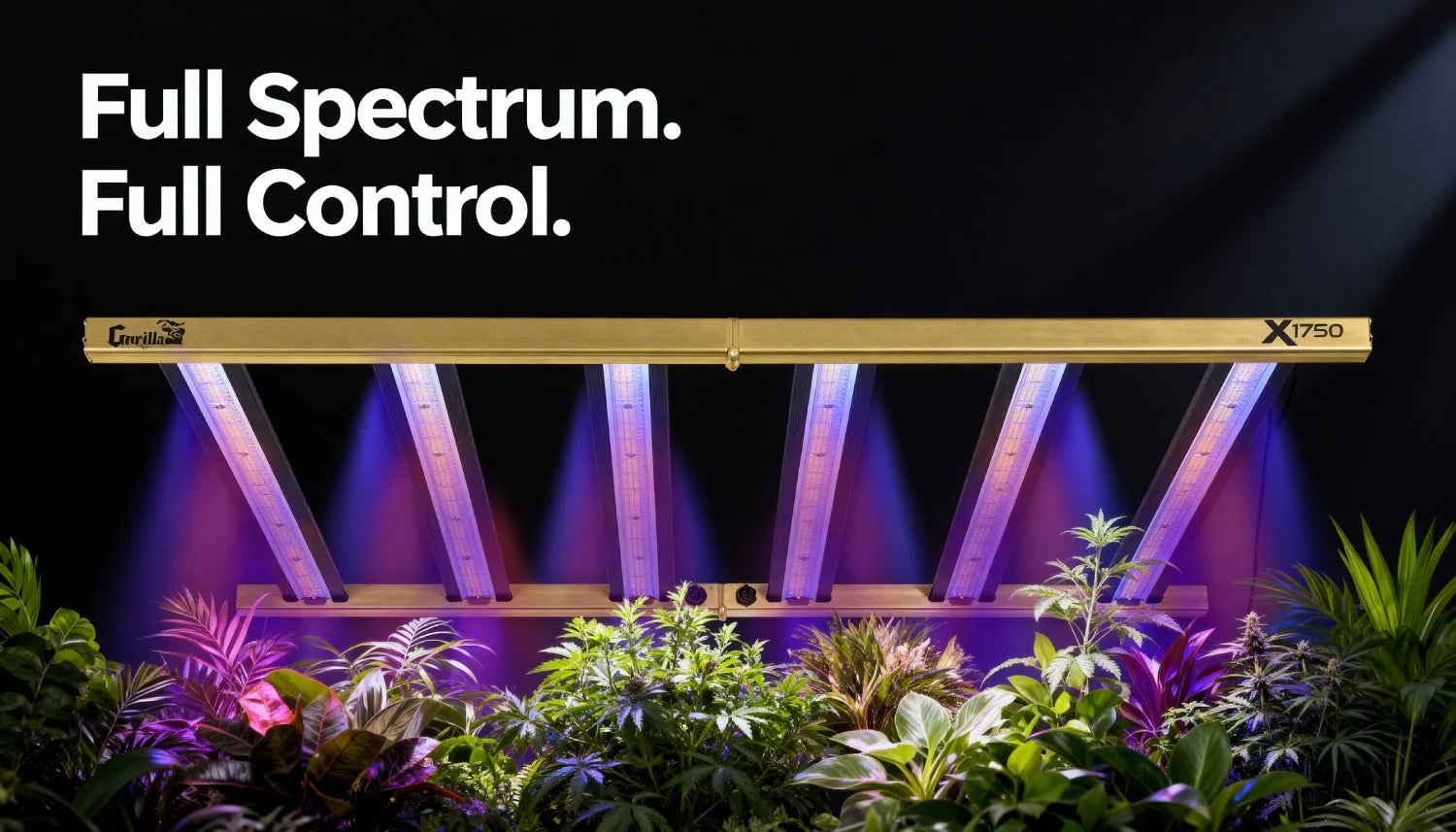
The Xi220 LED Grow Light covers a 2x2 footprint perfectly, providing professional-grade spectrum control for everything from seedlings to flowering plants arranged on multiple shelf levels.
Choosing the Right Plant Stand for Your Needs
Selecting the optimal system requires honest assessment of your space, plants, and commitment level.
Space Considerations
Measure carefully before purchasing. Plant stands range from compact 2-tier units (35"H x 15"W x 10"D) to towering 6-tier systems (70"H x 43"W x 15"D). Account for:
Vertical clearance: Ensure ceiling height accommodates not just the stand but also tallest plants with lights positioned overhead
Floor space footprint: Remember to account for door opening, panel access, and walking clearance around the unit
Proximity to power outlets: Most systems require one or more standard electrical outlets. Extension cords work but create trip hazards and clutter
Environmental factors: Avoid positioning near heating vents, exterior doors, or direct sunlight that would conflict with artificial lighting
For detailed guidance on space planning, check out this resource on choosing grow tent sizes that applies equally to plant stands.
Plant Type and Quantity
Your current and future plant collection determines required capacity:
Low-light houseplants (pothos, snake plants, ZZ plants) thrive on lower shelves of multi-tier units where light intensity is reduced. One 4-tier stand can accommodate 20-30 small pots of these forgiving species.
Medium-light plants (spider plants, philodendrons, ferns) need dedicated shelf space where they're 12-18 inches from overhead lights. Plan 6-8 medium plants per 36" shelf.
High-light plants (succulents, cacti, herbs, seedlings) demand top-tier placement with lights positioned 6-12 inches overhead. Allocate 4-6 succulents or 2-3 larger herb pots per 36" shelf.
Seedlings and propagation benefit from enclosed systems with adjustable height. A 4-tier enclosed stand can start 200+ seedlings in early spring for later outdoor transplanting.
For more on matching plants to growing spaces, explore this guide on best plants for growing tents.
Lighting Quality and Intensity
Not all integrated lights provide equal performance:
Low-end systems (under $100) typically include basic fluorescent or weak LED strips providing 100-300 PPFD. These work adequately for low-light houseplants but fall short for herbs, seedlings, or high-light species.
Mid-range options ($150-300) feature full-spectrum LED bars delivering 300-600 PPFD—sufficient for most houseplants, herbs, and seed starting when positioned correctly.
Premium systems ($300+) integrate high-quality LEDs providing 600-1000+ PPFD with spectrum control, timers, and dimming capabilities. These support anything from microgreens to flowering plants.
The Xi330 LED Grow Light exemplifies professional-grade lighting in a standalone unit. While not integrated into a shelf system, it demonstrates the performance level serious growers should target—full spectrum output with tri-channel control covering 3x3 feet perfectly.
Build Quality and Durability
Construction quality varies dramatically across price points:
Budget stands use thin steel tubes and basic wire shelving. While functional initially, they may wobble under heavy plant loads and show rust after exposure to watering splashes.
Mid-tier options feature thicker gauge steel, powder-coated finishes, and reinforced shelving rated for 50-100 lbs per tier. These represent the sweet spot for most home growers—adequate durability without excessive cost.
Premium systems utilize commercial-grade materials: thick-wall steel tubing, industrial powder coating, and heavy-duty wire or solid shelving rated for 100+ lbs per tier. Expect these to last decades with proper care.
For growers serious about long-term indoor gardening, investing in quality infrastructure pays dividends through years of reliable service.
Setting Up Your Plant Stand with Grow Lights
Proper installation and positioning make the difference between thriving plants and disappointing results.
Assembly Best Practices
Most plant stands ship partially assembled, requiring 30-60 minutes for complete setup:
Follow instructions precisely. While most stands seem intuitive, specific steps (like which direction shelves face or how lights attach) matter for structural integrity.
Assemble before positioning. These units get heavy quickly, especially larger systems. Build where you intend to use it or ensure clear path from assembly area to final location.
Level the unit carefully. Use a level on each shelf before tightening hardware. Unlevel stands cause water to pool on one side and create instability.
Install lights before loading plants. Mount and test all lights with empty shelves. Once plants occupy space, accessing fixtures becomes much more difficult.
Start with bottom shelf. Assemble and stabilize lower tiers before adding upper levels. This builds a solid foundation and reduces wobbling.
Optimal Light Positioning
Even with integrated lights, proper positioning maximizes effectiveness:
Height matters enormously. The inverse square law means light intensity drops dramatically with distance. Doubling the distance between light and plant quarters the intensity received.
Adjustable shelving enables optimization. Position shelves so plants sit 12-18 inches below lights for most houseplants, 6-12 inches for high-light species, and 18-24 inches for low-light varieties.
Edge coverage requires attention. Plants at shelf edges receive less light than those directly under bars. Rotate plants weekly or cluster high-light species toward the center.
Reflective surfaces boost efficiency. Line the back and sides of open shelving with reflective mylar or simply position stands against white walls. This recovers 10-20% more usable light.
For comprehensive distance guidelines across different plant types, reference this grow light distance chart.
Creating Optimal Growing Conditions
Lighting is just one component of successful indoor growing:
Humidity management varies by plant selection. Tropical plants prefer 50-70% humidity difficult to maintain in typical homes. Enclosed stands naturally retain more humidity, or group plants closely on open shelving to create humid microclimates. A small humidifier positioned nearby benefits moisture-loving species.
Temperature consistency matters more than specific ranges. Most houseplants tolerate 60-80°F but stress from dramatic fluctuations. Position stands away from heating vents, exterior doors, and air conditioning returns that cause rapid temperature swings.
Air circulation prevents fungal issues and strengthens plant stems. Small clip-on fans positioned to create gentle air movement (leaves should barely sway) dramatically improve plant health on multi-tier stands where air tends to stagnate.
Watering access requires planning. Lower shelves need saucers or waterproof mats to catch drainage. Upper shelves should have removable trays for easy emptying. Consider investing in a small watering can with a long spout for reaching back corners.
Drainage solutions prevent water damage to floors and lower plants. Waterproof mats on each shelf protect surfaces, while elevated mesh or slatted shelving allows drainage to fall to trays below rather than sitting in contact with plant roots.
For detailed environmental control strategies, explore this comprehensive grow room setup guide applicable to all indoor growing scenarios.
Maximizing Your Plant Stand's Potential
Once basic setup is complete, these strategies optimize results:
Strategic Plant Placement
Top shelves receive maximum light intensity—reserve these prime spots for sun-loving species like succulents, cacti, herbs, and seedlings that demand high PPFD.
Middle tiers suit medium-light plants including most tropical houseplants, ferns, and foliage plants. These locations offer balanced light without the intensity of top shelves.
Bottom shelves work for low-light tolerant species like pothos, philodendrons, snake plants, and ZZ plants. While they receive reduced light, these adaptable plants thrive with supplementation.
Rotate plants regularly. Even with good coverage, subtle light gradients exist. Weekly rotation ensures all plants receive equal cumulative exposure and prevents lopsided growth.
Group by water needs. Cluster moisture-loving tropicals together where you can maintain higher humidity. Position drought-tolerant succulents separately to avoid overwatering.
Optimizing Light Schedules
Consistency matters more than specific duration:
Most houseplants thrive with 12-16 hours daily. Start with 14 hours and adjust based on plant response. Foliage plants typically prefer 12-14 hours, while herbs and seedlings benefit from 14-16 hours.
Timers eliminate human error. Integrate mechanical or digital timers so lights activate and deactivate automatically. Plants respond best to predictable photoperiods.
Seasonal adjustments can help. During winter when natural light is minimal, run lights for maximum duration (16 hours). In summer when ambient light increases, reduce to 10-12 hours to prevent stress and save electricity.
Darkness is essential. Never run lights 24/7—plants require dark periods for essential metabolic processes. Minimum 6-8 hours of complete darkness maintains plant health.
Maintenance and Care
Regular upkeep keeps your system performing optimally:
Clean lights monthly. Dust accumulation on LED surfaces reduces light output by 5-10%. Gently wipe with dry microfiber cloth or use compressed air for hard-to-reach areas.
Inspect fixtures regularly. Check connections, look for moisture damage, and ensure all lights illuminate evenly. Replace any failing LED bars promptly to maintain consistent coverage.
Monitor for pests. Enclosed stands and closely-spaced plants create ideal conditions for pests like spider mites, aphids, and fungus gnats. Weekly inspection catches problems early when treatment is simplest.
Fertilize appropriately. Plants growing actively under lights need more nutrients than those in low-light conditions. Use balanced liquid fertilizer at half-strength every 2-4 weeks during active growth. Quality plant fertilizers provide complete nutrition for vigorous indoor growth.
Prune and train regularly. Remove yellowing leaves, trim overgrowth, and ensure plants don't touch light fixtures. Regular pruning maintains healthy plants and prevents fire hazards from foliage contacting lights.

Troubleshooting Common Issues
Even well-designed systems occasionally present challenges:
Uneven Plant Growth
If plants on one side of shelves outgrow those on the other:
- Check light positioning. Ensure bars run centered over shelves
- Verify fixture mounting. Sagging or angled lights create uneven coverage
- Rotate plants weekly to equalize cumulative light exposure
- Consider adding supplemental lights at shelf edges where coverage weakens
Plants Still Stretching Despite Lights
Etiolation (stretching) under grow lights indicates:
- Insufficient light intensity. Lights may be too far from plants or inherently weak
- Inadequate photoperiod. Increase duration to 14-16 hours daily
- Wrong spectrum. Ensure lights provide adequate blue wavelengths (400-500nm)
- Upgrade may be needed. Basic fixtures sometimes lack intensity for demanding species
Lower Shelf Plants Declining
Plants on bottom tiers struggling while upper plants thrive:
- Light intensity too low. Consider lights are cumulative with overhead fixtures providing less to lower levels
- Move high-light plants up and relocate only low-light tolerant species to bottom shelves
- Add supplemental side lighting specifically for lower tiers
- Reduce plant density on upper shelves allowing more light penetration
Moisture and Mold Issues
Excess humidity causing fungal problems:
- Improve air circulation with small fans creating gentle air movement
- Space plants further apart allowing airflow between pots
- Reduce watering frequency and ensure pots have adequate drainage
- Remove dead foliage promptly which harbors moisture and pathogens
- Consider open shelving rather than enclosed systems if fungal issues persist
Algae Growing in Soil
Green algae coating soil surfaces:
- Reduce watering slightly allowing soil surface to dry between waterings
- Cover soil with decorative stone blocking light from reaching soil
- Improve drainage so water doesn't sit on surface
- This is cosmetic, not harmful to plants but indicates consistently moist conditions
Budget Considerations and Value Analysis
Understanding true costs helps make informed purchasing decisions:
Initial Investment
Entry-level systems ($80-150) provide basic 2-4 tier wire shelving with simple LED bars. These work adequately for low-light houseplants and represent the most affordable entry point.
Mid-range options ($150-350) offer sturdier construction, better lights (300-600 PPFD), and features like timers and adjustable shelving. This price range represents the sweet spot for most home growers.
Premium systems ($350-600+) include heavy-duty construction, high-performance LEDs (600-1000+ PPFD), enclosed designs with reflective interiors, and advanced controls. For serious indoor gardeners, these systems justify costs through superior performance and longevity.
DIY alternatives can reduce costs significantly. Purchase quality shelving separately, then add LED grow light bars individually. This approach offers maximum flexibility but requires more setup time.
Operating Costs
Energy consumption is remarkably modest:
A typical 4-tier stand with 60W of total LED lighting running 14 hours daily costs approximately $3-4 monthly based on average U.S. electricity rates ($0.13/kWh).
Even larger 6-tier systems with 150W of lighting rarely exceed $8-10 monthly in operating costs. Over a year, electricity costs $50-120—far less than most expect.
Compare these costs to the value received: year-round fresh herbs ($5-8 per package), endless plant propagation (new plants from cuttings worth $5-15 each), and successful seedling production (transplants valued at $3-5 per plant).
Long-Term Value
Quality systems justify higher initial costs through extended lifespan:
LED lights in premium fixtures last 25,000-50,000 hours. At 14 hours daily, that's 5-10 years before replacement consideration.
Structural components on well-built stands last indefinitely with basic care. Powder-coated steel resists corrosion, and quality shelving supports heavy plant loads year after year.
Versatility adds value. Plant stands adapt as your interests evolve—from houseplants to seed starting to herb production to microgreens. This flexibility extends useful life far beyond single-purpose equipment.
For growers considering more advanced setups eventually, basic plant stands provide valuable experience with indoor growing before investing in comprehensive systems like complete grow tent kits.
Advanced Applications
Once you've mastered basic houseplant care, plant stands support more ambitious projects:
Seed Starting Operations
Multi-tier stands excel at spring seed starting:
High-density planting fits 50-100+ seedlings per shelf using standard seed trays. A 4-tier stand starts 200-400 plants—enough for extensive gardens.
Controlled germination succeeds reliably under consistent lighting. No more leggy seedlings reaching for inadequate window light.
Succession planting becomes practical. Start new batches weekly on different shelves, creating continuous supply rather than overwhelming gluts.
Cost savings are substantial. Starting seeds costs $0.25-0.50 per plant versus $3-5 for purchased transplants. A single season's savings often exceeds the entire stand cost.
Hydroponic Growing
Wire shelving's open design suits hydroponic systems perfectly:
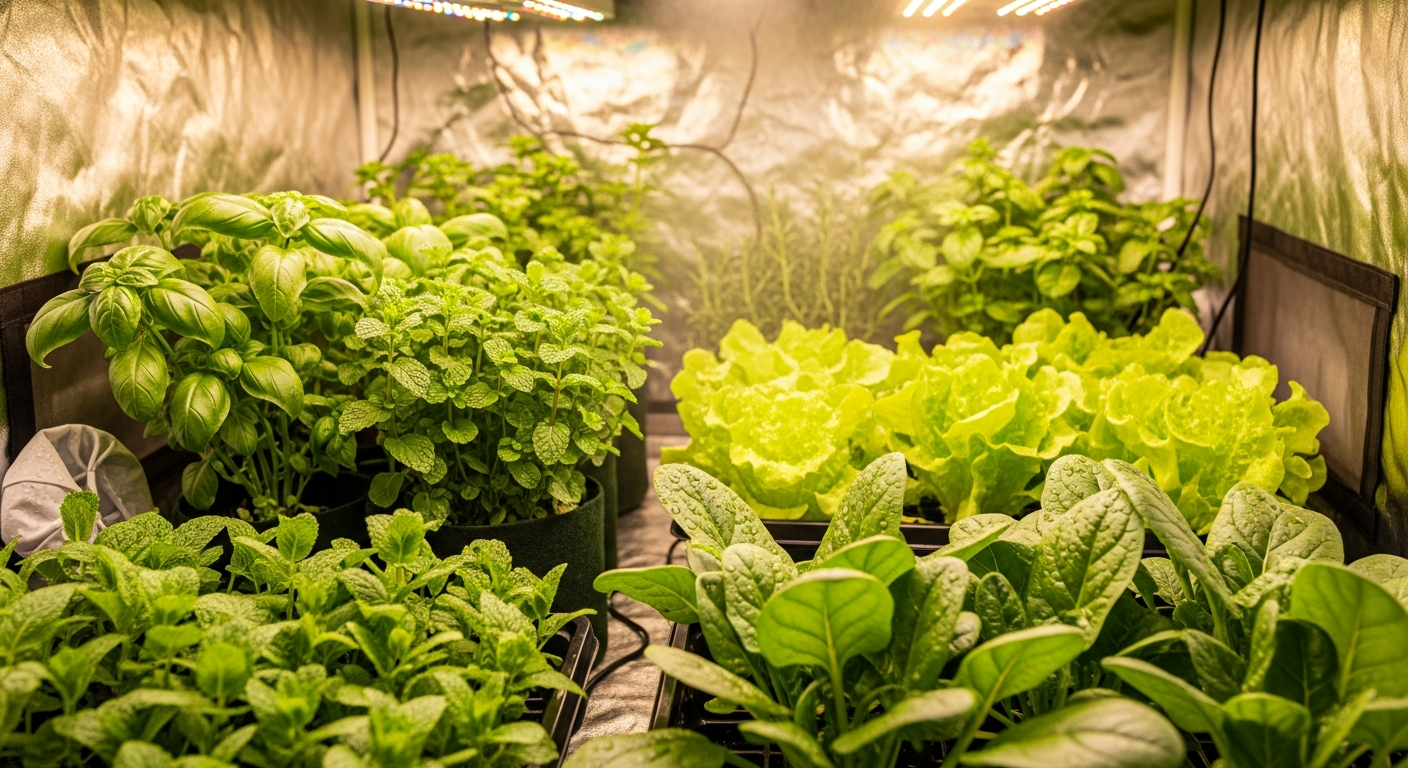
Kratky method containers (passive hydroponics) sit directly on shelves with nutrient solution lasting 2-3 weeks. Perfect for lettuce, herbs, and leafy greens.
DWC systems (Deep Water Culture) fit multiple 5-gallon buckets per shelf. The open wire allows pump cords and air lines to route easily between tiers.
Microgreens production on solid trays occupies shelf space efficiently. Harvest mature microgreens every 7-10 days for continuous fresh production.
For detailed hydroponic techniques, explore this comprehensive guide to hydroponic growing methods adaptable to multi-tier setups.
Herb Gardens
Year-round fresh herbs are one of the most satisfying applications:
Culinary favorites like basil, cilantro, parsley, oregano, and thyme thrive on upper shelves. Harvest leaves regularly to encourage bushier growth.
Vertical production maximizes output—a 4-tier stand produces equivalent herbs to 12+ linear feet of windowsill space.
Succession planting maintains constant supply. Start new basil every 3 weeks so mature plants are always available while younger ones develop.
Cost justification is easy. Fresh basil costs $3-4 per small package. Growing your own yields the same amount weekly for electricity costs under $1 monthly.
Plant Propagation
Serious collectors use stands as propagation stations:
Cuttings root reliably under consistent lighting with adjustable humidity. Enclosed stands are ideal, maintaining 70-80% humidity that accelerates rooting.
Seed propagation for rare houseplants succeeds in controlled conditions. Maintain exact temperature and light levels that expensive species demand.
Division and potting up finds adequate space on middle and lower shelves where mature plants don't need maximum light while establishing.
Trading and selling becomes profitable. Successful propagators produce dozens of gift-quality plants worth $10-30 each from mature parent plants.
FAQ: Plant Stands with Grow Lights
How many plants can a typical plant stand with lights hold?
Capacity varies by stand size and plant dimensions. A 4-tier stand (36"W x 16"D per shelf) accommodates approximately 30-40 small houseplants (4" pots), 16-24 medium plants (6" pots), or 12-16 large plants (8" pots) across all shelves. Consider vertical spacing needs—tall plants require more shelf separation, reducing overall capacity. Seedling production dramatically increases capacity, fitting 100+ small cells per shelf.
Can I use a plant stand with grow lights in my living room?
Absolutely! Decorative furniture-style stands integrate beautifully into living spaces. Choose units with warm white LED lights (3000-4000K color temperature) that create cozy ambiance rather than harsh "grow room" appearance. Many modern designs look like attractive furniture pieces rather than utilitarian growing equipment. Position near outlets and consider stands with timers so lights turn off automatically during evening hours if bright light disrupts room ambiance.
How much does it cost to run grow lights on a plant stand?
Operating costs are minimal. A typical 4-tier stand with 60W of LED lighting running 14 hours daily costs approximately $3-4 monthly ($40-50 annually) based on average U.S. electricity rates of $0.13/kWh. Even large 6-tier systems with 150W of lighting run $8-10 monthly. LED efficiency means you're essentially paying pennies per day to maintain a thriving indoor garden regardless of natural light availability.
What's better: open wire shelving or enclosed plant stands?
Each style suits different needs. Open wire shelving provides maximum airflow, preventing fungal issues and accommodating larger plants. It's ideal for houseplant collections and seed starting. Enclosed stands with fabric covers retain humidity and heat, perfect for tropical plants, cuttings, and seedlings requiring high humidity. They also concentrate light more efficiently with reflective interiors. Consider plant requirements and placement—enclosed stands work in living spaces while open shelving suits basements and utility areas.
Can I grow vegetables on a plant stand with lights?
Yes, but with limitations. Compact vegetables like lettuce, spinach, herbs, radishes, and microgreens thrive on multi-tier stands. Larger vegetables (tomatoes, peppers, cucumbers) require more vertical space and higher light intensity than most plant stands provide. For vegetable production, consider dedicated systems with 400-600W+ of lighting and taller spacing between shelves, or upgrade to small grow tents with professional-grade lights like the Xi420 LED Grow Light for serious production.
Featured Snippet Summary
Plant stands with grow lights provide vertical growing space with integrated LED lighting, accommodating 30-40 plants per 4-tier unit. Position high-light plants on top shelves 6-12 inches from lights, medium-light plants on middle shelves 12-18 inches from lights, and low-light plants on bottom shelves. Run lights 12-16 hours daily using timers for consistency. Typical 4-tier systems cost $3-4 monthly to operate.
Transform Your Indoor Growing Space Today
A plant stand with grow lights represents one of the smartest investments for indoor gardeners serious about expanding their collections without compromising on plant health. These versatile systems transform unused corners, basements, spare rooms, and dark hallways into productive growing spaces that operate year-round regardless of natural light availability.
The beauty lies in scalability. Start with a modest 3-tier stand for a dozen favorite houseplants, then expand as your confidence and collection grow. Many indoor gardeners eventually operate multiple stands throughout their homes—one for houseplants, another for seed starting, perhaps a third dedicated to fresh herbs.
Modern LED technology has made these systems remarkably efficient and affordable to operate. The days of hot, expensive, short-lived fluorescent tubes are over. Today's integrated LED systems provide full-spectrum light that plants love while consuming minimal electricity and generating virtually no heat.
Whether you're a casual plant parent wanting to keep a few tropicals healthy through winter or an ambitious grower preparing to start hundreds of seedlings for spring planting, there's a plant stand solution that fits your needs, space, and budget.
Ready to take your indoor gardening to the next level? Explore professional-grade lighting options like the GXi Series LED Grow Lights that can integrate into custom shelving solutions. For complete environmental control, consider Gorilla Grow Tent systems that provide the ultimate platform for serious indoor cultivation.
Your plants deserve more than struggling for window light. Give them the consistent, optimal illumination they need to truly thrive—your indoor jungle will thank you with vigorous growth, vibrant colors, and year-round beauty.