Grow Room vs. Grow Tent: Choosing the Best Setup
Is a Grow Room Better Than a Tent? Which is Better?
Indoor gardening has gained tremendous popularity among enthusiasts and professionals alike, owing to its ability to provide a controlled environment for plants to thrive in any season. Two primary options stand out for indoor cultivation: a dedicated grow room and a grow tent. Both options offer distinct advantages and considerations; choosing between the two is a matter of careful consideration.
Grow Room vs. Grow Tent – Which Wins the Battle?
The Grow Room Advantage
A dedicated grow room, typically a separate space within your home or a purpose-built structure, offers several key advantages:
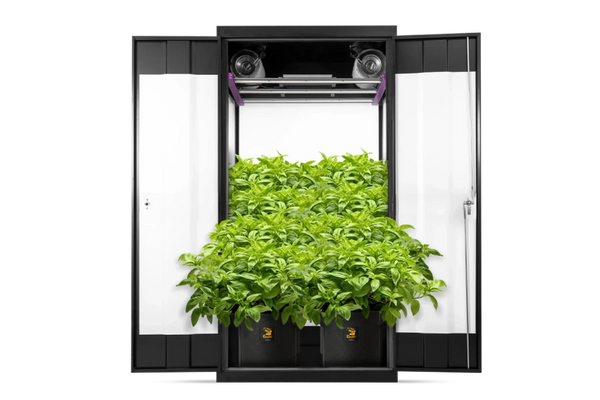
Space and Customization: A grow box provides ample space, allowing you to grow a larger number of plants or larger plants. This benefits those interested in commercial cultivation or growing sizable plants like trees. The customization potential is virtually limitless, as you can tailor the lighting, ventilation, and other environmental factors to suit your plants' precise needs.
Optimized Environment: With more space comes better control over the environmental factors influencing plant growth, such as temperature, humidity, and CO2 levels. Achieving and maintaining optimal conditions becomes relatively easier in a dedicated grow room.
Noise and Odor Control: Grow rooms offer better noise reduction and odor control opportunities. Advanced ventilation and air filtration systems can be installed more effectively in a larger space, creating a more pleasant environment for both the plants and the grower.
The Grow Tent Advantage
Grow tents, on the other hand, have become a popular choice for indoor cultivation due to their unique set of benefits:
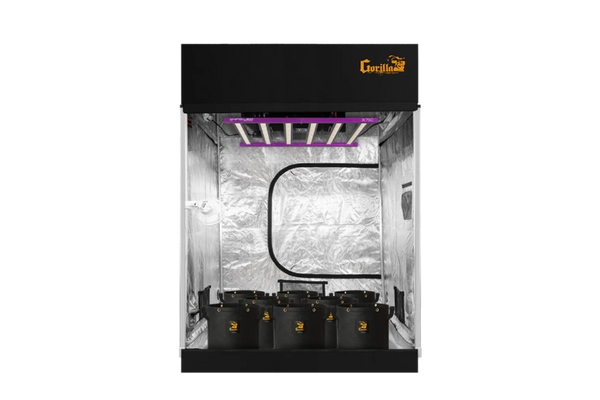
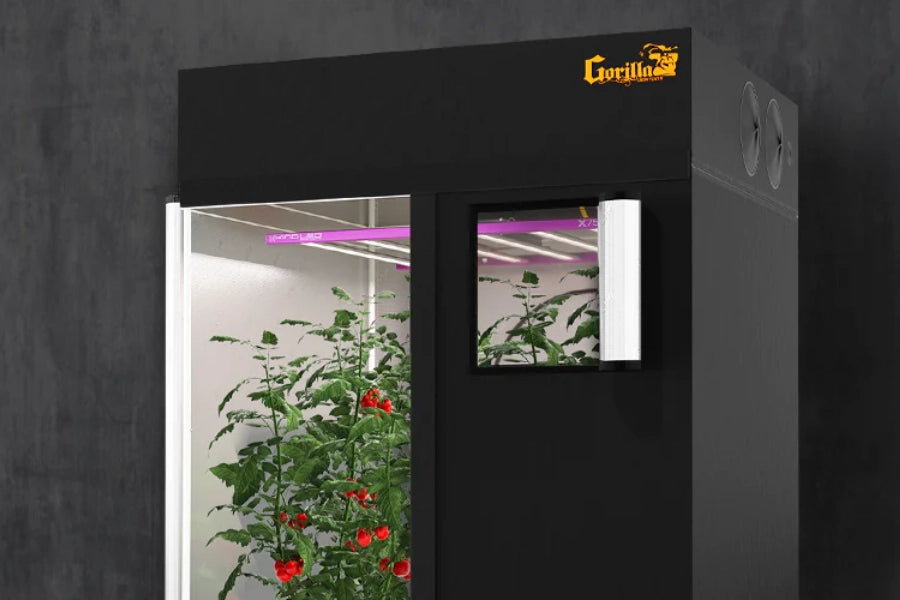
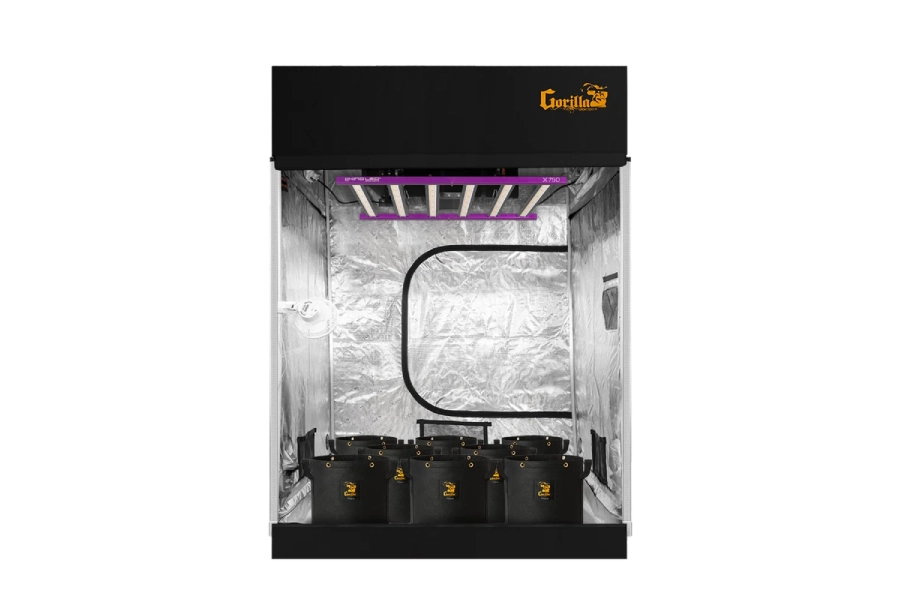
Space-Efficiency: Grow tents are compact and versatile, making them an excellent option for those with limited space. They can be set up in spare rooms, closets, or even garages, utilizing available space without significant modifications.
Affordability: A grow tent is generally more cost-effective than building a dedicated grow room. This makes grow tents attractive for beginners or hobbyists who want to start their indoor gardening journey without a substantial financial investment.
Ease of Setup: Grow tents are designed for easy assembly and disassembly. They come with pre-installed ventilation and light ports, simplifying the setup process, especially for those who may not have advanced technical skills.
Factors to Consider
Budget: Your budget will play a significant role in your decision. A grow room can be more expensive due to construction and equipment costs, while a grow tent is a more budget-friendly option.
Space Availability: Consider the amount of available space. A grow tent might be better if you're short on space. However, a dedicated grow room offers more flexibility if space is not an issue.
Scalability: If you plan to expand your operation, a grow room might be better suited to accommodate larger setups.
Level of Involvement: Your involvement and expertise in indoor gardening also matter. Grow rooms provide more control but require a deeper understanding of environmental factors.
Grow Room Challenges and Solutions
Temperature Regulation: With a larger space, maintaining consistent temperatures throughout the grow room can be a challenge. Investing in advanced HVAC systems and circulation fans can help address this issue effectively.
Humidity Control: Larger spaces may also challenge maintaining optimal humidity levels. Using humidifiers and dehumidifiers strategically placed around the room can help create a balanced humidity environment.
Light Distribution: The broader area of a grow room might require multiple light sources to ensure even light distribution across all plants. Reflective materials on the walls can help redirect light and ensure uniform coverage.
Grow Tent Challenges and Solutions
Limited Vertical Space: Growing tents are space-efficient but often have limited vertical height. This can restrict the growth of taller plants. LST (Low-Stress Training) and SCROG (Screen of Green) techniques can effectively manage plant height.
Heat Buildup: The confined space of a grow tent can lead to heat buildup, especially if high-intensity lights are used. Adequate ventilation and exhaust systems are crucial to dissipate heat and maintain suitable temperatures.
Noise and Odor: While grow tents can effectively contain odors, the confined space might lead to increased noise from equipment. Choosing quieter fans and using noise-dampening materials can help mitigate this issue.
Scaling and Future Prospects
Consider your long-term goals when deciding between a grow room and a grow tent:
Grow Room Scaling
Expansive Cultivation: If you aspire to expand your indoor gardening operation, a dedicated grow room provides the foundation for accommodating more plants and equipment as your expertise grows.
Investment in Infrastructure: A grow room requires a higher initial investment due to construction and equipment costs. However, this investment can pay off long-term if you're committed to larger-scale cultivation.
Grow Tent Adaptability
Hobbyist Advantage: Grow tents are excellent for hobbyists and those looking to dip their toes into indoor gardening without a substantial financial commitment. They allow you to learn the basics and gain experience before considering more extensive setups.
Easy Relocation: The portable nature of grow tents means you can easily relocate your setup if needed. This flexibility is advantageous for renters or those needing to change their growing space.
Selecting the Right Environment – Grow Room or Grow Tent?
Ultimately, deciding between a grow room and a grow tent depends on your circumstances, goals, and preferences. Whether you're a seasoned cultivator or a beginner passionate about plants, the key is to assess your available resources, including space, budget, and time, and choose the option that aligns with your vision of successful indoor gardening.
Remember that both grow rooms and grow tents have their merits and can lead to bountiful yields and a satisfying gardening experience when approached with dedication and enthusiasm.