Unveiling the Mystery of White Spots on Plant Leaves
Causes, Symptoms, and Solutions
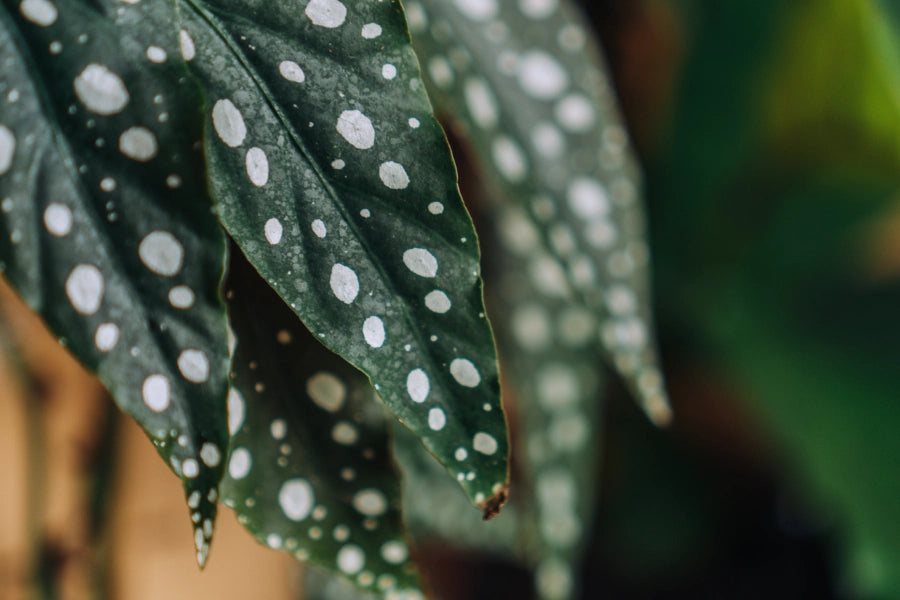
White spots on plant leaves can be a cause for concern for any gardener or plant enthusiast. These mysterious markings can appear suddenly, leaving growers puzzled and eager to find answers. In this comprehensive guide, we'll delve deep into the world of white spots on plant leaves, exploring the various causes, symptoms, and solutions to help you diagnose and address this common issue in your garden.
Understanding the Causes of White Spots on Plant Leaves

Fungal Infections: The Culprit Behind White Powdery Mildew
One of the most common causes of white spots on plant leaves is a fungal infection known as powdery mildew. This widespread disease thrives in warm, humid conditions and manifests as a powdery white substance on the surfaces of leaves, stems, and flowers. Powdery mildew can affect a wide range of plant species, including roses, cucumbers, squash, and zucchini, causing leaves to become distorted, yellowed, and eventually defoliated if left untreated.
Pest Infestations: The Invisible Invaders
Certain pests, such as spider mites and whiteflies, can also cause white spots to appear on plant leaves. These tiny insects feed on plant sap, puncturing leaf tissues with their mouthparts and leaving behind characteristic stippling or stippled white spots. In severe cases, pest infestations can lead to leaf yellowing, wilting, and premature leaf drop, posing a significant threat to plant health and productivity.
Environmental Stress: Nature's Wake-Up Call
Environmental factors such as excessive heat, intense sunlight, and inadequate watering can also contribute to the development of white spots on plant leaves. Heat stress can cause leaf tissues to become scorched and bleached, resulting in white or yellowish spots that gradually spread across the leaf surface. Similarly, sunburn can occur when plants are exposed to direct sunlight without adequate protection, leading to unsightly white patches and necrotic tissue damage.
Recognizing the Symptoms of White Spots on Plant Leaves
Powdery Mildew: A Telltale Sign of Fungal Infection
The presence of powdery white spots on plant leaves is a classic symptom of powdery mildew infection. These spots typically start small and powdery, eventually coalescing to form larger patches that cover the entire leaf surface. As the disease progresses, affected leaves may become distorted, curled, or necrotic, and plants may experience stunted growth and reduced vigor.
Pest Infestations: Signs of Invisible Intruders
Pest infestations often leave behind subtle signs that can alert growers to their presence. Look for tiny white specks or stippling on the undersides of leaves, indicating feeding activity by spider mites or whiteflies. Additionally, check for the presence of sticky honeydew residue, which can attract ants and serve as a breeding ground for sooty mold fungus, further complicating the issue.
Environmental Stress: Nature's Wake-Up Call
Plants experiencing environmental stress may exhibit a range of symptoms in addition to white spots on their leaves. Look for signs of heat stress, such as wilting, leaf curling, and scorched leaf margins, particularly during periods of hot weather. Similarly, monitor plants for symptoms of sunburn, including bleached or yellowed patches on exposed leaves, and adjust their placement or provide shade to mitigate further damage.
Strategies for Preventing and Managing White Spots on Plant Leaves
Cultural Practices: The First Line of Defense
Implementing good cultural practices is essential for preventing the development of white spots on plant leaves. Provide plants with adequate spacing and air circulation to reduce humidity levels and minimize the risk of fungal infections. Additionally, avoid overhead watering, which can create conditions favorable to powdery mildew and other foliar diseases, and instead water plants at the base to keep foliage dry.
Integrated Pest Management (IPM): Nature's Pest Control
Adopting an integrated pest management (IPM) approach is crucial for managing pest infestations and preventing damage to plant leaves. Monitor plants regularly for signs of pest activity, such as white specks, stippling, or sticky honeydew residue, and take prompt action to address infestations before they escalate. Consider using biological controls, such as predatory insects or beneficial nematodes, to target pest populations naturally and reduce reliance on chemical pesticides.
Environmental Modifications: Creating Optimal Growing Conditions
Making environmental modifications can help create optimal growing conditions and reduce the risk of white spots on plant leaves. Provide plants with adequate sunlight, water, and nutrients to promote healthy growth and resilience to environmental stressors. Consider using shade cloth or row covers to protect plants from excessive heat and sun exposure, particularly during the hottest parts of the day.
Conclusion: Navigating the World of White Spots on Plant Leaves
White spots on plant leaves can be a cause for concern for any gardener, but armed with knowledge and awareness, you can effectively diagnose and address this common issue in your garden. By understanding the various causes, symptoms, and solutions associated with white spots on plant leaves, you'll be better equipped to keep your plants healthy, vibrant, and thriving year-round. Remember to monitor your plants regularly, practice good cultural practices, and intervene promptly at the first sign of trouble to ensure a bountiful harvest and a garden that flourishes with life.