Led Bar Lights for Grow Tent
Bar Lights for Grow Tent
Growing plants in a controlled environment, such as a grow tent, is a popular method for both hobbyists and professionals. One of the essential elements for a successful grow tent setup is adequate lighting. Bar lights are a popular choice for grow tent lighting because of their versatility and cost-effectiveness.
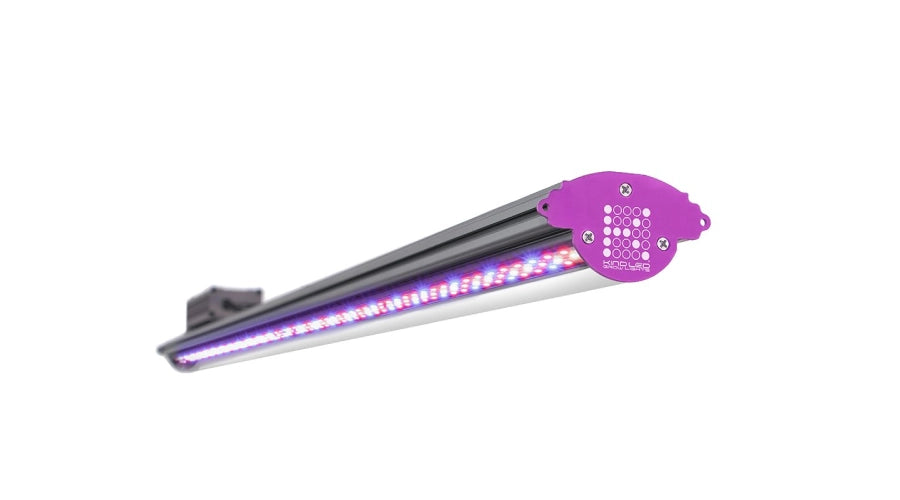
Bar lights, also known as LED strip lights, are narrow and flexible lights that can be attached to the sides or top of the tent. They are available in various lengths and are connected end to end to cover the entire growing area. They are designed to emit light in the full spectrum, including red and blue wavelengths that are essential for plant growth. The full-spectrum lights mimic the natural light that plants receive outdoors, providing them with the necessary energy to grow and flourish.

They are Energy-Efficient
One of the benefits of bar lights is that they are energy-efficient. LED lights consume less energy compared to traditional grow lights such as HID (high-intensity discharge) lights. This results in lower electricity bills and reduces the carbon footprint of the growing operation. Additionally, bar lights produce less heat compared to traditional grow lights, which helps to maintain a stable temperature in the grow tent, reducing the risk of heat stress to the plants.
They Can Be Adjusted to the Desired Height
Another advantage of bar lights is their versatility. They can be adjusted to the desired height, making them suitable for different stages of plant growth. During the vegetative stage, the lights can be kept close to the plants to encourage bushy growth, while during the flowering stage, the lights can be raised to prevent the plants from stretching and to increase light intensity.
Easy to Install and Maintain
Bar lights are also easy to install and maintain. They come with mounting hardware and can be attached to the tent without the need for any special tools. LED lights have a long lifespan, reducing the need for frequent replacements, and they are also easy to clean.
Customization Options
Additionally, bar lights offer customization options. Growers can choose from a variety of color temperatures and intensities, allowing them to tailor the lighting to their plants' specific needs. Some bar lights also come with adjustable dimming options, allowing growers to adjust the light intensity to their preference. This is especially useful during the flowering stage when it is crucial to maintain a specific light intensity to encourage the plants to produce more flowers and fruits.
Bar Lights Have a Compact Design
Moreover, bar lights have a compact design, making them ideal for small grow tents. They can be easily hidden behind the plants, providing an unobtrusive and attractive look to the grow tent setup. They are also lightweight and flexible, making them easy to maneuver and position.

Bar Lights are Cost-Effective
They are a more affordable option compared to traditional grow lights and are a great option for growers who are starting out and looking to keep costs low. Additionally, with the low energy consumption and long lifespan, the cost savings continue over time.
The Safety and Maintenance of Bar Lights in a Grow Tent
Additionally, it's important to consider the safety and maintenance of bar lights in a grow tent setup. Growers should make sure that the lights are installed properly and securely, following the manufacturer's instructions. They should also avoid touching the lights with their bare hands to prevent damage to the LED chips and to reduce the risk of electrical shock.
Regular cleaning and maintenance of the lights are also important to ensure they function optimally. Dust and debris can accumulate on the lights, reducing their effectiveness, and growers should periodically clean the lights to remove any buildup.
The Temperature and Humidity Levels in the Grow Tent
It's also essential to monitor the temperature and humidity levels in the grow tent and make adjustments as necessary. High humidity levels can cause mold and mildew to grow, while high temperatures can stress the plants and reduce their growth and yield. By using bar lights, growers can control the environment and provide their plants with optimal conditions for growth.
When Choosing the Appropriate Lighting System
It's worth noting that although bar lights are a popular choice for grow tent lighting, there are other options. Growers should also consider factors such as the size of their grow tent, the type of plants they are growing, and the stage of plant growth when choosing the appropriate lighting system. For example, larger grow tents may benefit from more powerful lighting systems, such as HID lights or LED panels, to provide adequate light coverage.
It's also essential to pay attention to the color rendering index (CRI) of the lights, which measures the ability of the light to accurately render colors. A higher CRI indicates more accurate color rendering and is particularly important for growers who want to showcase the beauty of their plants.
Furthermore, it's important to ensure that the bar lights are of high quality and come from a reputable manufacturer. This helps to ensure that the lights are safe and will not damage the plants. Growers should also check the warranty and customer support offered by the manufacturer, as this can be valuable in the event of any issues or problems with the lights.
In conclusion, bar lights are a great option for grow tent lighting. They are cost-effective, energy-efficient, versatile, and easy to install and maintain. With their energy efficiency, versatility, and easy installation, bar lights provide growers with a convenient and effective lighting solution for their indoor growing needs. With full-spectrum lighting, growers can provide their plants with the necessary energy to grow and flourish, resulting in a bountiful harvest.