Tomato Trellis: What is It, How to Use
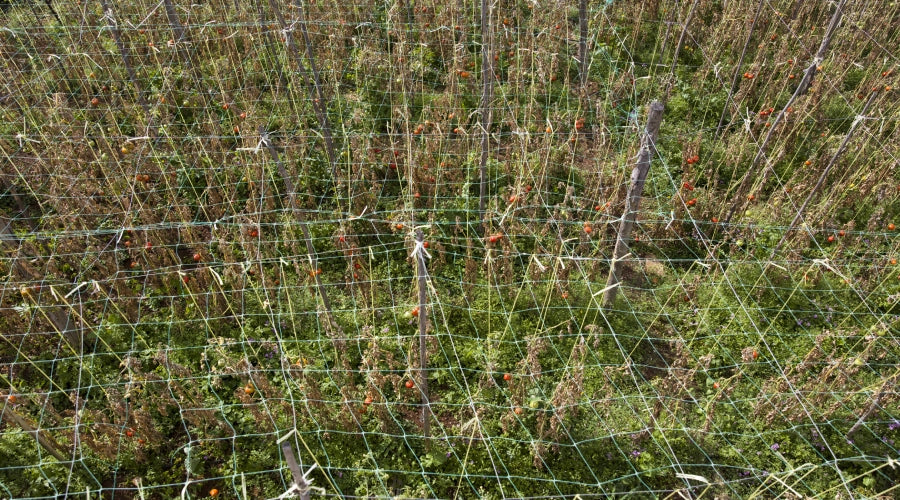
A tomato trellis is a type of support system used to grow tomatoes in a vertical direction. It helps to keep the plants off the ground, allowing for better air circulation and preventing diseases and pests from damaging the tomatoes. Additionally, trellising also allows for more efficient use of space in the garden or farm.
Tomato trellises can be made from various materials, including wood, metal, or plastic. The most common type of trellis is made from metal and is known as a tomato cage. Tomato cages are circular in shape and are made from wire mesh. They are easy to use and can be easily moved from one location to another.

To use a tomato trellis, the seedlings are first planted in the ground, and then as they grow, they are tied to the trellis using soft ties or twine. This process is called training, and it involves guiding the plant upward so that it grows in the desired direction. As the plant continues to grow, it is tied to the trellis at various points to keep it supported.
In order to get the most out of a tomato trellis, it is important to choose the right type and size for your needs. It is also important to ensure that the trellis is sturdy and well-constructed, as the plants will be heavily reliant on it for support. Additionally, proper training and maintenance of the tomato plants are crucial for successful trellising.
The Use of a Tomato Trellis Benefits
Conserve Space
First, it helps to conserve space in the garden. Tomato plants can take up a lot of room when they grow horizontally, but by trellising them, they can be grown in a smaller area. This is especially beneficial for those with limited gardening space.
Better Air Circulation
Second, trellising allows for better air circulation, which is crucial for the growth and health of the tomatoes. By keeping the plants off the ground, air can circulate freely, reducing the risk of disease and pests.
Increased Yields
Another benefit of using a tomato trellis is increased yields. When tomato plants are trained to grow vertically, they have more room for fruit production. The vertical growth also helps to reduce competition for sunlight and nutrients, leading to healthier and more productive plants. This can result in a larger harvest, with more tomatoes of better quality.
Maintenance Easier
Tomato trellising also makes maintenance easier. By keeping the plants off the ground, it is easier to access the fruit and perform tasks such as pruning and harvesting. The vertical growth also allows for better visibility of the plants, making it easier to monitor their health and identify any potential issues.
The Reduced Risk of Disease and Pests
Another advantage of using a tomato trellis is the reduced risk of disease and pests. When tomato plants grow horizontally, they are more likely to be in contact with the ground, where diseases and pests can easily spread. By trellising the plants, they are lifted off the ground, reducing the risk of contamination and infestation. Additionally, a well-constructed trellis can provide a physical barrier between the plants and potential pests, further reducing the risk of damage.
Soil Quality Improves
In addition to reducing the risk of disease and pests, trellising can also improve the quality of the soil. When tomato plants grow horizontally, they can compact the soil and reduce its ability to absorb water and nutrients. By trellising the plants, the soil is able to remain loose and aerated, leading to better plant growth and fruit production.
Adds an Attractive Element to the Garden
In addition to its practical benefits, trellising also adds an attractive element to the garden. The vertical growth of the plants and the tiered structure of the trellis can add visual interest to the garden, making it a functional and aesthetically pleasing addition.
Accessibility of Plants Improves
Another benefit of trellising is the improved accessibility of the plants. When tomato plants grow horizontally, they can be difficult to access, especially when they are located at the back of a garden bed. By trellising the plants, they are lifted up, making it easier to access the fruit and perform maintenance tasks. This can save time and effort, making gardening more enjoyable and less labor-intensive.
Eco-Friendly
Finally, trellising can also be an eco-friendly option. By using a trellis, the need for herbicides and pesticides is reduced, as the plants are less likely to be contaminated by soil-borne diseases and pests. Additionally, trellising can reduce the need for water, as the soil is better able to retain moisture, reducing the frequency of watering.
In conclusion, trellising is a valuable tool for tomato growers, offering numerous benefits, including increased yields, reduced risk of disease and pests, improved soil quality, better accessibility, and eco-friendliness. Whether you are a seasoned gardener or a beginner, using a tomato trellis is an excellent way to improve the success of your tomato garden.