How to Add Nitrogen to Soil: 10 Natural Methods to Boost Plant Growth
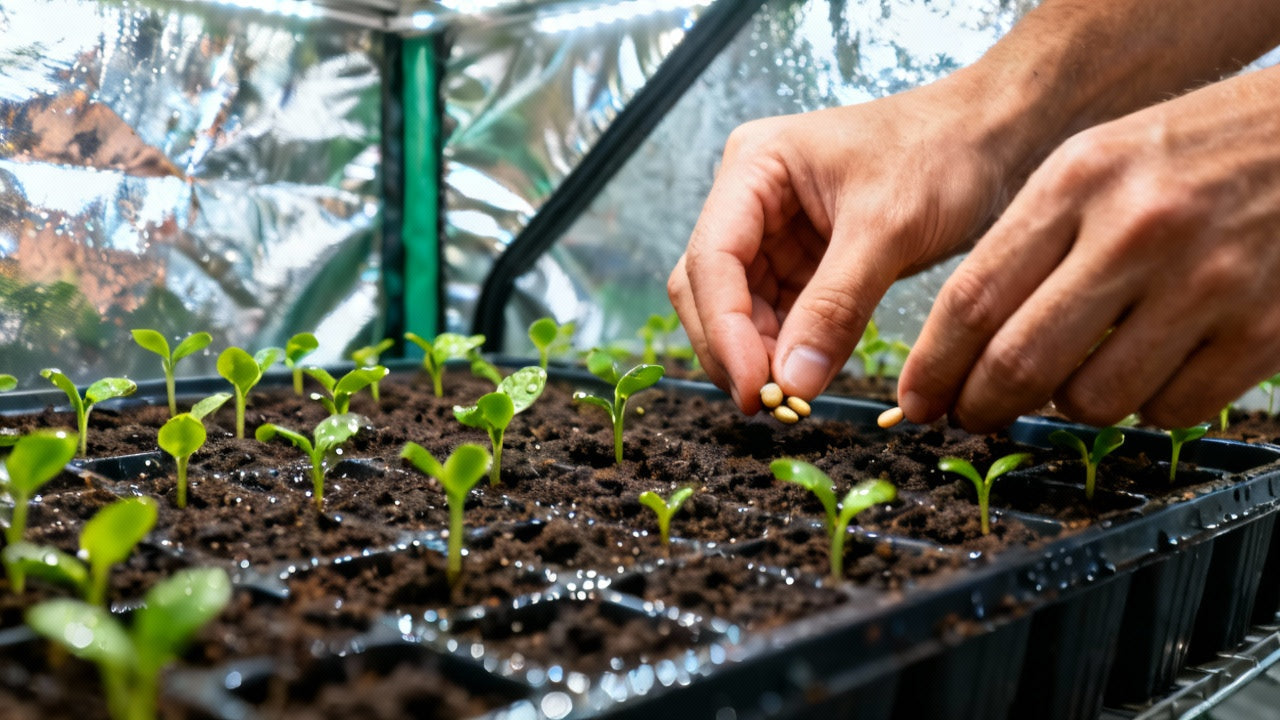
Nitrogen is the superstar nutrient that fuels lush, green growth in plants. Whether you're growing in a premium Gorilla Grow Tent or an outdoor garden, understanding how to add nitrogen to soil naturally is essential for achieving maximum yields and plant health. This comprehensive guide explores the best organic nitrogen sources and methods to replenish this vital nutrient without harmful chemicals.

Why Nitrogen Matters for Healthy Plant Growth
Nitrogen is the primary building block for plant growth and development. It's a key component of chlorophyll (the compound that gives plants their green color and enables photosynthesis), amino acids, proteins, and DNA. When your plants have adequate nitrogen, they reward you with:
- Vibrant green foliage
- Strong stem development
- Robust vegetative growth
- Higher yields and better quality harvests
When nitrogen is deficient, plants will quickly show distress signals that are impossible to ignore.
Signs Your Soil Needs a Nitrogen Boost
Plants are excellent communicators, especially when they're hungry for nutrients. Here are the telltale signs of nitrogen deficiency to watch for:
Yellowing Leaves (Chlorosis)
The most obvious symptom is yellowing leaves, starting with the oldest (bottom) leaves first. This happens because nitrogen is mobile within plants, and when in short supply, plants will redirect it from older growth to support new growth.
Stunted Growth
Nitrogen-deficient plants appear stunted and develop slowly. New leaves grow smaller than normal, and the entire plant may look spindly and weak.
Poor Fruiting and Flowering
While nitrogen primarily supports vegetative growth, deficiencies during early development can lead to reduced flowering and fruiting later in the growing cycle.
Red or Purple Stems and Leaf Veins
In some plants, nitrogen deficiency can cause stems and leaf veins to develop reddish or purplish coloration as stress responses activate.

Testing Your Soil Before Adding Nitrogen
Before adding any nitrogen to your soil, it's important to confirm that nitrogen deficiency is actually the problem. Soil testing provides the most accurate picture of your soil's nutrient profile.
Professional Soil Testing
Your local agricultural extension office typically offers affordable soil testing services that provide detailed analysis of nitrogen levels along with other nutrients and pH.
DIY Soil Test Kits
Home test kits are less precise but offer quick results. These kits typically measure nitrogen, phosphorus, potassium, and pH levels.
Plant Observation
While not as accurate as actual testing, observing your plants can provide clues. Remember that overwatering, disease, and other nutrient deficiencies can sometimes mimic nitrogen deficiency symptoms.
10 Natural Ways to Add Nitrogen to Soil
Now let's explore the most effective organic methods to boost nitrogen levels in your soil:
1. Compost: The All-Around Soil Superhero
Compost is the foundation of organic gardening and a moderate source of slow-release nitrogen. Rich, well-decomposed compost typically contains about 1-2% nitrogen by weight.
How to Use: Add 1-2 inches of compost to the top of your soil and gently work it into the top 6 inches. This can be done at planting time or as a side-dressing for growing plants.
Best For: All plants and growing systems, including container plants in grow tents.
2. Manure: Nature's Nitrogen Powerhouse
Well-aged animal manures are excellent nitrogen sources. Different manures contain varying nitrogen levels:
- Chicken manure: 4-9% nitrogen (highest concentration)
- Rabbit manure: 4% nitrogen
- Horse manure: 1-2% nitrogen
- Cow manure: 1-2% nitrogen
Important: Always use composted or aged manure, never fresh. Fresh manure can burn plants and may contain harmful pathogens.
How to Use: Apply a 1/4 to 1-inch layer around established plants or mix into soil before planting at a rate of about 25-100 pounds per 100 square feet, depending on manure type.
Best For: Outdoor gardens and larger grow tents with excellent ventilation systems like the GXi Inline Fans to manage any odors.
3. Legume Cover Crops: Nature's Nitrogen Factories
Legumes (like clover, beans, peas, and vetch) form symbiotic relationships with specialized bacteria that can capture nitrogen from the air and convert it to plant-available forms in the soil.
How to Use: Plant legume cover crops in fall or during fallow periods. When ready to plant your main crop, cut down the cover crop and either:
- Till it into the soil (fastest nitrogen release)
- Leave it on the surface as mulch (slower release)
Best For: Outdoor gardens, or between indoor growing cycles in larger grow tent setups.
4. Coffee Grounds: Recycled Nitrogen from Your Morning Brew
Used coffee grounds contain approximately 2-5% nitrogen and add valuable organic matter to soil.
How to Use: Mix used coffee grounds directly into the top few inches of soil, add to your compost pile, or create a liquid fertilizer by steeping 2 cups of grounds in 5 gallons of water for 24 hours.
Best For: Acid-loving plants or neutral soils. Use sparingly in alkaline soils as coffee grounds can lower pH slightly.
5. Grass Clippings: Free Nitrogen from Your Lawn
Fresh grass clippings contain about 3-4% nitrogen by weight and decompose quickly.
How to Use: Use as a thin mulch layer (no more than 1-2 inches) or add to your compost pile. Avoid using grass treated with herbicides or pesticides.
Best For: Outdoor gardens or as an addition to compost used in grow tent systems.
6. Alfalfa Meal: Balanced, Slow-Release Nutrition
Alfalfa meal contains about 3% nitrogen along with other beneficial nutrients and naturally occurring growth stimulants.
How to Use: Mix 1-2 cups per 100 square feet into the soil before planting, or sprinkle around established plants and water in well.
Best For: All growing systems, including grow tents and container gardens.
7. Blood Meal: High-Nitrogen Boost When Needed
Blood meal is a slaughterhouse byproduct that contains 12-13% nitrogen, making it one of the highest natural nitrogen sources available.
How to Use: Apply sparingly—just 1 tablespoon per gallon of soil or 1 pound per 100 square feet. Mix into the top few inches of soil and water thoroughly.
Caution: Blood meal can burn plants if over-applied and may attract animals if used outdoors.
Best For: Heavy-feeding plants during peak growth phases, particularly when growing in Gorilla Grow Tents with controlled environments.
8. Fish Emulsion or Fish Meal: Ocean-Derived Nitrogen
Fish-based fertilizers provide readily available nitrogen (about 4-5%) along with trace minerals.
How to Use:
- Fish emulsion: Dilute according to package directions and apply as a soil drench every 2-3 weeks.
- Fish meal: Work into soil at a rate of 5-10 pounds per 100 square feet.
Best For: Quick nitrogen boosts during the growing season. The emulsion works well in grow tent systems, though proper ventilation is recommended due to its strong odor.
9. Feather Meal: Slow and Steady Nitrogen Release
Made from processed poultry feathers, feather meal contains about 12% nitrogen that releases slowly over 4-6 months.
How to Use: Apply 5-10 pounds per 100 square feet or 1-2 tablespoons per gallon of potting soil.
Best For: Long-season crops or as a pre-planting soil amendment in grow tent systems.
10. High-Quality Commercial Organic Fertilizers
For convenience and precise application, consider high-quality organic fertilizers like Lotus Nutrients Grow Pro Series, specifically formulated for the vegetative stage with optimal nitrogen levels to support lush growth.
How to Use: Follow package directions for application rates based on your specific plants and growing system.
Best For: Indoor grow environments where precision and cleanliness are priorities.

Timing: When to Add Nitrogen to Your Soil
Timing is crucial when adding nitrogen to your soil:
Spring Application
Apply nitrogen-rich amendments in early spring before or at planting time for most annual crops. This provides nutrients during the critical establishment phase.
Split Applications
For heavy feeders or long-season crops, split your nitrogen applications:
- 50% at planting time
- 25% when plants begin vigorous growth
- 25% just before flowering or fruiting begins
Fall Application
Slow-release nitrogen sources like compost or manure can be applied in fall, allowing them to break down gradually and be available for spring planting.
Important Considerations When Adding Nitrogen
Balance with Other Nutrients
Nitrogen works best when in balance with other essential nutrients, particularly phosphorus and potassium. Too much nitrogen relative to these nutrients can cause:
- Excessive leafy growth at the expense of flowers and fruits
- Increased susceptibility to pests and diseases
- Delayed maturity and harvest
pH Matters
Soil pH significantly affects nitrogen availability. Most plants prefer a pH between 6.0 and 7.0 for optimal nitrogen uptake. Consider using Lotus Nutrients pH Up or pH Down to maintain the ideal pH range.
Nitrogen Cycle Understanding
Nitrogen undergoes transformations in soil through the nitrogen cycle. Understanding this process helps you make better decisions about when and how to apply nitrogen:
- Mineralization: Organic nitrogen is converted to ammonium (NH₄⁺)
- Nitrification: Ammonium is converted to nitrite (NO₂⁻) and then nitrate (NO₃⁻)
- Assimilation: Plants absorb nitrate and ammonium
- Immobilization: Soil microbes temporarily tie up nitrogen
- Denitrification: Nitrate is converted back to atmospheric nitrogen (N₂)
FAQ: Common Questions About Adding Nitrogen to Soil
How can I tell if my plants have too much nitrogen?
Answer: Excess nitrogen typically causes dark green, unusually lush foliage, weak stems that may flop over, delayed or reduced flowering, and increased susceptibility to pests and diseases. Plants may look beautiful but produce poorly.
How long does it take for natural nitrogen sources to become available to plants?
Answer: It varies by source:
- Fast-release sources (fish emulsion, blood meal): 1-2 weeks
- Medium-release sources (alfalfa meal, composted manure): 3-4 weeks
- Slow-release sources (compost, feather meal): 1-4 months
Can I add nitrogen to my soil during the flowering stage?
Answer: It's generally best to reduce nitrogen applications during flowering, as too much nitrogen can reduce flower and fruit production. Switch to phosphorus and potassium-rich nutrients like Lotus Nutrients Bloom Pro Series during flowering stages.
Do indoor plants in grow tents need as much nitrogen as outdoor plants?
Answer: Indoor plants in controlled environments like Gorilla Grow Tents often have higher nitrogen requirements due to intensive growing conditions and limited soil volume. However, precise application is crucial to avoid buildup or imbalances.
Is it possible to fix nitrogen deficiency quickly?
Answer: For fast results, use liquid organic nitrogen sources like fish emulsion or a diluted solution of blood meal. These provide nitrogen in forms plants can quickly absorb. For severe deficiencies, a foliar spray can provide the fastest relief while soil amendments take effect.
Conclusion: Sustainable Nitrogen Management for Thriving Plants
Adding nitrogen to your soil doesn't have to mean reaching for synthetic fertilizers. By implementing these natural methods, you'll not only provide your plants with the nitrogen they need but also improve overall soil health, increase beneficial microbial activity, and create a sustainable growing system.
Remember that building soil fertility is a long-term project. The most successful growers combine multiple approaches—incorporating organic matter, using quality organic fertilizers like Lotus Nutrients, and adopting practices that maintain nitrogen levels naturally.
Whether you're growing in a premium Gorilla Grow Tent or an outdoor garden, these natural nitrogen sources will help your plants reach their full potential while maintaining a healthy, balanced ecosystem for years of abundant harvests.